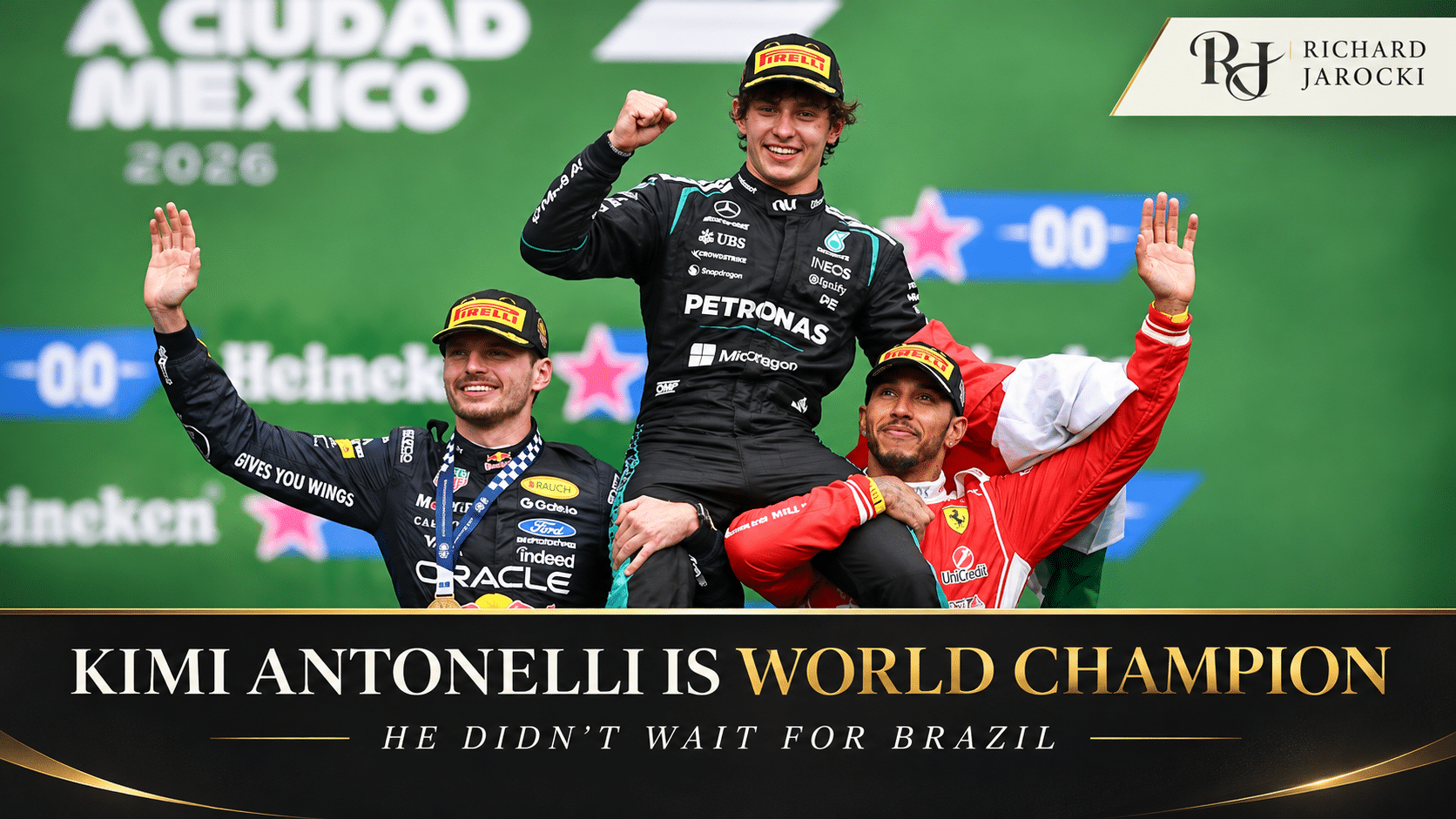
Kimi Antonelli world champion at 20. Max Verstappen won in Mexico, Lewis Hamilton finished second, and Kimi took third to secure the title.
By Richard Jarocki | November 2, 2026
With Kimi Antonelli world champion for 2026, one of the stories I was taking with me to São Paulo has already changed.
Last week, in my post about planning a Formula 1 weekend around the race and dinner, I imagined a difficult choice: stay at Interlagos for a Kimi championship celebration, or leave for the dinner I was planning. I was clear that it was a hypothetical. It was a way of asking what happens when a race gives you a reason to throw out the itinerary.
Kimi settled his part of that question a week early.
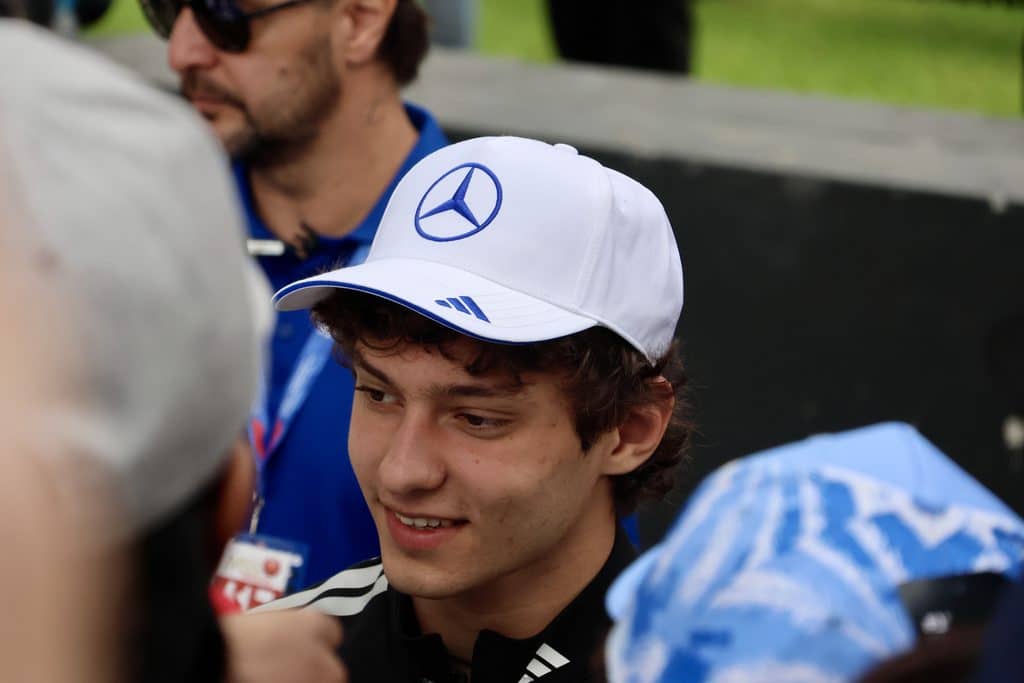
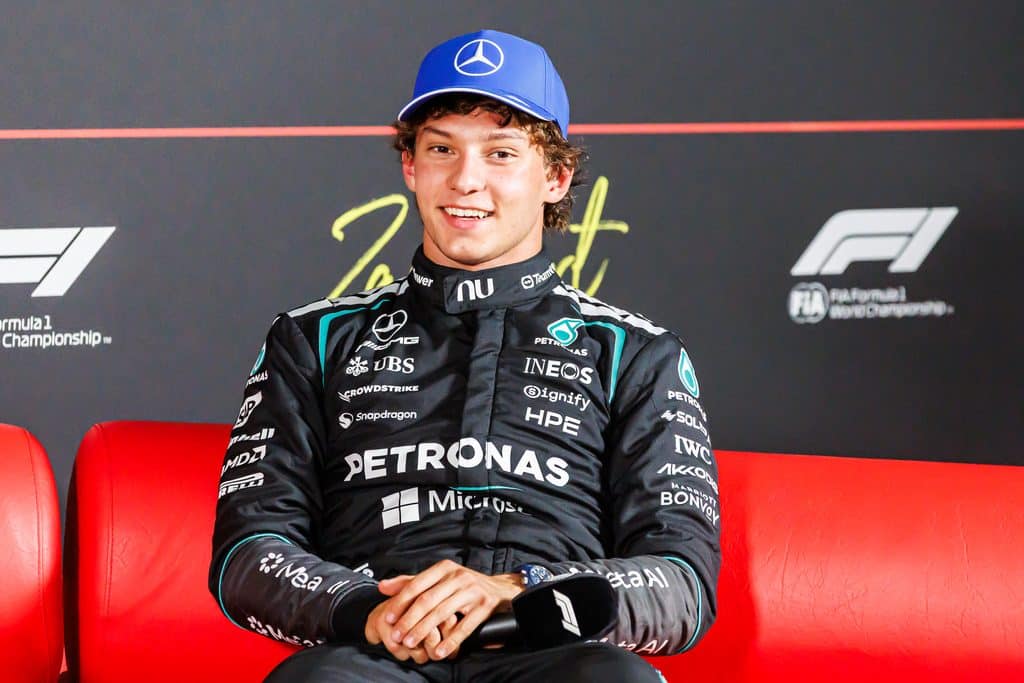
On November 1, he finished third in the Mexico City Grand Prix and secured his first Drivers’ Championship with Mercedes. At 20, he is the youngest world champion Formula 1 has ever had. Formula 1’s race report confirms the title-clinching result.
What happened in Mexico City
First, the distinction that matters: Kimi won the championship, not the race. Verstappen took the victory for Red Bull, with Hamilton second for Ferrari and Antonelli completing the podium.
1st: Max Verstappen — race winner.
2nd: Lewis Hamilton — 0.799 seconds behind.
3rd: Kimi Antonelli — 4.006 seconds behind, and world champion.
Those positions are confirmed in the FIA’s final race classification, rather than just the order at the chequered flag. Later penalties changed the results farther down the field, but left the podium intact.
Antonelli had arrived needing ninth place to guarantee the title regardless of his rivals’ results. He finished on the podium after a race interrupted by a red flag following Valtteri Bottas’s accident and a late Safety Car after Arvid Lindblad crashed. The straightforward championship requirement still had to survive a complicated afternoon. The FIA’s race report sets out how it unfolded.
That is the part I would not overlook. Once a title begins to feel inevitable, it becomes easy to treat the final step as a formality. The driver still has to bring the car home. Third place made Kimi Antonelli world champion and gave him a podium celebration to go with the biggest result of his career.
Kimi Antonelli world champion at 20
Twenty years old. Only his second Formula 1 season. Those two details deserve a moment before we rush into predicting how many championships he might eventually win.
Antonelli was 20 years and 68 days old when he clinched the title on November 1, having been born on August 25, 2006. Before him, the three youngest world champions were:
Sebastian Vettel: 23 years and 134 days. He secured his first title with Red Bull at the 2010 Abu Dhabi Grand Prix. Formula 1’s Vettel retrospective records that milestone.
Lewis Hamilton: 23 years and 300 days. His first title came with McLaren at the 2008 Brazilian Grand Prix. Formula 1’s Hamilton biography recalls the final-lap finish.
Fernando Alonso: 24 years and 58 days. He clinched his first championship with Renault at the 2005 Brazilian Grand Prix. Formula 1’s anniversary account dates that achievement to September 25, 2005.
For comparison, Max Verstappen was 24 years and 73 days old when he secured his first championship at the 2021 Abu Dhabi Grand Prix on December 12, 2021.
Those ages are measured on the day each championship was secured. Seeing the names together makes Kimi’s achievement easier to appreciate. He has moved the record from 23 to 20, ahead of three drivers whose early success became part of Formula 1 history.
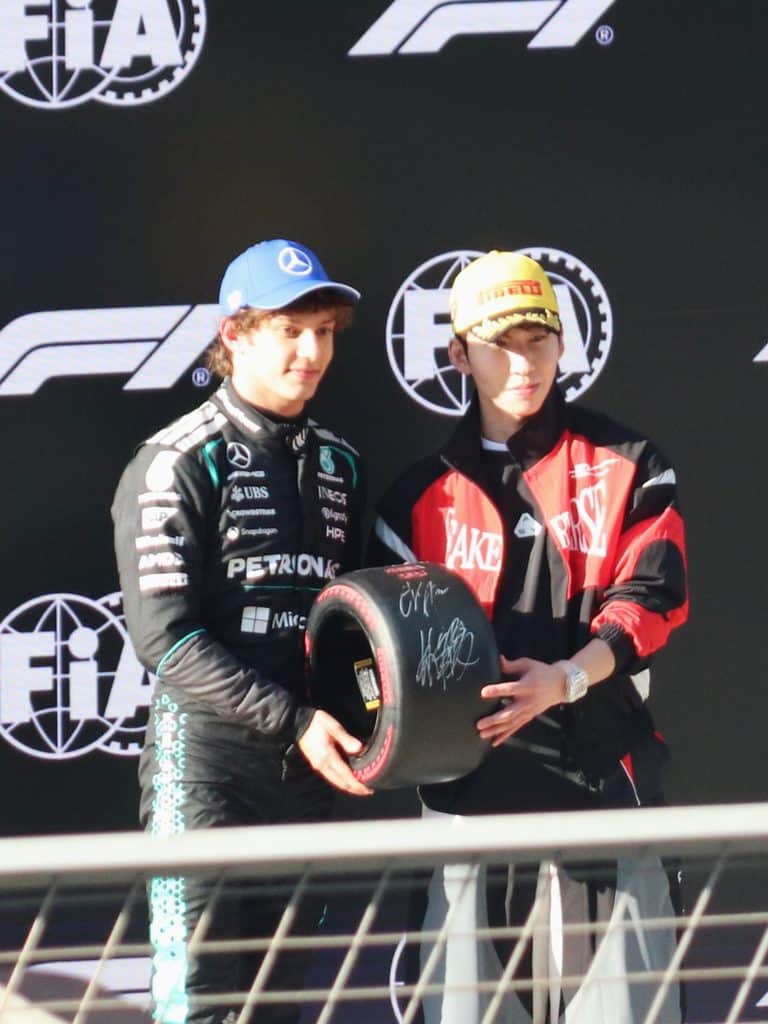
He is also Italy’s first Drivers’ Champion since Alberto Ascari in 1953, ending a 73-year wait. Formula 1 includes that milestone in its rundown of the records behind Antonelli’s season.
It would be easy to let his age become the entire story. The season itself deserves just as much attention. He had already won nine Grands Prix before securing the title, according to Formula 1’s account of Toto Wolff’s reaction. This was a championship built across the year, with Mexico providing the finish to that particular job.
The FIA’s post-Mexico standings put him on 380 points, ahead of Verstappen on 261, Hamilton on 259 and George Russell on 250. That is a substantial margin over an experienced group of drivers.
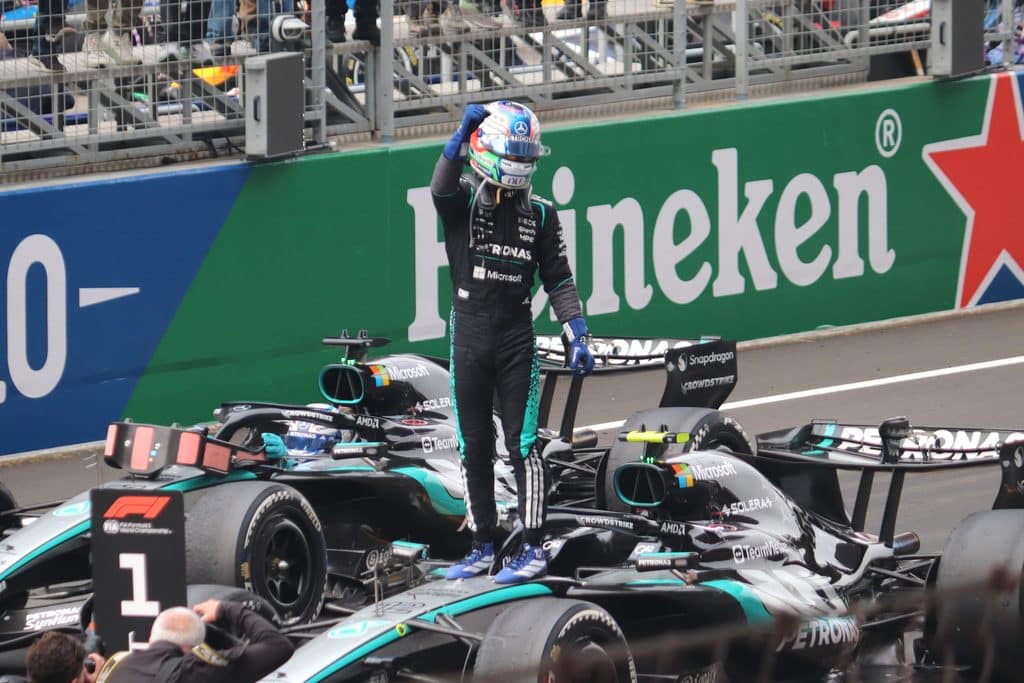
There will be plenty of time to debate what comes next. For now, becoming world champion this young is remarkable enough without assigning him the next decade of the sport.
An Italian champion in a Mercedes
The Italian part of this story deserves more attention. The country finally has another Drivers’ Champion, and he has done it with a German marque.
Italy’s previous two champions won for Italian manufacturers, but they did not both win for Ferrari. Giuseppe “Nino” Farina won the inaugural championship in 1950 for Alfa Romeo. Alberto Ascari won in 1952 and 1953 for Ferrari.
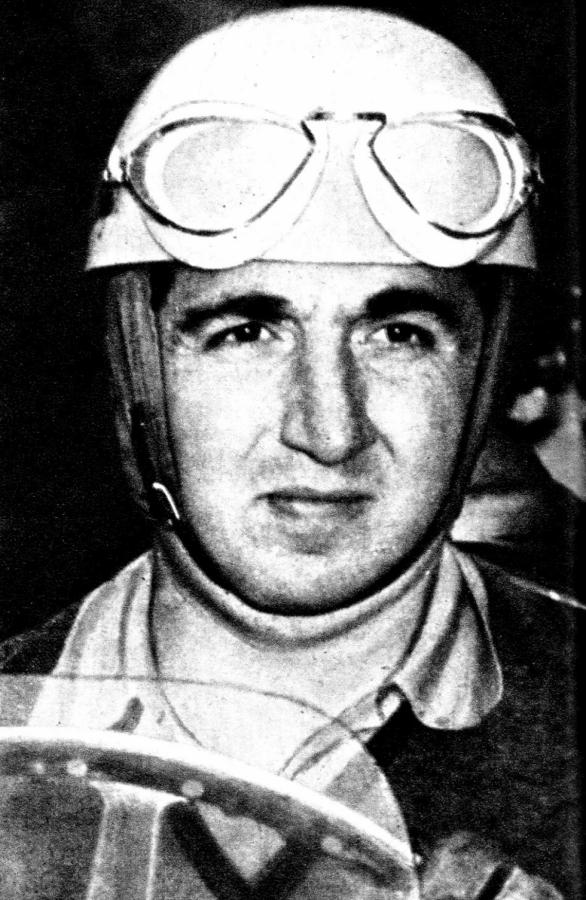
The red connection is Italian racing red, rather than Ferrari red in both cases. Formula 1’s account of Rosso Corsa’s history places the colour in that wider Italian tradition. Farina’s title belongs to Alfa Romeo, and that distinction is worth keeping.
I find an interesting Italian angle in the season that made Kimi Antonelli world champion: after such a long wait, the Italian driver and the Italian team are separate stories. Kimi’s achievement gives the country a new champion without adding another Drivers’ Championship to Ferrari’s history.
There is an international side to it too. Mercedes is a German marque, but its Formula 1 operation is based at Brackley and Brixworth in the United Kingdom. An Italian driver winning through that combination feels very much like modern Formula 1.
Sharing the podium with Max and Lewis
I’m a Ferrari fan first. Max Verstappen, Lewis Hamilton and Charles Leclerc are my favorite drivers. That is the perspective I bring to this podium.
In my view, Max and Lewis are the two best drivers on the grid. I believe it was an honor for Kimi to share the podium with them on the day he became world champion.
Max had won the race. Lewis had finished less than a second behind him. Kimi was standing alongside them with his first championship secured at 20. For me, those three together made the occasion more meaningful than the finishing order alone.
I also like Mercedes as a team, and I believe they know how to build fast cars and develop champions. Their seven consecutive Drivers’ Championships from 2014 to 2020 and eight consecutive Constructors’ Championships through 2021 give that view a substantial foundation. Now Kimi has added his own title to the team’s story. Ferrari is still my first loyalty, but Mercedes deserves credit for what it has achieved.
A future great, or one exceptional championship year?
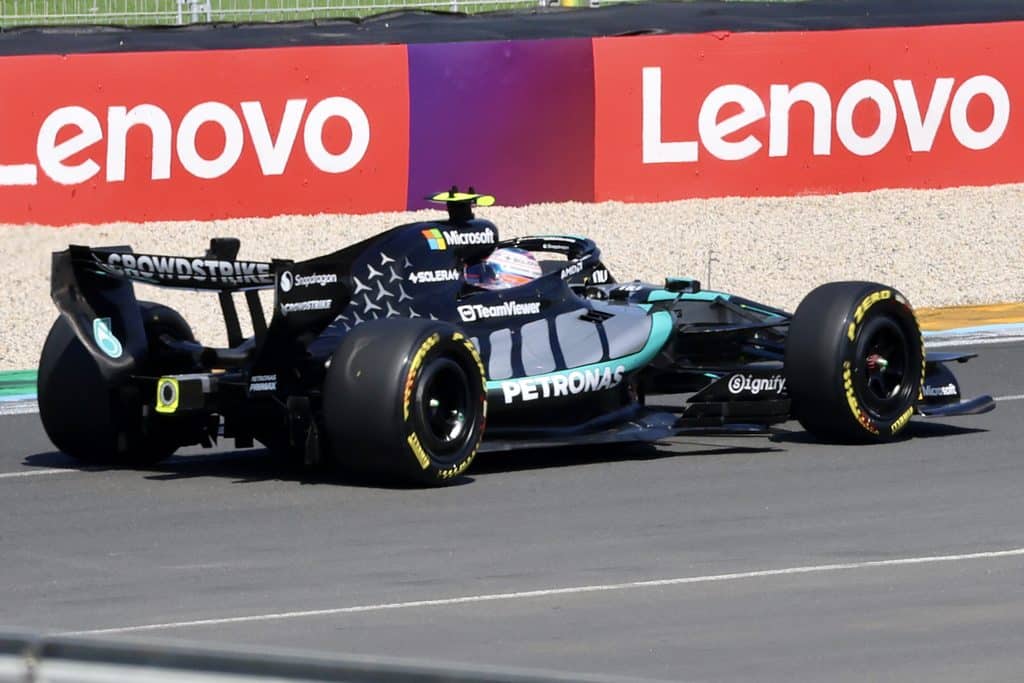
That podium also leaves me with a question: will Kimi become one of the enduring names we talk about alongside Max and Lewis, or will 2026 turn out to be the outstanding year of his career?
He already has a permanent place in the record books as the youngest world champion. What I’m wondering about is sustained greatness: winning again, adapting as the cars and competition change, and remaining a driver who shapes the sport over many seasons.
I don’t think one championship can answer that yet. It gives him a remarkable beginning. I want to see what he builds from it, rather than decide now that he is either a future legend or someone who simply had one great year.
Four races left. How does Kimi finish the season?
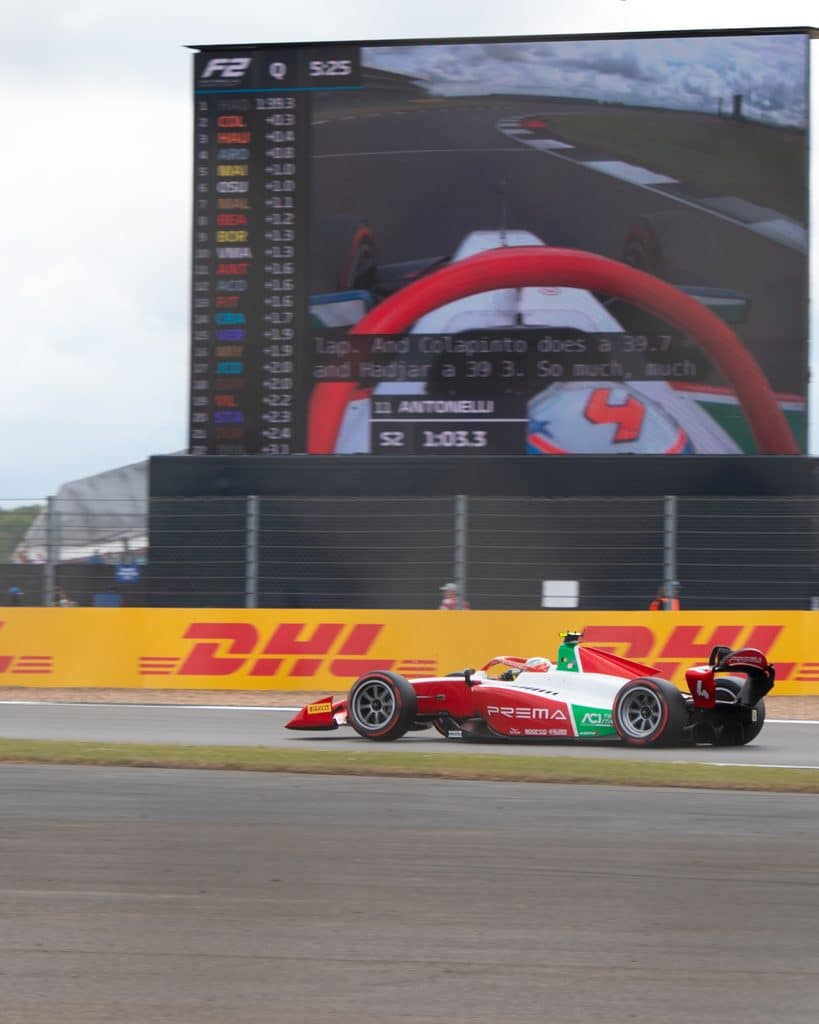
Now I’m curious about what he does with the rest of the year. The season continues with Kimi Antonelli world champion and four Grands Prix remaining on the official 2026 calendar:
São Paulo: November 8.
Las Vegas: November 21.
Qatar: November 29.
Abu Dhabi: December 6.
Does having the title secured let him race more freely? Will we see him take opportunities he might have weighed differently while protecting a championship lead? Or will he keep approaching each weekend in much the same way?
I would not pretend to know how winning a first world championship changes a driver’s mindset. That is part of what makes these next four races interesting to me. With nine Grand Prix victories already, one more would put him into double figures for the season. There is still something to watch beyond the celebrations.
What this changes for my São Paulo weekend
My earlier championship-in-Brazil scenario has been overtaken by the result that made Kimi Antonelli world champion. The São Paulo Grand Prix runs November 6–8, so Antonelli will arrive at Interlagos as the newly crowned champion.
That gives the weekend a different context. It does not take away the reasons I keep going back.
I was at Interlagos in 2024 and 2025. I have written about the rain, the different grandstands and the atmosphere that makes me want to return. My São Paulo Grand Prix travel guide is built around those experiences, including the practical details I care about much more after spending a full weekend at the circuit.
A championship-deciding race would be extraordinary to attend. But I would not want to judge a whole trip by whether that one moment happened on the particular Sunday printed on my ticket. There is still a Grand Prix to enjoy, a city I love exploring, and plenty worth doing once the cars have gone quiet.
As for dinner, the lesson from the earlier post still holds. A title being settled does not make the circuit exit faster, shorten the traffic, or guarantee that an ambitious reservation will work. I still need to leave room for the actual day.
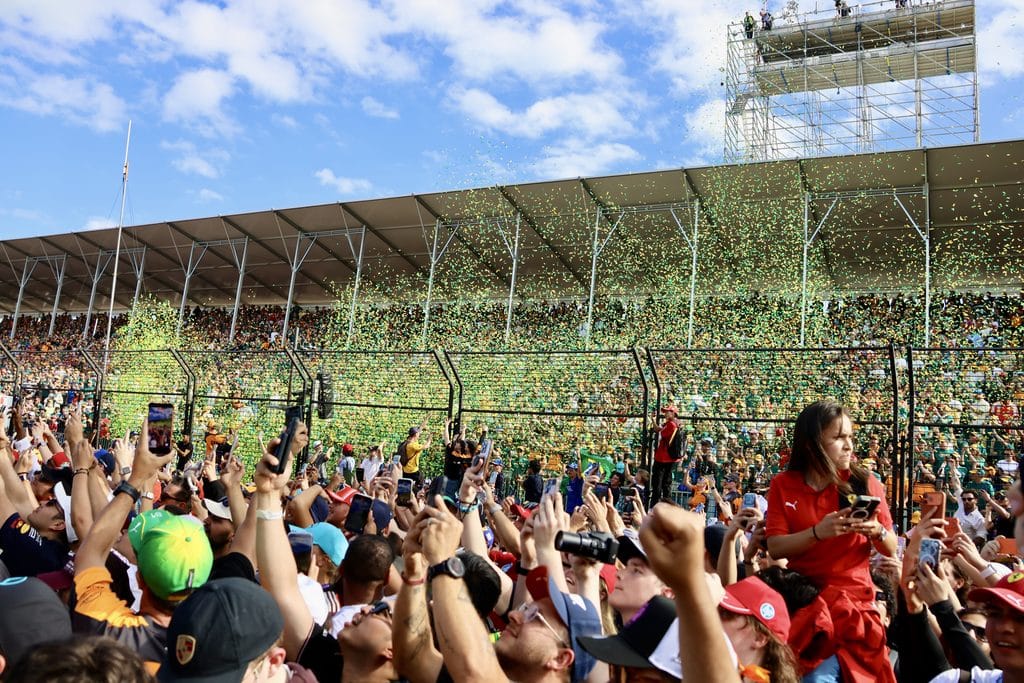
Mexico got the title-clinching moment
Mexico left Kimi Antonelli world champion, Max Verstappen the Grand Prix winner and Lewis Hamilton the runner-up. Keeping those facts straight makes the story stronger, because all three had something significant to show for the afternoon.
São Paulo now gets the next race, with the youngest champion in Formula 1 history on the grid. That is a very different weekend from the hypothetical I wrote about last week, and still a very good reason to be looking forward to Interlagos.
Would a championship already being decided change how you felt about attending the next Grand Prix, or would the race weekend itself still be the main attraction?
Race results and championship facts checked against Formula 1 and FIA sources on November 2, 2026.
Completely Unnecessary. Absolutely Worth It.
Leave a Reply