
São Paulo Travel Guide: The City Beyond the Circuit
Formula 1 brought me here. São Paulo gave me a reason to return.
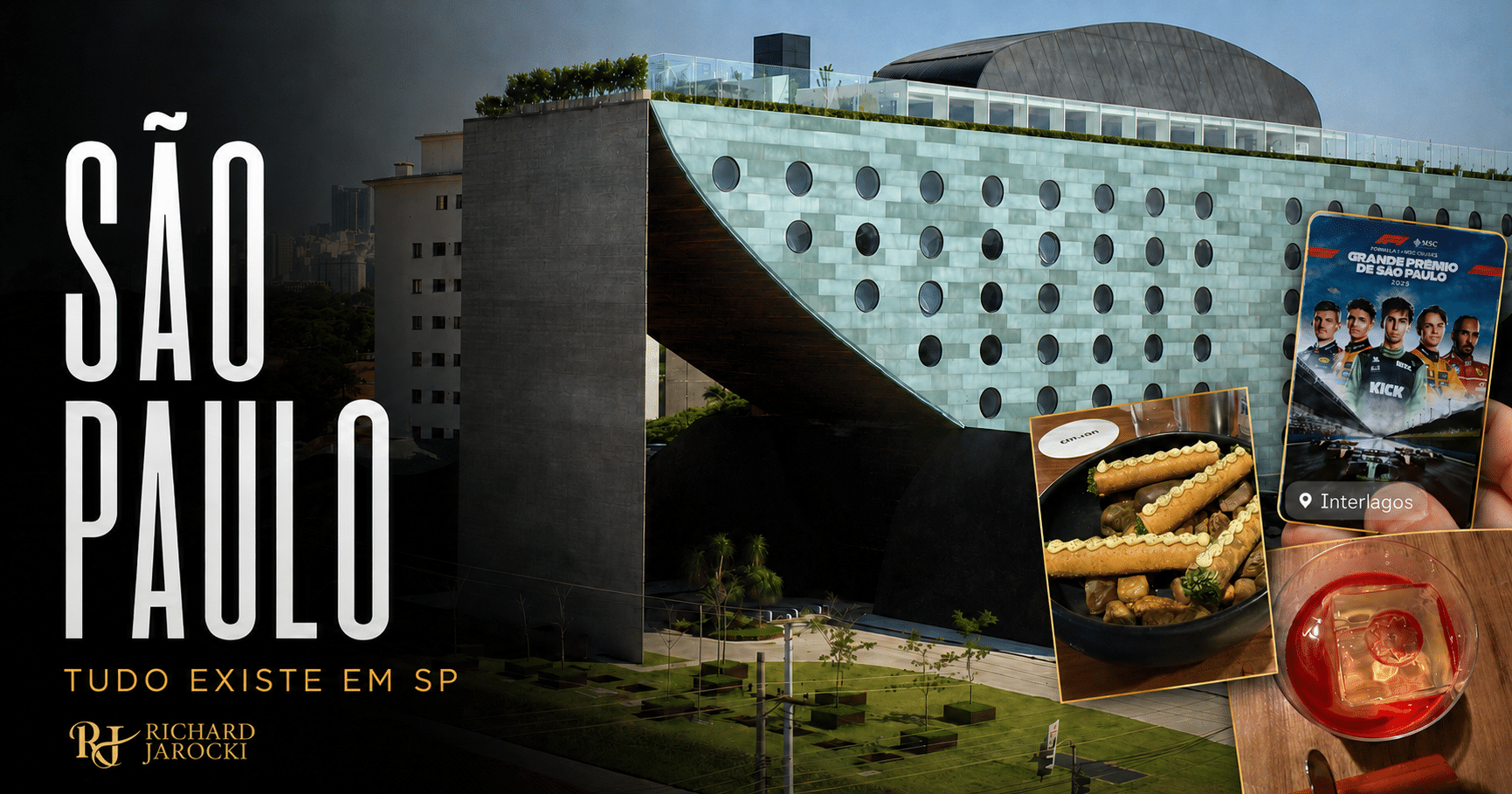
I first traveled to São Paulo for the 2024 Grand Prix. I expected the race to define the trip.
Interlagos delivered everything I hoped for: noise, history, unpredictable weather, passionate Brazilian fans, and the presence of Ayrton Senna everywhere. But when I returned home and looked through my photographs, many of the moments I wanted to relive had happened away from the circuit.
They happened around restaurant tables.
They happened in cocktail bars where the people behind the drinks wanted to explain every ingredient. They happened while moving between neighborhoods that felt like different cities. They happened in hotels where hospitality felt personal rather than rehearsed.
The race brought me to São Paulo. The city changed the way I travel.
That is the perspective behind this guide. This is not an attempt to cover every attraction in one of the largest cities in the world. It is a curated introduction to the places and experiences that help São Paulo make sense: the neighborhoods worth your time, the restaurants that reveal Brazilian ingredients, the hotels that create a real sense of arrival, and the cultural stops that belong between reservations.

TUDO EXISTE EM SP. Everything exists in São Paulo.
The more time I spend here, the more accurate that phrase feels.
Why São Paulo Is Worth the Trip
São Paulo does not seduce travelers in the same way as Rio de Janeiro. There is no beach running along the center of the experience and no single postcard view that explains the city at a glance.
São Paulo asks for more effort.
The city is enormous. Traffic changes every plan. Its best experiences are spread across distinct neighborhoods, and many of its most memorable rooms hide behind understated entrances. You have to research, make reservations, and leave enough space for a recommendation to change the day.
The reward is a city with extraordinary depth.
Brazilian, Italian, Japanese, Lebanese, Portuguese, Indigenous, African, and Latin American influences overlap here in ways that feel natural rather than staged. A tasting menu can introduce ingredients from the Amazon. A neighborhood bar can serve technically ambitious cocktails without losing its energy. A museum visit can lead directly into one of the best lunches of the trip.
São Paulo is not a city to complete. It is a city to keep discovering.
São Paulo at a Glance
Best for: Food-focused travel, cocktail bars, contemporary art, architecture, distinctive hotels, shopping, and Formula 1 weekends.
How long to stay: Three full days for a first visit. Allow at least four or five days if the Grand Prix is part of the trip, and longer for a relaxed city itinerary.
Where to stay: Jardins and the Paulista area for a practical first base; Pinheiros for restaurants and creative energy; Itaim Bibi or Vila Nova Conceição for polished dining and access to Ibirapuera.
Arrival airport: São Paulo/Guarulhos International Airport (GRU). I prefer a pre-arranged executive transfer after an overnight flight. Airport rail is another option; allow for connections and variable road travel times.
Getting around: Plan each day around one or two nearby neighborhoods. App-based rides are useful between areas; repeated cross-city trips can turn a manageable itinerary into a day in traffic.
Food and reservations: Book the meal you care about most before filling the day. Evvai is my first reservation; leave space for neighborhood lunches, cocktails at Tan Tan, and spontaneous discoveries.
Weather and packing: Summer is generally hotter and wetter; winter is cooler and drier. Pack light layers and rain protection, and check the forecast before planning outdoor time or a circuit day.
Everyday essentials: Portuguese is the local language; the currency is the Brazilian real. Cards are common, but some cash is useful. Keep phones and valuables discreet.
Grand Prix planning: Book your hotel, destination dinners, and transport ahead. Interlagos needs its own travel plan, with generous buffers and no tightly timed dinner immediately after the track.
The quick verdict: São Paulo rewards a little planning and a lot of appetite. Give its restaurants, neighborhoods, museums, and hotels time to become the reason for the trip.
São Paulo Travel Guide: The Neighborhoods That Help Explain the City
Jardins
Jardins is one of the easiest areas for a first-time visitor to understand. It combines polished hotels, serious restaurants, international shopping, leafy residential streets, and access to Avenida Paulista.
Rua Oscar Freire runs through the neighborhood’s luxury-shopping core, but Jardins is more useful than a shopping address. It is a strong base because so many excellent restaurants and bars sit within a relatively compact area. If your trip is organized around dining, staying here reduces unnecessary travel and gives the day a more relaxed rhythm.
Pinheiros
Pinheiros is where I would send someone who wants to feel São Paulo’s creative energy through food and drinks. The neighborhood is dense with independent restaurants, cocktail bars, cafés, galleries, and design-focused businesses.
It is also where several of the city’s most interesting culinary experiences come together. A reservation in Pinheiros should rarely be treated as an isolated stop. Arrive early, walk the surrounding streets, have a drink, and allow the neighborhood to become part of the meal.
Vila Madalena
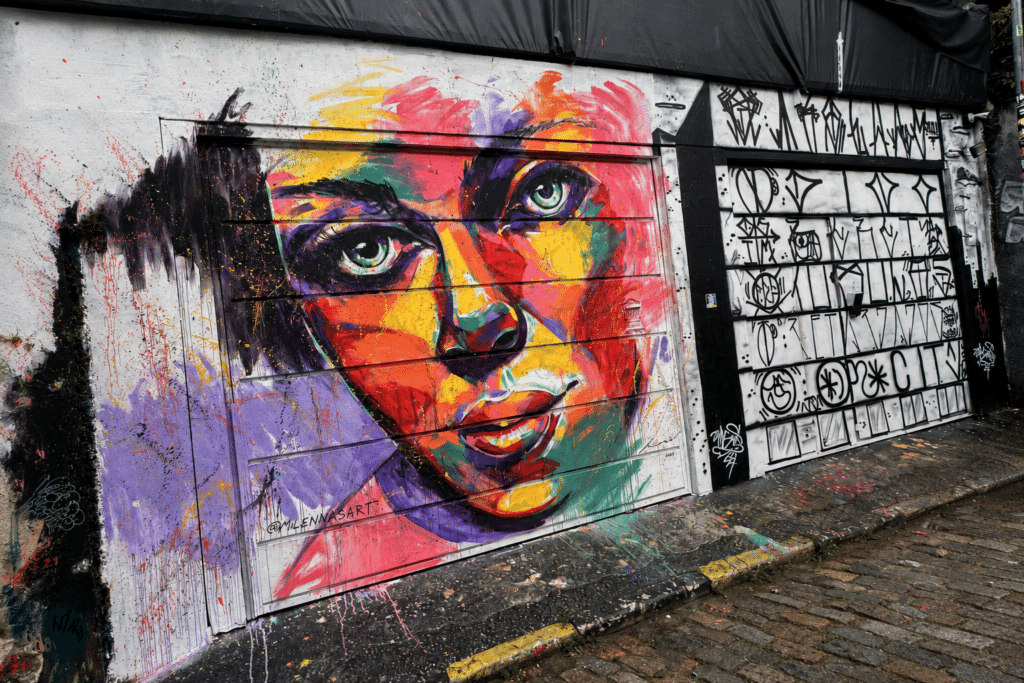
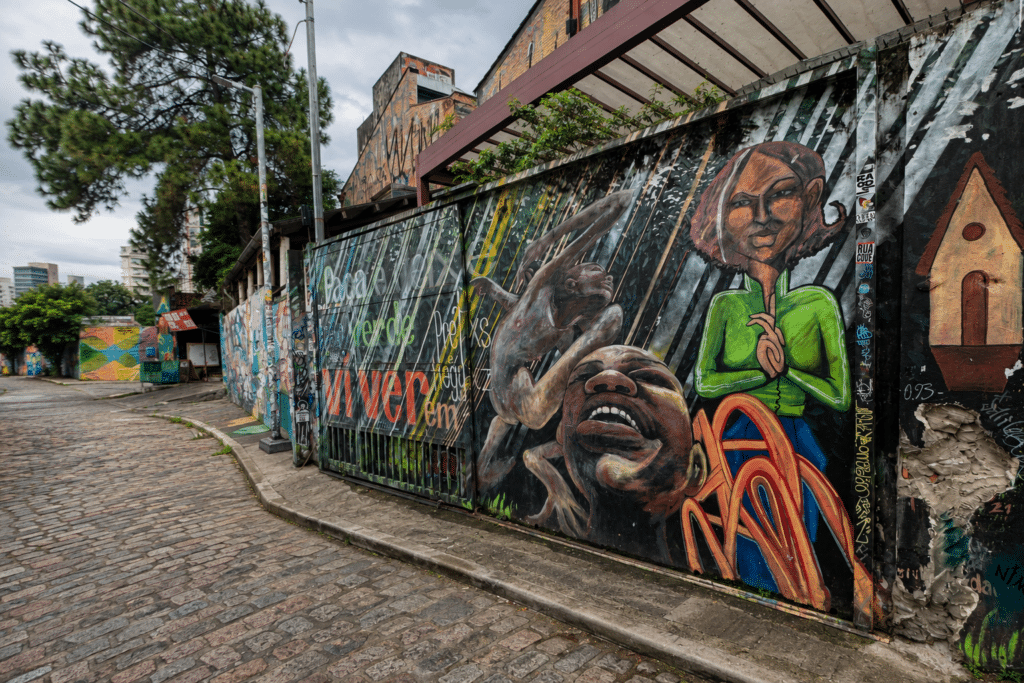
Vila Madalena is closely associated with nightlife and street art. Its best-known visual landmark is Beco do Batman, a constantly changing network of graffiti-covered lanes.
Visit during daylight, preferably when the area is active. The art is the attraction, but the surrounding neighborhood adds context through small shops, cafés, bars, and the relaxed pace of the residential streets nearby.
Liberdade
Liberdade reflects the importance of Japanese immigration to São Paulo and the city’s wider Asian-Brazilian identity. The neighborhood rewards curiosity: markets, bakeries, restaurants, specialty stores, and cultural references sit close together.
It can become crowded, especially on weekends. Go earlier in the day if your priority is exploring rather than joining the busiest street activity.
Itaim Bibi and Vila Nova Conceição
These neighborhoods offer a polished, contemporary version of São Paulo, with luxury hotels, destination restaurants, fashionable bars, and convenient access to Ibirapuera Park.
They work particularly well for travelers who want high service standards and an easy transition between business, dining, and nightlife. They are less visually historic than Centro, but often more practical for a short luxury stay.
São Paulo Travel Guide: Essential Cultural Experiences
Avenida Paulista and MASP
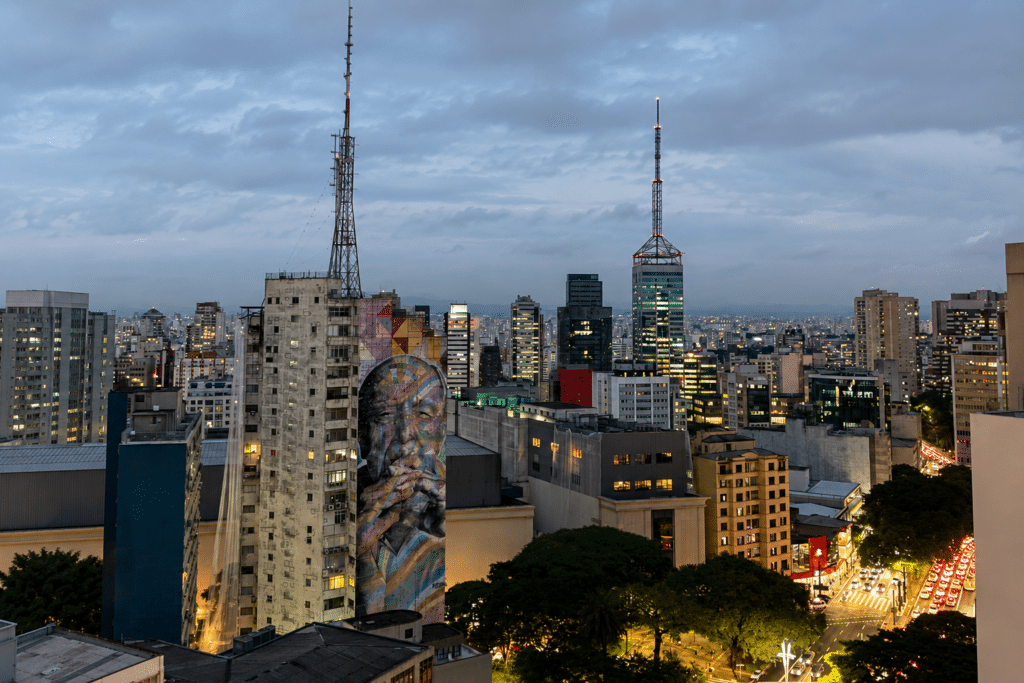
Avenida Paulista is one of the city’s defining urban spaces. Office towers, cultural institutions, shopping, restaurants, and public life all compete for attention along the same corridor.
The essential stop is the Museu de Arte de São Paulo, better known as MASP. Lina Bo Bardi’s building is as important as the collection: a bold structure suspended above an open public span. Inside, the museum’s presentation encourages visitors to move around the art rather than follow a rigid sequence.
My approach: reserve enough time for the museum, then walk part of Paulista rather than treating MASP as a car-to-door visit. Sunday changes the atmosphere when sections of the avenue are commonly given over to pedestrians, cyclists, performers, and families. Confirm current street programming before planning around it.
Ibirapuera Park
Ibirapuera gives São Paulo room to breathe. It combines landscape, modernist architecture, museums, pavilions, monuments, running paths, and everyday local life.
Go in the morning when possible. The park works best when it is not rushed, and it pairs naturally with lunch near Jardins, Vila Nova Conceição, or at Hotel Unique. Architecture travelers should pay attention to the Oscar Niemeyer-designed structures and the relationship between the cultural buildings and Roberto Burle Marx-influenced landscape.
Pinacoteca and Estação da Luz
Pinacoteca de São Paulo is one of the country’s most important art institutions and one of the strongest reasons to include the historic center in a first visit. The museum’s brick architecture, courtyards, and focus on Brazilian art create a different experience from MASP.
Pair it with the nearby Museu da Língua Portuguesa at Estação da Luz when schedules allow. This is an area where I prefer to arrange direct transportation and keep the cultural itinerary deliberate rather than wandering without a plan.
Beco do Batman
Beco do Batman is São Paulo’s best-known open-air street-art destination. The murals change, which means the experience never stays frozen as a single attraction.
Visit in daylight, avoid displaying expensive equipment unnecessarily, and continue into Vila Madalena or Pinheiros rather than leaving immediately after the photographs. The surrounding neighborhoods are what make the stop feel connected to the city.
Mercado Municipal
The Mercado Municipal is visually impressive and offers an introduction to Brazilian produce, spices, preserved foods, and the city’s market culture. It is also heavily visited, and some of its most famous dishes have become attractions in their own right.
Go for the architecture and the sensory experience, not because a famous sandwich must automatically become lunch. Visit during the day, understand prices before ordering, and use arranged transportation if it makes the rest of the itinerary more efficient.
São Paulo Travel Guide: Where São Paulo Becomes a Culinary Destination
Food is the strongest reason I continue returning to São Paulo.
This city can move from an ambitious tasting menu to a casual counter, from Japanese technique to countryside Brazilian cooking, without making either experience feel less important. The best restaurants here are not simply reproducing global luxury. They are using Brazilian ingredients, migration, memory, and regional identity to create something specific to this city.
For more of the meals that keep bringing me back, read my São Paulo restaurant guide.
Evvai
Evvai is my favorite restaurant in the world.
Chef Luiz Filipe Souza’s cooking is built around an idea he describes as Oriundi: the meeting of São Paulo’s Italian heritage with Brazilian ingredients, flavors, and imagination. The result does not feel like Italian food decorated with tropical references. It feels like its own culinary language.
The tasting menu is precise but playful. Courses arrive with storytelling, energy, and collectible illustrated cards that turn the meal into something you continue thinking about after it ends. In 2026, Evvai became one of the first two restaurants in Latin America to receive three Michelin stars, alongside São Paulo’s Tuju.
This is the reservation I make first.
Related story: Why Evvai Is My Favorite Restaurant in the World
Tuju
Tuju offers a more immersive, research-driven expression of Brazilian ingredients. Chef Ivan Ralston builds menus around seasonality and the climatic rhythms of São Paulo state, supported by work with small producers and an in-house research approach.
The restaurant’s three-level setting moves guests through different spaces as the experience develops. In 2026, Tuju joined Evvai in becoming one of Latin America’s first three-Michelin-star restaurants.
This is a destination meal in every sense. Reserve well in advance and protect the evening from competing plans.
D.O.M.
Alex Atala helped change the international conversation around Brazilian gastronomy. D.O.M. remains essential for travelers who want to understand how ingredients from the Amazon and other regions of Brazil entered the global fine-dining conversation.
The restaurant holds two Michelin stars in the 2026 guide. Go because of its importance, its Brazilian point of view, and the chance to experience ingredients that may be unfamiliar—not simply to complete a list of famous restaurants.
Maní
Maní, led by chef Helena Rizzo, balances creativity with warmth. The restaurant is polished without becoming intimidating, and its cooking often gives Brazilian ingredients a lighter, highly personal expression.
It is a useful recommendation for travelers who want Michelin-starred cooking in a setting that still feels relaxed and connected to the neighborhood.
Nelita
Nelita feels like a love letter to Italian cooking, signed in São Paulo ink.
I visited in January 2025 and found a restaurant that felt both cozy and refined. Chef Tássia Magalhães uses Italian technique as a foundation, then gives the food a distinctly Brazilian identity through local ingredients and flavors connected to her roots in the Vale do Paraíba.
The pão de queijo gougère immediately established the restaurant’s point of view. Pumpkin cappelletti, eggplant and smoked-tomato ravioli, and beef tongue with polenta showed how comfort and precision can coexist. A passionfruit sorbet brought freshness at exactly the right moment. The wine pairings were intelligent and emotionally attuned to the food rather than selected only to impress on paper.
Nelita is recognized by the 2026 Michelin Guide and ranked No. 12 on Latin America’s 50 Best Restaurants list for 2025. The recognition matters, but the reason I would return is more personal: the restaurant has warmth, identity, and a clear story to tell.
Metzi
Metzi creates a culinary dialogue between Mexico and Brazil. Chefs Luana Sabino and Eduardo Ortiz use Mexican traditions, corn-based techniques, fire, and contemporary presentation alongside Brazilian produce and ingredients.
This is not a conventional Tex-Mex restaurant and should not be approached as one. The cooking is more precise, personal, and rooted in the chefs’ combined backgrounds: Ortiz is from Oaxaca, while Sabino is from São Paulo. Their partnership allows the menu to connect two countries without flattening either cuisine into a generic idea of Latin American food.
I dined at Metzi and found the space relaxed and welcoming, with the feeling of a neighborhood restaurant even as the cooking reached far beyond the familiar. Pork belly tacos with fermented chili, seafood tostadas, smoky and acidic flavors, and agave-forward cocktails showed how confidently the kitchen moves between Mexican heritage and Brazilian ingredients. I also had the opportunity to meet chef Eduardo Ortiz and enjoyed his energy and our conversation.
Metzi is included in the 2026 Michelin Guide and ranked No. 56 on the extended Latin America’s 50 Best Restaurants list for 2025. Recognition aside, my impression is simpler: Metzi is a heartfelt conversation between Mexico and Brazil, plate by plate.
Tan Tan
Tan Tan is both a restaurant and one of São Paulo’s essential cocktail destinations. Thiago Bañares approaches it as a modern izakaya, combining Japanese-influenced food with a drinks program that is every bit as ambitious as the kitchen.
I have experienced firsthand the quality, innovation, and attention to detail behind Tan Tan. The Spring Rolls Royce, filled with tuna tartare, captured the kitchen’s playful side, while the Tsukemono cocktail combined Don Julio Blanco tequila, wasabi, cucumber, and orange bitters in a drink that was savory, fresh, and unmistakably its own.
The room has a lively but intimate energy. A soundtrack built around 1990s hip-hop—Nas, A Tribe Called Quest, and Wu-Tang Clan—gives the evening personality without making the music feel like decoration. Tan Tan is the kind of place that works for dinner, cocktails, or both, and I make a point of returning to at least one of Bañares’s venues whenever I am in São Paulo.
A Casa do Porco
A Casa do Porco is one of the clearest expressions of how São Paulo can deliver serious, internationally recognized cooking without traditional fine-dining theater.
Chef Jefferson Rueda builds the restaurant around pork, whole-animal cooking, Brazilian identity, and close control of sourcing. The room is lively, the presentations can be playful, and the experience feels culturally specific rather than designed to imitate luxury somewhere else.
Plan ahead. Prime-time walk-ins can involve a long wait.
Related story: A Casa do Porco: Is São Paulo’s Famous Pork Restaurant Worth It?
Kotori
Kotori brings Japanese yōshoku influence together with Brazilian ingredients in Pinheiros. It is compact, contemporary, and especially useful for travelers who want a meal that reflects São Paulo’s Japanese heritage without defaulting to a conventional sushi experience.
The Michelin Guide recognizes Kotori with a Bib Gourmand in its 2026 selection.
São Paulo Travel Guide: Cocktail Bars and After-Dinner São Paulo
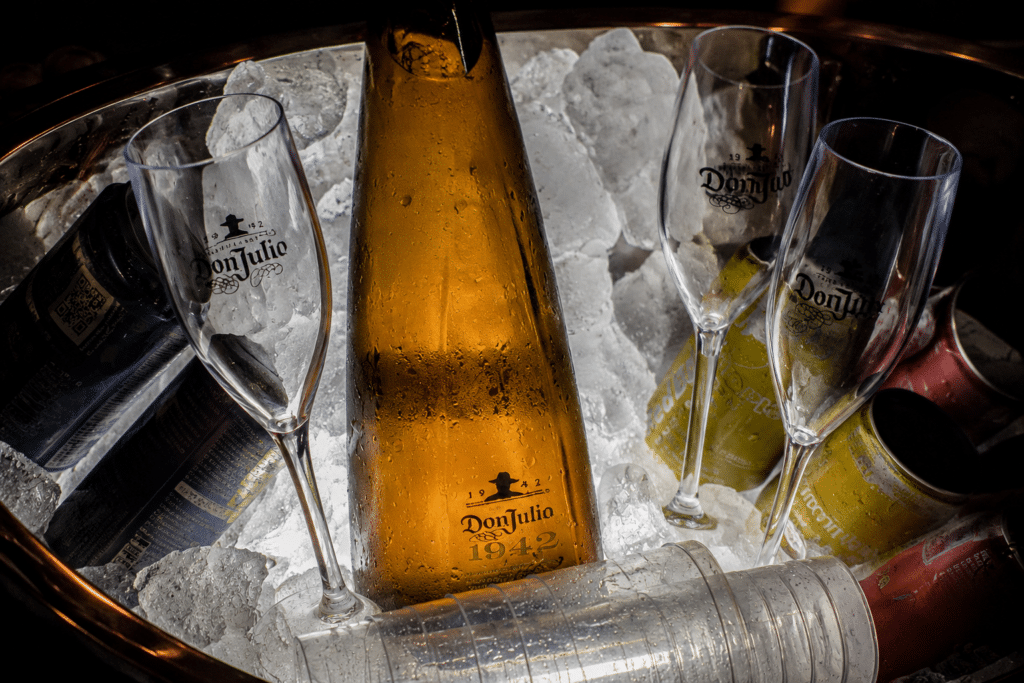
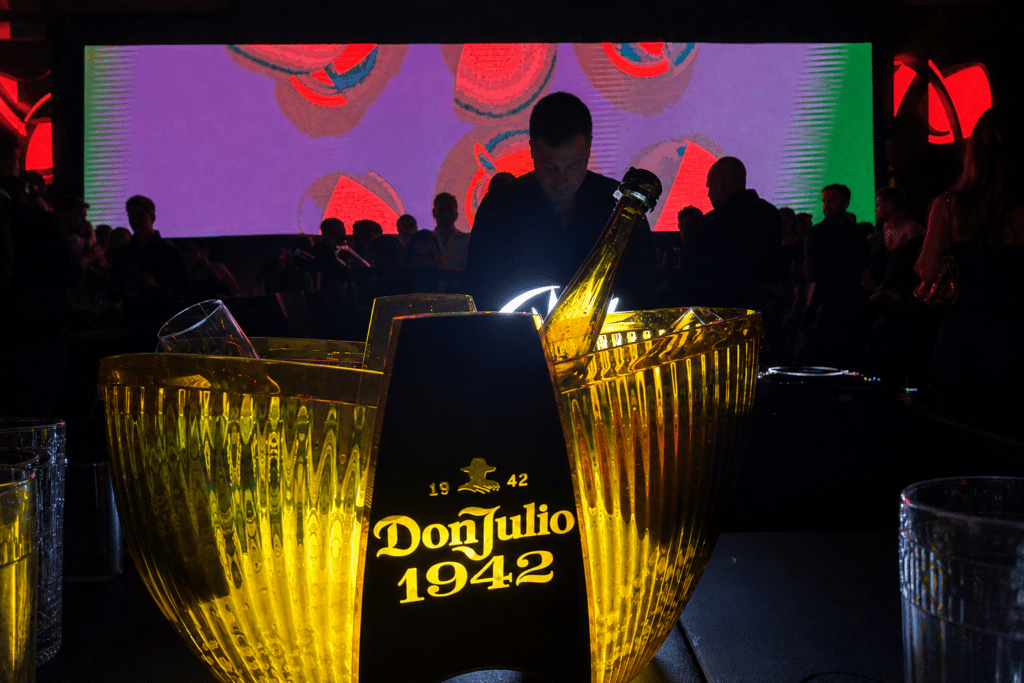
São Paulo’s cocktail scene deserves the same attention as its restaurants. The best bars are not simply places to fill time after dinner. They are part of the destination.
Tan Tan
Tan Tan combines an energetic room, Japanese-influenced food, and one of the city’s most internationally recognized cocktail programs. It ranked No. 24 on The World’s 50 Best Bars list for 2025.
As described in the dining section, Tan Tan works as far more than a late-night stop. It can anchor an entire evening in Pinheiros when food and drinks are planned together.
Skye at Hotel Unique
Skye is the rooftop experience to choose when the view matters. Hotel Unique’s architecture already creates a sense of arrival; the rooftop adds a broad look across the São Paulo skyline.
Go near sunset when possible, but reserve in advance. The setting is the reason to visit, and timing determines how much of it you actually experience.
Rabo di Galo at Rosewood São Paulo
Rabo di Galo gives the hotel-bar experience a Brazilian identity. It is polished, musical, and connected to the wider Cidade Matarazzo atmosphere rather than feeling like an interchangeable luxury lounge.
This is an easy recommendation before or after dinner near Paulista and Jardins, particularly for travelers already staying at Rosewood.
São Paulo Travel Guide: Where to Stay
Across my São Paulo trips, I have stayed at eight very different hotels: Rosewood São Paulo, Hotel Fasano São Paulo in Jardins, Renaissance São Paulo Hotel, InterContinental São Paulo, Tivoli Mofarrej São Paulo, Hotel Unique, W São Paulo, and Palácio Tangará. Each solves a different kind of trip—Rosewood for a complete luxury environment; Fasano for discreet Italian-rooted hospitality; Renaissance, InterContinental, and Tivoli for convenience near Avenida Paulista; Hotel Unique for design and access to Ibirapuera Park; W for a contemporary, social stay in Vila Olímpia; and Palácio Tangará for a resort-like retreat surrounded by greenery.
Rosewood São Paulo
Rosewood is the strongest choice for travelers who want the hotel itself to become part of the destination. Located within Cidade Matarazzo near Avenida Paulista, it brings together preserved architecture, contemporary art, restaurants, bars, gardens, and Jean Nouvel’s vertical-tower design.
Stay here for the complete environment and high-touch hospitality. Even if you are not a guest, Le Jardin, Rabo di Galo, and the wider property are worth considering as part of an afternoon or evening.
Hotel Fasano São Paulo — Jardins
I stayed at the original Hotel Fasano São Paulo in Jardins in January 2025. This distinction matters now that the brand also operates a separate Fasano São Paulo Itaim property.
The Jardins hotel is intimate and deliberately understated, with 60 accommodations and design by Isay Weinfeld and Márcio Kogan. Its location near Rua Oscar Freire makes it especially useful for travelers who want restaurants, galleries, and luxury shopping within a more walkable part of the city.
Fasano’s identity is inseparable from food and music. The formal Fasano restaurant represents the family’s Italian fine-dining tradition; Nonno Ruggero offers a more relaxed trattoria setting; and Baretto is the hotel’s intimate piano and jazz bar. Choose Fasano when privacy, atmosphere, and the ritual of returning to a smaller hotel matter more than a large collection of resort-style facilities.
Renaissance São Paulo Hotel
Renaissance was the practical base of the three hotels I experienced during the 2024 Grand Prix trip. It sits in Jardins, steps from Avenida Paulista and within easy reach of MASP, Rua Oscar Freire, restaurants, and city transportation.
It does not have the architectural drama of Hotel Unique or the self-contained luxury world of Rosewood. Its strength is location. For travelers who plan to spend most of the day exploring and want a comfortable, internationally familiar hotel in one of the city’s most useful neighborhoods, Renaissance makes the logistics easier.
InterContinental São Paulo
I have also stayed at InterContinental São Paulo, another strong location-first option near Avenida Paulista. The hotel sits on Alameda Santos, within practical reach of MASP, Trianon Park, Jardins dining, and the city’s major commercial corridor.
InterContinental offers a more traditional expression of luxury than Rosewood, Hotel Unique, or W. That familiarity can be an advantage during a demanding itinerary or Formula 1 weekend: the hotel provides a calm, full-service base while much of the city experience happens outside its doors.
Tivoli Mofarrej São Paulo
I stayed at Tivoli Mofarrej São Paulo in January 2025. Located in Jardins one block from Avenida Paulista, the hotel combines the practical location of a business-oriented luxury property with a stronger food, nightlife, and wellness component.
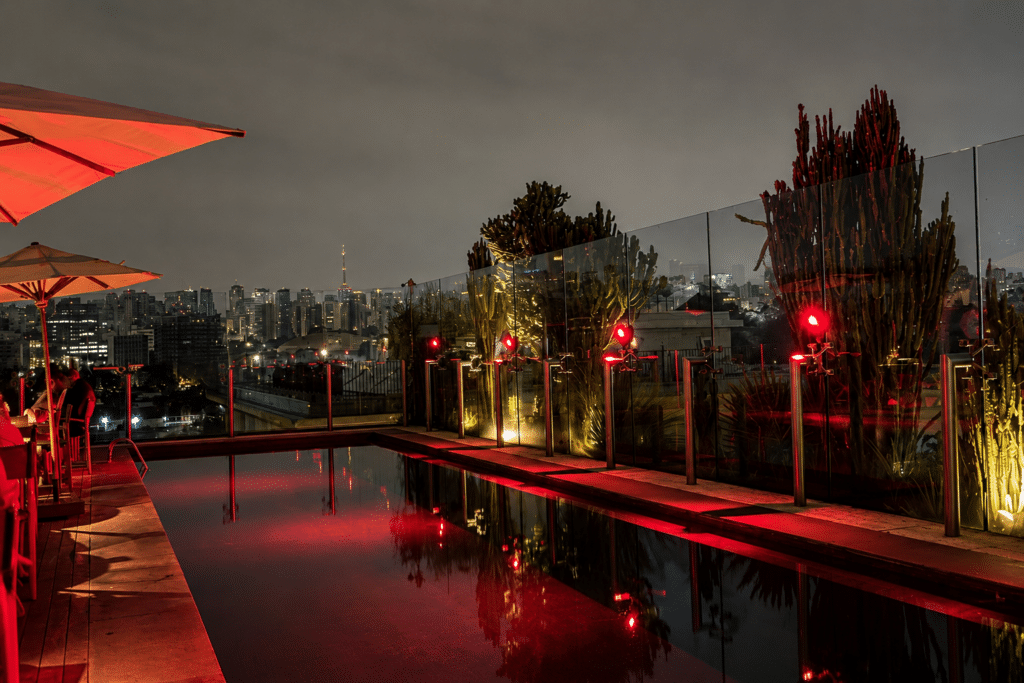
Its most recognizable feature is the view from the upper floors. The hotel rises above the neighborhood, while SEEN São Paulo turns the rooftop into a destination for dinner, cocktails, music, and a wide view across the city. The property also includes an outdoor pool and Anantara Spa.
Tivoli works well for travelers who want to stay near Paulista and MASP but still want a hotel with its own evening energy. It is a different proposition from Fasano’s discretion or Rosewood’s immersive design: larger, more vertical, and closely connected to the pace of the city below.
Hotel Unique
Hotel Unique is the design choice. Ruy Ohtake’s curved building is one of the city’s most recognizable works of contemporary architecture, and the circular windows make the rooms feel unlike those in a conventional luxury hotel.
The location near Ibirapuera Park works well for travelers who want access to Jardins and Vila Nova Conceição. Skye adds the rooftop view that turns the hotel into a destination even for non-guests.
W São Paulo
W São Paulo is the most contemporary and nightlife-oriented of the hotels I have experienced in the city. Located in Vila Olímpia, it places guests near the Faria Lima business district, JK Iguatemi, Parque do Povo, restaurants, and a more modern side of São Paulo.
The social experience moves upward through the building. BAIO Cozinha Sulista brings Southern Brazilian flavors to the 23rd floor; Yōso Bar e Café adds Japanese-inspired mixology; and L40 Cozinha de Latitude combines rooftop dining, music, and broad skyline views on the 40th floor. Choose W when the hotel’s bars, restaurants, design, and after-dark energy are meant to be part of the trip rather than simply a place to sleep.
Palácio Tangará
I have also stayed at Palácio Tangará, the escape from the city without leaving it. Surrounded by the greenery of Burle Marx Park, the hotel offers a slower, more private atmosphere than properties closer to Paulista.
Choose it for resort-like calm, spacious accommodations, a serious spa experience, and access to Tangará Jean-Georges. The tradeoff is distance: this is not the most efficient base for a tightly scheduled restaurant itinerary across Jardins and Pinheiros.
São Paulo Travel Guide: Formula 1 at Interlagos
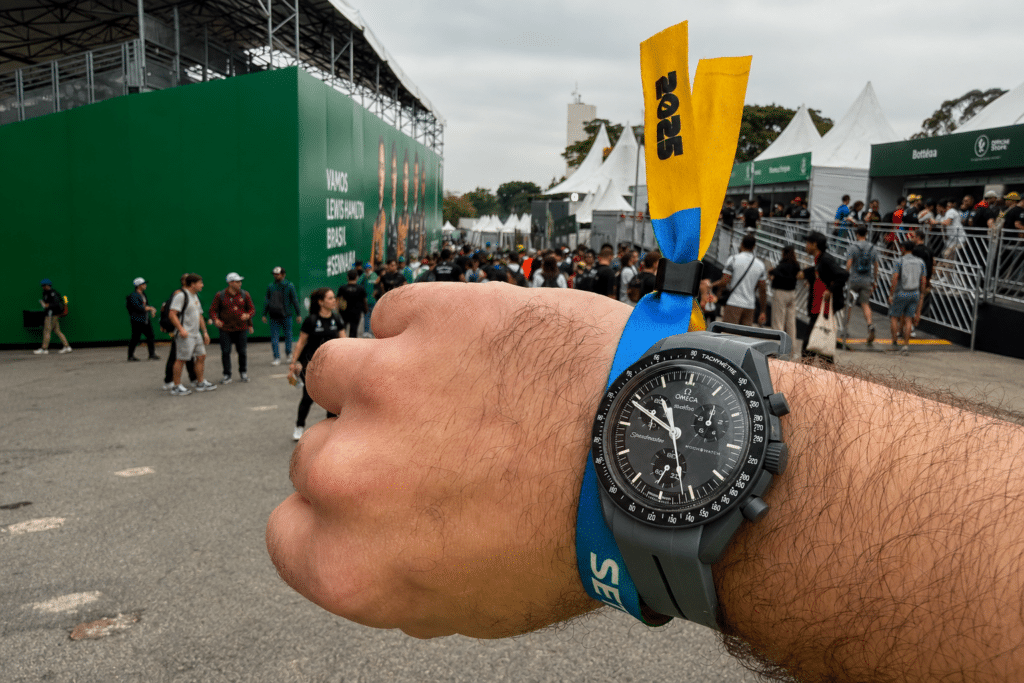
The São Paulo Grand Prix is not simply another race on the calendar. Interlagos carries history, emotion, elevation changes, fast weather shifts, and a crowd that understands the sport deeply.
Officially named Autódromo José Carlos Pace, the circuit is 4.309 kilometers long and runs counterclockwise. Formula 1’s race distance covers 71 laps, but the numbers do not explain why the weekend feels different.
Brazilian motorsport history is present everywhere. Ayrton Senna’s legacy is part of the city, not just the circuit branding. The crowd reacts to every change in the race, and the compact layout keeps much of the action feeling close.
The key to planning is accepting that Interlagos sits well south of the neighborhoods where many visitors stay and dine. Do not schedule a tightly timed luxury dinner immediately after a major circuit session. Build in a real buffer for crowds, security, transportation, weather, and the possibility that you will want to stay longer than expected.
For the race weekend itself, my São Paulo Grand Prix travel guide covers my experiences in Grandstands G and N, getting to and from Interlagos, preparing for rain, and leaving enough time for dinner afterward.
How I Would Plan Three Days in São Paulo
Day One: Paulista, Jardins, and a Destination Dinner
Begin with Avenida Paulista and MASP, then move into Jardins for a relaxed lunch or time along Rua Oscar Freire. Return to the hotel before dinner rather than filling the afternoon with another major attraction.
Make Evvai the centerpiece of the evening. A tasting menu of this scale should be the plan, not the final item on an exhausting checklist.
Day Two: Ibirapuera, Architecture, and the Skyline
Start at Ibirapuera Park while the day is cooler and the paths are less crowded. Continue with lunch near Vila Nova Conceição or at one of the city’s design hotels.
Use the late afternoon to reset, then have a rooftop drink at Skye near sunset. Continue to dinner in Jardins, Itaim Bibi, or Pinheiros depending on the reservation.
Day Three: Pinheiros, Vila Madalena, and Cocktails
Visit Beco do Batman during daylight and allow time for the surrounding streets of Vila Madalena. Move into Pinheiros for lunch, cafés, shops, or galleries rather than crossing the city unnecessarily.
Build the evening around a Pinheiros restaurant and finish at Tan Tan. This is the day when the neighborhood itself should connect the experiences.
Alternative cultural day: Replace the Pinheiros morning with Pinacoteca and the Museu da Língua Portuguesa, using direct transportation and confirming current museum schedules before departure.
Practical São Paulo Travel Advice
Transportation
For a first visit, I prefer a pre-arranged executive transfer from Guarulhos International Airport, especially after an overnight flight. App-based rides are widely used in the city, while the official airport rail connection is an option for travelers comfortable navigating the broader train and metro network.
Within São Paulo, organize days by neighborhood. Crossing the city repeatedly wastes time and makes reservations harder to manage. During the Grand Prix, transportation requires its own plan; normal drive-time assumptions do not apply around Interlagos.
Reservations
Reserve destination restaurants before building the sightseeing schedule. Evvai, Tuju, D.O.M., and other tasting-menu restaurants can define an entire evening. Confirm menus, dietary policies, cancellation terms, and current pricing directly with each restaurant.
Rooftop bars and hotel restaurants also deserve reservations during race week and major city events.
Safety and Awareness
São Paulo should be experienced with awareness, not fear. Keep phones and expensive items discreet on busy streets, use direct transportation at night or in unfamiliar areas, and avoid displaying watches, jewelry, or camera equipment unnecessarily.
The United States currently advises travelers to exercise increased caution in Brazil because of crime and kidnapping. Conditions vary by area, so review current official travel advice before departure and ask the hotel or a trusted local contact about the day’s route.
Language and Payments
Portuguese is the language of daily life. English is common in many luxury hotels and internationally oriented restaurants, but it should not be assumed everywhere. Learning a few Portuguese phrases improves the experience and shows respect.
Cards and contactless payments are common. Carrying a modest amount of Brazilian reais is still useful for smaller purchases, tips where appropriate, and situations where a foreign card does not process.
Timing
Do not overbook São Paulo. The city is better when each day has one cultural anchor, one neighborhood focus, and one important meal.
Leave room for the bartender’s recommendation, the chef who wants to explain an ingredient, or the friend who tells you about a place you had never considered.
That is usually where the best part of the trip begins.
Quick Reference: Addresses to Save
Always confirm the current entrance, reservation instructions, and operating hours before leaving the hotel.
| Place | Address |
|---|---|
| MASP | Avenida Paulista, 1578, Bela Vista |
| Pinacoteca — Pina Luz | Praça da Luz, 2, Luz |
| Ibirapuera Park | Avenida Pedro Álvares Cabral, s/n; use the entrance closest to the day’s itinerary |
| Evvai | Rua Joaquim Antunes, 108, Pinheiros |
| Tuju | Rua Frei Galvão, 135, Jardim Paulistano |
| D.O.M. | Rua Barão de Capanema, 549, Jardins |
| Maní | Rua Joaquim Antunes, 210, Jardim Paulistano |
| Nelita | Rua Ferreira de Araújo, 330, Pinheiros |
| Metzi | Rua João Moura, 861, Pinheiros |
| A Casa do Porco | Rua Araújo, 124, República |
| Kotori | Rua Cônego Eugênio Leite, 639, Pinheiros |
| Tan Tan | Rua Fradique Coutinho, 153, Pinheiros |
| Rosewood São Paulo | Rua Itapeva, 435, Bela Vista |
| Hotel Fasano São Paulo — Jardins | Rua Vittorio Fasano, 88, Jardins |
| Renaissance São Paulo Hotel | Alameda Santos, 2233, Jardim Paulista |
| InterContinental São Paulo | Alameda Santos, 1123, Jardim Paulista |
| Tivoli Mofarrej São Paulo | Alameda Santos, 1437, Jardim Paulista |
| Hotel Unique / Skye | Avenida Brigadeiro Luís Antônio, 4700, Jardim Paulista |
| W São Paulo | Rua Funchal, 65, Vila Olímpia |
| Palácio Tangará | Rua Deputado Laércio Corte, 1501, Panamby |
Final Perspective
São Paulo taught me that a destination does not need to reveal itself immediately to become unforgettable.
Sometimes the best cities require research. They ask you to understand their neighborhoods, respect their scale, and look beyond the attractions that appear on every list.
What I found here was a city operating at an extraordinary culinary level, with creative cocktail bars, meaningful art, distinctive hotels, and people who made every experience feel personal.
Formula 1 gave me the original reason to visit.
Food gave me a way to understand the city.
The people gave me a reason to keep returning.
São Paulo is not a stop between the airport and Interlagos. It is the destination.