
Follow me on Instagram @Richard.Jarocki for more restaurant experiences, cocktails, travel and Formula 1 adventures—including my next trip to São Paulo.
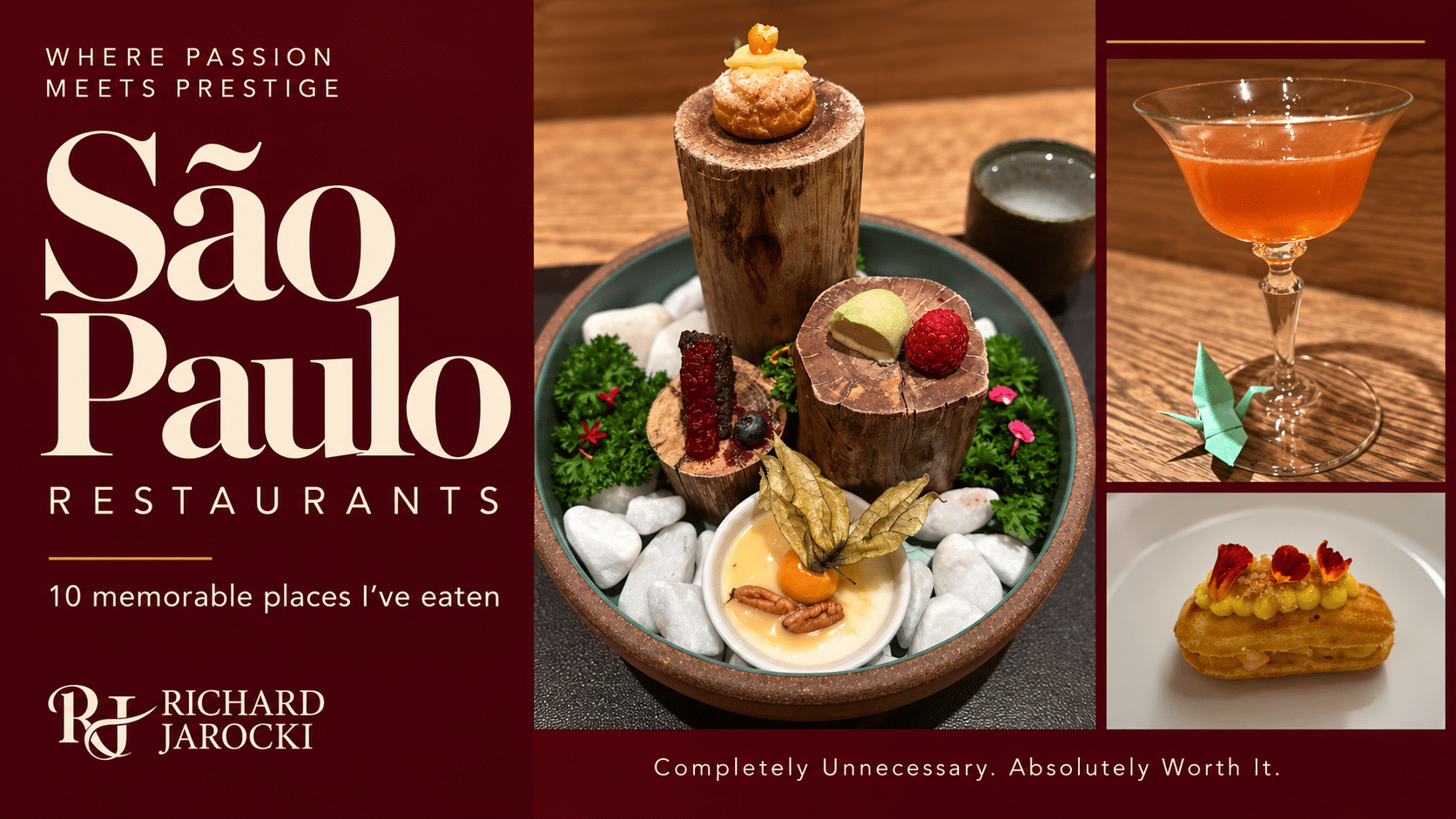
São Paulo Restaurants: 10 Memorable Places I’ve Eaten
Updated September 2026
When I first wrote about São Paulo restaurants, this article covered four places. I’ve spent a lot more time eating in the city since then, and that original list no longer tells the whole story.
Formula 1 brought me to São Paulo in 2024. The food became one of the reasons I kept returning. My reservations now get as much attention as my race tickets, sometimes more. Evvai alone has become a reason to get on a plane.
What keeps me interested is the range. I can spend an evening following a tasting menu, another working through cocktails and Japanese-inspired food, and another discovering how Mexican traditions and Brazilian ingredients fit together. Each meal gives me a different reason to come back.
These are ten places from my own dining experiences. They serve different purposes, so this isn’t a ranking from best to worst. Evvai is my personal favorite, but choosing dinner also depends on the kind of evening you want. Kazuo was my first meal in São Paulo, and it opened my eyes to how much there was to discover.
1. Evvai: My Favorite Restaurant in the World
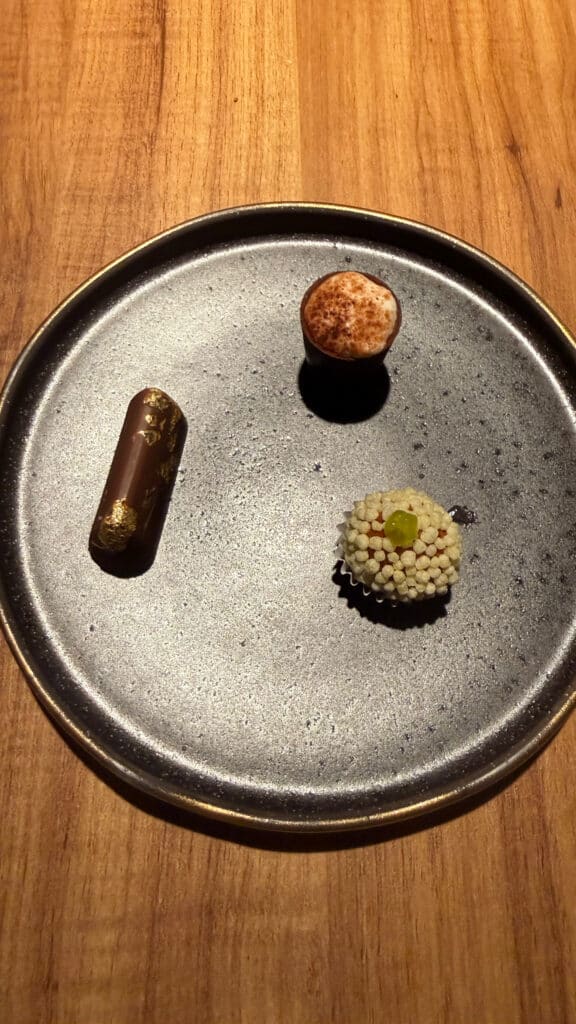
Evvai is the easiest recommendation on this list for me to explain: it is my favorite restaurant in the world.
In April 2026, Evvai earned its third Michelin star. Seeing that recognition go to a restaurant that means so much to me was particularly satisfying. In my opinion, it is thoroughly deserved.
Chef Luiz Filipe Souza and his partner, pastry chef Bianca Mirabili, are central to what makes Evvai special. Partners in life and in the kitchen, both deserve recognition for the creativity and precision they bring to the experience.
The food gives me plenty to talk about, but the personality keeps the experience with me. The illustrated course cards, the explanations from the team and the playful presentations make dinner feel like something I’m participating in. I still have the cards from my visits.
There is a wonderful balance between the fun at the table and the almost military precision in the kitchen. You can laugh, ask questions and enjoy yourself while watching a team work with extraordinary concentration. The timing, coordination and attention to detail are serious.
Yes, chef.
Dishes such as duck tortellini with eel and tucupi, and the green corn ice cream cone with caviar, show how much imagination goes into the cooking. The playful presentations draw you in, and the flavors give you something to remember. These are examples from my visits; the menu continues to evolve.
I’m going back in November, and that reservation is one of the parts of the trip I’m most looking forward to. Evvai has become a reason to return to São Paulo all on its own.
Read why Evvai is my favorite restaurant in the world.
2. Tuju: A Temple of Gastronomy and Couture
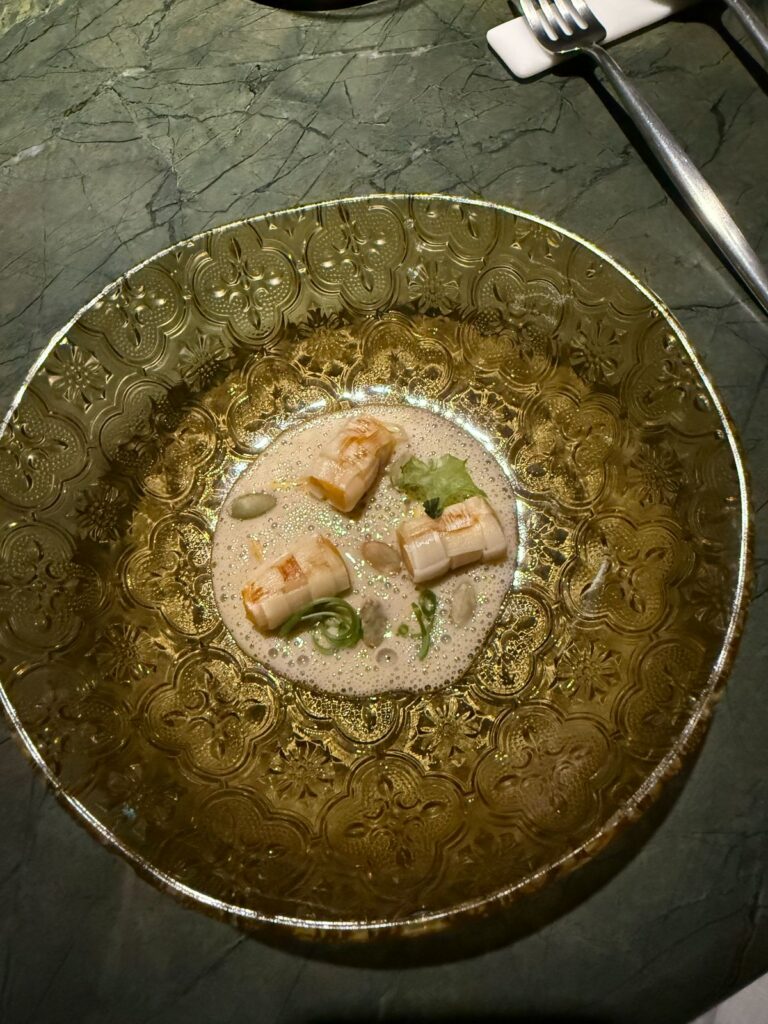
Tuju felt like a temple of gastronomy and couture to me—a place where the care given to the food and its presentation became part of the experience itself. In a city I feel is too often misrepresented, it showed me another side of São Paulo’s creativity and sophistication.
My January 2025 visit centered on the Rain Season menu. Oyster, yellowtail, crab, tomato, lamb and mango formed part of a meal with a clear seasonal identity. The presentation was sleek and precise, and the menu gave the evening a sense of purpose.
Chef Ivan Ralston and his wife, Katherina Cordás, Tuju’s director of hospitality and research, bring an extraordinary combination of knowledge and care to the restaurant. Their understanding of ingredients and seasonality feels scientific in its precision. They give that same attention to hospitality, and for me, the way they look after their guests is every bit as impressive as the cooking.
Couture is the word that comes to mind for the attention to detail: individual dishes carefully composed within a larger experience. That care extends beyond the plate to how the evening feels. It is how I remember Tuju, and why it deserves an evening of its own.
When Tuju received its third Michelin star in April 2026, I wasn’t surprised. Having experienced the restaurant, that recognition made complete sense to me. Its Art of Hospitality Award from The 50 Best Restaurants 2026, announced in September, feels equally deserved. Ivan, Katherina and their team understand how much the people looking after you contribute to a memorable meal.
Restaurants like this are part of why I wish more people would look beyond their assumptions about São Paulo. There is a depth of gastronomy here that has made the city a destination I return to with real anticipation.
Read more about my January 2025 meal at Tuju.
Read my comparison of Evvai and Tuju.
3. D.O.M.: Tasting Brazil and Understanding It a Little Better
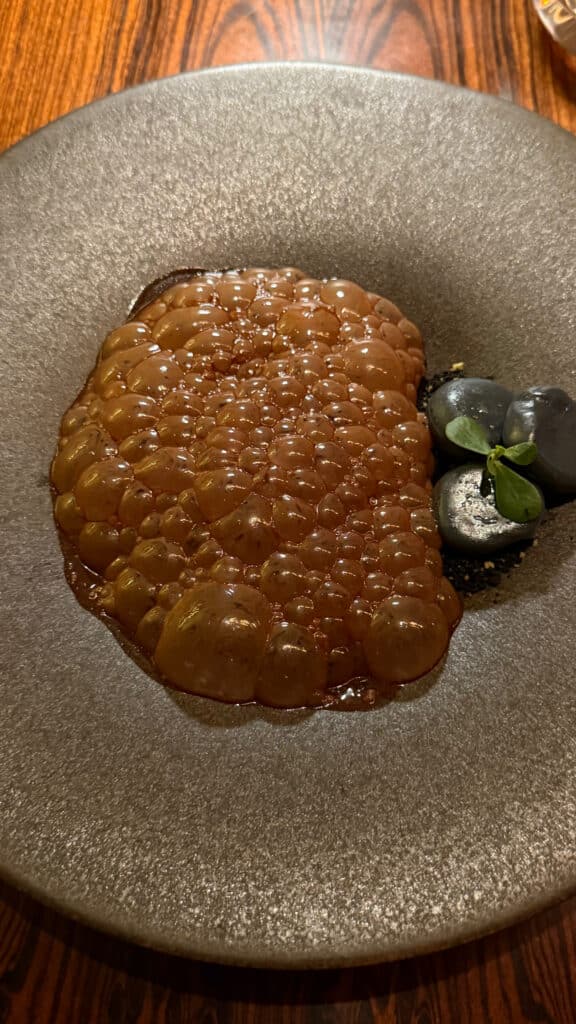
Eating at D.O.M. helped me understand why Alex Atala has been such an influential figure in Brazilian fine dining. The restaurant opened in 1999 and has held two Michelin stars since 2015. That kind of longevity carries weight, and my meal gave me a clearer appreciation of the work behind it.
The foundation is research into Brazil’s ingredients, biodiversity and food traditions. Atala and chef Geovane Carneiro develop the menus through exploration of the country’s different regions and biomes, working with producers and learning about the places those ingredients come from.
As a diner, you get to taste some of that discovery. An unfamiliar ingredient becomes a reason to ask questions, hear its story and understand a little more about Brazil. That is a big part of why I travel to eat.
I ate insects at both D.O.M. and Metzi during the same weekend. Those meals pushed me beyond familiar choices and reminded me how much there is to discover when I’m willing to try something different. Ingredients I might never have sought out became part of meals I still remember.
And the food was deeply satisfying. The research and explanations gave it context, while the flavors made the experience worth remembering. I could learn something about the country and enjoy an exceptional dinner at the same time.
D.O.M. broadened my understanding of what Brazilian cooking can be. After eating there, I could appreciate why Atala’s work has earned so much recognition—and why this restaurant has remained relevant for so long.
4. Nelita: Talent, Humility and a Meal Worth Remembering
My January 2025 meal at Nelita was one of the best I’ve had in São Paulo. Sitting at the counter directly in front of the kitchen made it even more memorable. Watching the team work, I could see the care that went into every plate.
Chef Tássia Magalhães left as much of an impression as her cooking. I’ve never met someone who combines so much talent with so much humility. Her love of cooking and flavor comes through in the food, and her warmth makes you feel comfortable in a restaurant doing work at this level.
The pão de queijo gougère set the tone. Pumpkin cappelletti, eggplant and smoked-tomato ravioli, and beef tongue with polenta gave me plenty to remember, while passionfruit sorbet brought a fresh finish. The Italian influences were clear, but the Brazilian ingredients and character gave the meal its own identity.
Her husband, sommelier Danyel Steinle, helped make the experience complete. Watching them work together, you can feel their connection, and that teamwork carries through to the food and wine. The pairings brought out flavors in the dishes that I might not have appreciated as much on their own. Each glass had a purpose. This was a meal where choosing the right pairings genuinely added to the experience, and the attention given to the wine matched the care on the plate.
The recognition they’ve received since my visit feels thoroughly deserved. Tássia was named Latin America’s Best Female Chef for 2025 and Chef of the Year at Prazeres da Mesa’s 2026 awards. Nelita also won Best Italian Restaurant in VEJA São Paulo’s 2026 COMER & BEBER awards, while Danyel took Sommelier of the Year. After experiencing their work firsthand, I expect there will be plenty more recognition to come.
When I return in November, I also want to visit Lita, their wine bar across the street, which won Best Wine Bar in the same 2026 VEJA awards. After seeing how much the food and wine complemented each other at Nelita, I’m curious to experience what they’ve created there.
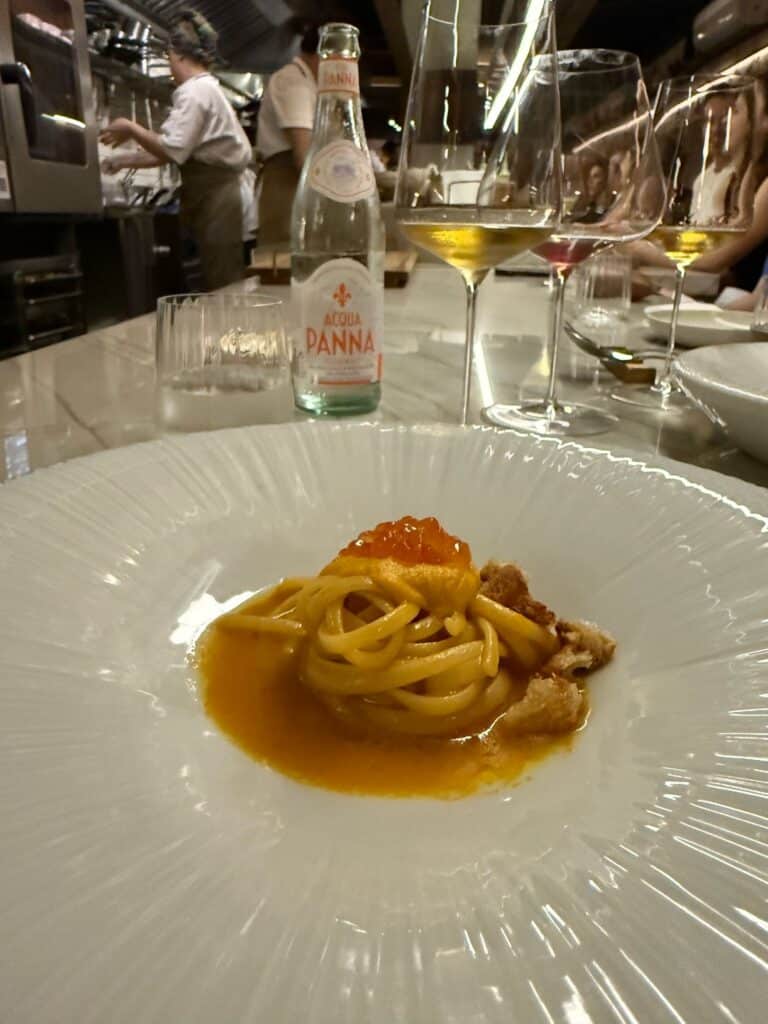
5. Metzi: Mexico and Brazil on the Same Table
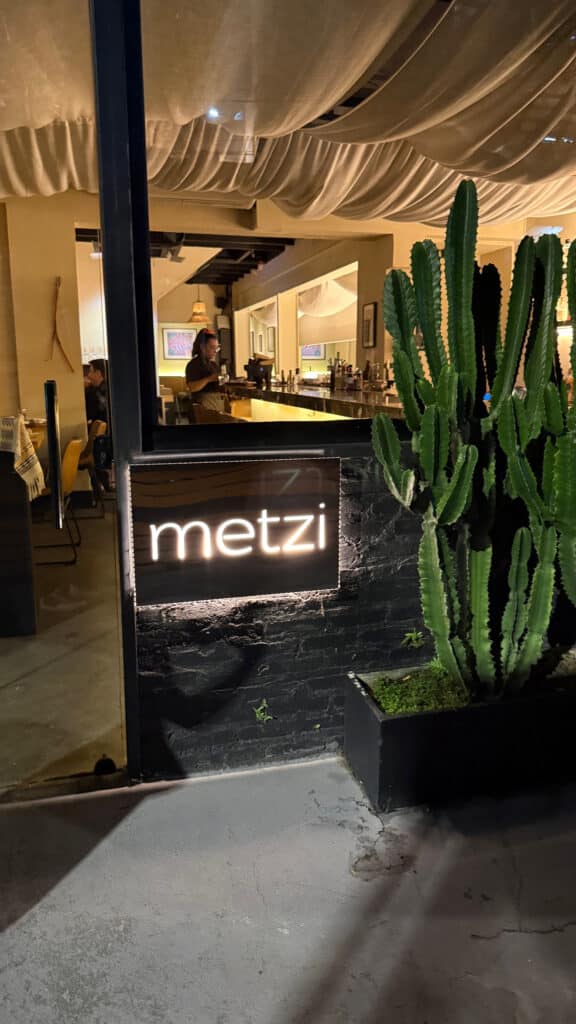
I met chef Eduardo Ortiz before dining at Metzi. We connected over our ties to New York, and I was impressed by his energy and enjoyed our conversation. When I later ate at his restaurant, I felt that same personality coming through in the food.
Metzi brings Mexican cooking and Brazilian ingredients together with an attention to detail that made the meal memorable. Pork belly tacos with fermented chili, seafood tostadas, smoky and acidic flavors, and agave-forward cocktails are part of what I remember. The execution showed how much care had gone into the experience.
I haven’t had the opportunity to meet his co-chef, Luana Sabino, but the cooking she and Eduardo have developed—and the restaurant they have built together—left an impression. Both deserve credit for an excellent Mexican fine-dining experience with a clear personality of its own.
The room felt relaxed and welcoming, with the ease of a neighborhood restaurant. That warmth was part of the appeal: I could appreciate the precision of the food while feeling comfortable enough to settle in and enjoy the evening.
Metzi is one of the reasons I leave room for different styles of restaurant when planning a trip. The connection between the people, the food and the atmosphere gave me another reason to appreciate how much São Paulo has to offer.
6. Tan Tan: Give the Cocktails as Much Attention as the Food
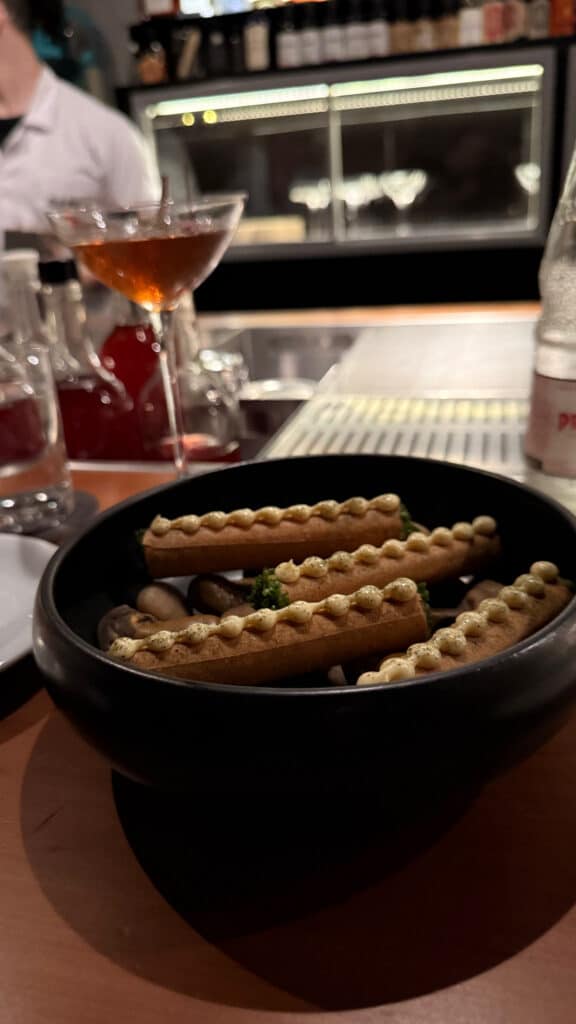
I’ve been to Tan Tan every time I’ve visited São Paulo. It belongs on both my dining list and my cocktail list, and it has become a regular part of my trips.
The Spring Rolls Royce, filled with tuna tartare, captures the playful side of the food. The Tsukemono cocktail, with tequila, wasabi, cucumber and orange bitters, is the kind of drink that makes me pay attention to what the bar is doing. Both give me reasons to look forward to another visit.
Then there’s the music. The 1990s hip-hop soundtrack is very much my kind of atmosphere. The room feels lively without losing its intimacy, and the combination of music, food and drinks makes it easy to settle in.
I’ve also been to The Liquor Store twice, another of Thiago Bañares’s venues. The personal service there has stayed with me. They remember me when I come back—or they have excellent record-keeping. Either way, it makes me feel special. Being welcomed like a familiar face in a city thousands of miles from home means something.
As of this September 2026 update, The Liquor Store is still relocating and hasn’t reopened. I’m hoping that changes before I return to São Paulo in November, because I’d like another evening at its bar.
I’ve been to Kotori once as well, and I want to go back. It’s another return visit to fit into a São Paulo itinerary that never seems to have enough room.
Tan Tan is a place I look forward to returning to before I even land in São Paulo. Give yourself enough time for both the food and cocktails. For me, both are part of the reason to go.
7. A Casa do Porco: Brazilian Food and Culture, from Nose to Tail
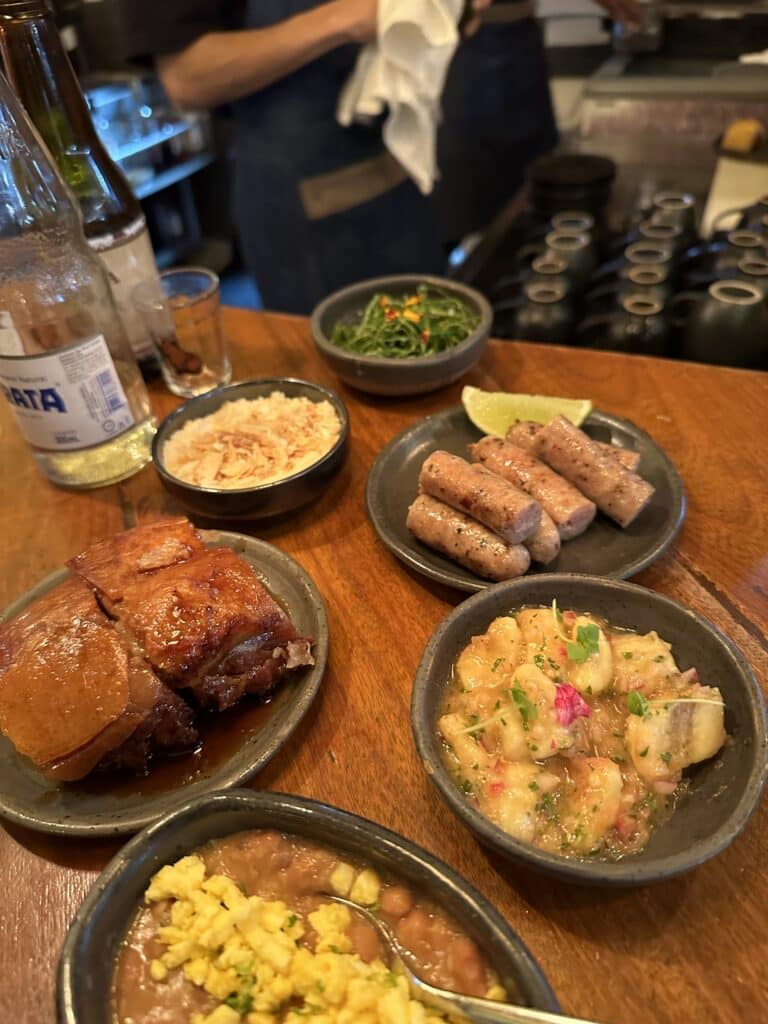
A Casa do Porco — Official Website
A Casa do Porco gives you a look into Brazilian food and culture through an ingredient the kitchen understands completely: pork. From nose to tail, the preparations show how much creativity, flavor and variety can come from using the whole animal.
Founded by chefs Jefferson Rueda and Janaína Torres, the restaurant takes its cooking seriously while keeping the experience approachable. What I appreciate is the commitment to making exceptional food accessible to a broader audience, including the Brazilians who live there. A restaurant can earn international attention and still feel connected to its own people.
In my opinion, the cooking is worthy of a Michelin star. But the part I respect just as much is that A Casa do Porco feels like a place built to feed people well. Tourists and destination diners are welcome, but the experience doesn’t feel designed exclusively for them.
And the food is ridiculously good. It’s interesting, creative and full of flavor—the kind of meal that makes you pay attention to what you’re eating and appreciate the culture behind it. The whole-animal approach gives you plenty to think about, but the pleasure of eating it is what stays with me.
A Casa do Porco absolutely belongs on this list.
Read my full A Casa do Porco review.
8. Jean-Georges: A Great Meal That Changed the Mood
Tangará Jean-Georges — Official Website
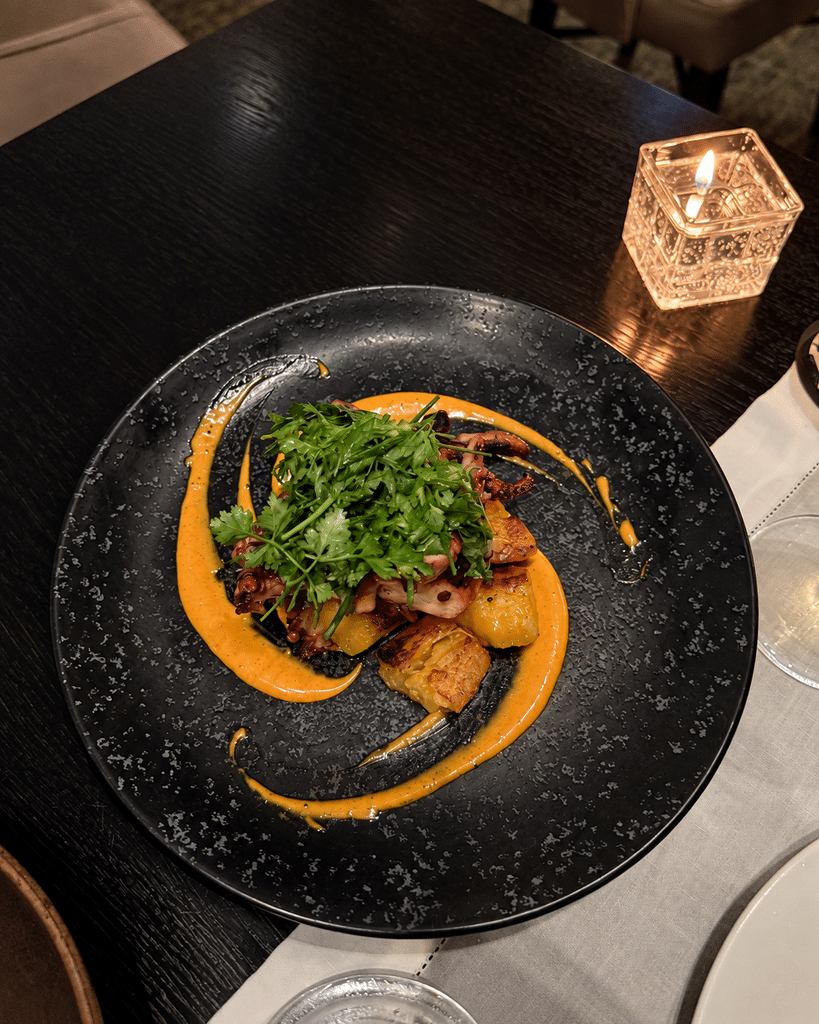
Jean-Georges Vongerichten is a chef whose cooking I’ve followed, studied and enjoyed for years. His name carries real weight with me, so I arrived at Tangará Jean-Georges with high expectations and my heart set on the tasting menu.
Some personal drama within our party changed the plan. That had absolutely nothing to do with the restaurant or its team, but we decided to order à la carte instead.
The food delivered. It lived up to what I expect from Jean-Georges and felt entirely worthy of the Palácio Tangará setting. Although the evening hadn’t started the way I’d hoped, it turned into a great meal.
What I remember just as clearly is how the food changed the mood at our table. As we ate, the tension eased, people relaxed, and we could enjoy being there. Sometimes a good meal does more than satisfy your appetite. This one helped bring the evening back together.
I’ve also stayed at Palácio Tangará, so the restaurant is part of my broader experience of the property. The greenery surrounding the hotel and the more formal dining atmosphere give the evening a different feel from many of the other places on this list.
It deserves time in your itinerary. Check the journey from your hotel and give yourself room to enjoy dinner without rushing. I still want to return for the tasting menu, but ordering à la carte gave me plenty of reason to appreciate the kitchen.
9. Kazuo: The First Meal That Opened My Eyes

Kazuo was my first meal in São Paulo, and my first omakase in a few years. Looking back, it was quite an introduction to eating in this city.
Chef Kazuo Harada kept putting courses and dishes on the counter, and I kept eating. By the end, I had practically eaten myself into a food coma. The freshness and flavor made it very easy to keep going.
I’ve now been to Kazuo three times, including once for lunch, and my verdict is straightforward: it is on point. That first meal kept bringing me back, and the restaurant belongs in this guide for much more than sentimental reasons.
What stands out is Kazuo’s range. His cooking extends beyond sushi into several Asian cuisines, including Thai and Malaysian influences. I see him as a master of different styles, and the variety is backed up by what matters most to me: how fresh the ingredients taste and how well the dishes come together.
The drinks program can hold its own, too. It deserves attention alongside the food and adds another reason to settle in and enjoy the evening. Even dessert impressed me. It felt like a considered part of the meal, with the same care given to it as the courses that came before.
I also like seeing Kazuo behind the counter. Having the chef right there is part of what makes the experience memorable, and he strikes me as someone I’d enjoy sitting down with over a few drinks and having a proper conversation.
Before I had a list of São Paulo favorites or started planning return trips around reservations, there was Kazuo. It opened my eyes to what dining in this city could be. After three visits, it still gives me plenty of reasons to return.
Explore Kazuo’s menu and reservations.
10. Jun Sakamoto: A True Sushi Master
Jun Sakamoto — Official Website & Reservations
I’ve been to Jun Sakamoto once. After that meal, I understood why I think of him as something like the godfather of omakase in São Paulo.
His namesake restaurant opened in September 2000, and he has spent decades establishing himself as one of Brazil’s leading sushi chefs. Sitting at his counter gave me a chance to appreciate the skill behind that reputation.
I was lucky enough to sit beside a few regulars at the small counter, and Jun kept the conversation going as he worked. Being able to talk with him while watching him prepare the meal made the experience feel personal. That interaction became as much a part of my memory as the sushi itself.
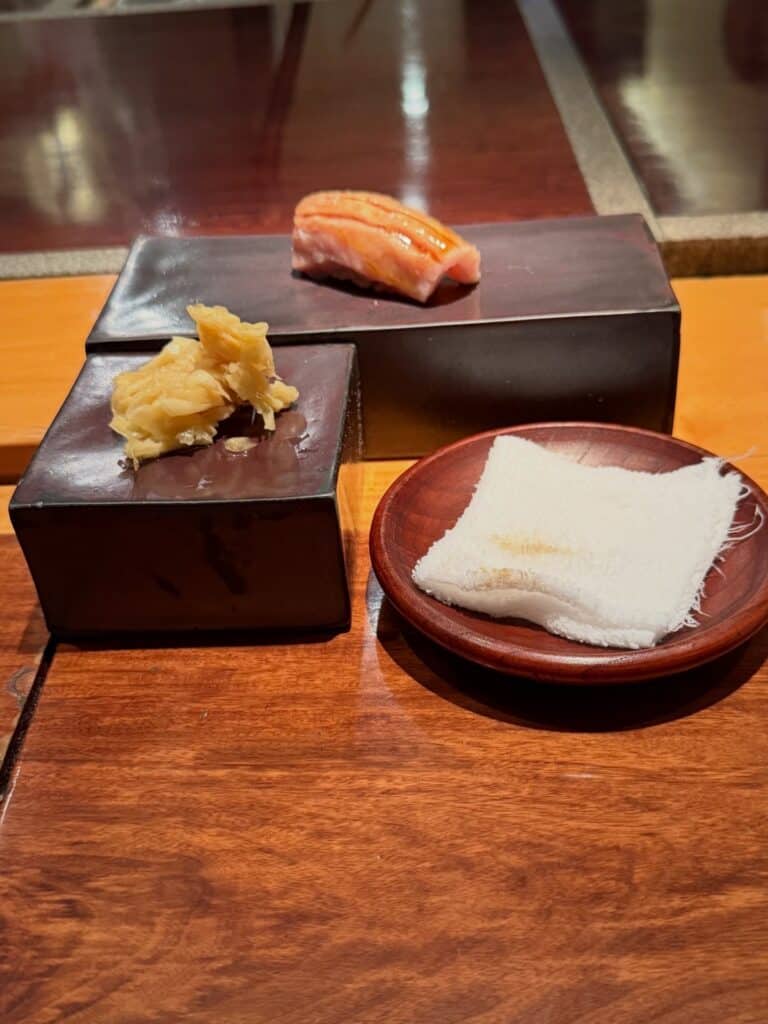
The freshness of the fish and his knife skills stood out. Watching him work at such close range gave me another level of appreciation for what arrived in front of me. You could see the experience in his hands, and the quality of the fish gave that work something worthy of the attention.
My meal was largely focused on sushi, and that focus is part of what I appreciate about Jun Sakamoto. The fish, the preparation and the man behind the counter gave the evening its identity.
One visit was enough to leave a lasting impression. Jun is a true sushi master in my eyes, and sharing that small counter with him and some of his regulars gave me another reason to appreciate the depth of São Paulo’s dining scene.
Jun Sakamoto — Official Website & Reservations
Planning Meals Without Overloading the Trip
Start with the restaurant you would be most disappointed to miss, then work outward. Check reservation release dates directly with each venue, and leave room for changes in the rest of the itinerary.
Keep lunch lighter when dinner is a substantial tasting menu. Think about cocktails, wine pairings and supplements as part of the total experience and spend. You don’t have to order every optional extra to have a memorable meal.
For Grand Prix trips, protect the evening after the circuit. Allow time to get back, change and arrive ready to enjoy dinner. I would rather appreciate one meal properly than squeeze two experiences together and rush both.
Menus change. The dishes I describe are memories from my visits, so use them to understand what interested me rather than as a current ordering guide.
Why This List Keeps Growing
For hotels, neighborhoods and things to do between reservations, read my São Paulo travel guide.
The more time I spend in São Paulo, the harder it becomes to fit everything into one trip. Returning to a favorite means one less opportunity to try somewhere new. That is a good problem to have.
This expanded list reflects how much more of the city I have experienced since the original article. It will keep changing as I eat, learn and return.
Some people collect watches. Some collect cars. I collect experiences.
São Paulo keeps giving me reasons to add another.
Completely Unnecessary. Absolutely Worth It.
Follow me on Instagram @Richard.Jarocki for more restaurant experiences, cocktails, travel and Formula 1 adventures—including my next trip to São Paulo.
A Casa do Porco — Official Website