
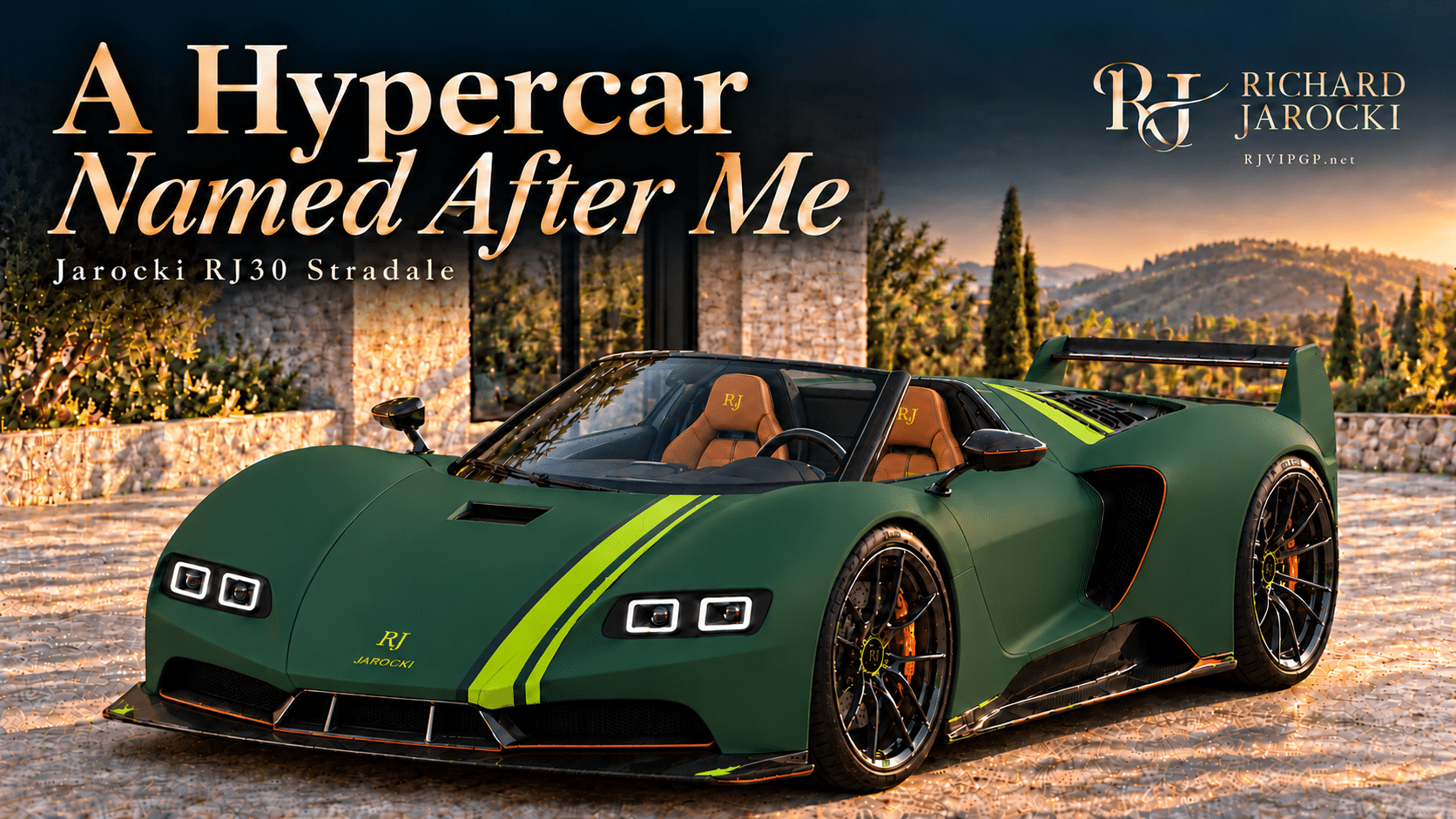
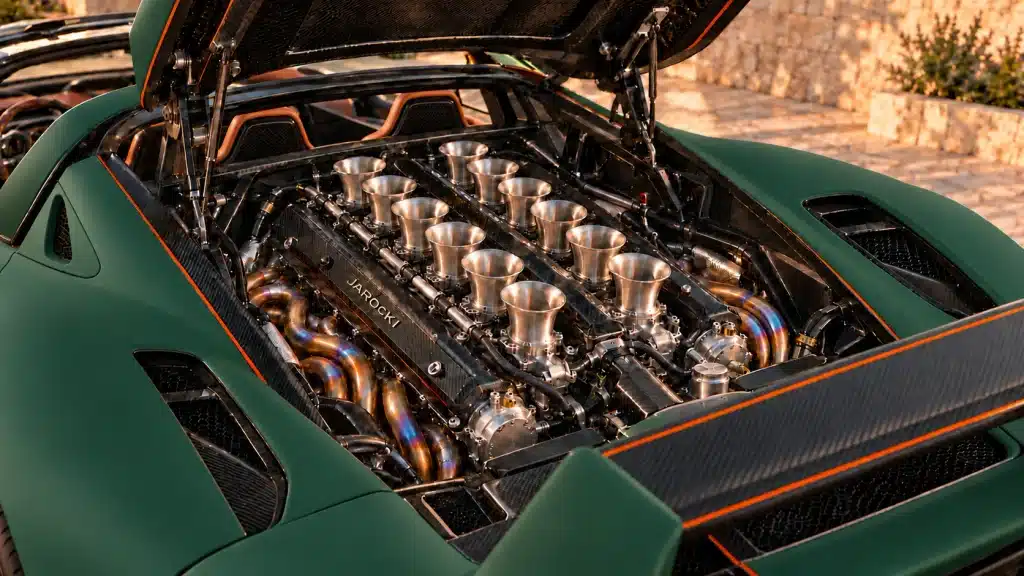
A hypercar named after me would have to be a proper driver’s car. Something I could commute to work in, take to a circuit and line up at a drag strip, with a naturally aspirated V12 that made people stop mid-conversation when they heard it coming.
That’s the dream: take the best ideas from the hypercar world and engineer them into something I’d want to drive. More than 1,000 hp. Beyond 9,000 rpm. A dual-clutch gearbox. Thirty cars, each built around its owner.
I want the sound, the craftsmanship and the slightly unreasonable ambition. I also want to get out of the driveway without treating it like a military operation.
Call it the Jarocki. RJ30 Stradale still has a good ring to it. Either way, the name would come with a demanding brief.
What a hypercar named after me should stand for
The story behind the Pagani Huayra BC is part of my inspiration. Its initials honor Benny Caiola, Pagani’s first customer and a close friend of Horacio Pagani. I like that there’s a person and a relationship behind the badge.
A hypercar named after me should say something about what I value: mechanical character, beautiful details and experiences worth remembering. You should understand the idea when you sit in it, hear it start and take the first few corners.
Taking inspiration from other hypercars would mean asking what each does well, then making those ideas work together. I’d want the result to have its own personality. The engine, chassis, cabin and ownership experience should all belong to the same car.
A hypercar named after me needs a V12
The starting point would be a naturally aspirated V12 targeting more than 1,000 hp and a redline beyond 9,000 rpm. No turbos. No hybrid assistance. I’d want to explore that brief with an engine specialist such as Cosworth or a suitable racing partner.
These are ambitions for a fictional car. Reaching them reliably would take serious development, and the engine would have to prove itself through testing. Writing down an impressive number is the easy part.
I’d want predictable throttle response and progressive power delivery, with enough control to enjoy the engine on the road and build confidence on a circuit. Cooling and durability would deserve as much attention as peak output.
And the sound? Mesmerizing. The sort of naturally aspirated V12 you could hear coming from a block away. I want that rising, mechanical scream to be part of why someone remembers the car. At cruising speeds, I’d still want a cabin comfortable enough to enjoy the journey.
Hypercar Named After Me: A dual-clutch gearbox that earns its place
I’d choose a dual-clutch transmission with steering-wheel paddles. Fast, consistent shifts would fit the performance I’m chasing, while letting me keep both hands on the wheel and concentrate on braking, positioning and putting the power down.
The low-speed behavior would matter just as much. Pulling away, reversing into a space and moving through traffic should feel smooth and predictable. I’d want the car to cooperate when I was using a fraction of its performance.
There would still be plenty for the driver to do. Choosing the braking point, managing the throttle and getting a corner right would provide all the involvement I needed. The gearbox would help me make the most of it.
But a stopwatch wouldn’t explain the whole appeal. I’d want steering that gave me confidence, a brake pedal I could trust and responses that made sense. Being able to feel what the car was doing would matter on every drive.
Yes, I’d want to commute in it
A hypercar named after me would need to survive ordinary life. I’d want supportive seats, useful visibility, effective climate control and a driving position that worked for more than a short demonstration run.
A front lift system and adaptive damping would be on my wish list. Driveways, speed bumps and imperfect roads would deserve consideration from the beginning. I’d want suspension settings that offered some compliance on the road, with the control needed when the pace increased on a circuit.
The removable twin-panel carbon targa roof would add another reason to take it out. Roof fitted for the commute, open when the weather and the drive suited it.
That roof would bring its own engineering work around rigidity, sealing and storage. Those details would need solving properly. I’d want the open-air experience without turning every change in weather into a problem.
Hypercar Named After Me: Chasing lap records and quarter-mile times
Here’s where the ambition gets properly unreasonable. I’d want to chase track and quarter-mile records with a car I could also drive to work. That would be the goal, with the stopwatch deciding whether it deserved the headlines.
There are real trade-offs. A setup built for repeated corners and heavy braking has different priorities from one built for a standing-start quarter-mile. Tires, gearing, traction and aerodynamic drag would all influence the result. I’d expect different setups for different jobs.
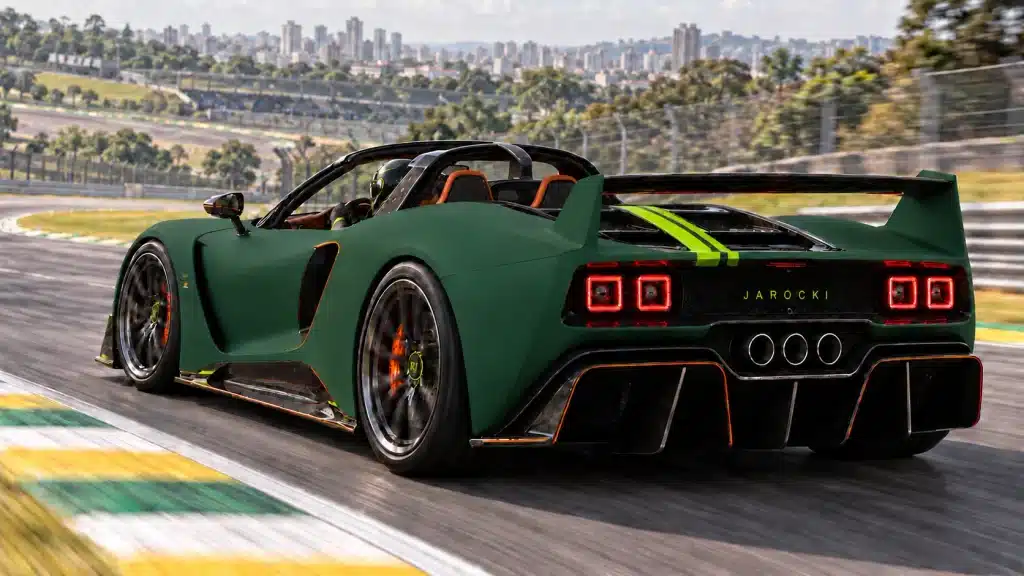
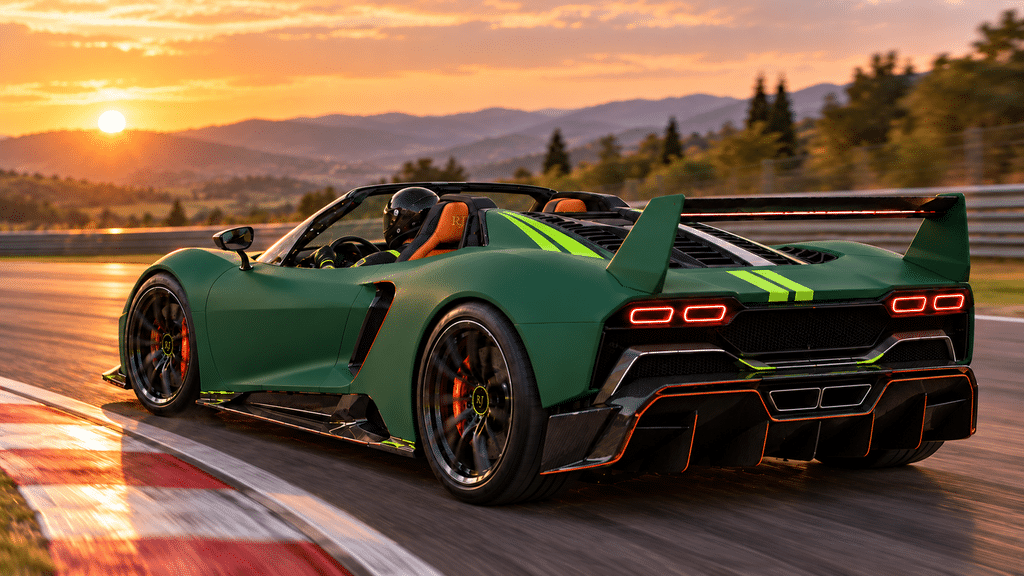
Aerodynamics would need to work as one package. I’d want stability at speed and useful downforce for corners, while paying attention to how much drag the body and wing created. The fixed bridge wing would have to earn its place through testing, with cooling airflow considered alongside grip and straight-line performance.
On a circuit, I’d want consistent brakes, controlled temperatures and a chassis that communicated what it was doing. At the drag strip, I’d want the launch, traction control and transmission calibrated to put the power down cleanly.
I’d still aim for a carbon-titanium chassis and a curb weight below 1,250 kg. That’s an ambitious target alongside a targa roof and everyday comfort. The engineering would have to reconcile those demands, with safety and durability built into the brief.
Any record claim would need a defined category and properly verified runs. Until then, this is the target. I can be excited about it without pretending the timing slip already exists.
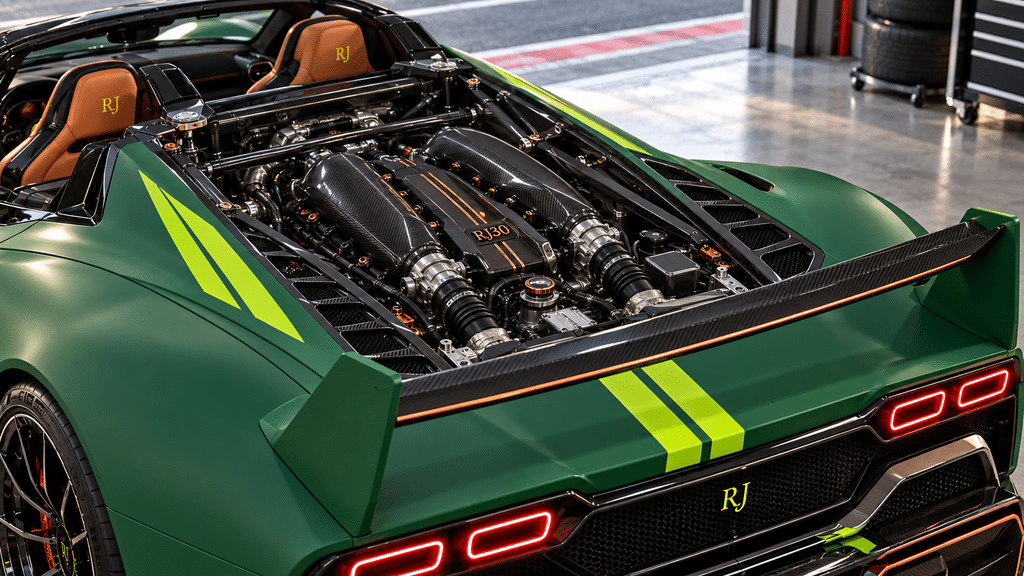
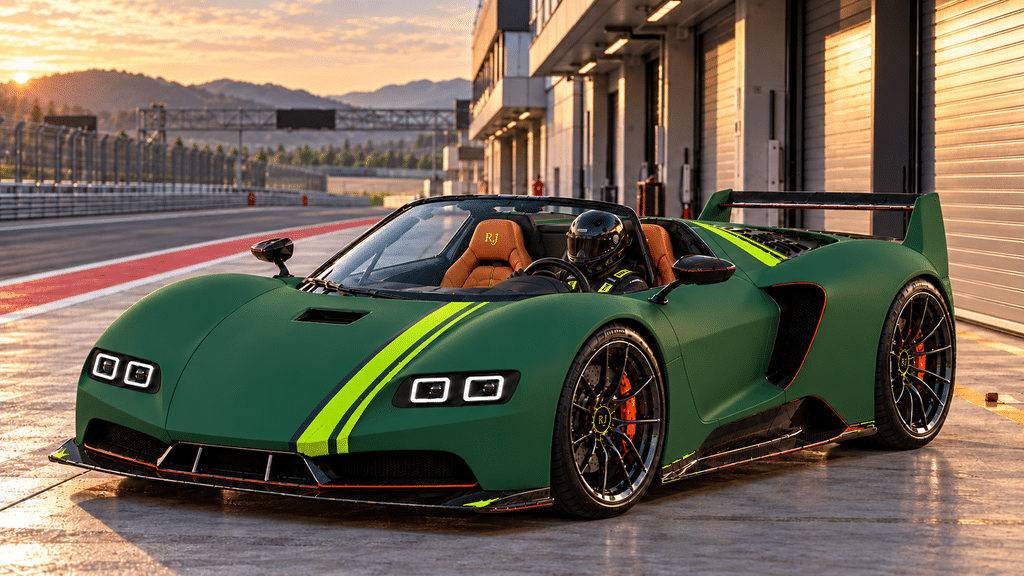
Silver, carbon and a cabin worth sitting in
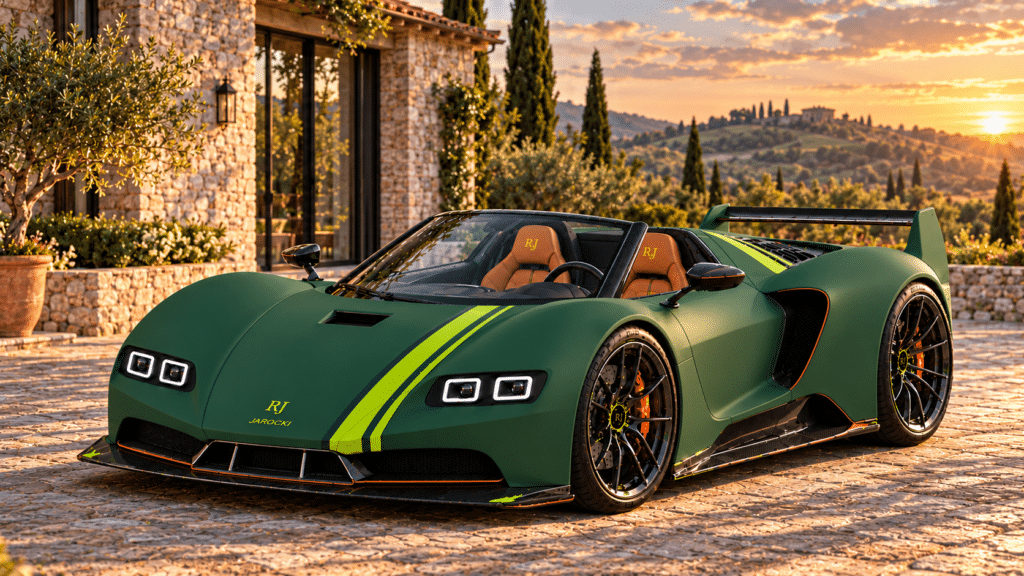
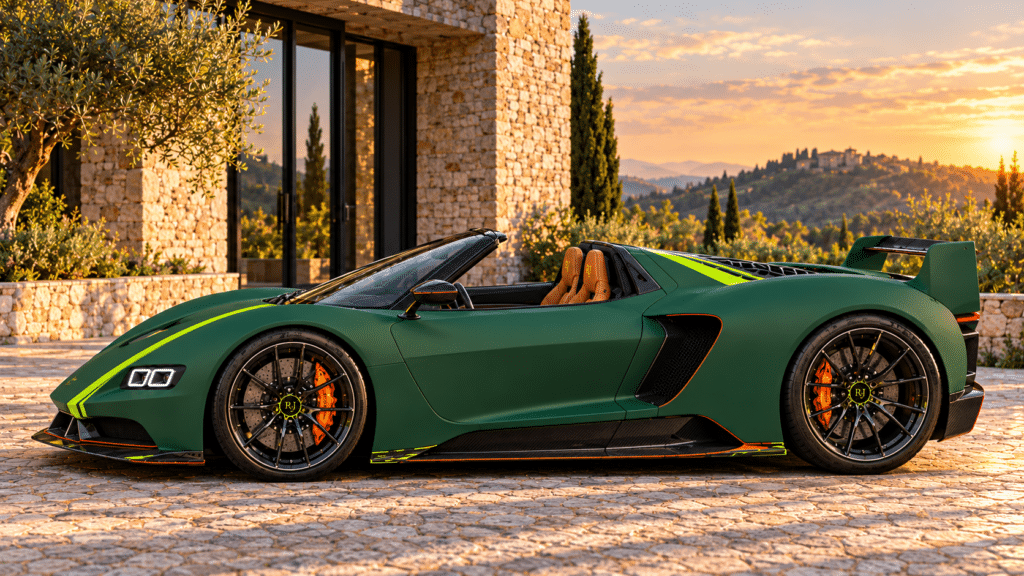
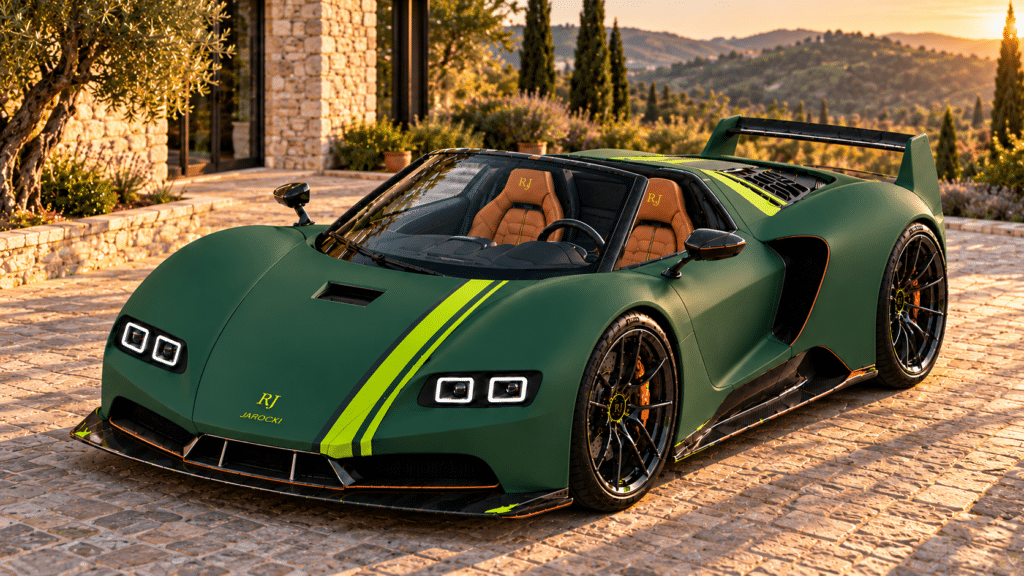
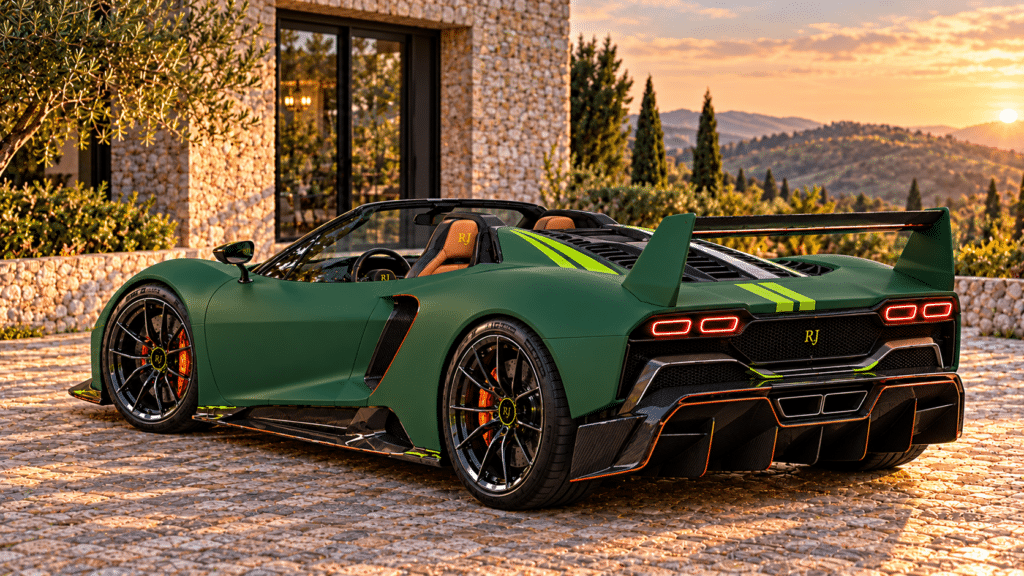
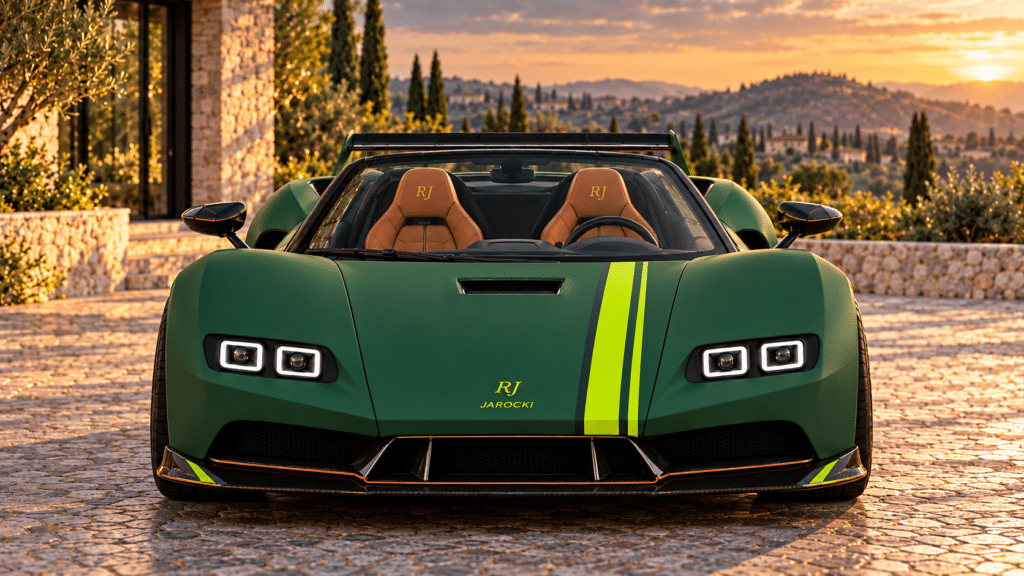
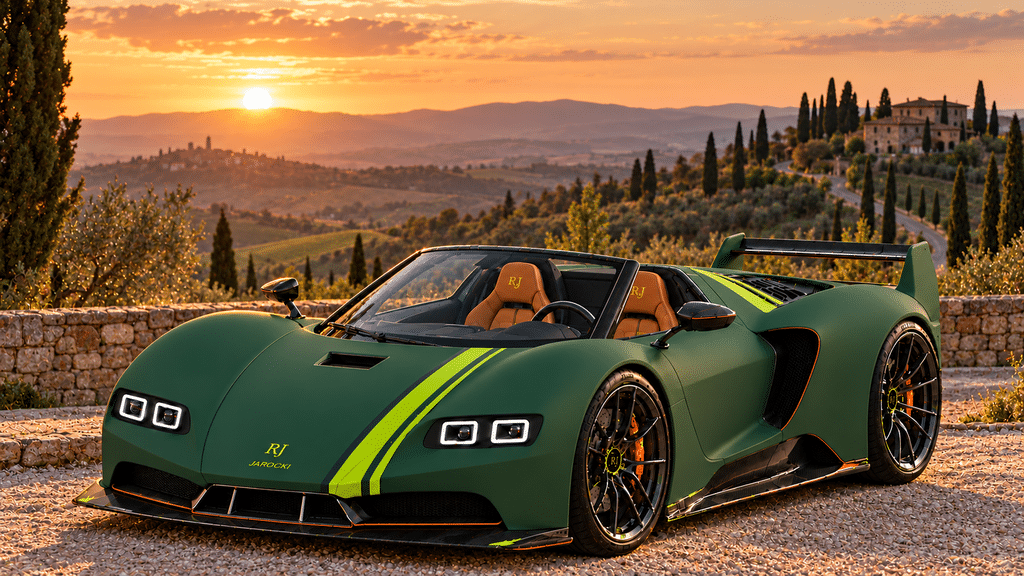
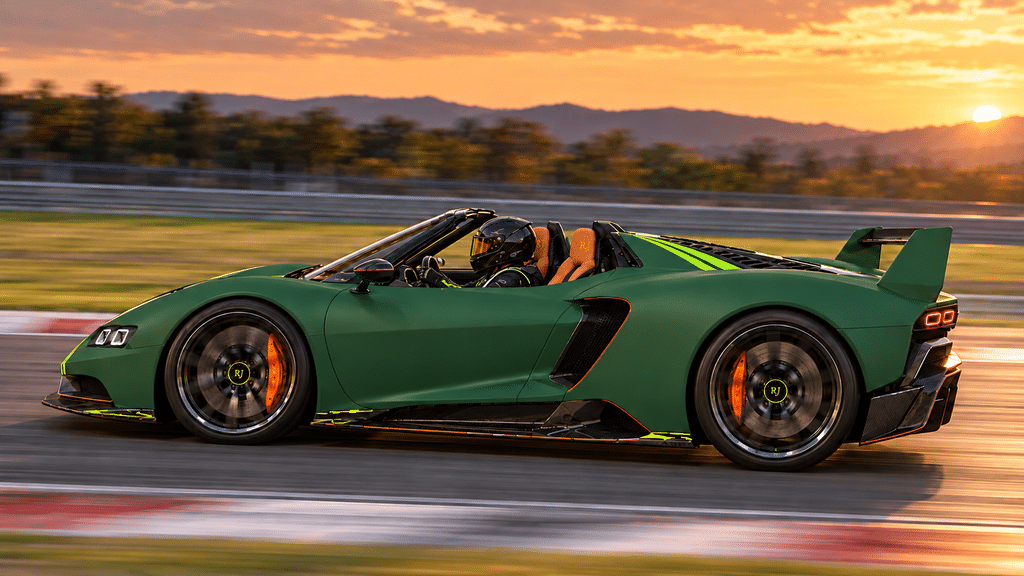
I picture titanium silver bodywork against exposed black carbon, with burnt-orange trim and calipers. The lime-yellow highlights would be tiny, just enough to catch the eye when you looked closer.
Squared twin-element headlights, four square rear lamps, a central triple exhaust and a fixed bridge wing would give the Jarocki a recognizable shape. I’d want the proportions to work with the targa panels fitted or removed.
Inside: cognac leather, hand stitching, forged aluminum controls and exposed hardware. Analog dials, physical controls and zero screens would keep the cabin focused. Two pedals, proper shift paddles and a compact transmission selector would match the dual-clutch setup.
I’d want to keep noticing details after months of driving it. The feel of a switch, the finish of the metal and the fit of the seat would all count. Beautiful craftsmanship should be something the owner gets to use.
Hypercar Named After Me: Thirty cars, thirty personal stories
I’d limit production to 30 cars worldwide and personally work through each specification with its owner. I’d want to hear about the cars they loved, how they drove and where they imagined taking this one.
Those conversations would shape the colors, materials and details. The mechanical character would remain consistent, while each car would feel personal to the person collecting it.
My dream would be to deliver each car at its new owner’s favorite Formula 1 circuit, on the Tuesday or Wednesday before the Grand Prix. Subject to circuit access and the race-week schedule, we’d arrange a private handover and time behind the wheel with people who knew the car inside out. I can’t think of a better introduction than learning your own car at a track you’ve spent years watching on television.
Then we’d make a week of it. The hotel, the restaurants, the city and the race would all become part of the delivery story. As with my Formula 1 trips, I’d care about everything surrounding the main event. This would be a chance to enjoy the car, get to know the people behind it and celebrate the occasion properly.
Matching luggage, leather goods, a mechanical chronograph, fitted gloves and a helmet would complete the experience. I’d also want a short documentary capturing the owner’s choices, the build and that first moment with the finished car.
After the weekend, we’d arrange insured transport to the city of the owner’s choosing, with the necessary import and registration arrangements planned in advance. They’d head home with a week’s worth of memories and their car on its way to its next chapter.
And yes, the luggage would still have to fit. Even this fantasy needs some basic standards.
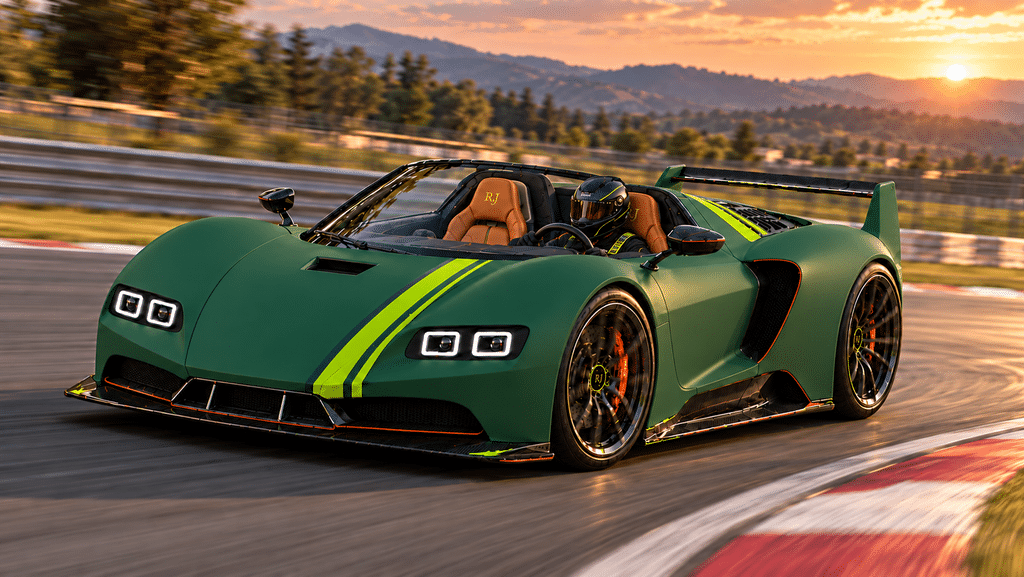
The car I’d want to take out again
A hypercar named after me would have to make the next drive feel worth looking forward to. A commute, a weekend away, a track day or a carefully prepared quarter-mile attempt would each give it a reason to leave the garage.
The brief is demanding: spectacular sound, serious performance, craftsmanship and enough usability to enjoy all of it. That combination is exactly why I find the idea exciting.
If my name is going on the badge, I want to hear that V12, reach for a paddle and feel something every time I drive it.
Completely Unnecessary. Absolutely Worth It.