Originally published March 23, 2025. Updated October 12, 2026. This article looks back at the partnerships and audience data from 2025.
Working with Ferrari helped spark my interest in Formula 1. Since then, following the sport has also become a reason to travel, explore restaurants and spend time in cities I want to know better.
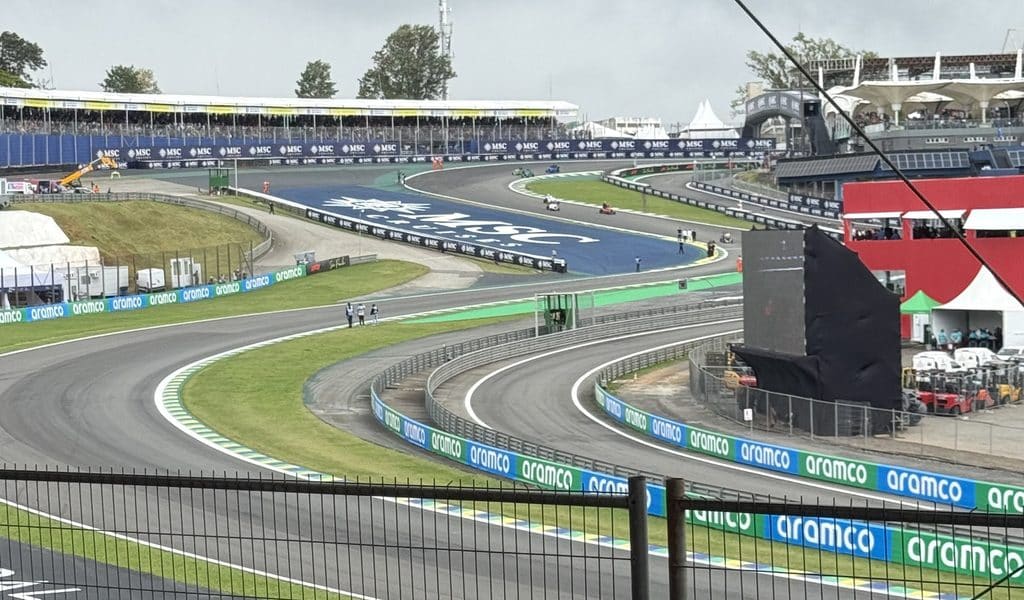
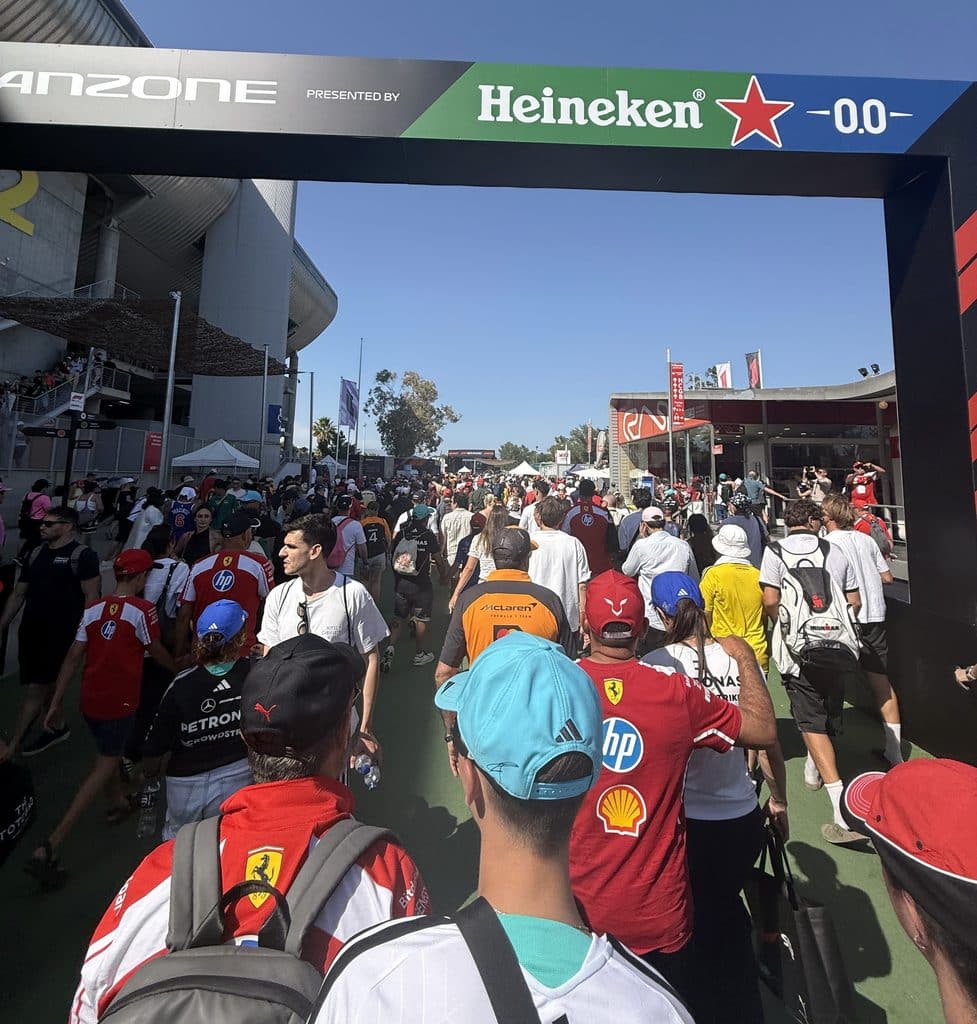
I watched the São Paulo Grand Prix from Sector G in 2024 and Grandstand N in 2025. The racing brought me there, but the hotel, dinners and time outside Interlagos were also part of the trip. I explore that balance in my article on Formula 1 luxury travel.
That helps explain why so many different brands want a place in Formula 1. A race weekend creates opportunities to reach people while they are watching, traveling, shopping or deciding where to spend an evening.
Formula 1 sponsorships in 2025 showed how broad those opportunities had become. Luxury houses secured prominent roles around the podium. Sportswear companies developed team collections. Technology partners used the sport to demonstrate their products.
The useful question is what each partnership actually did.
Why Formula 1 Sponsorships Attracted More Brands
In its August 2025 audience update, Formula 1 reported a global fanbase of 827 million. It said 43% of fans were under 35 and 42% were women.
Those figures describe a much broader audience than the familiar image of wealthy guests watching from a hospitality suite. Brands could reach longtime race fans, younger viewers discovering a driver online and people following from home who might never buy a Grand Prix ticket.
The 2025 Global F1 Fan Survey offered another useful clue. Among respondents, 76% said sponsors enhanced the sport, and one in three said they were more likely to buy from F1 partners.
There is an important limit to those numbers. The survey drew more than 100,000 responses from self-identified, highly engaged fans. It was a view of that group, rather than a representative measure of every person who watches F1.
For brands considering Formula 1 sponsorships, that suggests an audience worth understanding. It does not establish that every fan has a luxury budget or that a sponsorship automatically produces sales.
Luxury Brands Secured Prominent Roles Around the Race
The clearest example was LVMH’s ten-year global partnership with Formula 1. Announced in October 2024, it began in 2025 and included Louis Vuitton, TAG Heuer and Moët Hennessy.
Each brand had a recognizable role:
- TAG Heuer returned as Official Timekeeper, with trackside branding and plans for fan experiences and product ranges.
- Louis Vuitton became an Official Partner, supplied trophy trunks and took the title partnership for the 2025 Australian Grand Prix.
- Moët & Chandon returned as Official Champagne, putting the brand back into podium celebrations.
The appeal is easy to understand. Timing, trophies and the celebration after a race are moments people already pay attention to. A brand connected to those moments has a recurring place in the broadcast and the photographs that follow.
Team Partnerships Created Products and Fan Experiences
Formula 1 sponsorships can cover the championship itself or an individual team. The 2025 season provided useful examples of both, and the distinction matters when looking at what a brand can offer.
adidas and Mercedes
adidas and Mercedes launched their first collection in February 2025. It included clothing, footwear and accessories for the team and its supporters.
Teamwear gives a partnership a life away from the circuit. A fan can wear the same team colors at a race, while traveling or on an ordinary weekend. The product also gives people a direct way to spend money with the partner.
PUMA and Ferrari
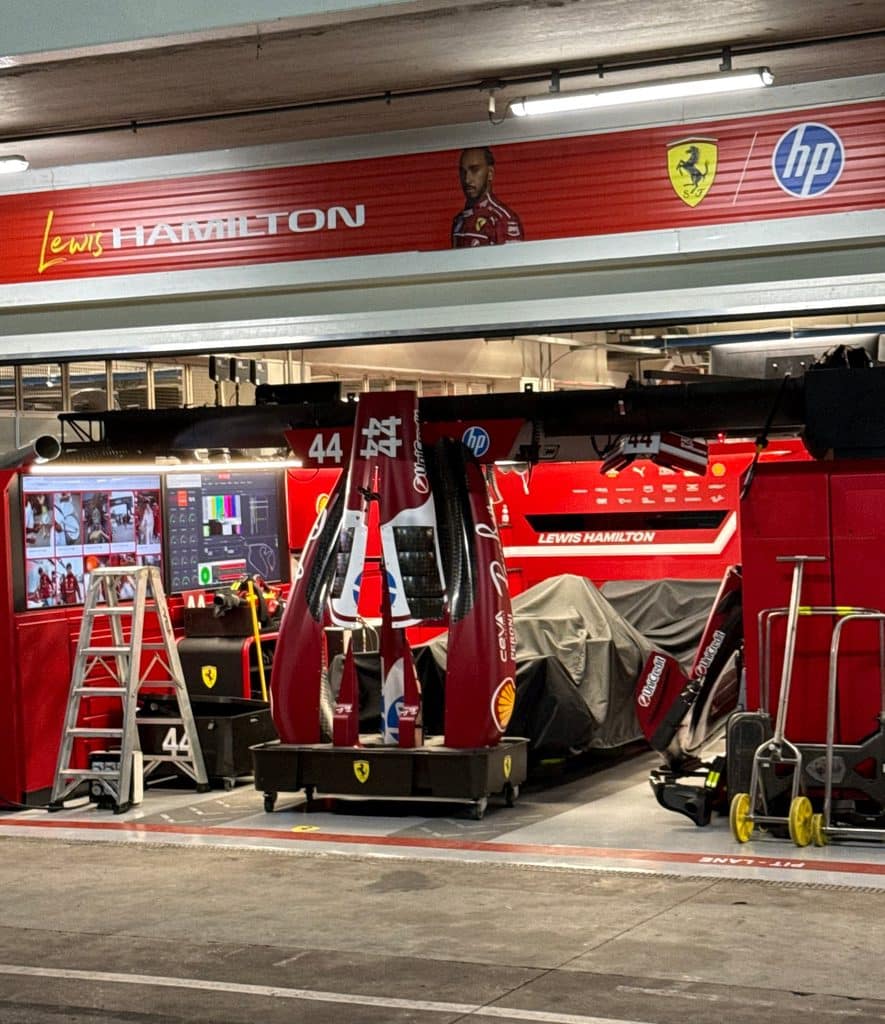
PUMA’s 2025 Monza collection with Scuderia Ferrari HP took a more specific approach. Announced ahead of the Italian Grand Prix, it drew on Niki Lauda’s race suits to mark 50 years since his first world championship.
That gave the clothing a connection to a particular race and a chapter of Ferrari’s history. It is a useful example of how a collection can have a story beyond the team logo.
Mastercard and McLaren
Mastercard joined McLaren as a major sponsor in July 2024, with an emphasis on experiences for cardholders and fans.
The relationship expanded during 2025. In August, McLaren announced that Mastercard would become its official naming partner from 2026. The announcement also introduced the Team Priceless fan program for 2026.
The dates matter. The initial sponsorship was already in place in 2025; the naming partnership and that new program were for the following season.
Technology Partners Had Practical Work to Show
For technology companies, Formula 1 sponsorships offer a way to demonstrate how their products are used in the sport.
AWS and Formula 1 have worked together since 2018. Their work includes F1 Insights, which uses data and machine learning to help explain race strategy, car performance and competition during broadcasts.
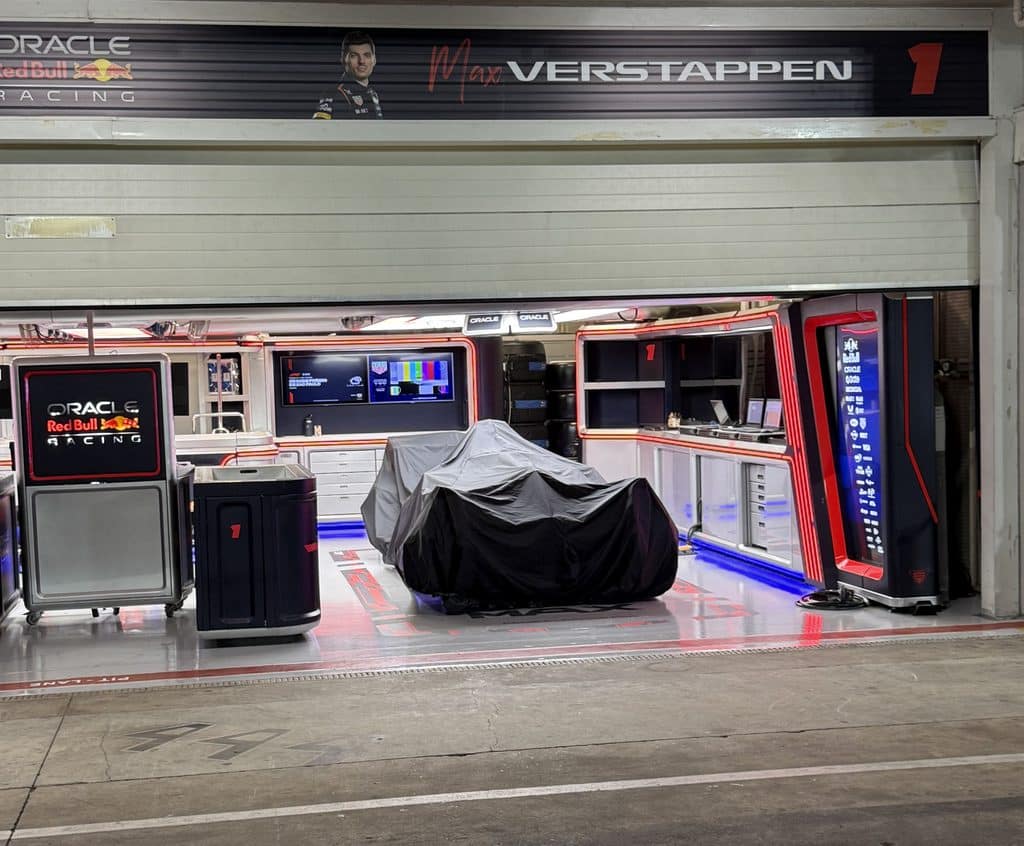
Oracle’s relationship with Red Bull Racing offers a team-level example. In its March 2025 announcement, Oracle described the team’s use of its cloud infrastructure to run billions of simulations before and during races, supporting strategy decisions.
These are the companies’ descriptions of their work, rather than independent proof of how much lap time a particular product delivers. Even with that distinction, they give a technology brand something concrete to explain to potential customers.
A viewer can see a strategy graphic on television. A business considering cloud services can read about how a team uses the infrastructure. The same partnership can speak to different audiences.
The Commercial Opportunity Extended Into the City
The spending around a Grand Prix continues outside the circuit.
Singapore provided a well-documented example in 2025. The tourism board’s Grand Prix Season Singapore program ran from September 26 to October 5, with race-themed dining, retail and entertainment across the city. Its new partners included local businesses alongside brands such as Moët & Chandon, adidas and Glenfiddich.
That creates several ways to participate in the weekend. A visitor might attend a shop event, book a dinner or spend another night in the city. A business can build an offer around those plans without becoming a team sponsor.
This part of the subject connects directly to how I travel. In São Paulo, restaurants, cocktail bars and the city itself take up a substantial part of my itinerary. I also independently plan São Paulo Grand Prix trips, where the arrangements outside the circuit need as much attention as the race ticket. My São Paulo Grand Prix travel guide covers how I put those parts of the weekend together.
For a hotel or restaurant, the practical questions are about the guest experience: when people arrive, how long they stay and whether the service makes them want to return.
Hospitality Gave Brands Time With Their Guests
Hospitality can give Formula 1 sponsorships another purpose: time with clients and partners over a shared interest. A meal or an afternoon together can allow for more conversation than an advertisement ever could.
Food was also part of F1’s own premium offering in 2025. Formula 1 announced a collaboration with Gordon Ramsay for F1 Garage, with menus developed by Ramsay and his executive chefs for a program across ten Grands Prix.
That is a concrete example of dining becoming part of the experience being sold. It also shows why hospitality deserves more scrutiny than a few photographs of champagne and famous guests.
The viewing location, food, service and included activities all matter. Those details vary by product. A ticket does not guarantee a useful business introduction, and a hospitality label does not tell you exactly which areas you can enter.
My own São Paulo race weekends in 2024 and 2025 were based around grandstand tickets. There is plenty to enjoy in the wider trip without treating premium hospitality as a requirement.
What Formula 1 Sponsorships Mean for Fans
The 2025 examples show why brands approached F1 in different ways. A sportswear company could sell team clothing. A watchmaker could connect its name with timing. A technology company could explain a real use of its product, while a hotel or restaurant could welcome visitors already traveling for the race.
For fans, the value of Formula 1 sponsorships depends on what the partnerships add. That might be a product they want, an event they can attend or information that helps them follow the racing.
The same practical approach applies to the trip itself. I enjoyed the additional Thursday activities included with my 2025 São Paulo package. For 2026, I chose a grandstand ticket without those extras.
Something can be worth doing once without becoming part of every race weekend.
That leaves room for brands to offer worthwhile experiences while fans decide which ones deserve their time and money.
For travel questions or a relevant content collaboration, you can contact me.
\
Explore More Formula 1 Travel
Formula 1 Luxury Travel: 7 Reasons I Keep Coming Back
What to Look for in an F1 Luxury Vacation Package
My Formula 1 Grandstand Seats Guide
My São Paulo Grand Prix Travel Guide
Interested in working together? Get in touch with me.
Completely Unnecessary. Absolutely Worth It.