Tag: Hudson Valley restaurants

  • Drowned Lands Brewery Review: Come for the Beer, Stay for the Food

    Drowned Lands Brewery Review: Come for the Beer, Stay for the Food

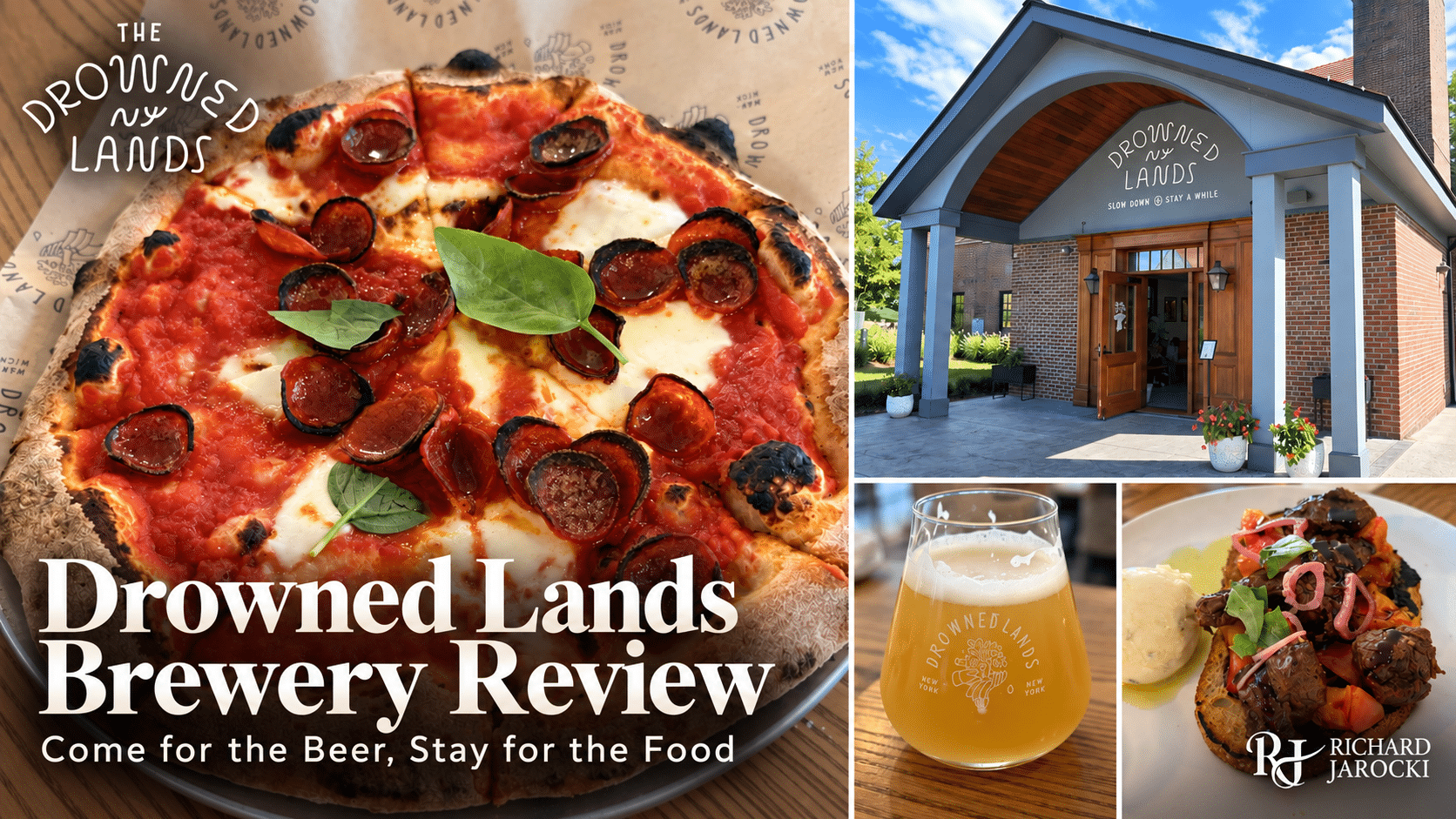
    Drowned Lands Brewery Review: Drowned Lands Brewery in Warwick, NY, with pepperoni pizza, craft beer, and bavette steak toast.

    Drowned Lands Brewery review: I usually order cocktails or wine. Before my first visit, I hadn’t really had a beer in years outside of a sporting event. Drowned Lands in Warwick changed that—and I’ve been back since my original September 6, 2026 visit. The beer got my attention, but the food has given me plenty of reasons to return.

    But the food gave me just as much reason to go back.

    The bavette steak toast was amazing, with meat so tender it became one of the standouts of the meal. The pizzas were right there with it. I grew up on New York City and northern New Jersey pizza, and this was good enough to make me think about driving out of my way after work to pick up a few pies.

    The staff stayed friendly and attentive even with the place packed. And while the beer line regularly stretched 10–20 people deep, it moved quickly.

    My verdict: Drowned Lands is one of the places in the Hudson Valley I think you need to try.

    The original review photos are from September 6, 2026. Four additional photos appear in the return-visit section below.
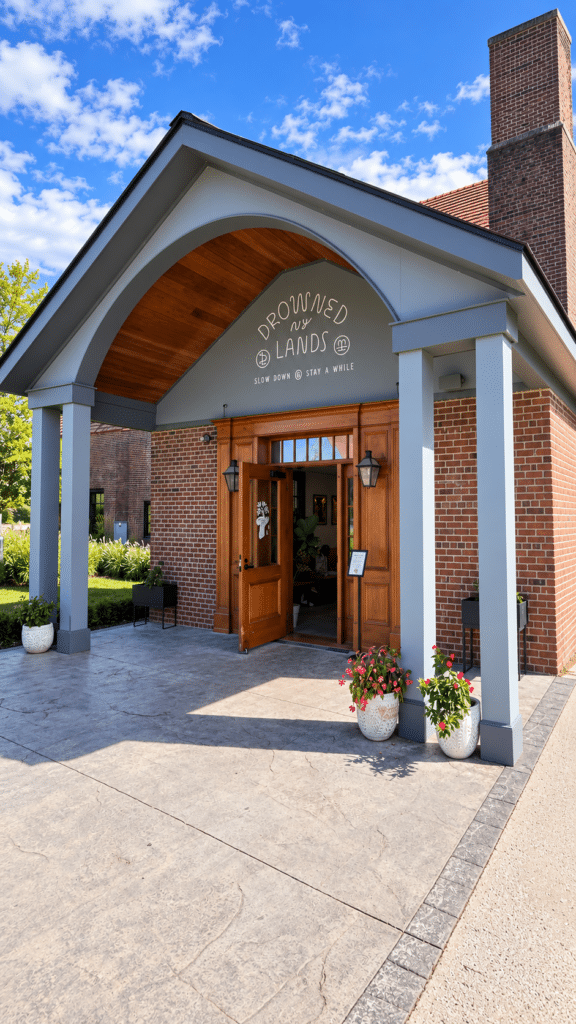
    Brick exterior and covered entrance of Drowned Lands Brewery beneath a blue sky in Warwick, New York.
    Drowned Lands Brewery in Warwick, New York.
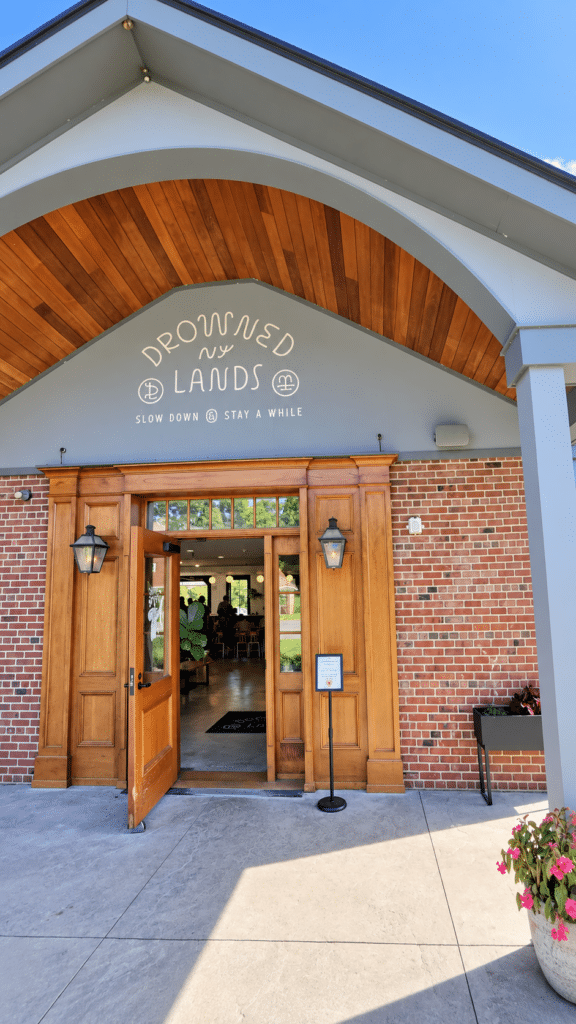
    Wooden entrance doors beneath the Drowned Lands Brewery sign.
    A closer look at the brewery entrance.

    A Brewery That Got a Cocktail-and-Wine Drinker’s Attention

    Beer is rarely my first choice these days. Drowned Lands got my attention anyway.
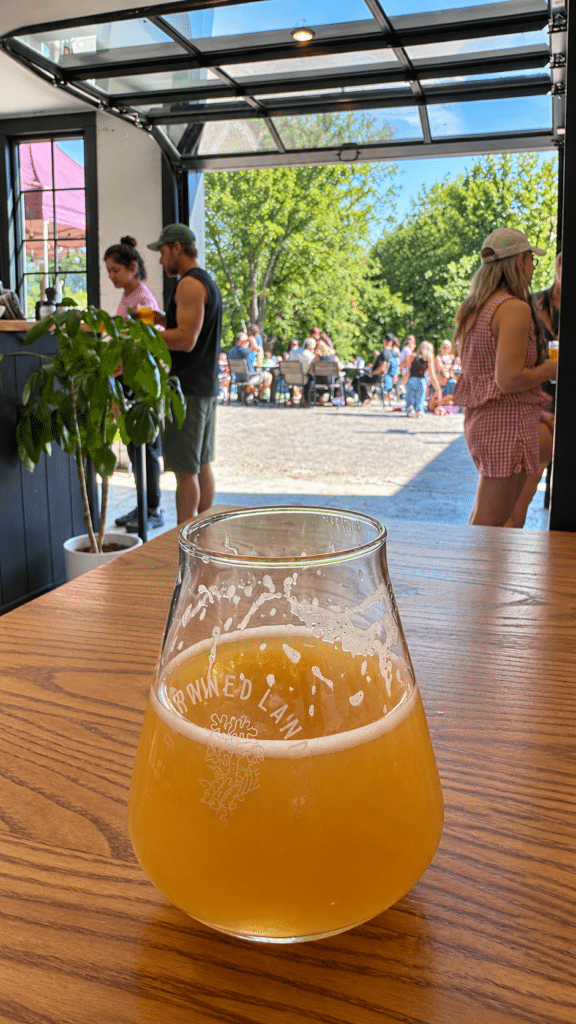
    Glass of Deep Terra beer on a wooden table at Drowned Lands Brewery, with open doors overlooking outdoor seating.
    Deep Terra—the beer I particularly enjoyed at Drowned Lands.

    Deep Terra was my favorite. I liked it enough to keep coming back to it, but I also enjoyed Loam and Acacia. I wasn’t ordering beer simply because I happened to be at a brewery. I was enjoying what was in my glass.

    The menu at my visit listed Deep Terra as an 8.2% double IPA and Acacia as a fruited sour IPA. My afternoon covered more ground than I would normally expect from a beer outing, especially considering how long it had been since I’d ordered beer just because I wanted one.

    I’m not going to pretend I suddenly became a beer expert. What I can say is that their beer impressed someone who normally reaches for something else—and made me want to return.

    They also sell canned beer to take home, so if you find a favorite, you can bring some with you.

    Rooted in the land

    Drowned Lands describes itself as a farm brewery built around the land it calls home. Its philosophy centers on terroir: how the environment helps shape what ends up in your glass.

    For them, that means the mineral character of the local water, seasonal agriculture, and the microbes involved in their house mixed-culture fermentation. Their approach combines traditional techniques with modern brewing, including the use of large oak fermentation vessels called foeders.

    As someone who usually drinks wine or cocktails, I find that connection interesting. It gives me another way to think about the beer beyond its style. There’s a place and a process behind it.

    Their invitation to “slow down and stay awhile” fits the experience. Between the food, beer, and patio, staying awhile came pretty easily.

    After my visit, I can see why they’re getting noticed. The beer impressed me, the food gave me reasons to return, and the staff backed it up with friendly, attentive hospitality.

    The Bavette Steak Toast Was a Standout
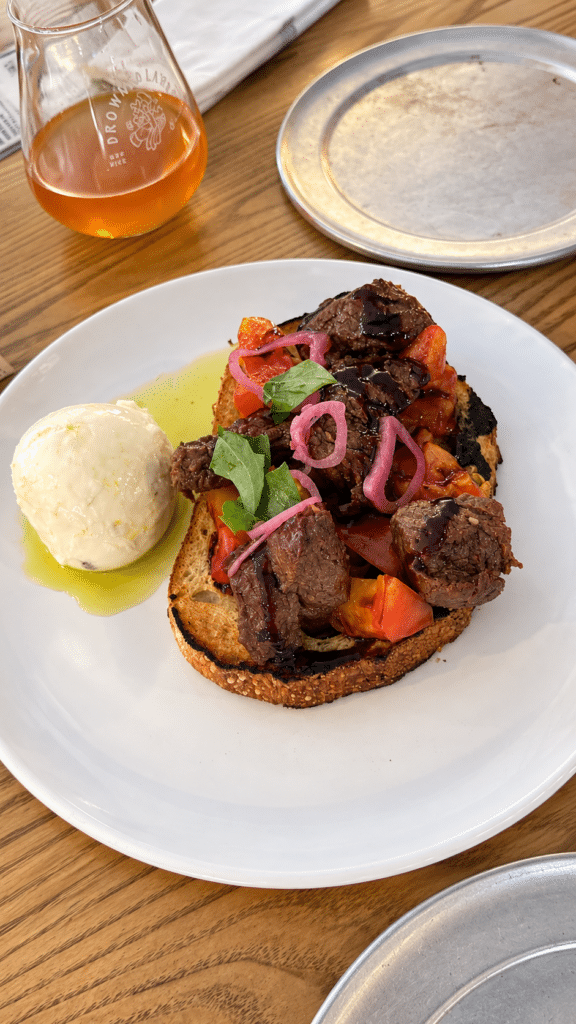
    Bavette steak toast topped with beef, heirloom tomatoes, pickled shallots and basil at Drowned Lands Brewery.
    Bavette Steak Toast with balsamic-marinated beef, heirloom tomatoes, pickled shallots and basil.

    The bavette steak toast was amazing. The meat was so tender, and it is one of the first dishes I think about when I look back at what we ate.

    The September menu described balsamic-marinated beef, heirloom tomato bruschetta, pickled shallots, fresh basil, and toasted sourdough. At $28 when I visited, it needed to deliver more than a good description.

    For me, it did.

    I would happily order it again, even with other things on the menu I still want to try. That matters because I left with a growing list of reasons to come back.

    Here, I wanted to place another food order because I wanted to see what else the kitchen could do.

    Pizza Good Enough to Drive Out of My Way For

    I grew up on New York City and northern New Jersey pizza, and I consider myself a pizza snob. A lot of Hudson Valley pizzerias disappoint me. There are plenty of brick-oven places up here, too, so having that oven alone doesn’t impress me. What comes out of it has to deliver.

    Drowned Lands came through.

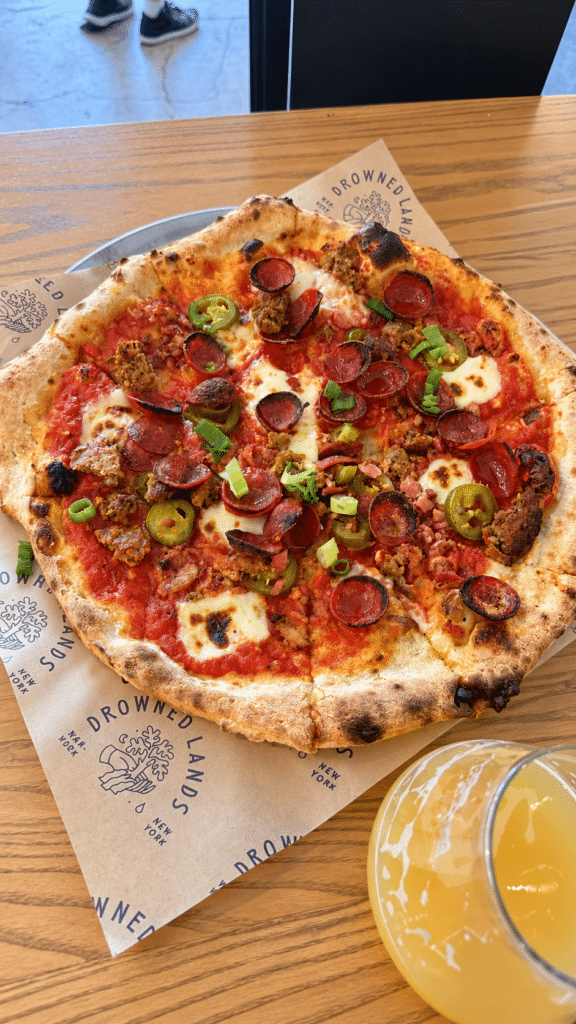
    We had the Hometown Fav and the pepperoni pizza, and both were great. Alongside the bavette steak toast, the pizzas were a highlight of the meal.

    The Hometown Fav combines tomato, fresh mozzarella, pepperoni, bacon, sweet Italian sausage, pickled jalapeño, and scallion. There is plenty happening with the toppings, but what stood out across both pizzas was the foundation: the dough and the brick-oven cooking were on point.

    That is where pizza has to start for me. The toppings can sound as good as they want on a menu; I still need to enjoy eating the crust.

    Stones in Wappingers, Blooming Hill Farm, and Rossi Pizzette are already on my Hudson Valley pizza favorites list. Drowned Lands now belongs in that conversation.

    On the September menu, the Hometown Fav was $24 and the pepperoni was $21. Both gave me something I would want to eat again.

    After that first meal, I said the pizza was good enough to drive out of my way after work for a few pies. Since then, I’ve ordered pizzas to take home. The Hometown Fav, mushroom, and pepperoni pizzas are my favorites. That probably tells you more than another paragraph of pizza adjectives.

    I brought the remaining pepperoni pizza home and finished it that evening. Apparently, I wasn’t done with it after all.
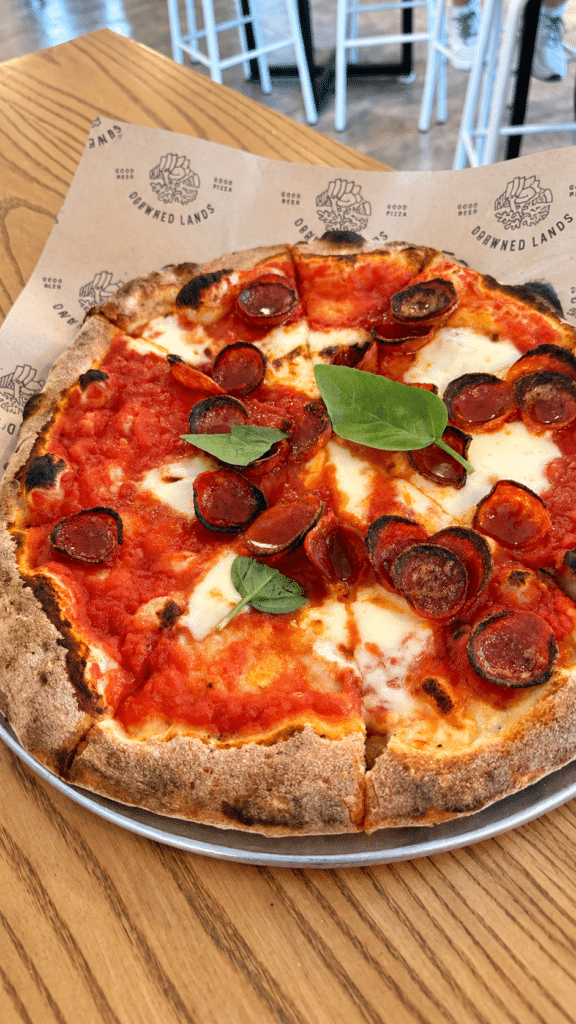
    Pepperoni pizza with fresh mozzarella, tomato sauce and basil at Drowned Lands Brewery.
    Pepperoni pizza with tomato, fresh mozzarella and fresh basil.
    Hometown Fav pizza with pepperoni, bacon, sausage, pickled jalapeños and scallions at Drowned Lands.
    Hometown Fav—pepperoni, bacon, sweet Italian sausage, pickled jalapeños and scallions.

    Regional ingredients and dough made with brewer’s yeast

    Drowned Lands names the farms, growers, and food producers it works with. That gives some substance to its emphasis on regional sourcing.

    The list includes Quaker Creek in Goshen, Brooklyn Brine Co. and No Trend//Foods in Warwick, and New Jersey producers including Inner Love, Emily’s Hearth, and Kittatinny Mountain Farms.

    Other listed partners include Taiim Hummus, Nettle Meadow Farm, Salumeria Biellese, RI Mushroom Co., North Country Smokehouse, and Gotham Greens.

    The kitchen also says all its bread and dough is fermented in-house with hand-selected brewer’s yeast, and all dressings are made from scratch.

    The dough detail is particularly relevant because that was already one of my favorite things about the pizzas. Knowing how they make it adds something to the story. Eating it is what made me want another slice.

    A Good Pretzel, a Demolished Dessert, and First-Visit Sellouts

    The sourdough pretzel was good, too. The menu paired it with Gather House beer cheese and Dijonnaise—a fitting addition to an afternoon at a brewery.

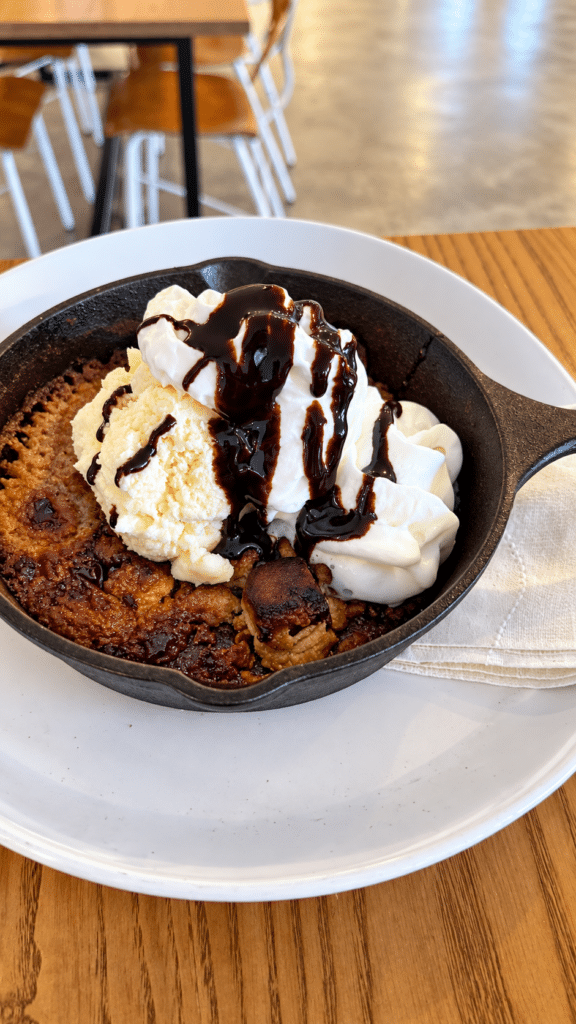
    My dining partner had the chocolate-chip cheesecake cookie skillet and absolutely demolished it. I’ll leave that verdict with the person who ate it, but there wasn’t much ambiguity in the response.

    On my first visit, I also wanted the wings. By the time I got around to my second food order, they were sold out. I’ve since tried them: decent, though the pizzas remain my favorites.

    The grill had sold out of brisket as well. Naturally, that made me curious, although a sellout doesn’t tell me how it tastes. I still haven’t tried the grill, so that part of the menu remains on my list.

    I still want to see what the grill is serving on a future visit. Brisket and pulled pork are things I would look for, rather than dishes I can recommend from experience yet.
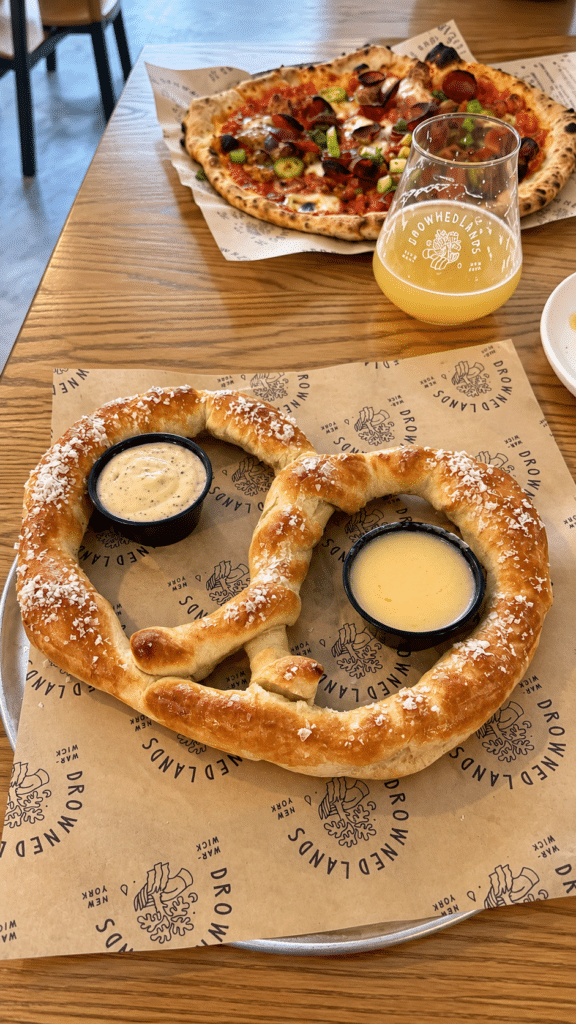
    Sourdough pretzel with flaky salt, beer cheese and dijonnaise, with pizza and beer in the background.
    Sourdough pretzel with Gather House beer cheese and dijonnaise.
    Chocolate chip cookie skillet topped with vanilla bean cheesecake filling and dark chocolate sauce at Drowned Lands.
    Warm chocolate chip cookie skillet with vanilla bean cheesecake filling and dark chocolate sauce.

    Since My First Visit: More Pizza, Wings, and Oyster Party

    I’ve been back since that original September visit, so this is no longer just a place I said I would return to. I had another pretzel, tried the fries—which were good—and finally got to the wings. The wings were decent. I’m glad I tried them, but the pizzas are still what I’m most enthusiastic about.

    The Hometown Fav, mushroom, and pepperoni pizzas have become my favorites, and I’ve ordered them to take home as well. On my first visit, I talked about driving out of my way for the pizza. Ordering it again is a better endorsement than simply saying I might.
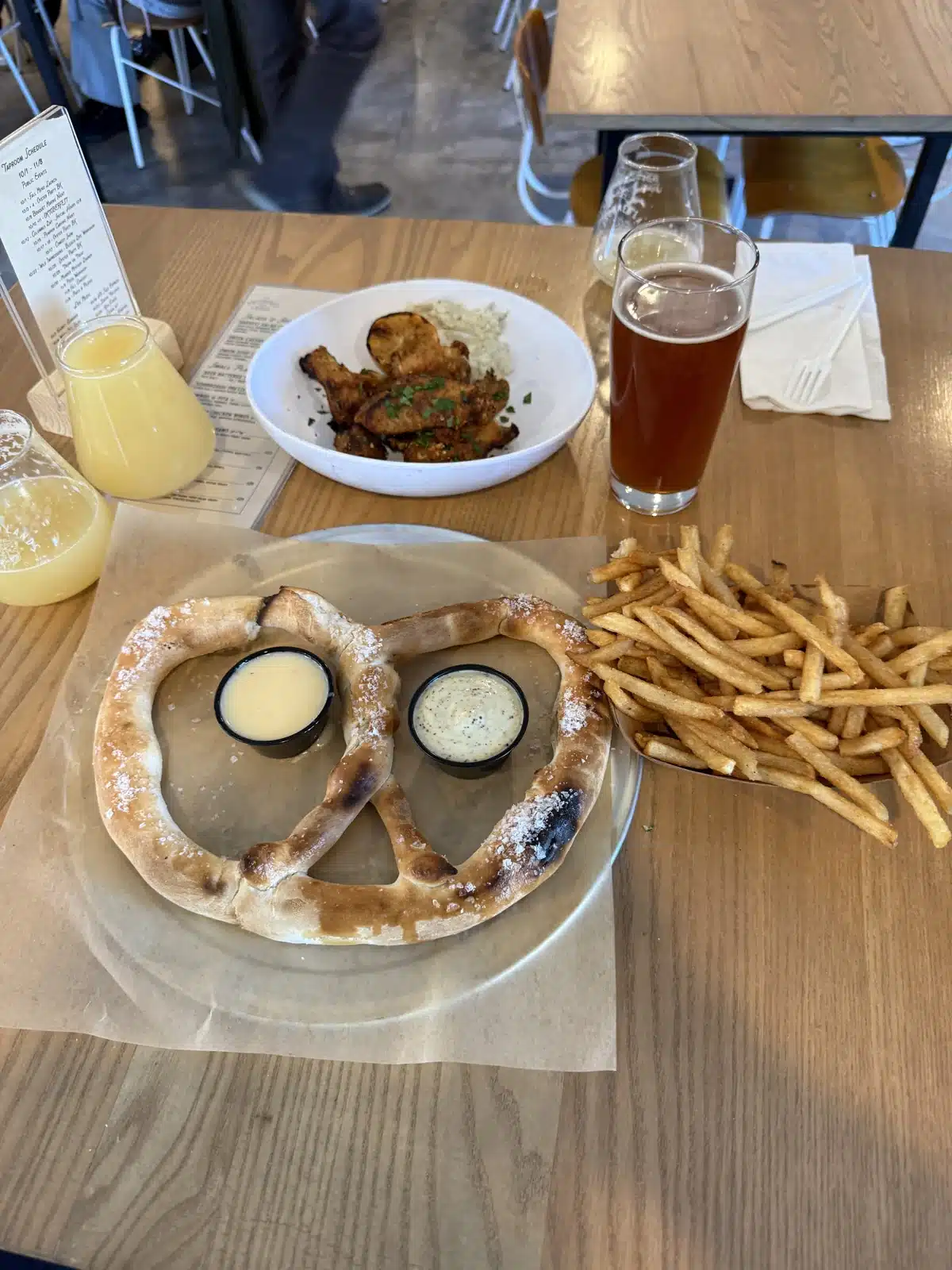
    Pretzel, fries, and wings on a table during a return visit to Drowned Lands Brewery
    Another pretzel, good fries, and decent wings on a return visit to Drowned Lands.
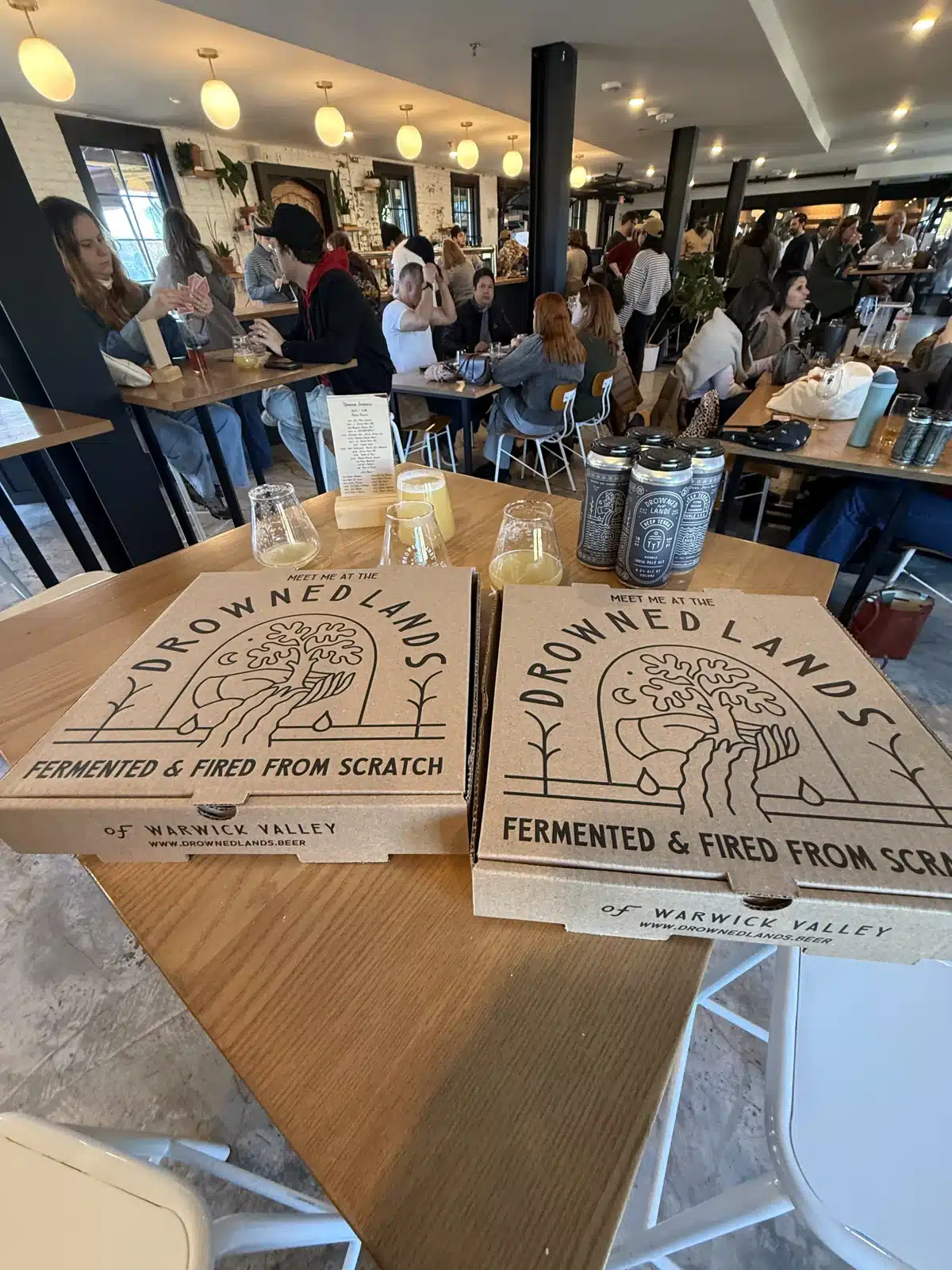
    Closed Drowned Lands pizza boxes ready to take home
    Taking Drowned Lands pizza home. The Hometown Fav, mushroom, and pepperoni pizzas are my favorites.

    Oyster Party was there, too

    Oyster Party was there during a return visit, and I had lobster rolls and oysters. I really like Oyster Party. I’d had their food at the Yes Chef Food Festival and had also visited their place in Hudson, so they were already familiar to me before this stop at Drowned Lands.

    That was part of my experience on that visit, not a promise that Oyster Party will be there whenever you go. If you are hoping to catch a particular guest vendor, check the brewery’s current event information first.
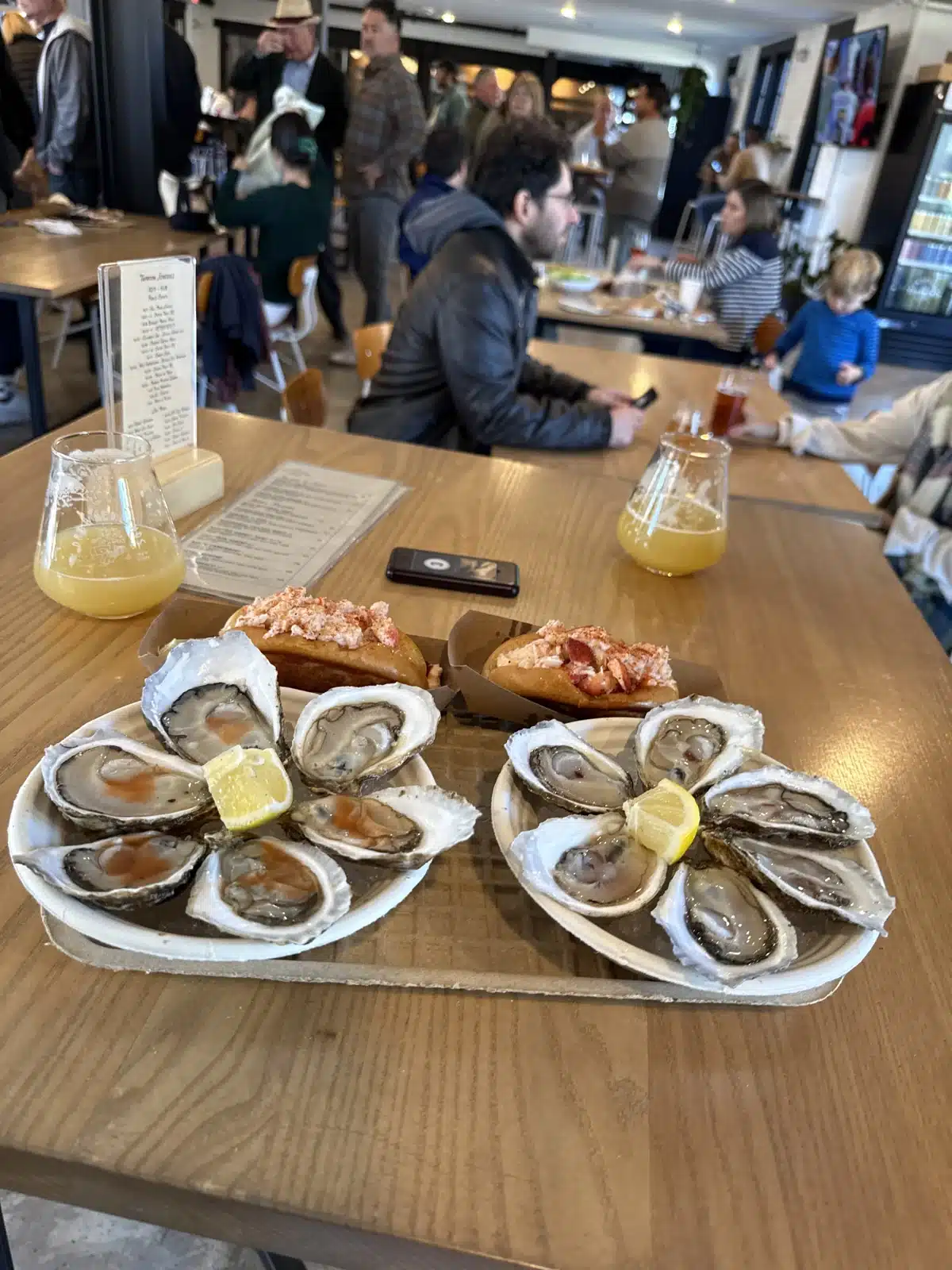
    Oysters and lobster rolls from Oyster Party during a visit to Drowned Lands Brewery
    Oysters and lobster rolls from Oyster Party, who were there during my return visit.
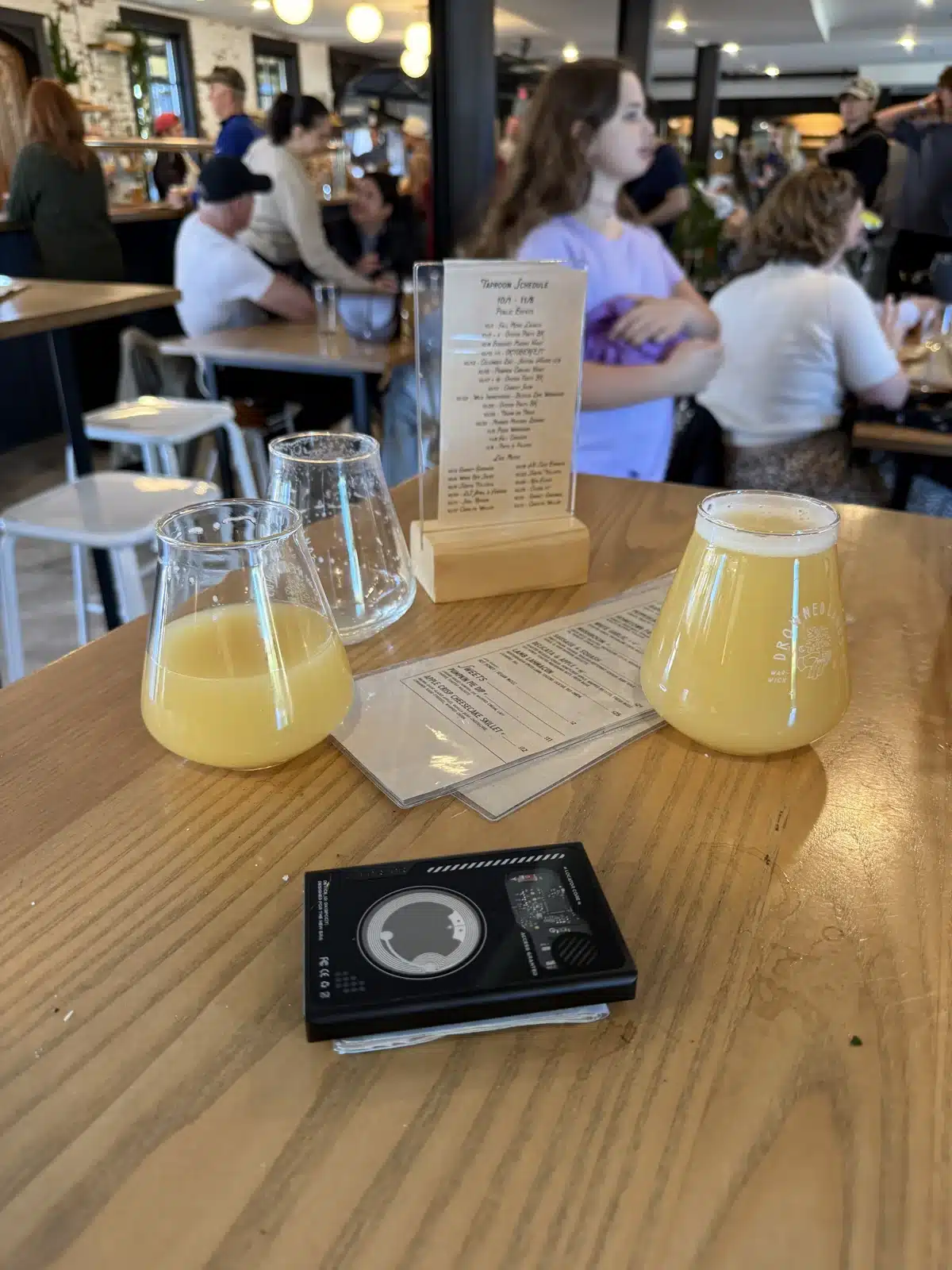
    Beer glasses and a LORZOR wallet on a wooden table inside the Drowned Lands taproom
    A return visit to Drowned Lands with my LORZOR wallet along for the day. Disclosure: LORZOR provided the wallet shown in this photo.

    The grill is still the missing piece for me. I’ve now tried the wings and added more pizza to the favorites list, but I haven’t tried the grill yet. I’ll keep that distinction clear rather than recommend something I haven’t eaten.

    A Busy Afternoon, With Hospitality That Stood Out

    Drowned Lands was busy. There were adults enjoying food, beer, and wine, along with plenty of families eating together while the parents enjoyed a drink.

    I wish I had taken more pictures of the crowd, because that was part of the experience. The mix of people tells you something about the appeal: you don’t have to be deeply interested in craft beer to find a reason to come here. The food gave our visit plenty of substance on its own.

    There was live music on the patio during my visit, too, which added another reason to settle in.

    The property has its own backstory. The brewery occupies part of the former Mid-Orange Correctional Facility campus, where a substantial renovation created the present tasting room and outdoor spaces. It’s an interesting transformation behind somewhere people now come to spend an afternoon together.

    Counter service with actual hospitality

    You order beer at the bar and receive it as you order. The line was almost always around 10–20 people long, but it moved quickly.

    Food works a little differently. Place your order at the food counter and take a small pager—the kind you might recognize from waiting for a table at a chain restaurant. Here, it lets you know when your freshly prepared food is ready to collect.
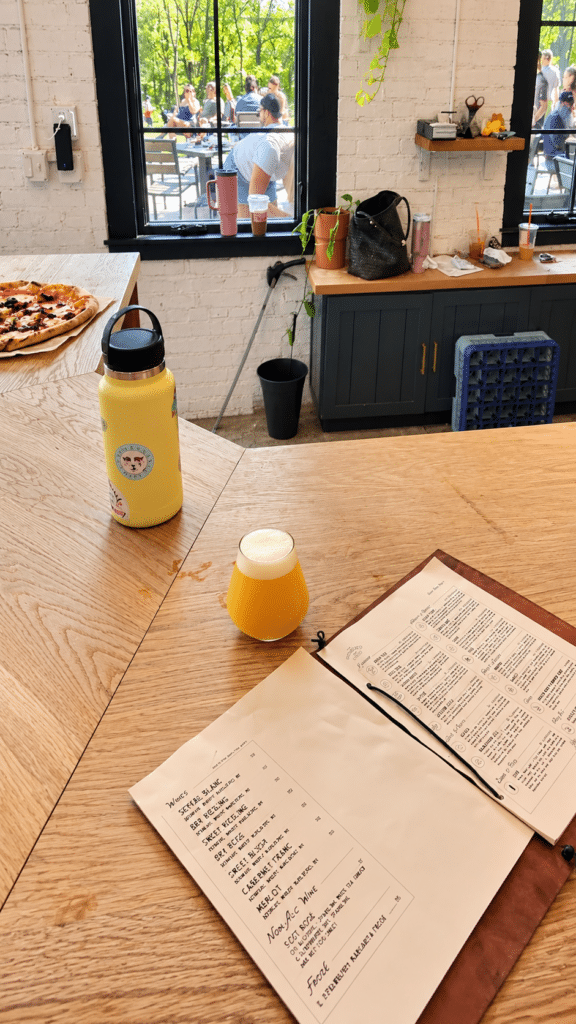
    Wooden bar counter with menus where guests order beer at Drowned Lands Brewery
    The bar where you order your beer at Drowned Lands.

    There are places to return your dishes and glasses, so the setup looks largely self-service. Yet whenever I finished a beer or a dish, someone seemed to be there offering to clear it.

    That attention stood out, especially with so many people around.

    The staff were smiling, friendly, and available to answer questions. You might place your own order at a counter, but you still felt looked after.

    Takeout boxes were readily available as well. It was easy to pack up what I couldn’t finish without having to track someone down.

    These are small things, but they make a busy place easier to enjoy. Good hospitality can show up in a brewery just as clearly as it does in a restaurant with full table service.

    Planning a Visit to Drowned Lands in Warwick

    Drowned Lands is at 251 State School Road in Warwick, New York. I would plan around the food as much as the beer. The pizzas and steak toast were not an afterthought during my afternoon here, and the kitchen is a large part of why I want to come back.

    Before making the trip, check the official kitchen menu and current tap list. The brewery currently notes an abbreviated menu on Mondays. Dishes, beer selections, and grill offerings can change, so use my meals here as firsthand experiences rather than a promise that every item will be available.

    For current hours, use the brewery’s official website. If you are visiting specifically for an event, check its individual details for timing, tickets, or any reservation requirements before setting out.

    Check the calendar before you go

    The official taproom events calendar is the best place to see what is coming up. You can come simply for beer and food, or choose a date around something else that interests you. After enjoying their pizza, a pizza workshop is the kind of event I would look for—but I would check the live calendar rather than plan around an old listing.

    My first visit also showed why it is worth ordering a must-try dish sooner rather than later. Both the wings and brisket sold out before I could try them that afternoon. I have since tried the wings, but not the grill. I still would not assume everything will be available when I go back for a second order.
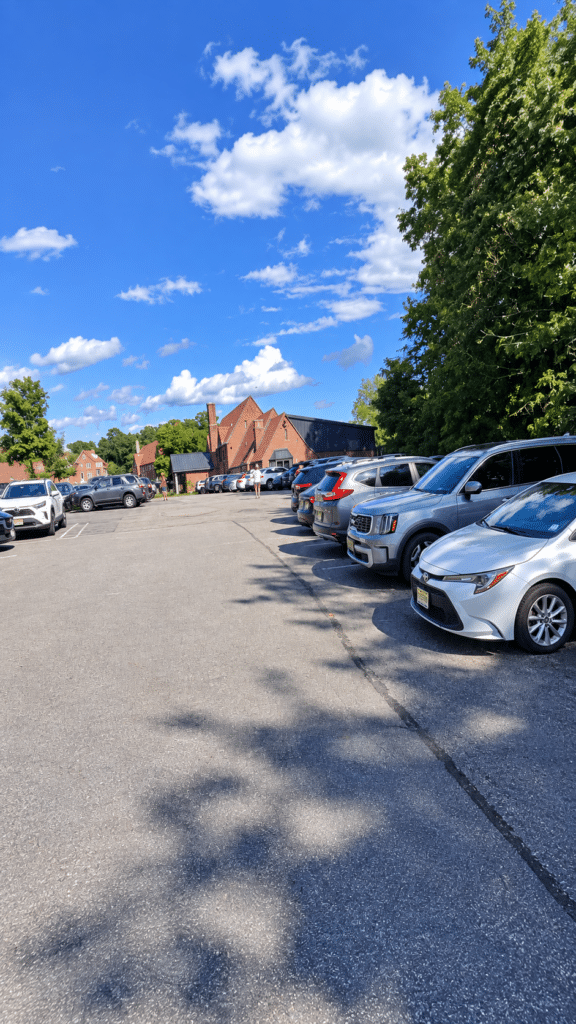
    Parking area leading toward Drowned Lands Brewery in Warwick, with trees and a blue sky.
    The parking area at Drowned Lands Brewery in Warwick.

    Drowned Lands Brewery Review: Is It Worth It?

    For me, yes.

    During my September visit, with the steak toast listed at $28 and our pizzas at $21 and $24, I wanted food that justified the prices. I enjoyed what those dishes delivered. The tender steak toast and the pizzas were the food standouts, and the pizza earned a place among my Hudson Valley favorites.

    The beer impressed someone who usually drinks cocktails and wine. Deep Terra was my favorite, and I enjoyed exploring Loam and Acacia, too.

    Then there was the service. Even with a packed property and a steady line at the bar, the staff stayed friendly, answered questions, and offered to clear dishes. That helped make the whole visit work.

    I’ve followed through on wanting to return, and I’ve ordered pizzas to take home. The Hometown Fav, mushroom, and pepperoni are my favorites. The fries were good, the wings were decent, and I enjoyed having Oyster Party there on a return visit. I still need to try the grill.

    Drowned Lands is one of those Hudson Valley places I’m happy to recommend—and now that recommendation includes going back, trying more of the food, and taking the pizza home. The steak toast and pizzas made the first impression. The pizza has kept me coming back.

    For another Hudson Valley spot where the food and hospitality delivered, read my BLACKBARN Hudson Valley review, covering brunch overlooking Esopus Falls in Saugerties.

    This review combines my original September 6, 2026 visit with subsequent firsthand experiences. Quoted prices and the original review photos are from the September visit. The return-visit section adds four later photos and my subsequent food experiences; Oyster Party’s presence describes that visit only. Menus, taps, guest vendors, hours, and events can change. Check current information before traveling.

    Completely Unnecessary. Absolutely Worth It.
  • BLACKBARN Hudson Valley Review: Farm-to-Table Dining That Delivers

    BLACKBARN Hudson Valley Review: Farm-to-Table Dining That Delivers

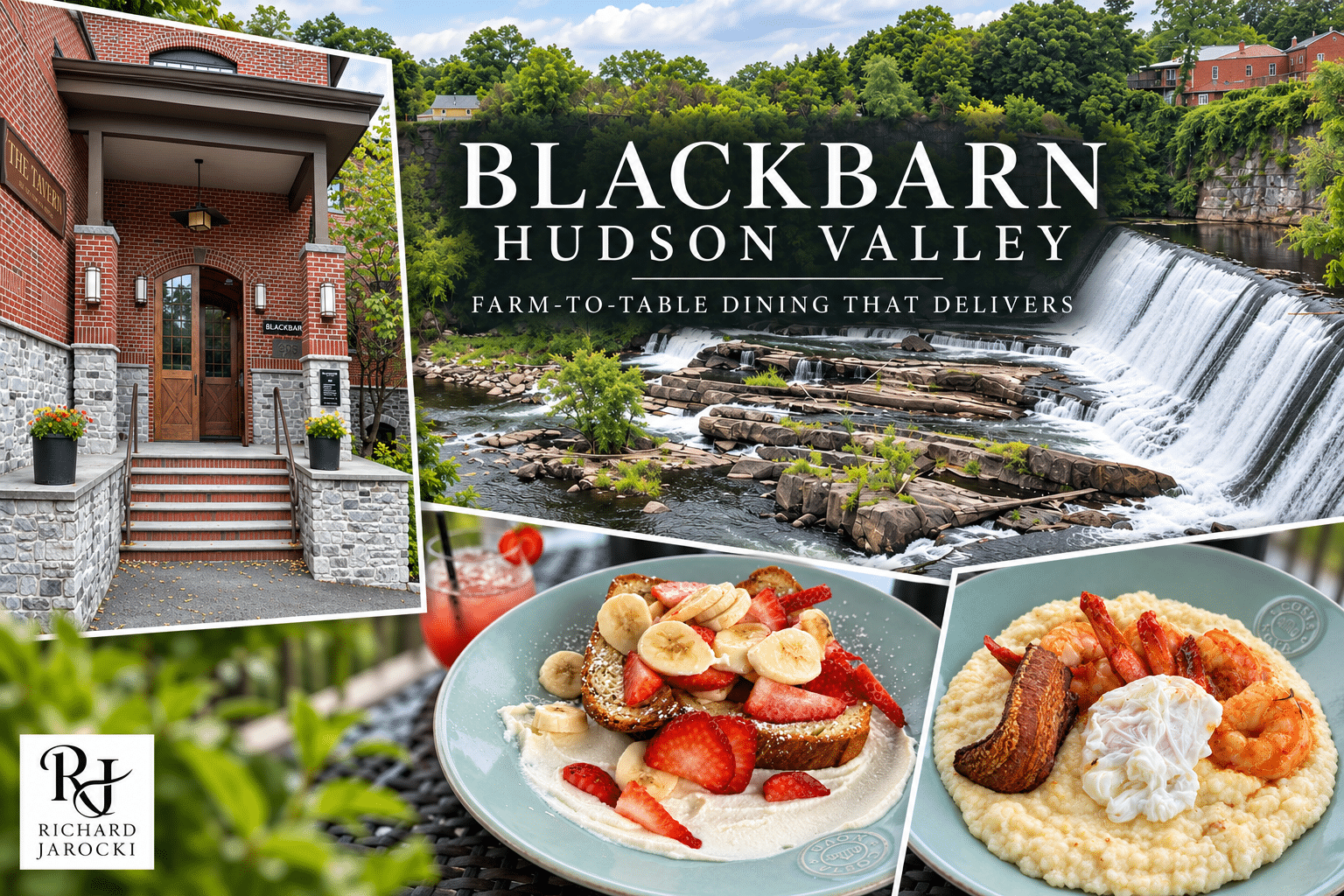
    BLACKBARN Hudson Valley entrance, Esopus Falls, strawberry and banana bruschetta, and shrimp and grits in Saugerties, New York

    BLACKBARN Hudson Valley at a Glance

    Location: Diamond Mills, 25 South Partition Street, Saugerties, New York
    Cuisine: Seasonal American and farm-to-table dining
    Experience: Weekend brunch overlooking Esopus Falls
    Price: Upscale brunch pricing—especially when you enjoy a cocktail or four
    What I ordered: Strawberry and banana bruschetta, loaded tater tots, kale Caesar salad, spicy watermelon salad, shrimp and grits, lobster roll, and matcha and black sesame sundae
    Standout dishes: Strawberry and banana bruschetta, spicy watermelon salad, shrimp and grits, and matcha and black sesame sundae
    Drinks: Creative cocktails with excellent, attentive beverage service
    Reservations: Recommended; outdoor patio seating is first-come, first-served and weather permitting
    Date visited: August 2026
    My verdict: A genuinely good Hudson Valley meal with fresh ingredients, strong service and a setting that does not have to compensate for the food

    BLACKBARN Hudson Valley Review: Farm-to-Table Dining That Delivers

    This BLACKBARN Hudson Valley review covers a farm-to-table brunch with creative cocktails, attentive service and a patio overlooking Esopus Falls in Saugerties.

    I am going to be honest: many Hudson Valley restaurants disappoint me. The setting may be beautiful and the ingredients may be described as local, but the food and service do not always live up to the prices—or the hype.

    BLACKBARN Saugerties was different. It delivered one of the better Hudson Valley brunch experiences I have had recently, combining fresh regional ingredients with reliable service and a genuinely impressive setting.

    The setting may be beautiful, the ingredients may be described as local and the dining room may photograph well, but the food and service do not always live up to the prices—or the hype. Too many restaurants seem to believe that a rustic building, a scenic view and the words “farm-to-table” are enough.

    They are not.

    BLACKBARN Hudson Valley was better than the average Hudson Valley restaurant. This outpost of BLACKBARN NoMad in New York City brought more than a recognizable name to Saugerties. It combined locally sourced ingredients, creative cooking, attentive service and a spectacular waterfall setting to deliver a genuinely good meal.

    The quick verdict: The view may get you through the door, but the fresh food, cocktails and attentive service make BLACKBARN Hudson Valley worth returning to.

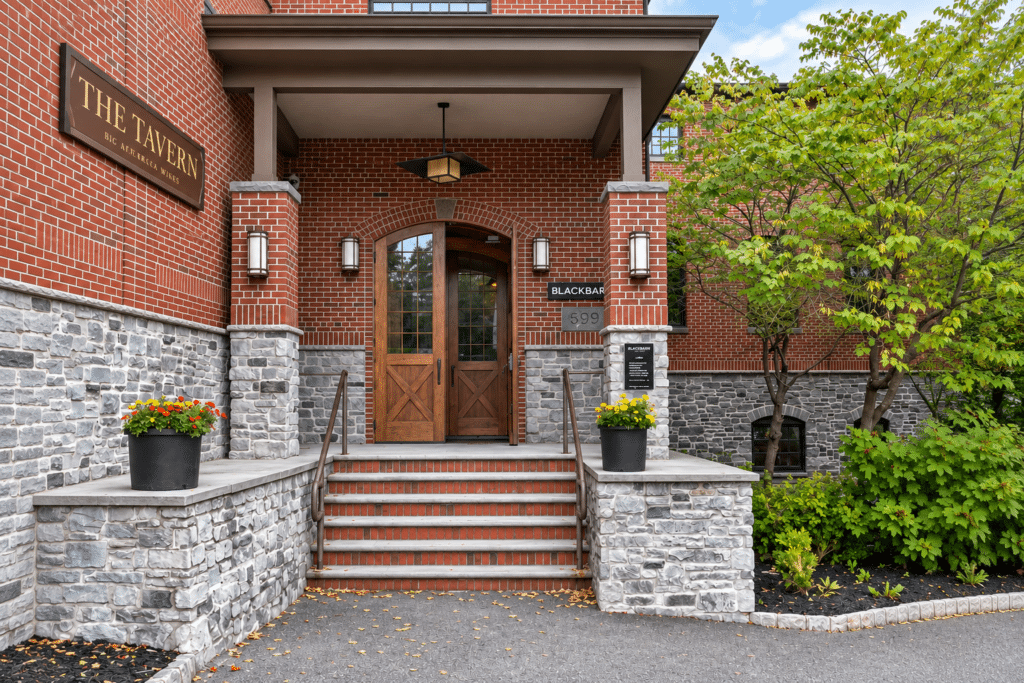
    Brick entrance to BLACKBARN Hudson Valley at Diamond Mills in Saugerties
    The entrance to BLACKBARN Hudson Valley at Diamond Mills.

    From New York City to the Hudson Valley

    Among Saugerties restaurants, BLACKBARN stands out because it combines the experience of its New York City sister restaurant with a distinctly regional approach.

    BLACKBARN Hudson Valley opened at Diamond Mills in 2023 as the sister restaurant to BLACKBARN NoMad in Manhattan.

    Both restaurants were created by chef and owner John Doherty, whose career includes three decades at the Waldorf Astoria in New York City. During that time, he led an enormous hotel kitchen operation and prepared meals for presidents, royalty and heads of state.

    The Hudson Valley restaurant is led by Executive Chef Marcos Castro, a Culinary Institute of America graduate whose cooking emphasizes seasonal, local and sustainable ingredients.

    Both BLACKBARN locations share a farm-to-table philosophy and some signature dishes, but the Saugerties restaurant gives the concept its own Hudson Valley identity.

    That New York City connection raised my expectations. Plenty of restaurants open secondary locations and deliver a watered-down version of the original experience.

    BLACKBARN Hudson Valley did not feel like one of them.

    Dining Beside Esopus Falls

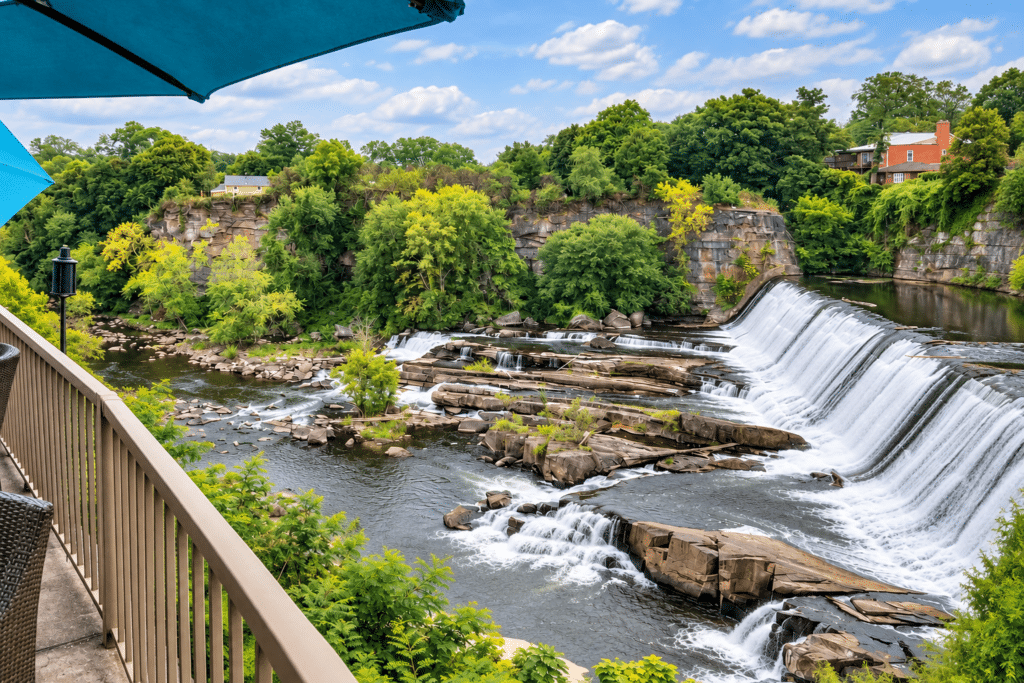
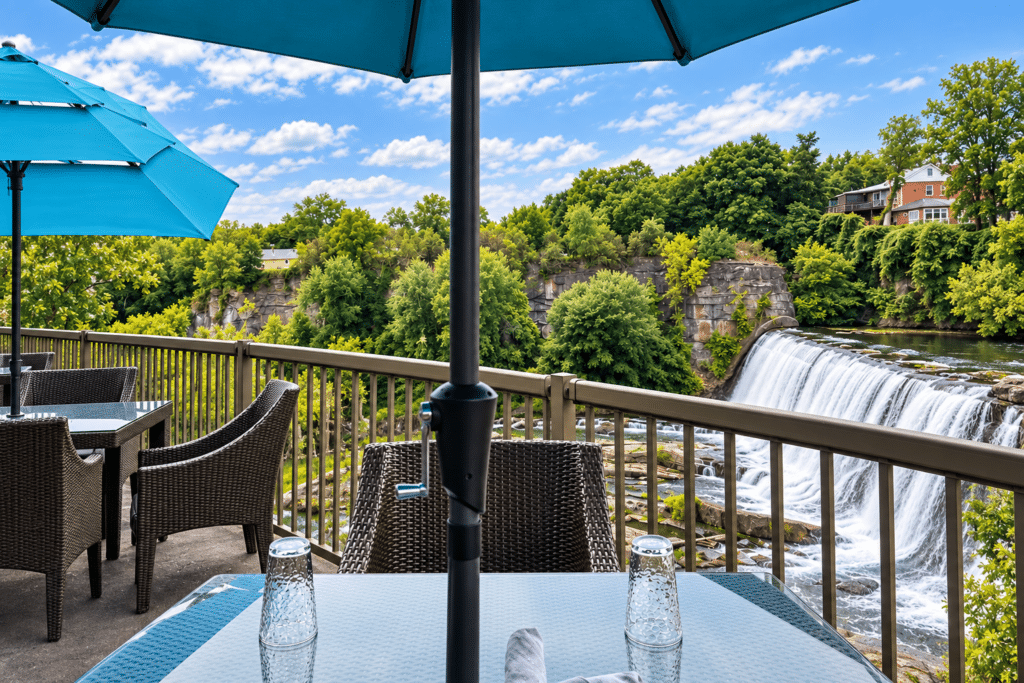
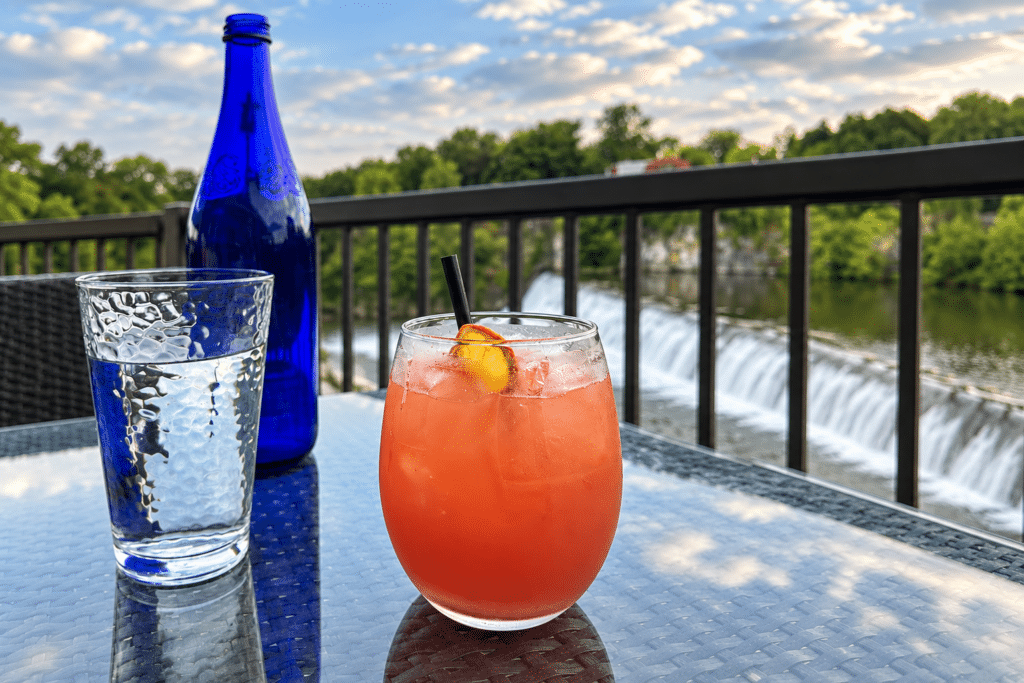
    BLACKBARN is located inside Diamond Mills in Saugerties, with an outdoor patio overlooking Esopus Falls.

    It is an impressive setting, particularly when the weather cooperates. Sitting outside with a cocktail while the water rushes past certainly adds something to the experience.

    However, waterfalls are not exactly rare in the Hudson Valley.

    A restaurant cannot simply place a few tables beside one and expect the scenery to compensate for average food or inattentive service. The waterfall may get people through the door, but the kitchen and staff still have to give them a reason to return.

    BLACKBARN did.

    Local Sourcing With Substance Behind It

    What distinguishes BLACKBARN from many farm-to-table restaurants in the Hudson Valley is its willingness to identify the farms and producers supplying its kitchen.

    “Farm-to-table” has become one of the most overused phrases in dining. Every restaurant seems to use it, but relatively few identify the farms and producers supplying the kitchen.

    BLACKBARN goes further by publishing a detailed list of its regional partners. According to the restaurant, it sources meat, seafood, produce, eggs, cheese and dairy from farms and producers throughout the Hudson Valley, New York and the Northeast.

    Its published suppliers include:

    • Feather Ridge Farms in Elizaville for organic brown eggs
    • Hepworth Farms in Milton for tomatoes, peppers and eggplant
    • Dressel Farms in New Paltz for apples, berries and honey
    • Wallkill View Farm in New Paltz for seasonal vegetables
    • Ronnybrook Farm Dairy in Pine Plains for butter, cream, milk and sour cream
    • Hudson Valley Cattle Company for grass-fed beef
    • Catsmo Artisan Smokehouse in Wallkill for smoked salmon and trout
    • The Kayla Marie fishing boat in Maine for lobster

    Naturally, menus and individual ingredients can change with the season. That is part of what authentic farm-to-table cooking should involve.

    The larger point is that BLACKBARN has developed real relationships with regional producers instead of using “local” as an empty marketing phrase.

    More importantly, that commitment translated to the plate. The salads were bright, the fruit tasted fresh and the menu felt appropriate for a summer afternoon in the Hudson Valley.

    What I Ate at BLACKBARN Hudson Valley

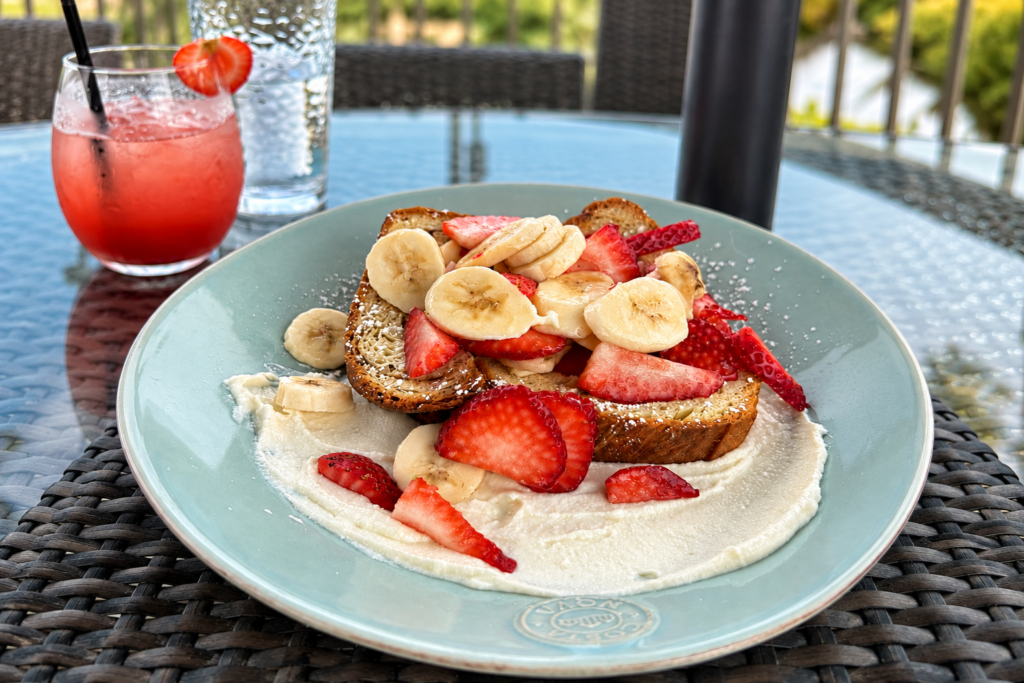
    Strawberry and Banana Bruschetta

    Strawberry and banana bruschetta served during brunch at BLACKBARN Hudson Valley
    The fresh strawberry and banana bruschetta was an unexpected brunch highlight.

    The strawberry and banana bruschetta was one of the most unexpected dishes of the meal.

    Fruit on bruschetta could easily become overly sweet or gimmicky, but this worked. It was fresh, colorful and different from the predictable appetizers found on most brunch menus.

    This was also the kind of simple dish where the quality of the ingredients mattered. Poor fruit would have immediately exposed itself, but everything tasted bright and intentional.

    Loaded Tater Tots

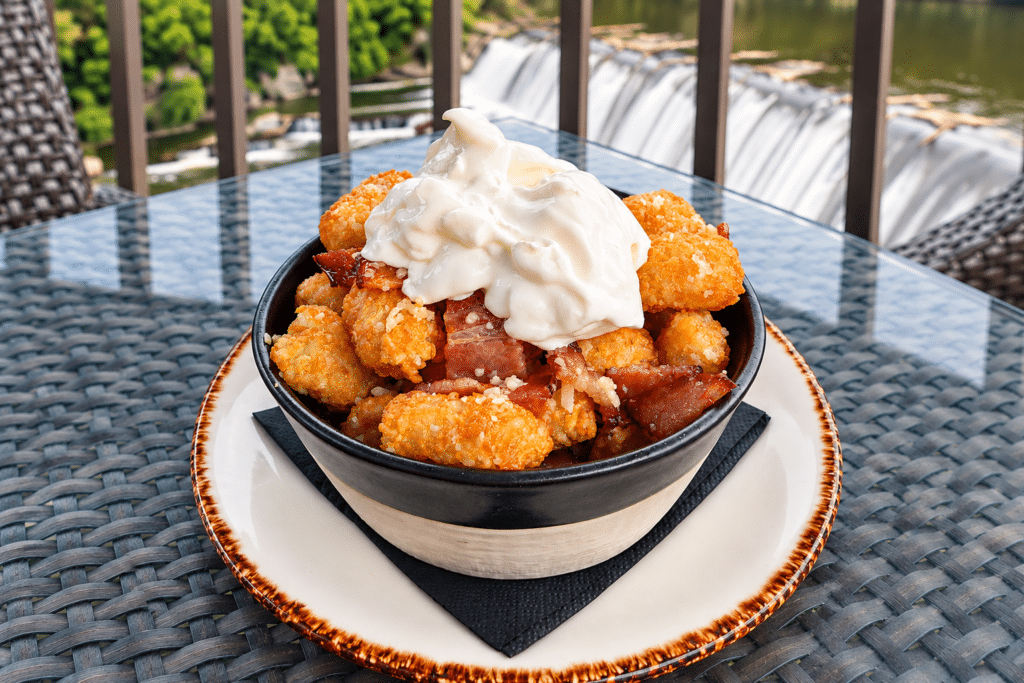
    Loaded tater tots served at BLACKBARN Hudson Valley brunch
    Crispy, indulgent and exactly what loaded tater tots should be.

    The loaded tater tots were exactly what a brunch appetizer should be: crispy, indulgent and made for sharing.

    They were not attempting to reinvent anything. They were simply satisfying and properly executed.

    Not every plate needs a complicated story. Sometimes people want good loaded tater tots with their cocktails.

    Kale Caesar Salad

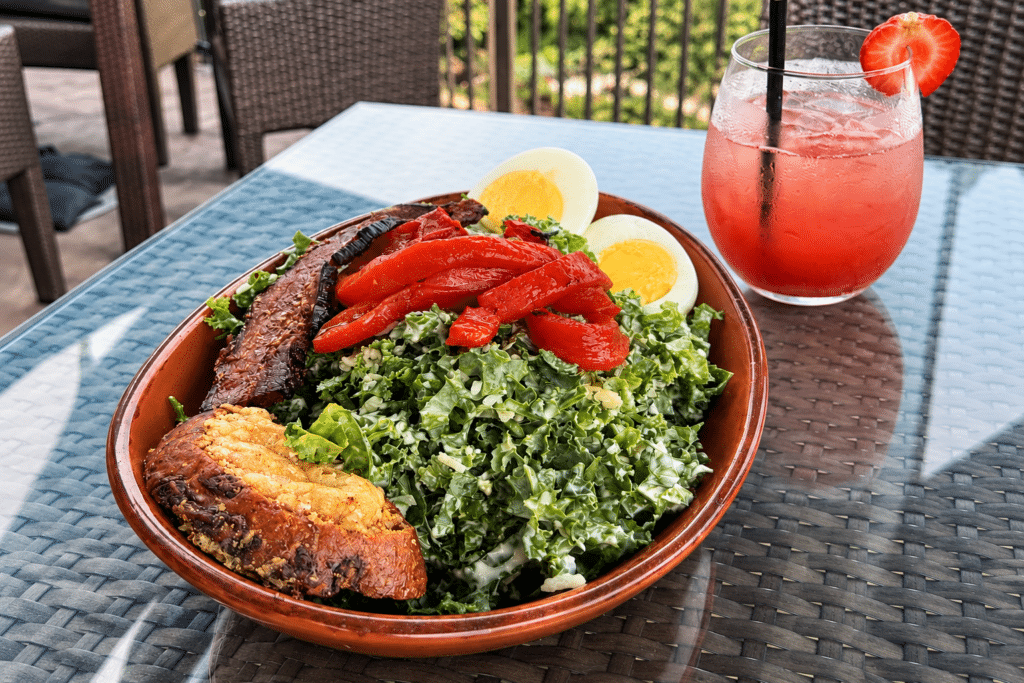
    Kale Caesar salad served with brunch at BLACKBARN Hudson Valley
    The kale Caesar was substantial without becoming unnecessarily heavy.

    The kale Caesar tasted as fresh as it looked. The kale was crisp, vibrant and sturdy enough to hold the creamy, savory dressing without becoming soggy. There was enough dressing to coat the greens properly, but not so much that it overwhelmed their natural flavor or texture.

    The quality of the vegetables was noticeable. Everything tasted clean and fresh, with the kind of crunch that separates a well-made salad from something added to the menu as an obligation. This felt like a considered part of the meal and another example of BLACKBARN’s focus on quality, locally sourced produce.

    Spicy Watermelon Salad

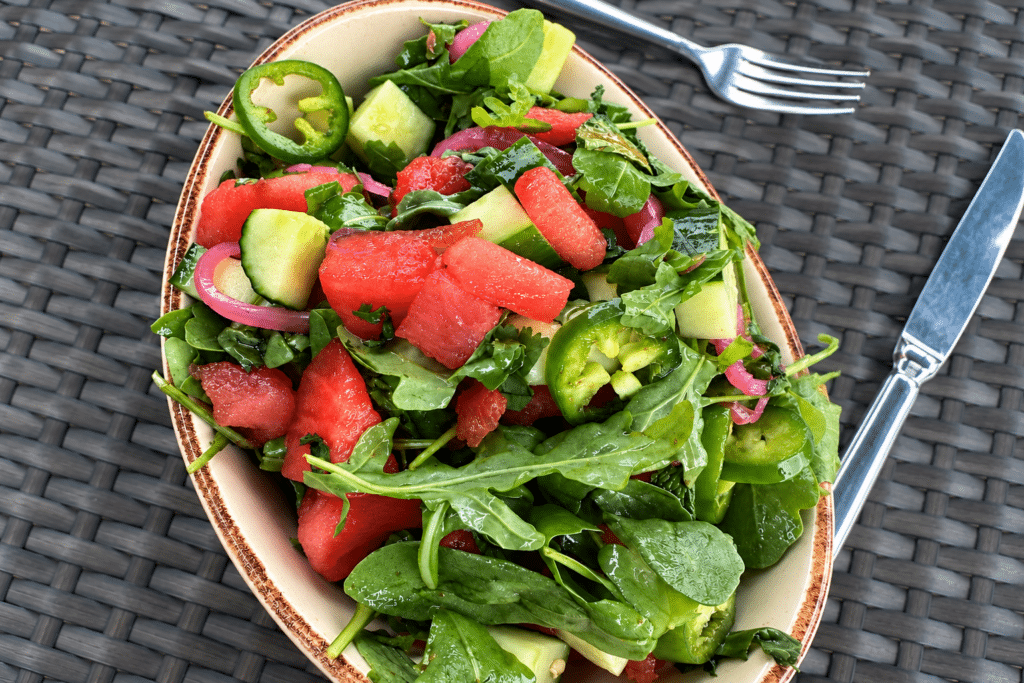
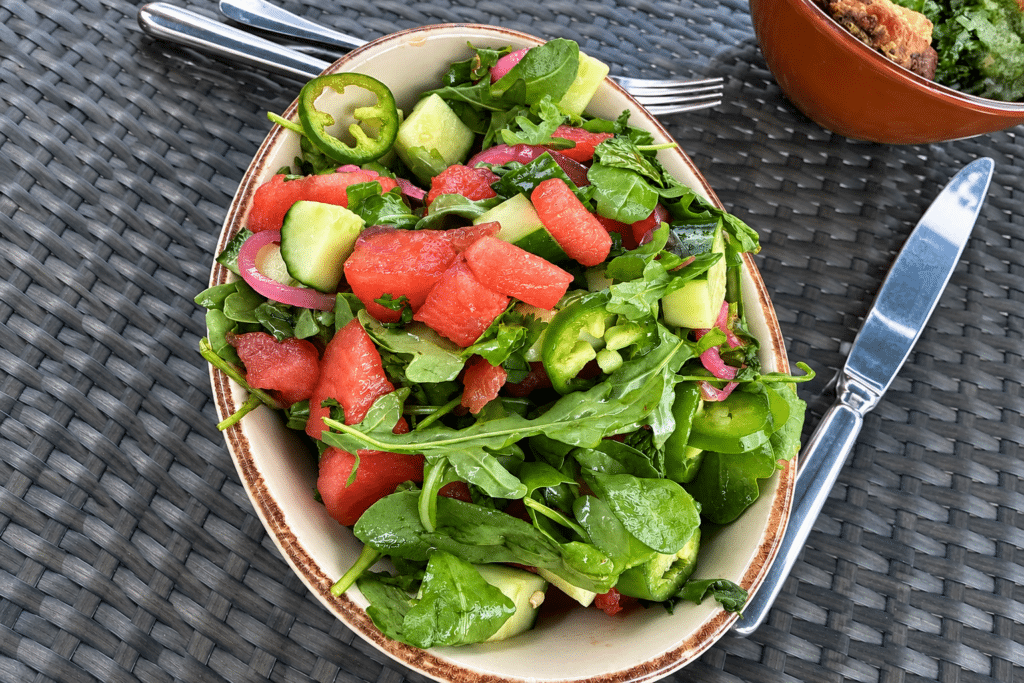
    Spicy watermelon salad with greens and fresh vegetables at BLACKBARN Hudson Valley
    Sweet watermelon and fresh vegetables with enough heat to make the salad memorable.

    The spicy watermelon salad was especially appropriate for a summer meal outside.

    The sweetness of the watermelon and the heat worked well together, making it refreshing without being forgettable. It was another dish that demonstrated how BLACKBARN uses fresh produce to create something more interesting than a generic side salad.

    The Main Courses

    Shrimp and Grits

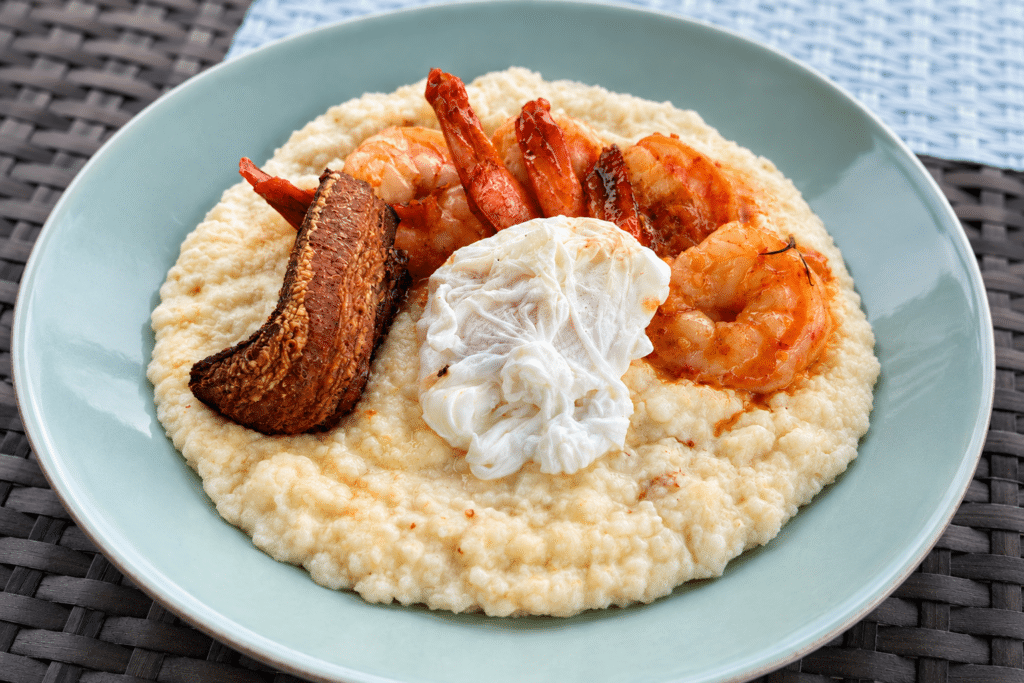
    Shrimp and creamy grits with a poached egg at BLACKBARN Hudson Valley
    The shrimp and grits delivered the richer, more comforting side of brunch.

    The shrimp and grits delivered the richer, more comforting side of brunch.

    It was flavorful, filling and substantial enough to follow the lighter starters. It provided a nice contrast to the fruit- and vegetable-driven dishes that began the meal.

    Lobster Roll

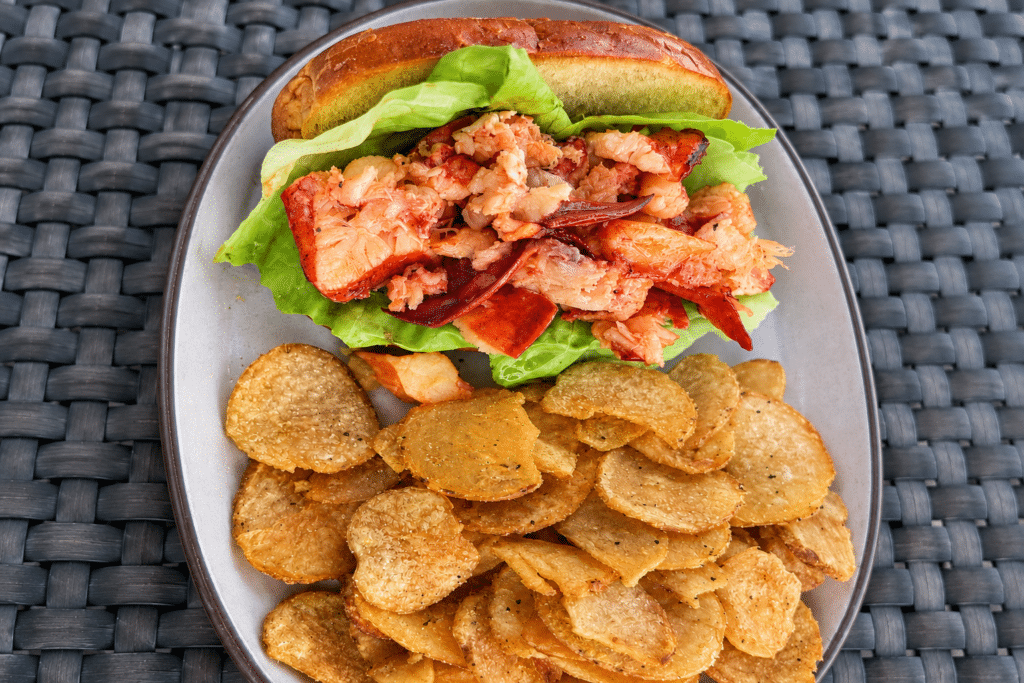
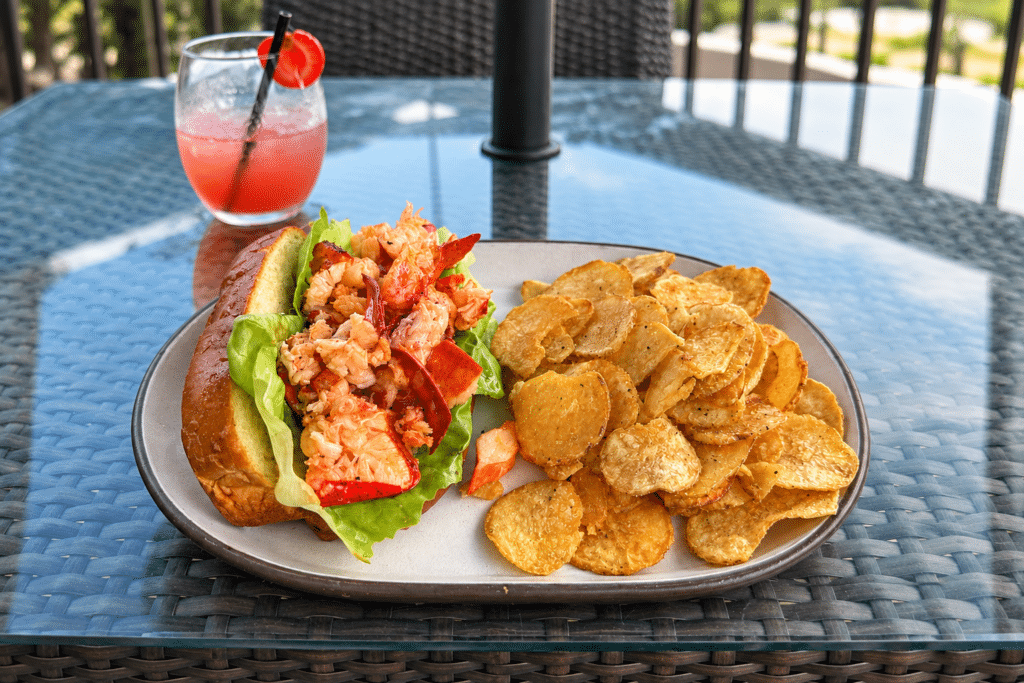
    Lobster roll with house-made potato chips at BLACKBARN Hudson Valley
    A generously filled lobster roll served with crispy potato chips.

    The lobster roll was another strong choice and felt perfectly suited to an outdoor meal beside the water.

    BLACKBARN identifies the Kayla Marie fishing boat in Maine among its lobster sources. The restaurant did not bury the lobster beneath unnecessary ingredients, allowing the seafood to remain the focus.

    Taken together, the appetizers, salads and main courses demonstrated that the kitchen could balance lighter seasonal dishes with the indulgent food people actually want during brunch.

    Nothing felt as though it had been created only to look good in a photograph. The dishes tasted as good as they appeared.

    Cocktails and Service That Did Not Disappear

    The service deserves as much credit as the food.

    We chose to sit outside and were the only guests dining in that area. At many restaurants, that is when you risk becoming invisible. Once the staff goes back inside, finding someone to order another drink—or even obtain the check—can become a project.

    That did not happen here.

    The team checked on us regularly, and we never felt forgotten or rushed. My cocktail was never actually empty before someone asked whether I wanted another.

    Yes, I enjoy a cocktail—or four. Before anyone asks, I was not driving.

    It may sound like a small detail, but attentive beverage service is one of the easiest ways to determine whether a restaurant is paying attention.

    Too many Hudson Valley restaurants leave guests waiting far too long for another drink. BLACKBARN understood the assignment.

    Save Room for Dessert

    I almost forgot to mention dessert, which would have been a serious omission.

    The matcha and black sesame sundae combined a rich matcha brownie, mango compote, coconut gelato and sesame brittle.

    It was an interesting combination of earthy, tropical, sweet and slightly savory flavors. The mango and coconut kept the dessert bright, while the matcha and black sesame provided depth. The sesame brittle added the crunch needed to bring the different textures together.

    It was creative without feeling like the kitchen was trying too hard to be clever.

    The restaurant’s dessert program is overseen by Executive Pastry Chef Kerry Hegarty, a Hudson Valley native and Culinary Institute of America graduate.

    The sundae was an excellent finish and another example of BLACKBARN delivering beyond what I normally expect from a regional hotel restaurant.

    Is BLACKBARN Hudson Valley Worth It?

    My BLACKBARN Hudson Valley review ultimately comes down to one question: did the restaurant deliver more than an attractive waterfall view?

    Yes.

    BLACKBARN Hudson Valley is better than your average Hudson Valley restaurant experience.

    The waterfall and outdoor patio make an attractive first impression, but the food, cocktails and service make the restaurant worth visiting. The local sourcing is not simply a convenient phrase printed on the menu. BLACKBARN identifies relationships with regional farms, orchards, dairies and seafood suppliers, and that commitment translated into fresh, seasonal food.

    The appetizers and salads were thoughtful, the main courses delivered, the cocktails kept arriving and dessert finished the meal on a high note.

    Most importantly, the staff remained attentive even though we were the only table seated outside.

    The Verdict

    BLACKBARN benefits from its connection to a successful New York City restaurant, but it does not feel like a lesser regional outpost.

    It brings New York City ambition to the Hudson Valley while using the farms, ingredients and seasonal flavors available in its own backyard.

    The waterfall brought me in. The locally sourced food, strong cocktails and attentive service are why I would return.

    For anyone researching Hudson Valley brunch or comparing Saugerties restaurants, BLACKBARN deserves serious consideration.

    Completely unnecessary? Maybe. Absolutely worth it.

    Useful Links

  • Four Corners Dassai Blue Pop-Up

    Four Corners Dassai Blue Pop-Up

    Four Corners Dassai Blue Pop-Up

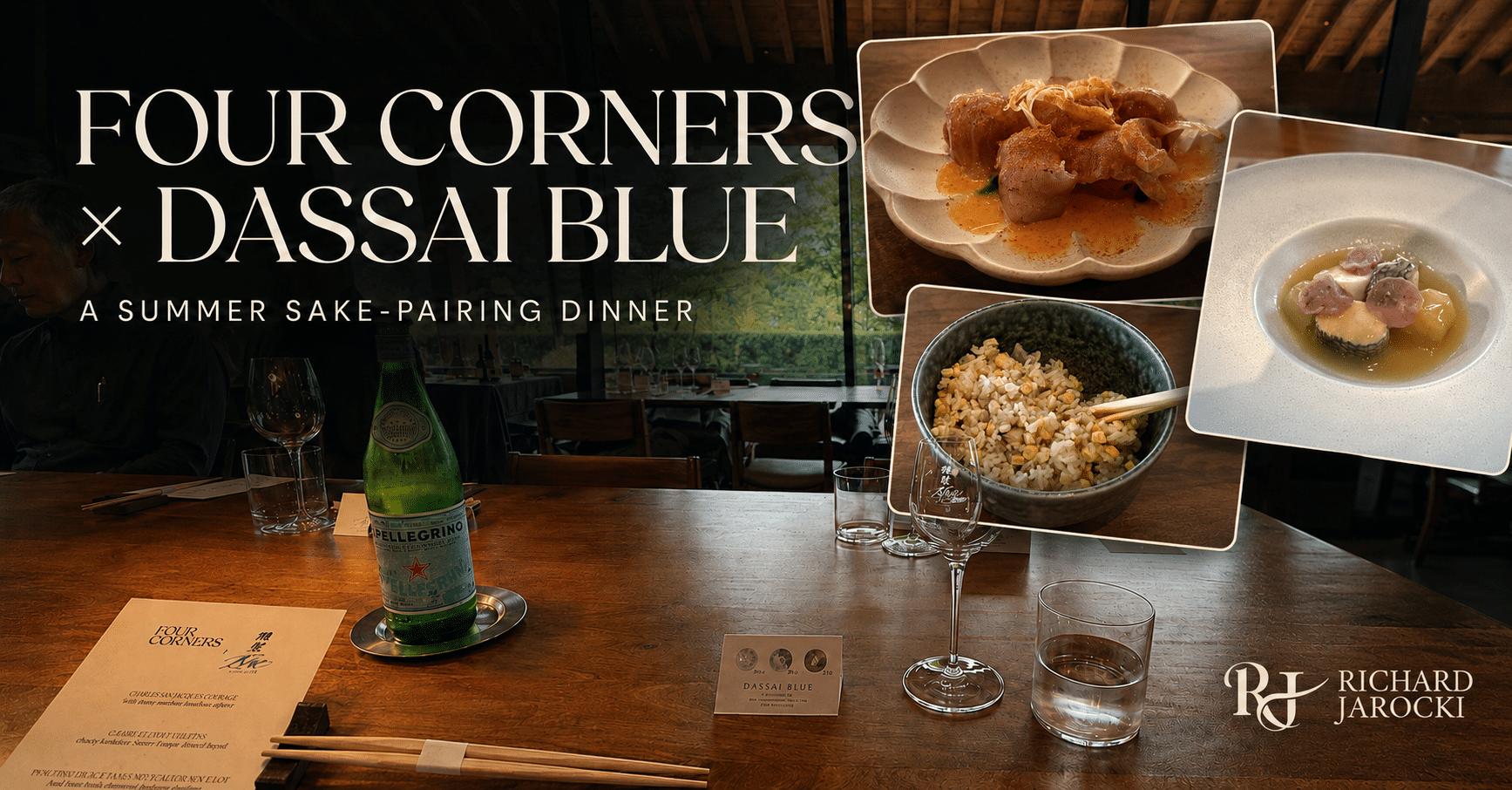
    Four Corners and Dassai Blue dining room with three featured dishes from the sake-pairing dinner.

    Four Corners at Dassai Blue: The Pop-Up Was Worth the Return

    I went back to Dassai Blue one day after publishing that I was returning. Chef David Israelow and Four Corners gave me another reason to keep watching what this Hyde Park brewery does next.

    A different dinner, the same reason to return

    My first meal at Dassai Blue was an omakase built around sushi, close interaction with the chef and a progression of sake pairings. The Four Corners pop-up was completely different: four composed courses, peak-summer produce and a menu shaped by Japanese and French technique.

    That difference was the point. Dassai Blue is strongest when it acts as more than a tasting room. It gives chefs a setting where sake can help structure the food instead of sitting on the side as an optional pour.

    A preview of Four Corners before Chatham

    Four Corners is the first restaurant of Chef David Israelow and is now expected to open in Chatham, New York, in 2027. Israelow previously served as culinary director and head chef at Michelin-starred One White Street in Tribeca. He is also a graduate of the French Culinary Institute and the Tokyo Sushi Academy, a combination that helps explain the French and Japanese framework of this pop-up menu.

    The restaurant is taking over the historic former Blue Plate building on Chatham’s traffic circle, a property dating to the 1850s. Israelow has described the project as a restoration rather than a renovation, with the goal of respecting a building that spent decades as a community dining room. The Four Corners name also reaches into local history: Chatham was once known as Chatham Four Corners.

    Israelow’s connection to the region goes beyond opening a restaurant upstate. He apprenticed at Hawthorne Valley Farm in 2017 and has described a microseasonal approach built around nearby farms, producers and what is available right now. His Hudson Valley pop-ups are the proof of concept—an introduction to the cooking, the approach and the restaurant before the doors officially open.

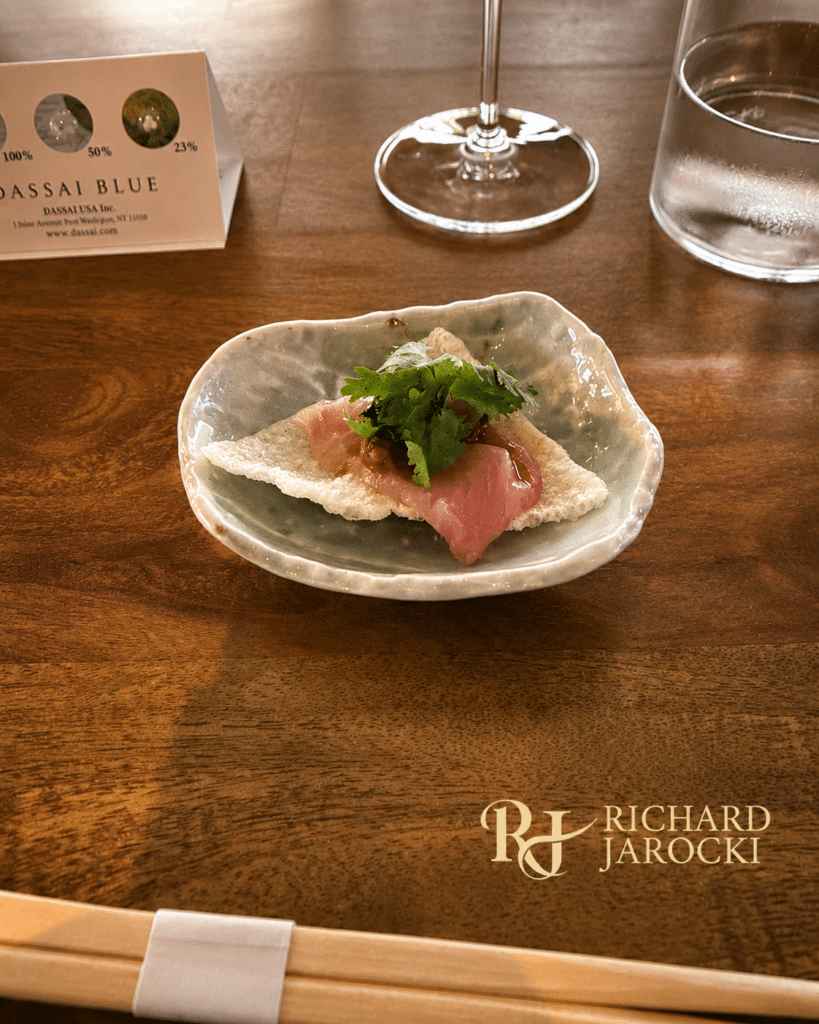
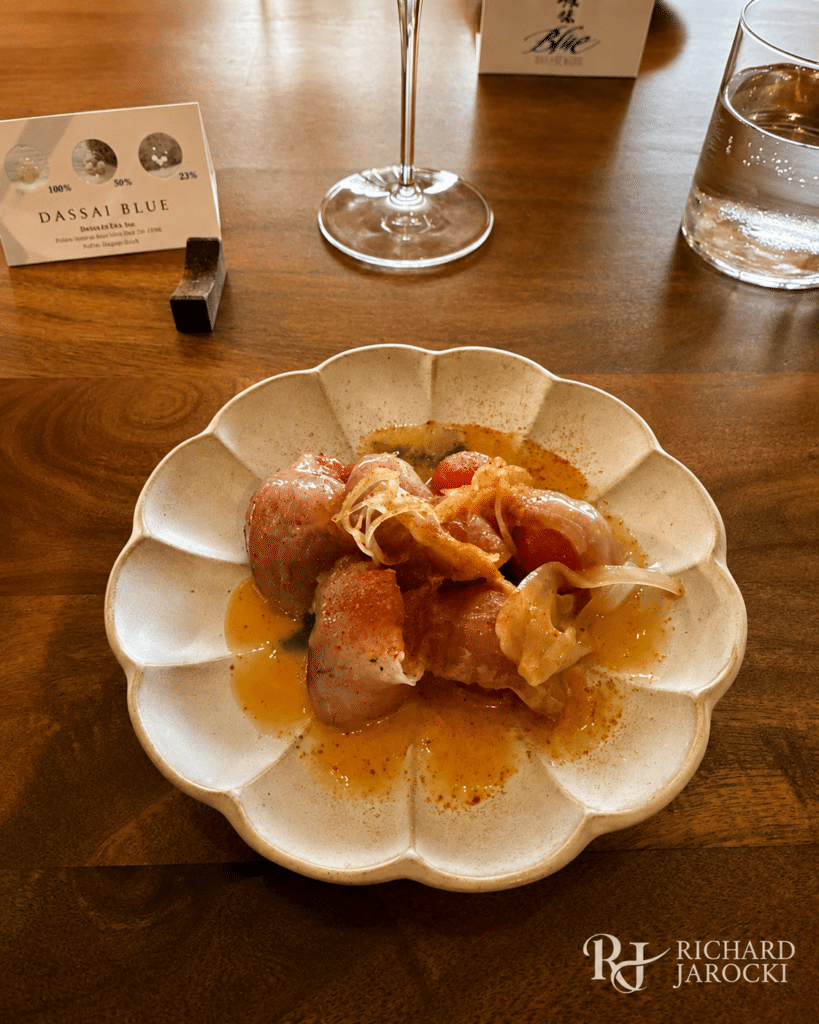
    The meal began with an bite of hamachi on crispy rice with cilantro.

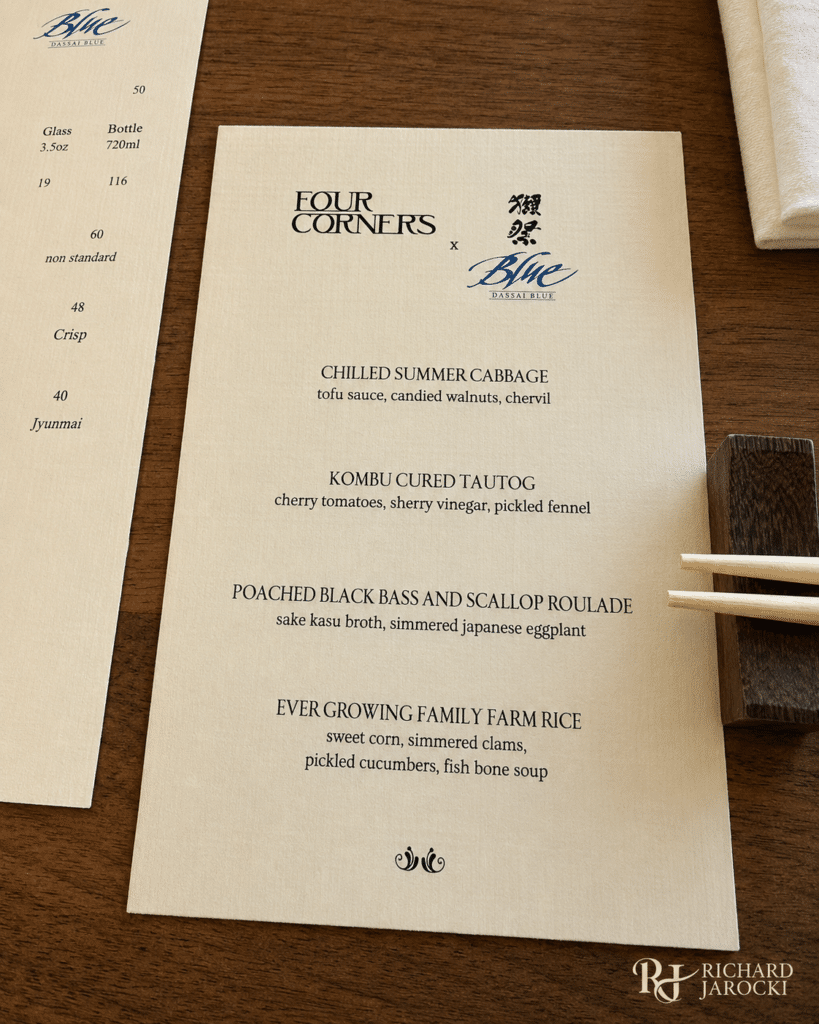
    The printed savory menu was concise, followed by dessert:

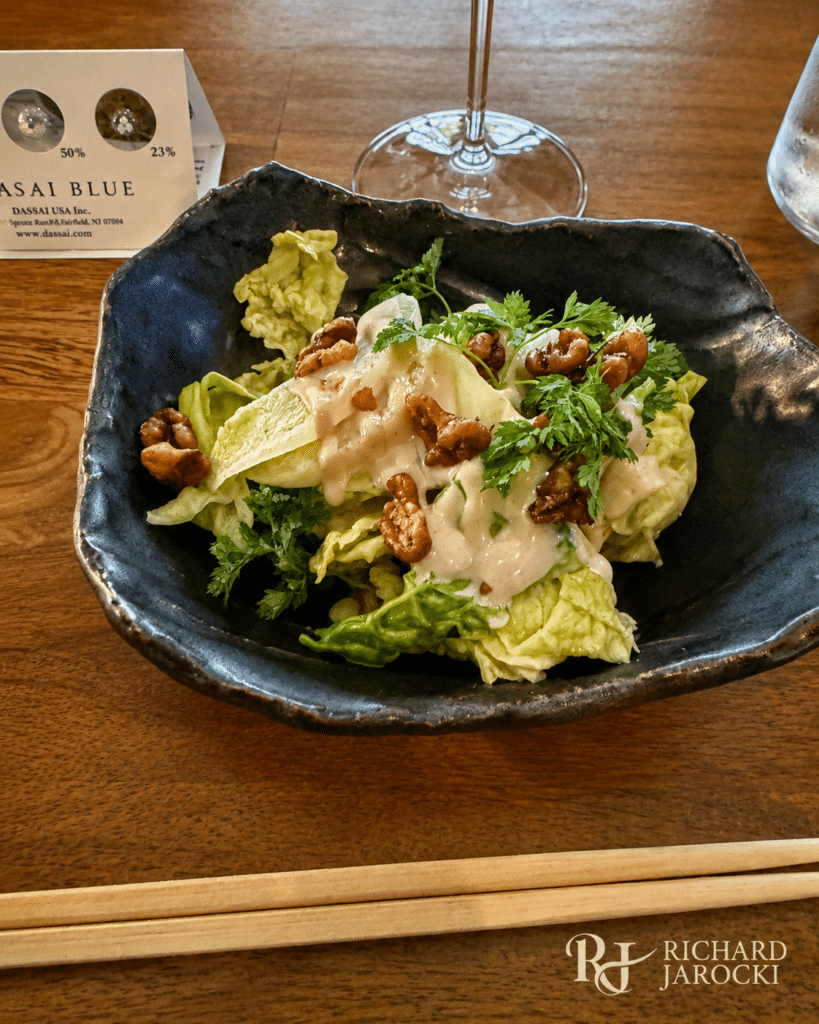
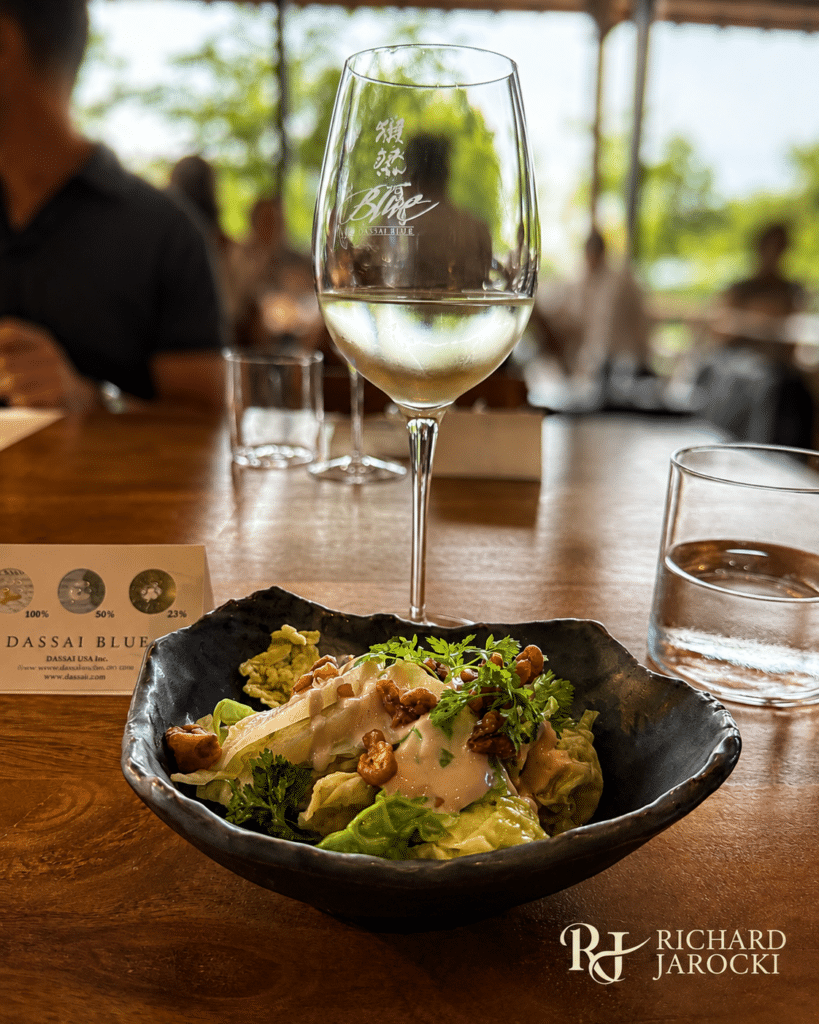
    Chilled summer cabbage with tofu sauce, candied walnuts and chervil

    Kombu-cured tautog with cherry tomatoes, sherry vinegar and pickled fennel

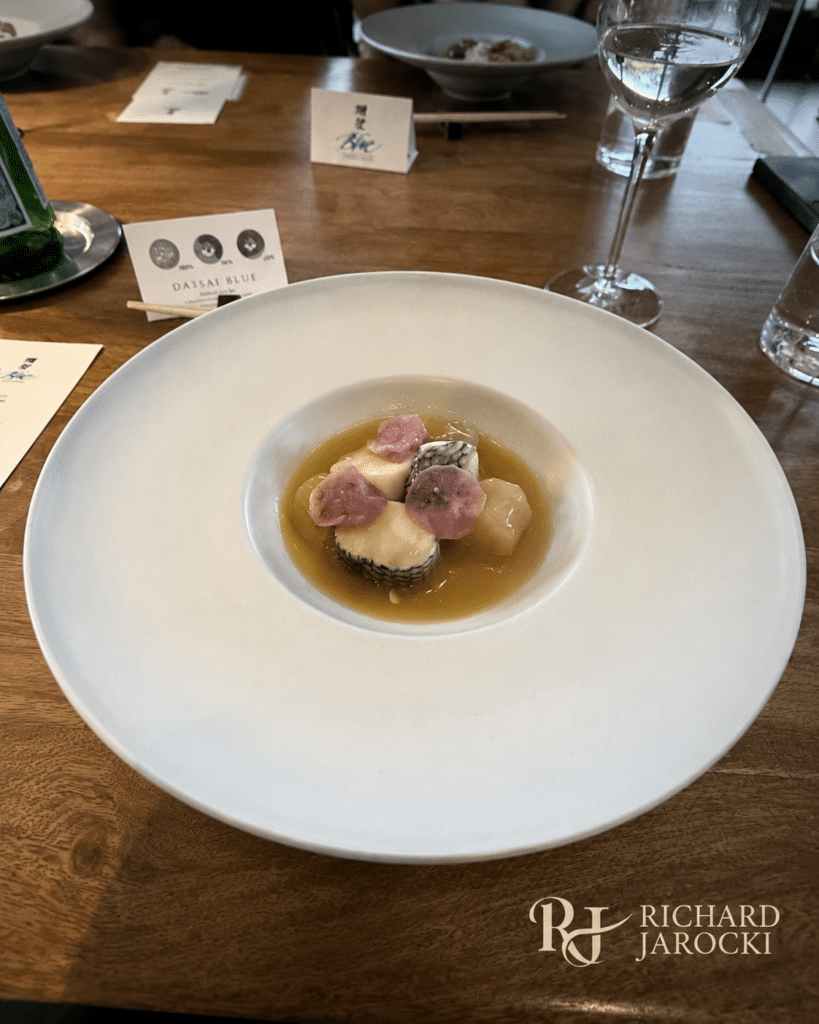
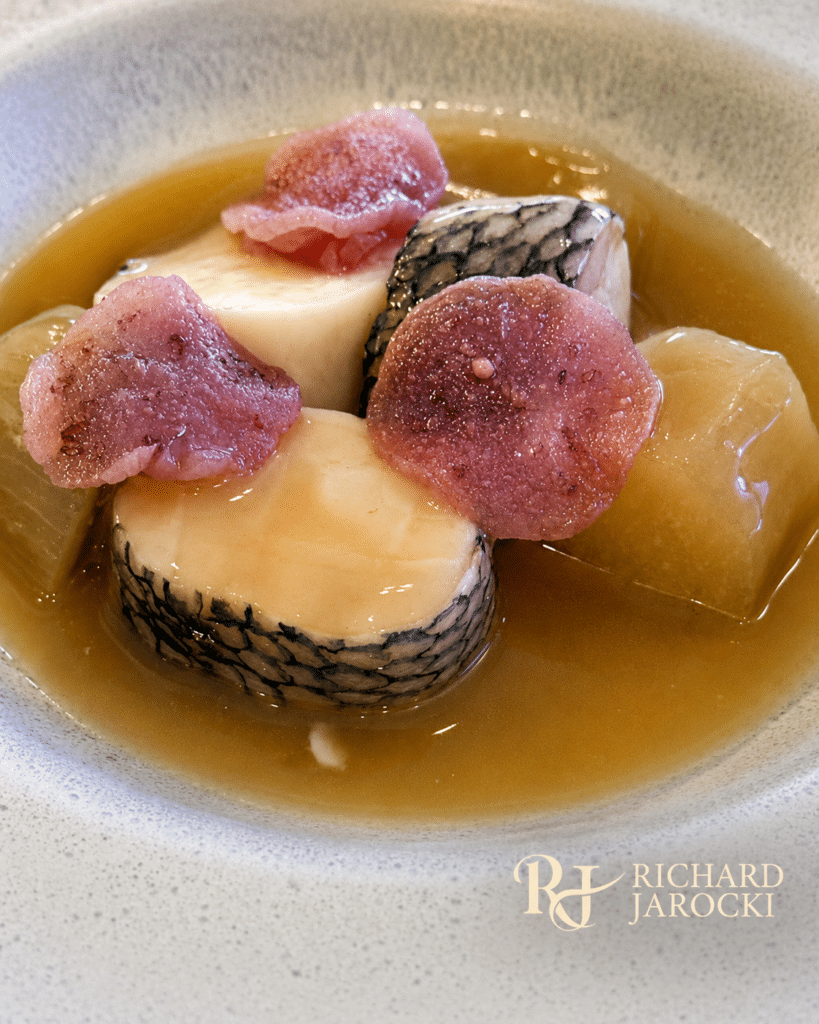
    Poached black bass and scallop roulade with sake kasu broth and simmered Japanese eggplant

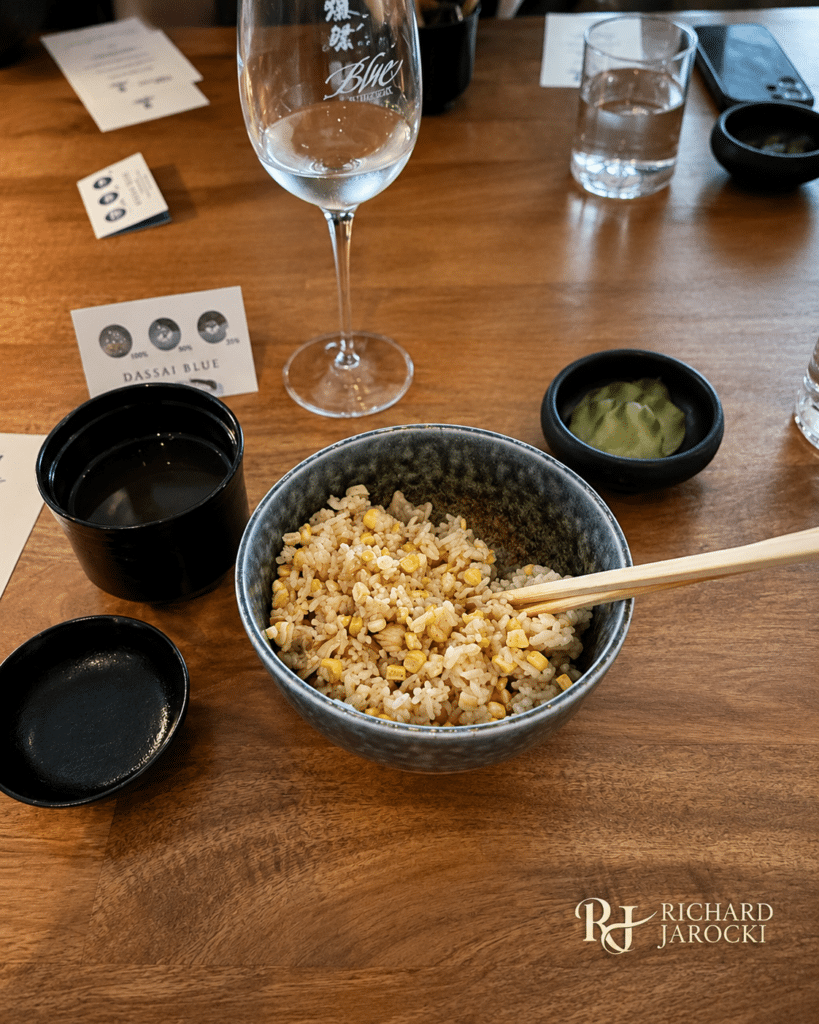
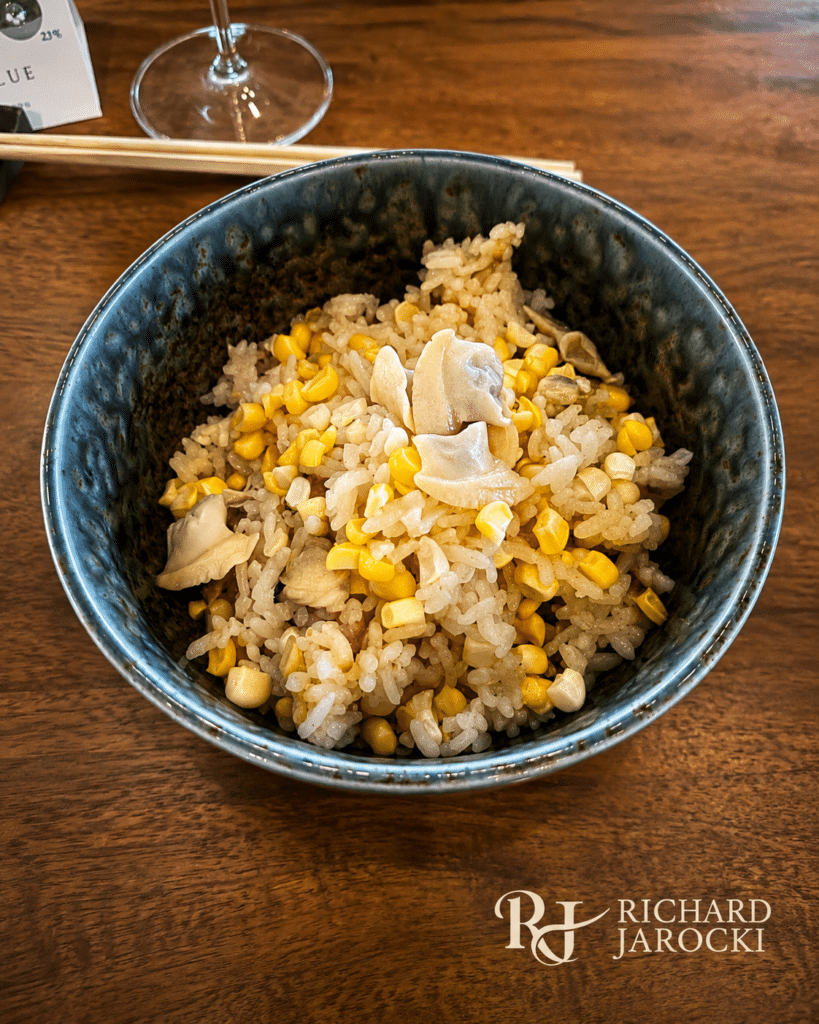
    Locally grown rice from Ever-Growing Family Farm with sweet corn, simmered clams, pickled cucumbers and fish-bone soup

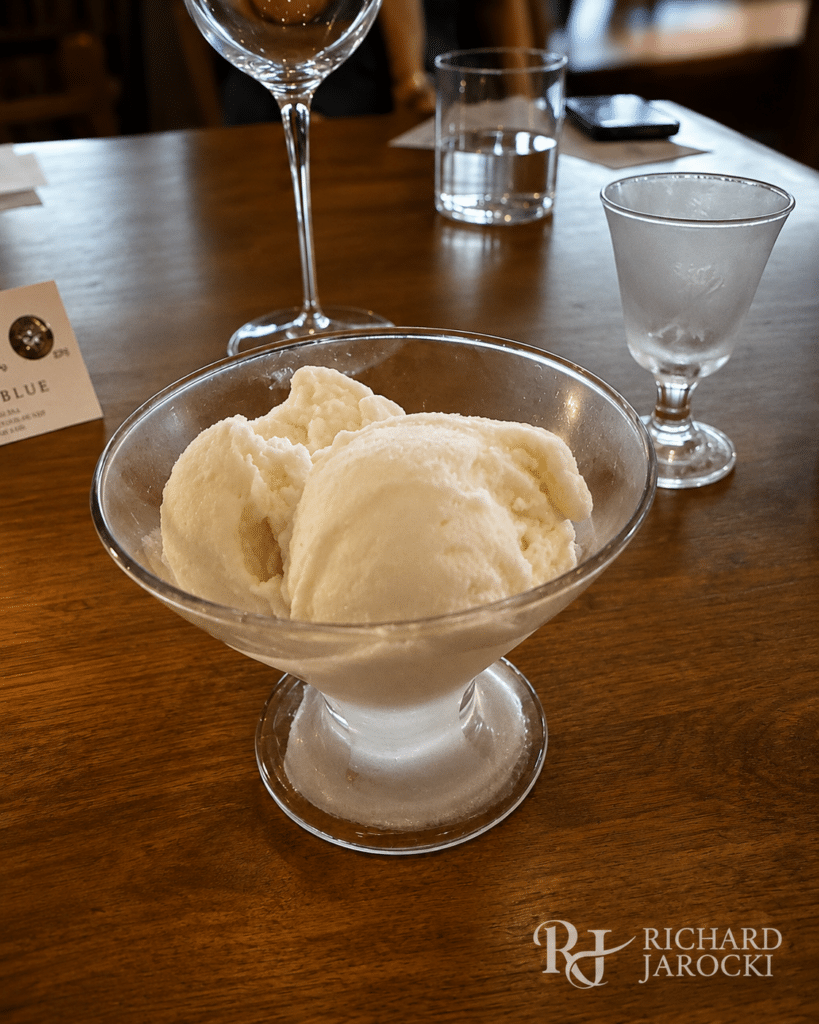
    Dassai Blue sake gelato ($6.50 add-on)

    The opening cabbage course was the outlier: more salad-like and less focused than the courses that followed. The off-menu hamachi bite was a welcome start, but courses two, three and four were the strongest stretch of the dinner.

    Courses two through four were the meal’s best stretch

    The kombu-cured tautog was amazing and the clearest expression of what this collaboration was trying to do. Cherry tomatoes, sherry vinegar and pickled fennel kept the fish bright, while a basil-like green herb oil pooled on the plate. I made sure to soak up every last bit.

    The black bass and scallop roulade was just as memorable. The sake-kasu broth had the kind of depth that made me want to drink it straight from the bowl—especially because there was no spoon. The rice course was simpler but still satisfying: locally grown rice from Ever-Growing Family Farm, improved by sweet corn and clams, with a deeply savory fish-bone broth. The pickled cucumbers were the part I could have eaten all night.

    The sake was part of the dinner

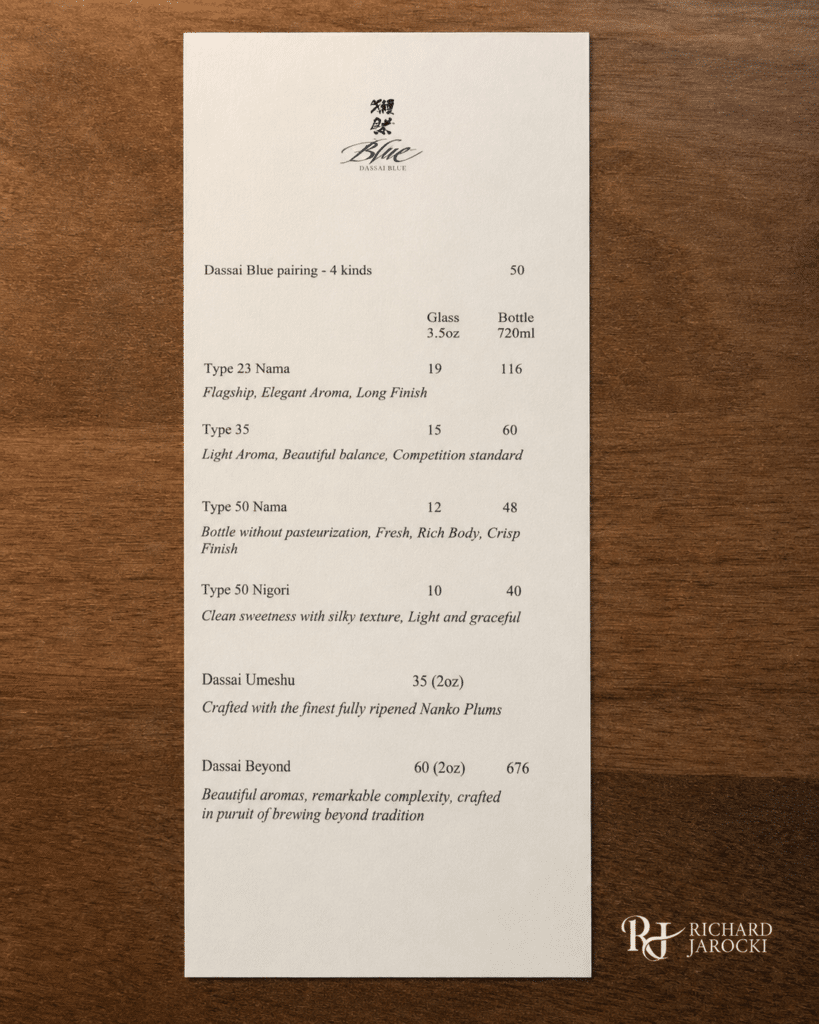
    The chilled summer cabbage opened with Dassai Blue Type 23 Nama. Across the remaining three savory courses, the pairings moved through Type 35, Type 50 Nama and Type 50 Nigori. The dinner then finished with Dassai Blue’s sake gelato, offered as a $6.50 add-on and paired with Dassai Yuzu sake.

    That order made the pairing feel intentional rather than repetitive. The delicate Type 23 set a polished opening, while the 35 and two different Type 50 expressions gave the fish, broth and rice courses distinct weight and texture. The gelato tasted clearly of citrus—enough that some diners compared it to limoncello—but the sake flavor remained present. Paired with Dassai Yuzu, it closed the meal with brightness instead of more richness.

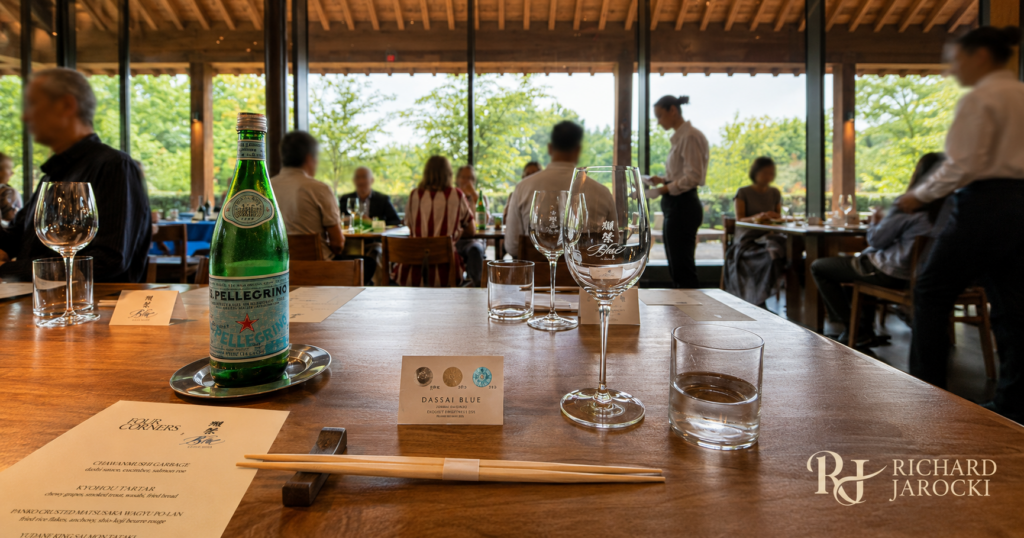
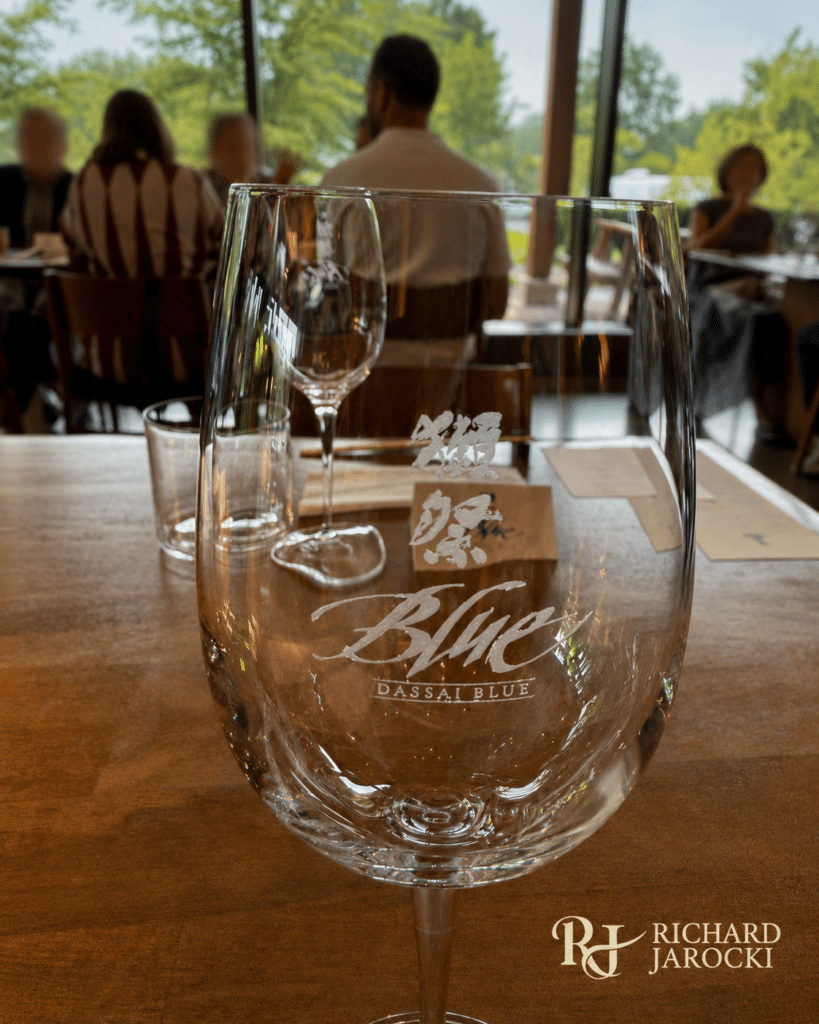
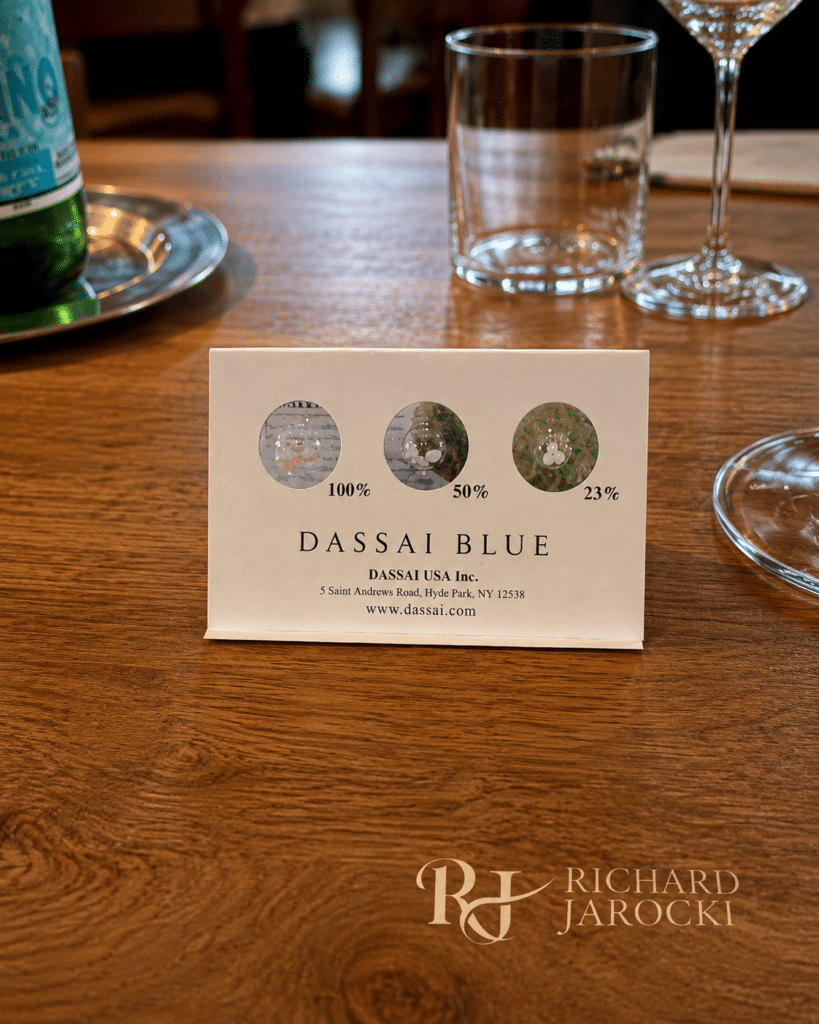
    That is what Dassai Blue does well. Staff explained the rice-polishing percentages, and cards on the table showed the rice at 100, 50 and 23 percent. The explanation gave useful context, but the food did the convincing: each glass changed how the next course tasted.

    The verdict

    The Four Corners pop-up was worth the return. It also did exactly what a good pop-up should do: it made me more interested in the permanent restaurant.

    Israelow’s cooking felt thoughtful without becoming overly complicated. The menu respected the season, the brewery and the ingredients. Just as important, the collaboration did not feel like Four Corners borrowing Dassai Blue’s room or Dassai Blue borrowing a chef’s name. The two ideas actually worked together.

    My first Dassai Blue dinner made me recommend the brewery. This one proved why I am going to keep watching its event calendar.

    Four Corners is not open yet. After this preview, I will be paying attention when it is.

    Dassai Blue Website

    Four Corners Website