Tag: writing

  • The Jobs I’d Do for Free: Motorsports, Cars, Travel & Food

    The Jobs I’d Do for Free: Motorsports, Cars, Travel & Food

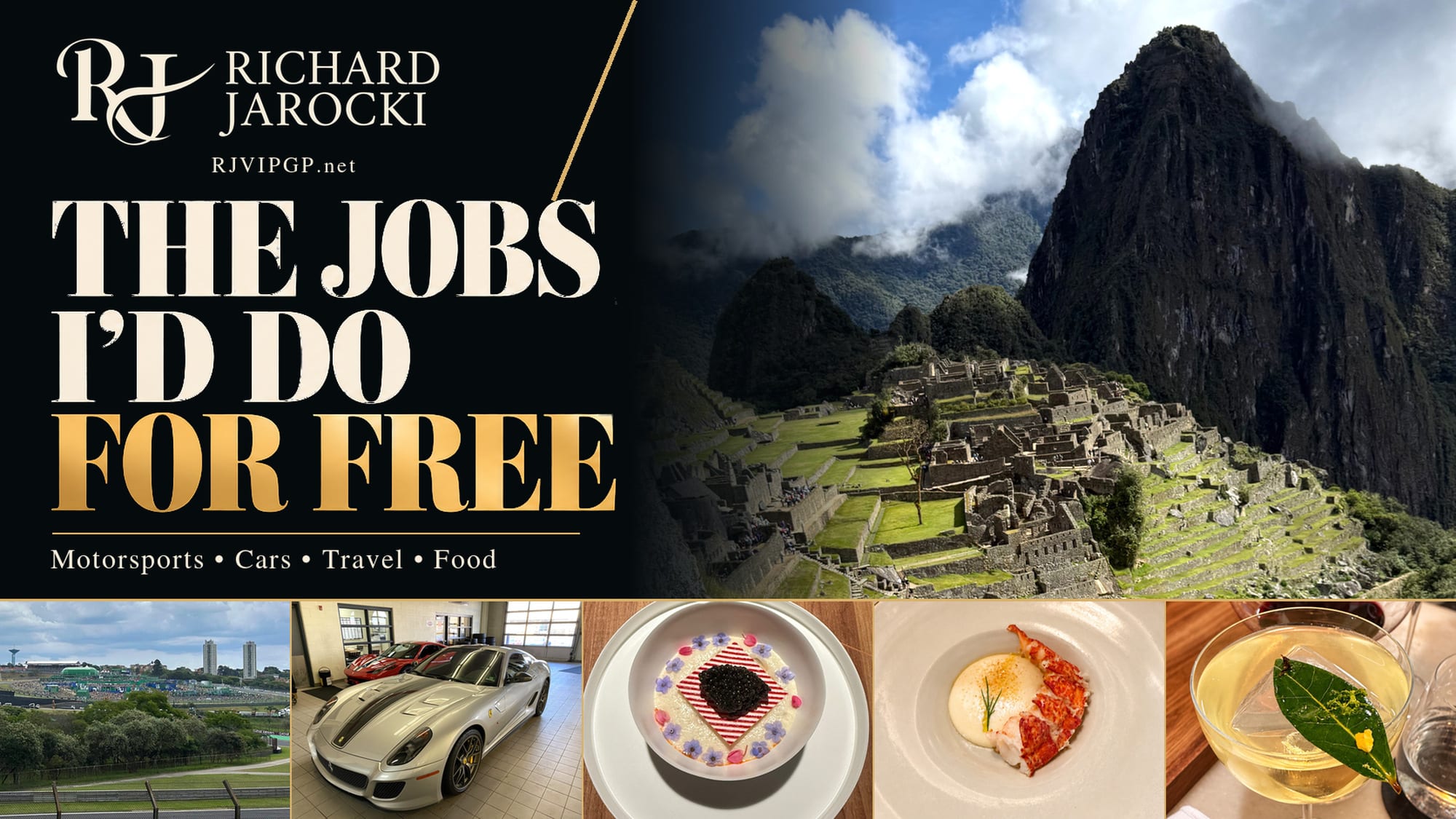
    The Jobs I’d Do for Free cover featuring Machu Picchu, Interlagos, a silver Ferrari, two dishes and a cocktail.

    The jobs I’d do for free have a lot in common with how I already choose to spend my time. If I could spend a few years doing exactly what I wanted, I’d travel, eat and tell people about it. I’d try different cars along the way, and I’d definitely make time for some races.

    I wish I’d figured that out in my late teens or early twenties. I was already planning weekends around restaurants, looking for something new to taste and asking questions about what I was eating. I just never thought about where that interest could take me.

    A trip to São Paulo in 2024 finally helped me connect all of it.

    I’m a Finance Director in the automotive industry. I have a full-time job, a budget and a limited amount of vacation time. There are more places I want to visit than I can fit into that schedule, and more restaurants than I can reasonably afford to try.

    But if you asked me how I’d choose to spend my time, these would be the jobs I’d do for free. Getting paid would be welcome, too. I’d like to make a living doing work I already enjoy this much.

    The jobs I’d do for free

    After high school, I took my high school girlfriend to one of Daniel Boulud’s restaurants for her 19th birthday. Looking back, the signs were there.

    I started going to the New York City Wine & Food Festival in its second year, 2009. I went for the next three years, then returned a few more times after that. I also attended the Manhattan Cocktail Classic for two or three years, roughly between 2011 and 2013.

    I wasn’t working in restaurants or behind a bar. I was an outsider who wanted to taste more, ask questions and understand what people were making.

    When I wasn’t going into New York for the weekend, Harvest in Closter was my go-to. I still remember their oysters and pearls, which reminded me of The French Laundry’s dish. Years later, that meal is still in my head.

    I visited plenty of Zagat-rated and Michelin-recognized restaurants without thinking to document any of it. I wish I had more photographs and notes from those years. Then I bought a farm in 2013, and my attention went elsewhere.

    São Paulo brought me back to this in 2024. I enjoyed the research almost as much as the trip: finding restaurants, figuring out where to stay and learning about places I’d never heard of. Once I got there, the food and the people gave me even more reasons to keep exploring.

    Now, some of my friends in São Paulo ask me where they should go. They live there, but they know how much research I do before a visit and how much I keep doing between trips.

    I’ve also become friends with people in restaurants, hospitality and mixology. Sometimes they tell me about somewhere that has quietly opened, before a ranking or a trend brings it much attention. Just good food, good service and someone saying, “You should try this place.”

    I love that. I wish I’d understood sooner how much I’d enjoy sharing what I find.

    1. Motorsports reporting
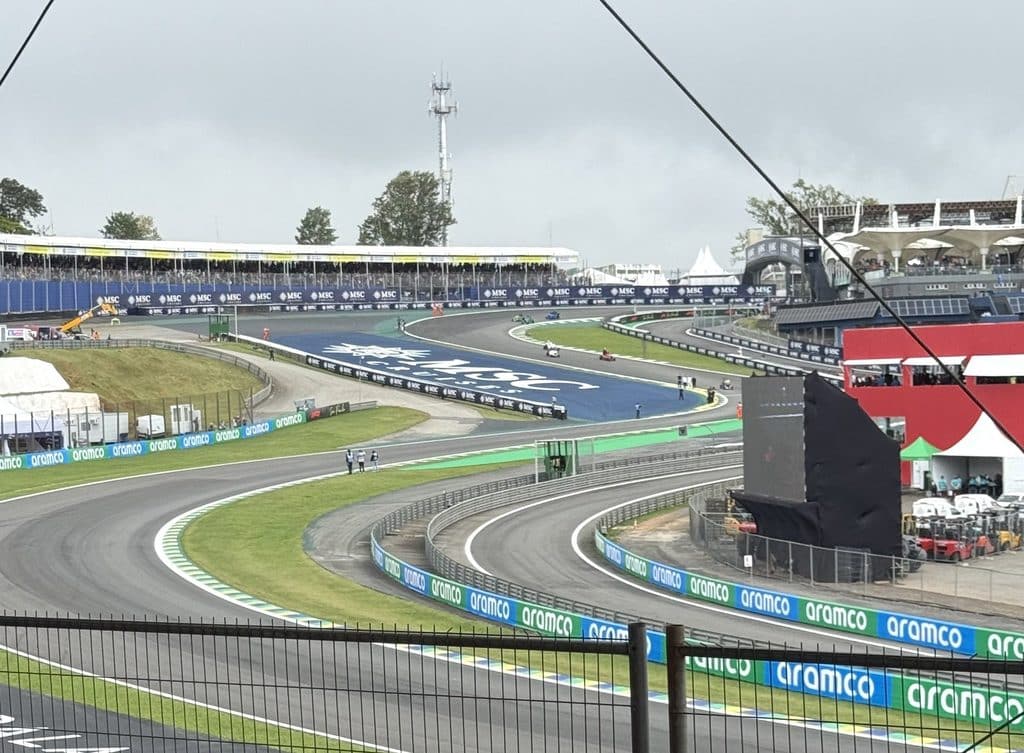
    The Senna S at Interlagos seen from the grandstand, with safety fencing in the foreground.
    The view toward the Senna S from the stands at Interlagos.

    Working at Ferrari got me interested in Formula 1. Traveling for races made it a much bigger part of my life.

    I care about what happens on the track. I want to understand why a strategy worked, why a driver struggled and how a team found something everyone else missed. Between Formula 1, WEC and IMSA, there’s always something to follow.

    I’d love to get closer to those stories and talk to the people doing the work, including the crew members whose names rarely make the headlines. Their preparation and decisions matter every weekend, and I’d like to understand more of what goes into them.

    I also enjoy writing from the perspective I already know: being a fan at the circuit.

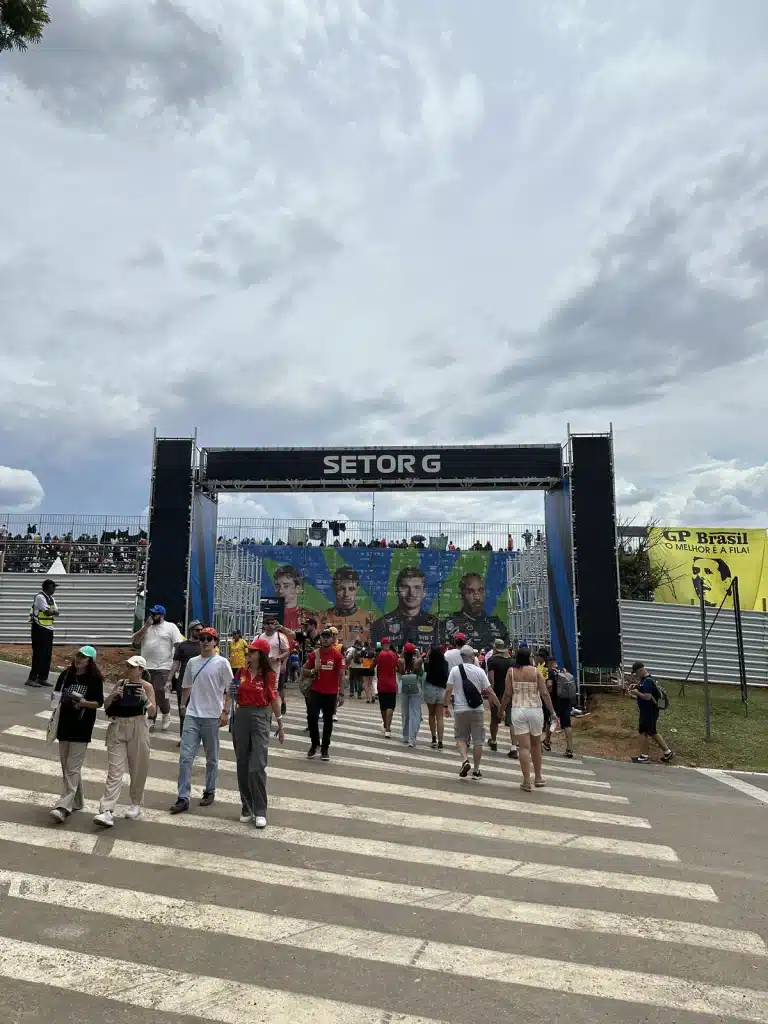
    My São Paulo Grand Prix travel guide comes from attending Interlagos in 2024 and 2025. It covers what I learned by being there, including choosing a grandstand, dealing with rain and getting back to the hotel with enough time for dinner.

    With more freedom to travel, the race calendar would absolutely influence where I went next.

    2. Car reviews
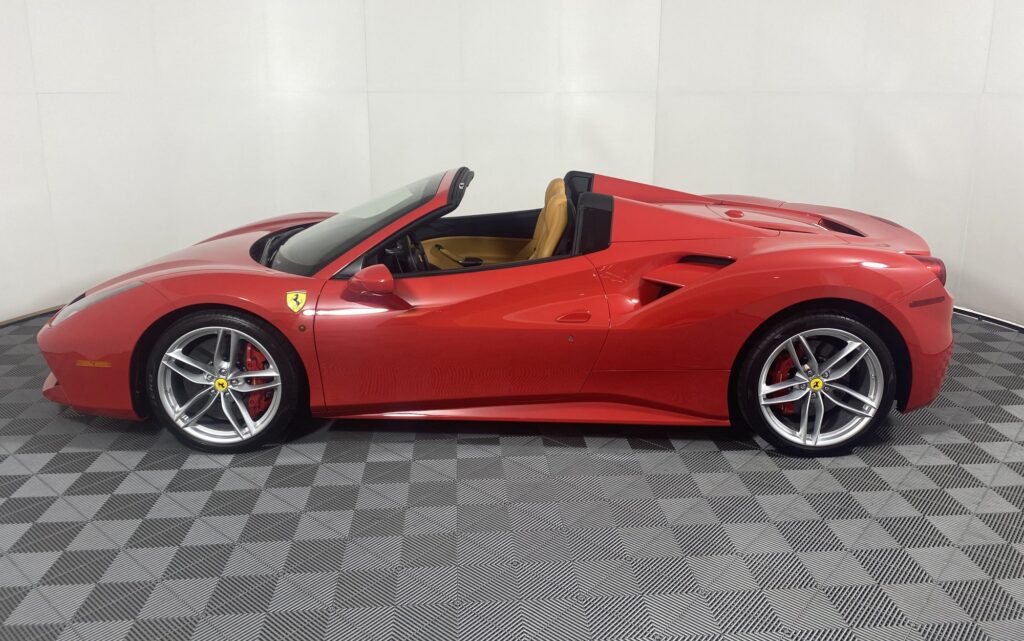
    A red Ferrari convertible in side profile, with its roof down and both wheels visible.
    A Ferrari from my automotive archive.

    Cars are still part of my working life, and I still enjoy them. Ferrari is part of that history, but my interest goes well beyond one badge.

    Give me time with an interesting car and I’ll want to understand what makes it worth driving. That could be a vintage Porsche, a McLaren or a sedan that looks ordinary until you get behind the wheel.

    The specifications are a starting point. I want to know how it responds, what it sounds like, how comfortable it is and whether I’d look forward to driving it again.

    I’d love to try different cars as I traveled and tell people what I thought. Some would be cars I’d dream about owning. Others might surprise me simply by being enjoyable to drive. There would always be another one I’d want to spend time with.

    3. Travel writing
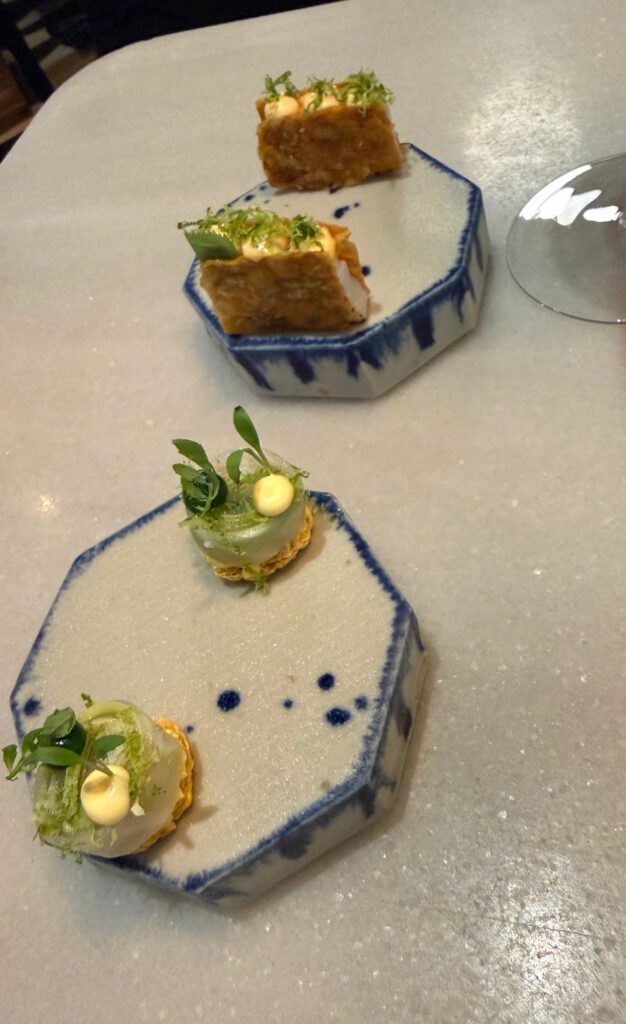
    Barcelona gave me a good example of what I want more of.

    I went in June 2026 for the Grand Prix and spent the rest of the trip exploring the city and its restaurants. Mont Bar was my favorite meal there. The food, wine and relaxed service made it an evening I wanted to talk about afterward.

    Disfrutar was a very different experience, more theatrical and technical. I enjoyed having both on the same trip.

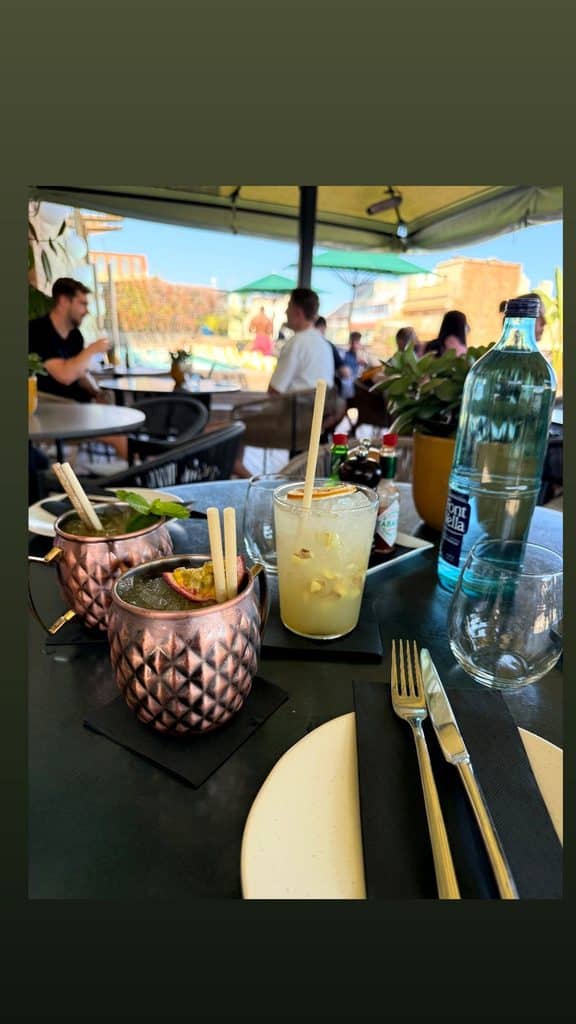
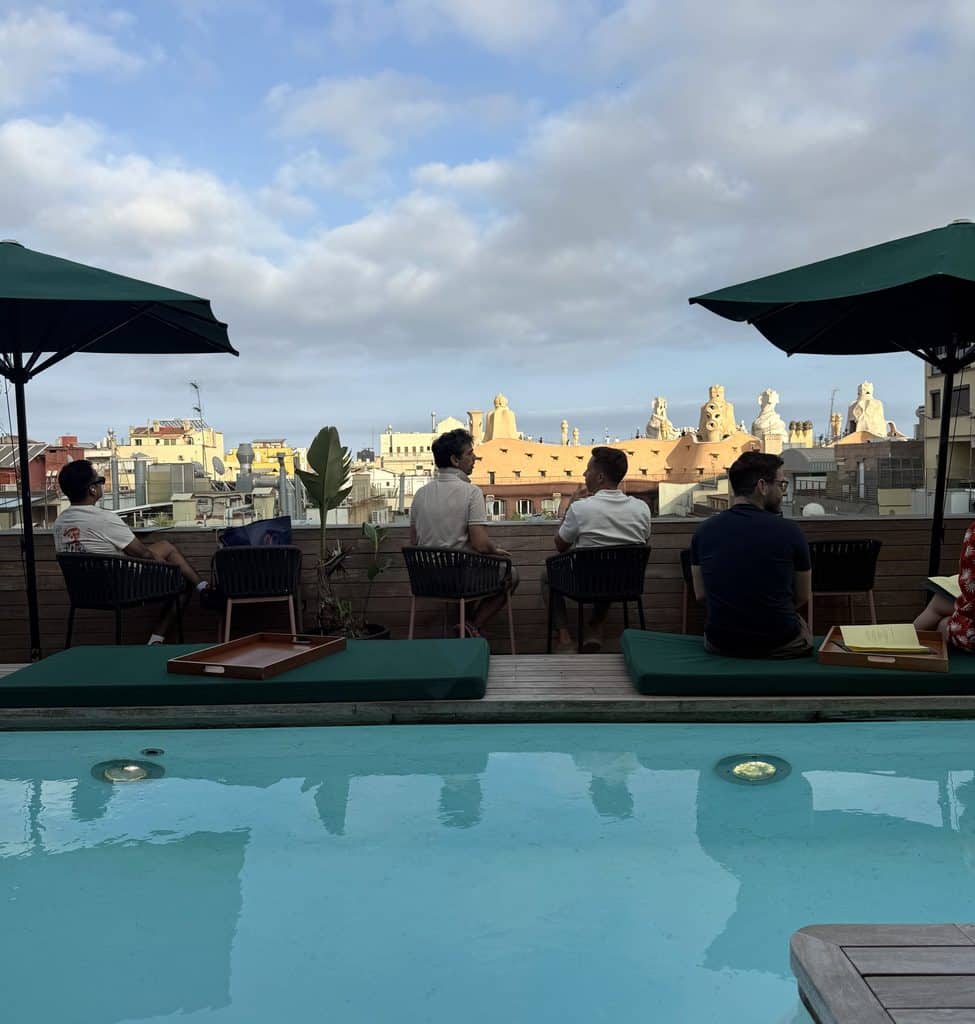
    Sir Victor’s rooftop became a daily stop. After being out in the city, I liked coming back, sitting down and having a drink. I also wanted to understand more about the food and wine, the neighborhoods and the history behind what I was seeing.

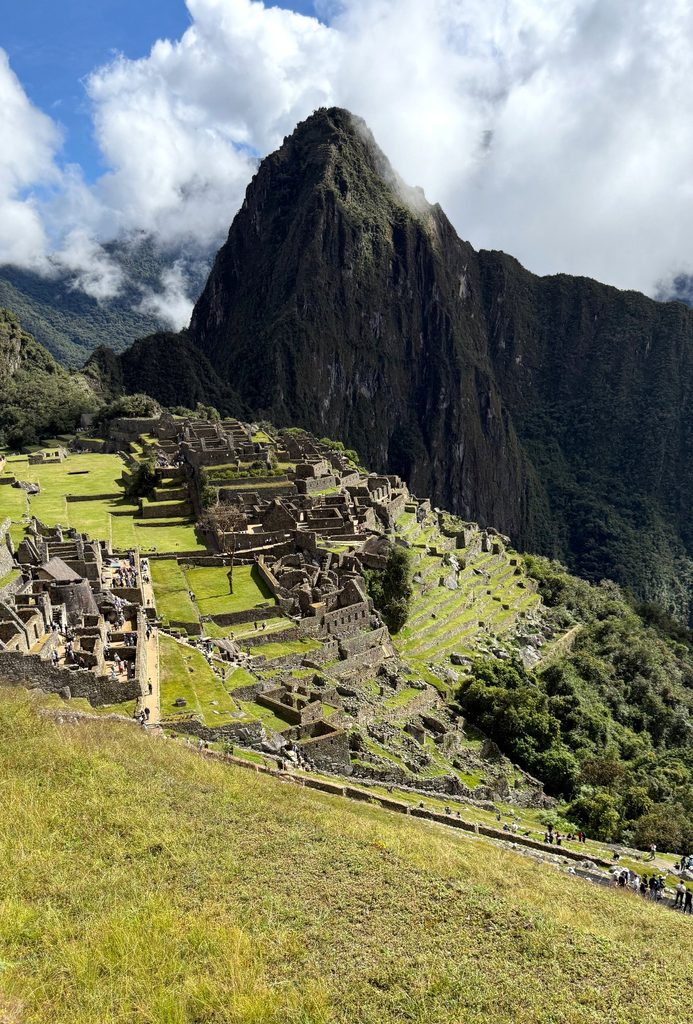
    Peru belongs in this story, too. Walking through Machu Picchu was as much a reason to travel as a restaurant reservation.

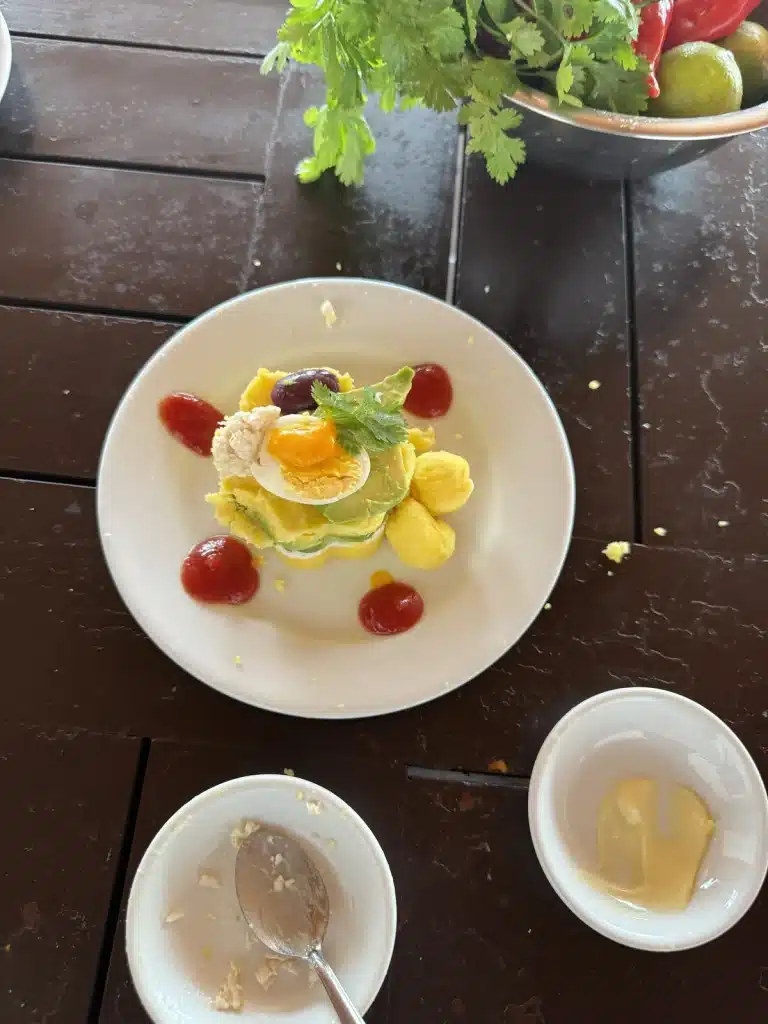
    In Lima, my research led me to Maido. I ate there in May 2025 and was home by May 15, before it was named The World’s Best Restaurant 2025 by The World’s 50 Best Restaurants that June. It was pretty cool to see a place I’d just experienced receive that recognition.

    I also came home thinking about what I’d missed. I wasn’t persistent enough about getting a reservation at Central. Around Cusco, I was so concerned about altitude sickness that I didn’t give the food research the attention I normally would. MIL is one of the places I wish I’d looked into properly.

    Eventually, I want to go back. That’s part of travel for me: enjoying what I did, learning from what I missed and thinking about the next visit.

    São Paulo keeps giving me reasons to return. I think about the view from Hotel Unique, the people I’ve met and the dinners I want to plan before I’ve even booked the flight. My São Paulo travel guide grew out of those experiences.

    It’s also what I enjoy about Formula 1 luxury travel. I can combine a race with a city I want to explore. I’d love to stay longer because I’m enjoying myself, without counting the days until I have to be back at work.
    4. Food and restaurant reviews

    I don’t need a vacation to go looking for a good meal. I regularly travel more than an hour into New York City to try a restaurant. Sometimes dinner is the entire reason for the trip, and I’m perfectly happy with that.

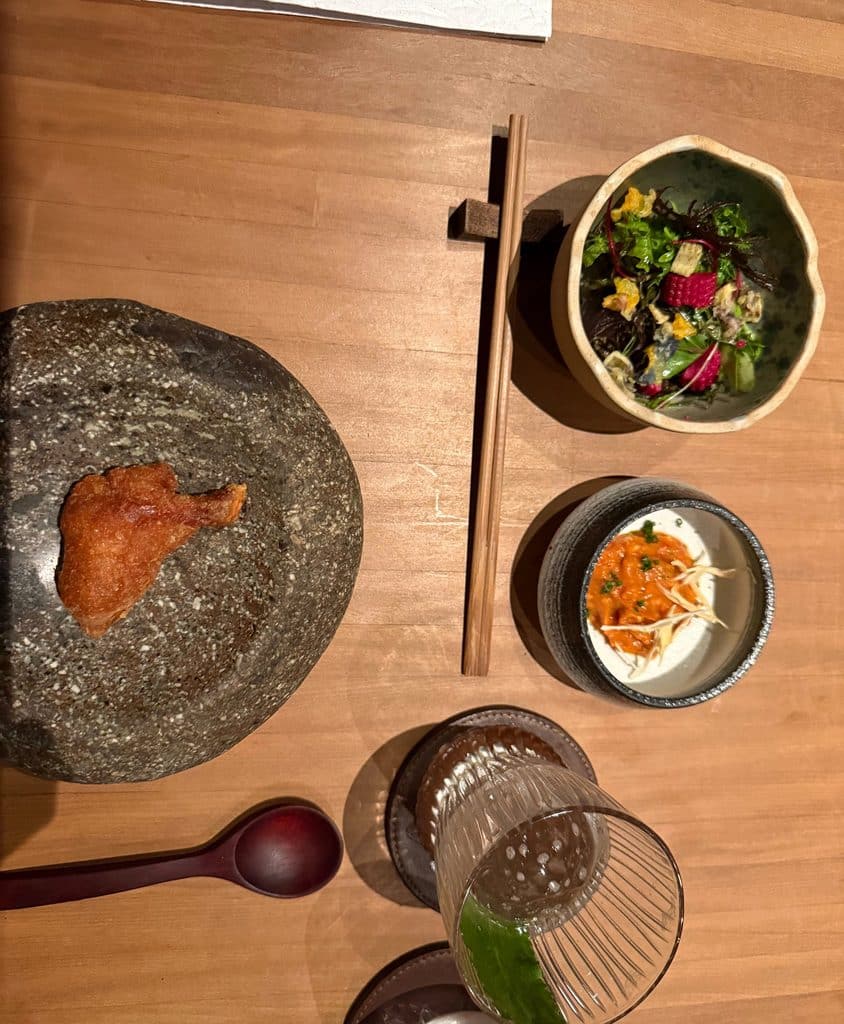
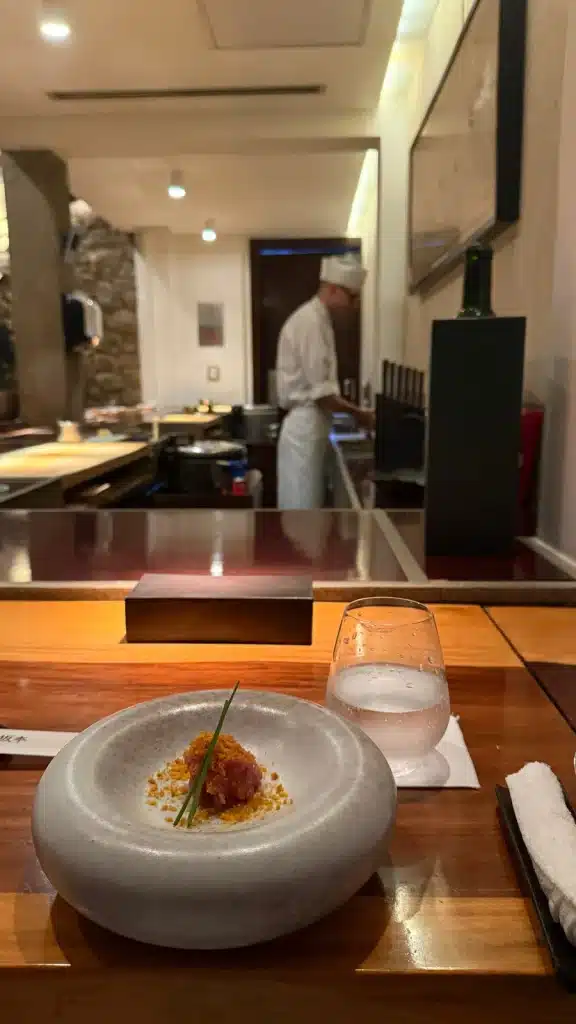
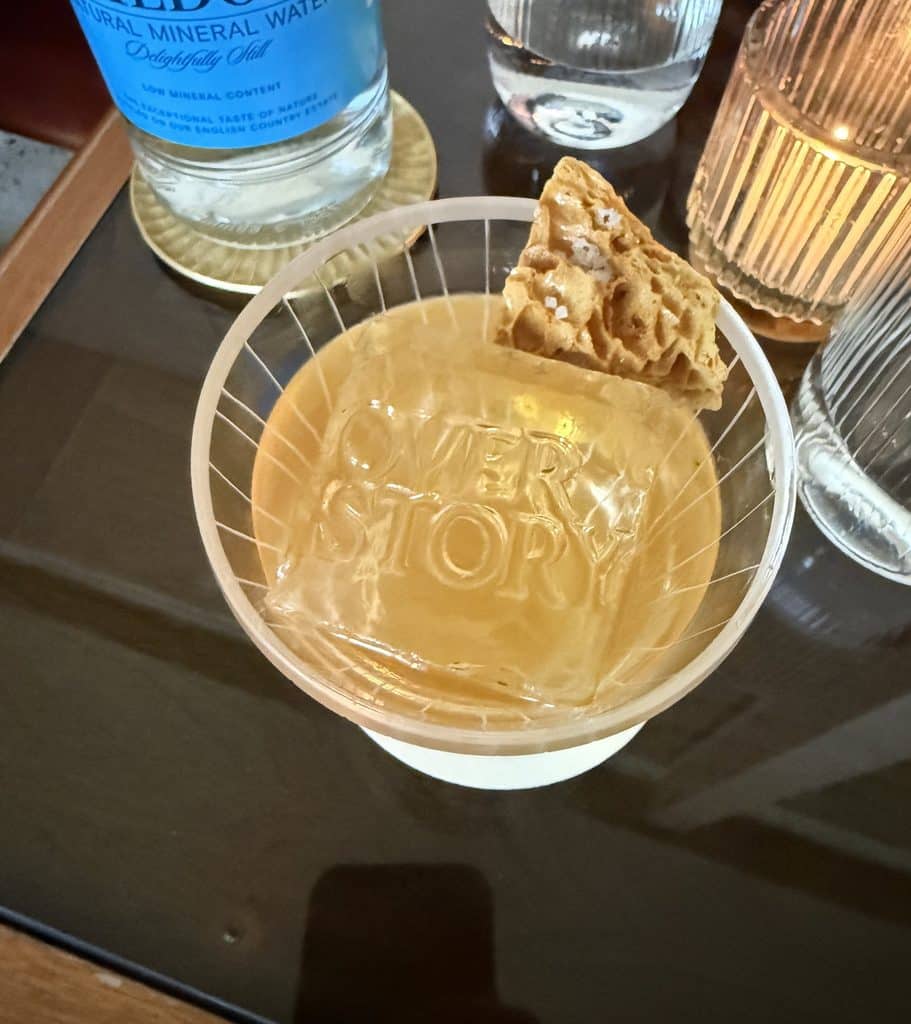
    Put me at a chef’s counter with a tasting menu and a thoughtful wine pairing, and I’ll spend the evening paying attention. But wine isn’t always my first choice. Sometimes I’d rather have creative cocktails, especially when someone behind the bar is doing work as interesting as what’s coming out of the kitchen.

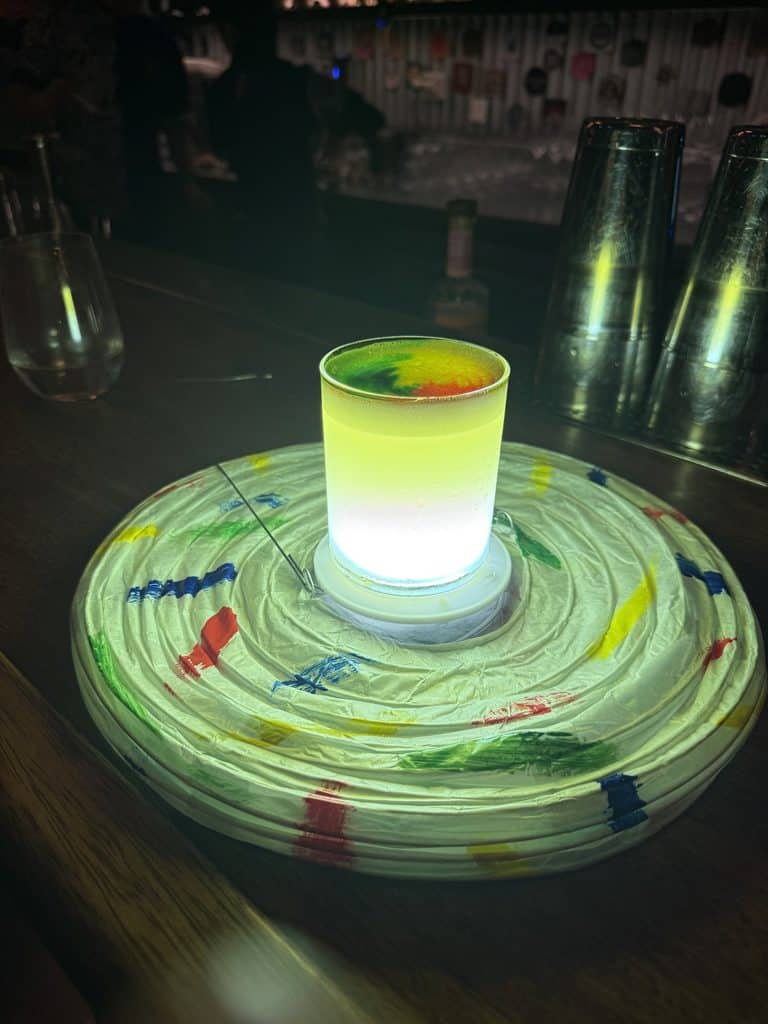
    I wish there were more cocktail tasting menus like Carnaval in Lima. I enjoy giving the drinks that same attention: what’s in them, how they’re presented and why those ingredients work together.

    With food, I want to understand what the chef is trying to do. I’m also noticing the service, the pace and whether I feel comfortable in the room. Those things affect the evening just as much as an impressive plate.

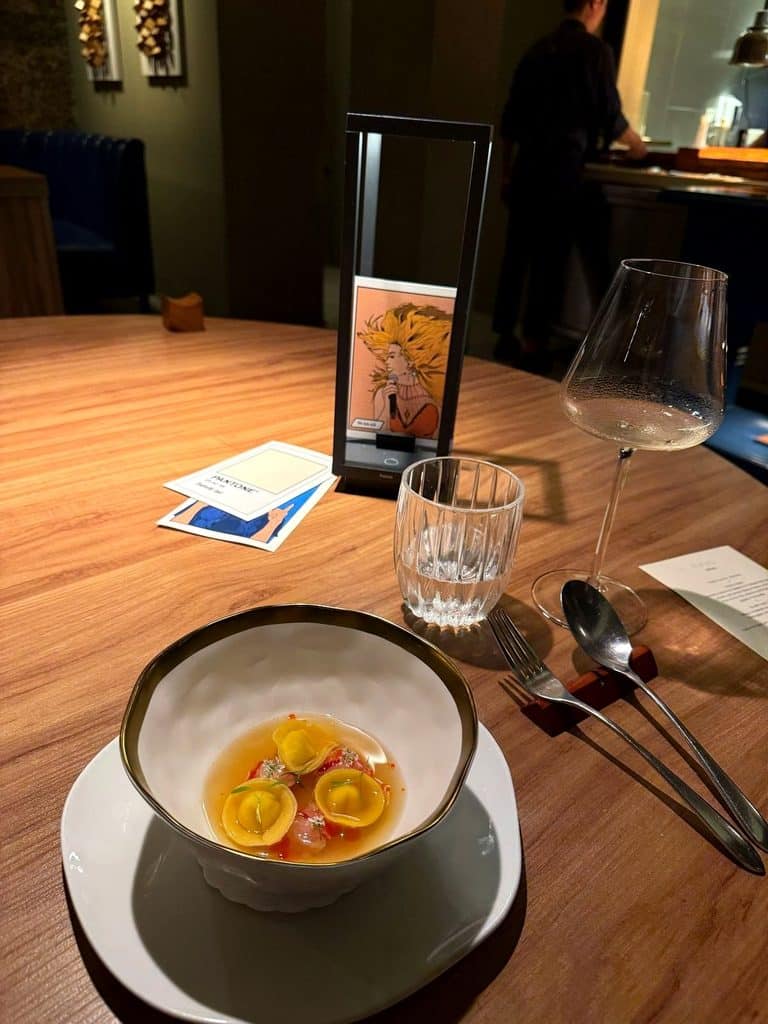
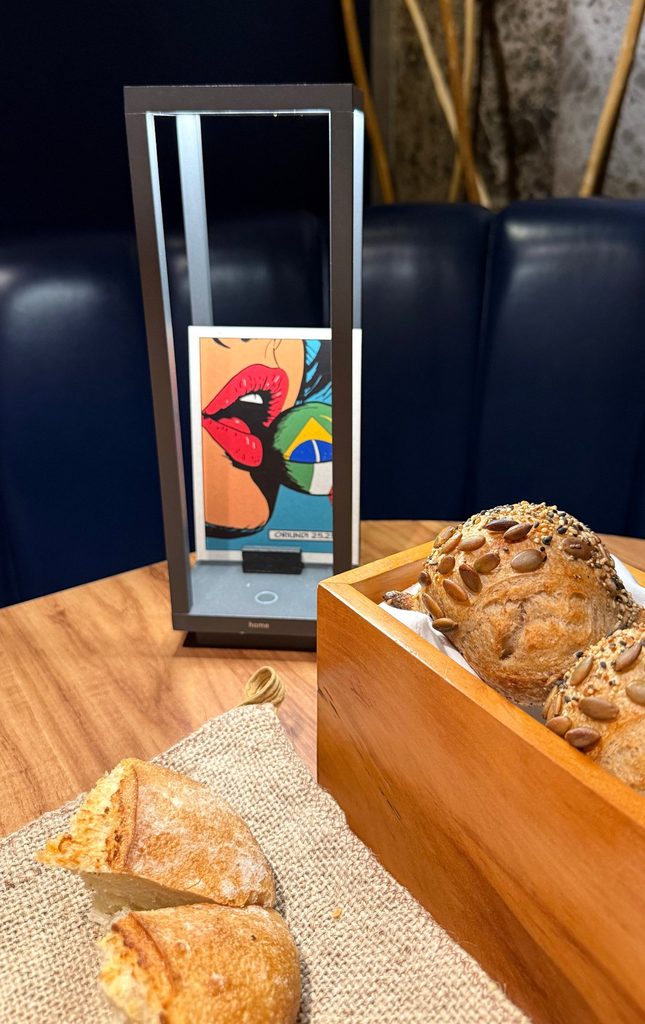
    Evvai is my favorite restaurant in the world, partly because I enjoy being there so much. The cooking gives me plenty to think about, and the illustrated course cards explain the ideas behind the food while adding personality to the meal. It’s ambitious, but it’s also fun. That matters to me.

    Those are the details I want to share in my food and drink writing. What did I like? What surprised me? Would I go back? Was the evening worth the trip and the money?

    An expensive menu doesn’t get a free pass. A simple meal can be worth recommending without dressing it up as something more.
    What I’d like this work to make possible

    I’d love to find out what I could learn if this became my full-time work. How many places could I discover? Who could I meet? What could I introduce people to if I had more time to research, travel and write?

    I’m working toward making a career out of some combination of this website, travel consulting, a travel agency or a concierge service. I haven’t figured out exactly what that will look like yet. But I know the work I want to spend more of my life doing.

    Once I make that transition and can afford to do it properly, I’d also like to help people travel who otherwise wouldn’t have the opportunity.

    Maybe that becomes a charity. Maybe I quietly organize a couple of trips each year. I picture taking a group of 10 to 14 people who have never had a real vacation: single parents with their teenage kids, or families working hard just to keep up with everyday life.

    I’d want to give them the chance to see somewhere new, try food they’ve never tasted and spend time together without worrying about what the trip costs.

    I’d love to see their reactions. Maybe one meal or one conversation would introduce a kid to something they’d never considered. They might discover an interest in cooking, travel or writing. Maybe there’s a future chef in that group who just hasn’t had the opportunity to find out yet.

    That’s something I’d like this work to make possible.

    I can’t go back and figure this out earlier. I can keep moving toward it now. For the moment, that means fitting trips and meals around my job and budget, doing the research and sharing what I find.

    I know what I’d choose with more freedom. I’m already doing as much of it as I can.

    What job would you do for free?

    For more on how I put these trips together, read how I plan every trip. My Barcelona travel guide goes deeper into the restaurants, hotels and neighborhoods from that visit. You can also read my original Peru trip plans to see what I had in mind before visiting Lima, Cusco and Machu Picchu.

    Completely Unnecessary. Absolutely Worth It.
  • When Saying “Yes” Became the Goal: Learning to Loosen the Grip

    When Saying “Yes” Became the Goal: Learning to Loosen the Grip

    Saying Yes to Life graphic with an open doorway overlooking a sunset dining terrace and Richard Jarocki’s logo.

    For a long time, I was proud of how often I could say no. I had work to do, responsibilities to handle and goals I wanted to reach. If something got in the way of those things, saying no felt like the sensible choice.

    There is nothing wrong with that. Discipline helped me build a career, and I still need it. But I started questioning what I was making room for if the things I genuinely enjoyed always had to wait.

    Another trip. A restaurant I wanted to try. An evening that didn’t have to produce anything beyond a good memory. Eventually, saying yes to some of those things became a goal of its own.

    Why saying no made sense

    When you spend years working toward something, you get used to protecting your time. There is always another reason to stay focused, another expense to consider and another responsibility that feels more important than whatever you would rather be doing.

    I understand that way of thinking because I’ve lived it. I work full time in automotive finance. I have a budget and a limited amount of vacation time. I can’t simply disappear for a few months because I’ve found a list of restaurants I want to visit.

    Saying no has its place. It helps me keep commitments and avoid taking on more than I can reasonably handle. I don’t regret being disciplined. I just don’t want discipline to become an automatic answer before I’ve even considered the opportunity.

    The difficulty is that being responsible rarely comes with a clear finish line. There will probably always be something else I could be doing for work, another improvement to make or another reason to wait. If I need all of that to be settled before I enjoy myself, I could be waiting for a very long time.

    I don’t think the answer is to pretend those responsibilities disappear. I want to look at the actual decision in front of me. Can I make the time? Can I afford it? Does it interfere with something I’ve already committed to? Those questions are useful. Automatically deciding that pleasure can wait doesn’t tell me nearly as much.

    Making room for the things I enjoy

    São Paulo helped bring my interest in food and travel back into focus in 2024. The research, the restaurants and the people gave me reasons to keep exploring. I came home wanting to do more of it and to share what I found.

    That doesn’t mean every worthwhile experience requires an international flight. I regularly travel more than an hour into New York City to try a meal. Sometimes dinner is the whole reason for going. For me, that is enough.

    I like sitting at a counter and watching a kitchen work. I like asking about a dish or finding out why a particular wine goes with it. Those evenings give me something I can’t get from reading a menu at home and deciding that I’ll go someday.

    I wrote about the work I would love to spend more of my life doing in The Jobs I’d Do for Free. Food, travel, cars and racing already matter to me. Making time for them is part of figuring out where I want to go next.

    Looking back, the interest was there well before I started writing. I took my high school girlfriend to one of Daniel Boulud’s restaurants for her nineteenth birthday. I went to food and wine events because I wanted to taste things and learn. I didn’t need a website or a business plan to care about a good meal.

    What changed was recognizing how much of my attention already went toward these subjects. I could spend hours researching restaurants before a trip and keep looking into them after I got home. That curiosity deserves some space in my life. I want to follow it far enough to find out what I can do with it.

    I still like having a plan

    Learning to say yes hasn’t made me someone who stops planning. If anything, planning helps me do more of the things I want to do.

    A race weekend is a good example. I want to enjoy the circuit, but I also want time to get back to the hotel and go out for dinner. That means thinking about transport, traffic and reservation times. My São Paulo Grand Prix travel guide comes from working through those details in person.

    The planning is useful because it makes the experience possible. I don’t want the schedule to become more important than enjoying the trip. There needs to be room to adjust when something takes longer than expected or another idea comes along.

    There is a practical side to saying yes that gets overlooked. A trip has to fit around the days I can take off. A dinner reservation needs to work with the rest of the evening. Getting those details right gives me a better chance of enjoying the thing I decided to do in the first place.

    I’ve also learned that there will be things I miss. In Peru, I came home thinking about restaurants I hadn’t managed to visit, including Central. I wish I’d been more persistent about that reservation. But missing something doesn’t erase what I did experience. It gives me another reason to research a return trip instead of treating one visit as my only opportunity.

    Some things still deserve a no

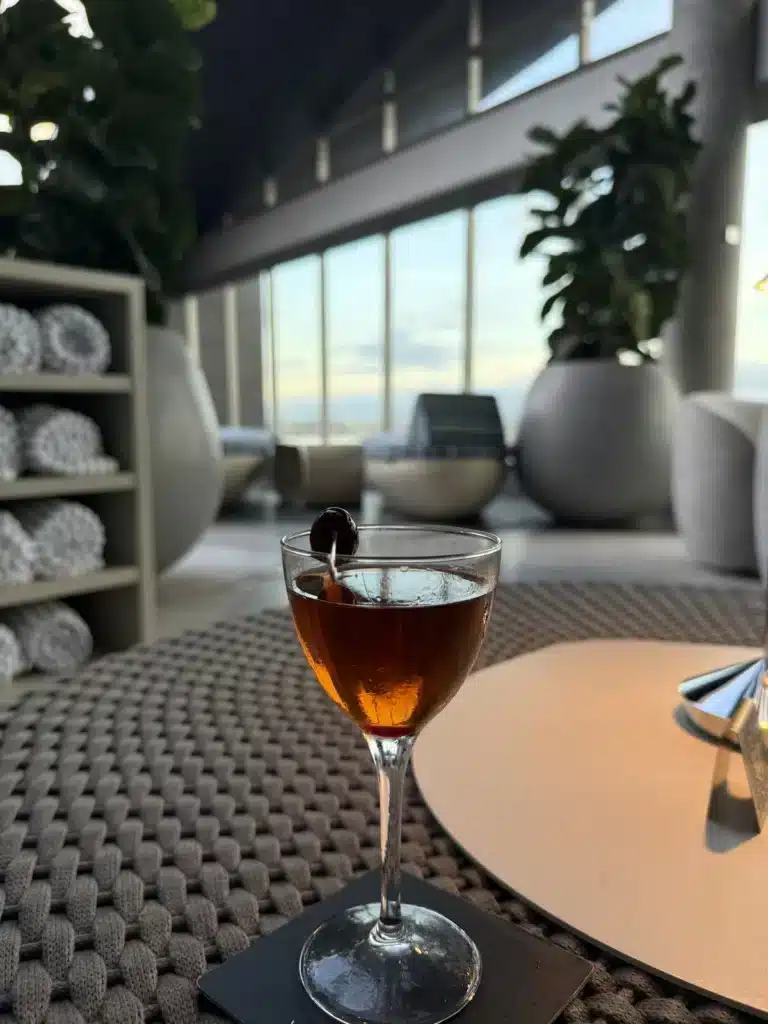
    Saying Yes A drink in a stemmed glass on a table beside the windows of a hotel lounge.
    Taking a moment back at W São Paulo.

    I’m not trying to say yes to everything. Time and money still matter. So does whether I actually want to do something, rather than feeling that I should because it sounds impressive.

    An expensive experience can disappoint. A simple meal can be worth the drive. I want to make those decisions based on what interests me and what I can afford, then be honest about whether it was worthwhile.

    I don’t want every experience to need a justification beyond wanting to be there. Some meals will become articles, and some trips will give me ideas for future work. But I still want to enjoy the evening itself, even if the only result is that I had a good time.

    The change is that enjoyment now gets a place in the decision. Something doesn’t have to help my career or produce an immediate result to deserve a few hours of my time.

    Having a budget means choosing. I can want several things and still decide that only one makes sense right now. That is part of how I travel. There are more restaurants I’d like to try than I can fit into a trip, and more trips I’d like to take than I have vacation days.

    I’d rather put thought into those choices than agree to something just because someone else would consider it a good opportunity. A full calendar doesn’t automatically mean I’m spending my time well. I need enough interest in the experience to justify the time, effort and money it takes to get there.

    What I want the work to make possible

    I still have ambitions. I’m building this website around subjects I care about, and I would love to turn more of that work into a career. None of that happens without effort or consistency.

    Writing about these experiences has given me another way to enjoy them. I pay attention to what I would tell someone who was considering the same restaurant or trip. Was the service comfortable? Did the meal live up to what I hoped for? What would I book again, and what would I approach differently?

    I wish I had documented more of the meals and places I visited years ago. I can remember certain details, but I would like to have more photographs and notes to go with them. I can’t recreate those visits now. I can do a better job of recording the experiences I’m having and make something useful from them.

    There is no guarantee about where this will lead. I would love to spend a few years traveling, eating, trying interesting cars and catching races along the way. For now, I’m building toward that while working full time. Each article gives me somewhere to put the research, the opinions and the things I learned by showing up.

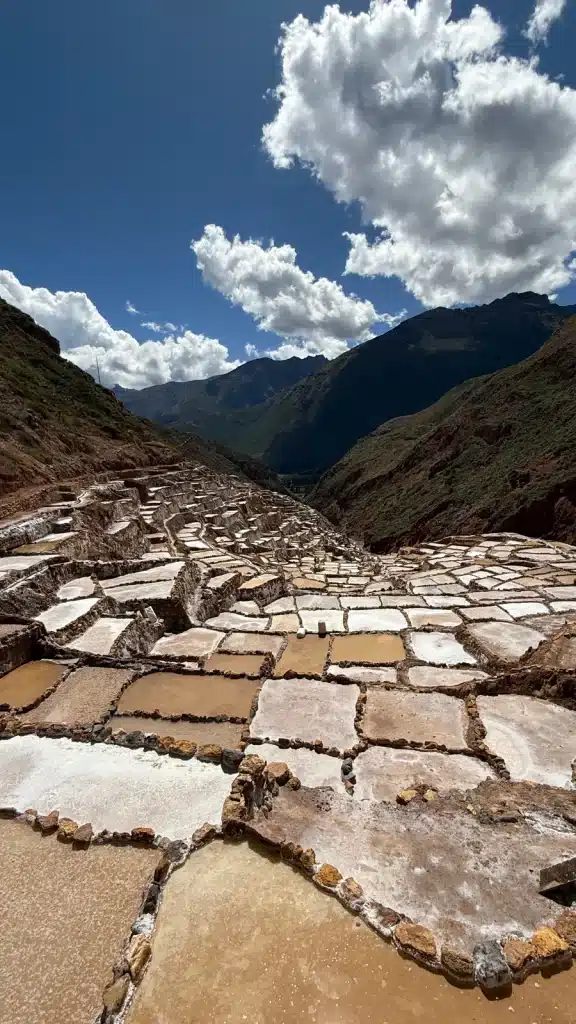
    Saying Yes  White salt terraces stepping down a mountainside beneath a cloudy sky in Peru
    Another reason I want to keep exploring: Peru’s salt terraces.

    That is why saying yes matters to me. It gives the interests I’ve had for years a chance to become a bigger part of my life. I still need to do the work and make sensible decisions. I also need to get out there sometimes, because the next experience isn’t going to happen while I’m only thinking about it.

    But I also want to enjoy some of what I’m working toward while I’m working toward it. I don’t want every meal, trip or idea to stay on a list until life becomes perfectly convenient.

    For now, that means fitting experiences around the job and budget I actually have. Saying no when I need to, and giving myself a chance to say yes when I can.

    Keep Exploring

    Sometimes saying yes starts with finding somewhere you want to go. Here are a few places to find inspiration for your next trip or meal:

    Follow Richard Jarocki on Instagram for my food, travel and Formula 1 experiences.

    Explore New York City for neighborhoods, cultural attractions and ideas for your next visit.

    Discover Brazil for destinations and experiences beyond the usual itinerary.

    Browse the MICHELIN Guide for restaurants worth looking into before your next trip.

    Completely Unnecessary. Absolutely Worth It.
    Daily writing prompt
    How often do you say “no” to things that would interfere with your goals?

  • What Makes a Person Unique?

    What Makes a Person Unique?

    What Makes a Person Unique? cover with orange-and-black car seats, a mountain landscape in Peru and a marbled dessert at Mont Bar.

    What makes a person unique? I think it shows up in the details: what they notice, what they choose, what keeps them curious, and how they treat people.

    What are they willing to spend time learning? How do they treat people when there’s nothing to gain? What do they return to, even after life pulls them in another direction?

    For me, that picture includes personal style, cars, food, travel, music, and a tendency to research a dinner reservation far beyond what most people would consider reasonable. It also includes twenty-five years in the automotive business, changing priorities, and ambitions I’m still working toward.

    Plenty of people share those interests. What becomes personal is the combination, along with the experiences and choices behind it. Looking at my own life, these are the ten things that help me understand how that happens.

    1. What Makes a Person Unique? Start With Experience

    After twenty-five years in automotive leadership, I naturally notice how businesses treat their customers. I pay attention to communication, follow-through, and the difference between someone completing a task and someone taking responsibility for an experience.

    That perspective comes with me when I walk into a restaurant or check into a hotel. A beautiful space gets my attention. The people working in it often determine whether I want to return.

    My automotive background also introduced me to Formula 1 through my work with Ferrari. An existing interest in cars opened the door to another interest, which eventually gave me more reasons to travel.

    Experiences tend to build on one another like that. Something learned in one part of life turns out to matter somewhere completely different. Over time, those connections become part of how you see things, even when you aren’t consciously thinking about where they began.

    2. Personal Style Is in the Details

    I like nice things. Clothes, watches, cars. I notice the shoes someone is wearing, the bag they’re carrying, even the pen they’re using. Those small details catch my attention.

    When I buy clothes, I look at the design and quality. I don’t choose something simply because of the brand name, and I try to avoid covering myself in logos. I want to enjoy the piece itself.

    That said, I do like my Psycho Bunny polos. The little bunny gets a pass.

    My preference is dark colors with bold accents. I like having something that adds personality without making every part of an outfit compete for attention. A strong accent against a darker background feels closer to my taste.

    I consider myself very unique. I don’t try to fit neatly into a norm, but I don’t feel the need to go too far in the other direction either. I like finding my own balance.

    Personal style gives me a way to express that. The choices matter because they feel right to me. Someone else can make completely different choices and have a style that’s just as distinctly theirs.

    3. The Interests You Keep Making Time For

    I regularly drive an hour or more into New York City for dinner. That probably tells you more about my interest in food than any description I could put in a biography.

    The interest has been there for a long time. After high school, I took my high school girlfriend to a Daniel Boulud restaurant for her nineteenth birthday. Years before this website, I was already interested in making a meal into an experience worth planning around.

    Cars hold my attention differently. Sound, feel, and the experience of driving matter to me. Food, wine, and cocktails create another kind of involvement, with different details to explore. Music has its place, too, from Dave Grohl and the Smashing Pumpkins to classic rock, alternative rock, and hip-hop.

    These are the things I lose myself in. They reveal where my attention goes when I have a choice. Someone else’s interests might look completely different, but the time they willingly give them says something just as meaningful.

    4. Curiosity Changes the Questions You Ask

    Curiosity is probably the clearest connection between my interests. Once something catches my attention, I want to understand it better. A restaurant leads to questions about a chef. A cocktail introduces an unfamiliar ingredient. A race weekend becomes a reason to learn about the city surrounding the circuit.

    My 2024 trip to São Paulo brought that habit back into focus. Formula 1 got me there, but researching restaurants, neighborhoods, hotels, and bars became a huge part of the experience.

    The research continued afterward. The city gave me reasons to keep asking questions and eventually return.

    I also enjoy the practical side of it. Looking at neighborhoods, comparing menus, and figuring out which places belong in the same day can be satisfying in its own right. By the time I book something, I’ve usually already spent a fair amount of time thinking about it. If dinner needs its own research project, I’m probably interested.

    That’s one of the things I value about curiosity: it leaves room for an experience to become something I hadn’t anticipated. I can arrive with a plan and still discover that the part I want to explore further is somewhere else entirely.

    5. Taste Develops Through Paying Attention

    I don’t think taste arrives fully formed. Mine has developed through trying things, comparing experiences, and gradually understanding why certain places stay with me.

    Barcelona in June 2026 was a good example. Mont Bar became one of my five best meals, while Disfrutar offered a very different experience. At Mont Bar, warmth and personality were part of what made the evening work so well for me.

    Personal taste becomes more useful when you can explain it. Was it the food? The atmosphere? The pacing? The way the staff made the evening feel? Sometimes it’s difficult to separate those elements because the whole experience works together.

    That is the perspective I bring to my food and drink writing. I want to understand my own reaction before turning it into a recommendation.

    Another meal, trip, or conversation can give me context I didn’t have before.

    That willingness to reconsider matters. Once I decide that my taste is finished developing, I give myself fewer reasons to explore. I’d rather keep finding something that surprises me, even if it makes me rethink an opinion I was perfectly comfortable with yesterday.

    6. Values Show Up in Ordinary Decisions

    Honesty and service matter to me. Those are easy words to put on a website. Their meaning becomes clearer in everyday decisions.

    If I recommend somewhere, I want to explain why it deserves someone’s time. If an experience disappoints me, I want to be able to say that clearly and fairly. Praise becomes more useful when a reader can trust that it reflects what actually happened.

    The same applies to my working life. People remember whether you listened, explained something properly, and followed through. A confident introduction only gets you so far.

    When I think about what makes a person unique, values belong in the answer because they influence behavior across different situations. Interests can introduce us to one another. The way we act helps determine whether a connection lasts. For me, being enthusiastic about an experience comes with a responsibility to describe it honestly.

    7. How You Make Other People Feel

    Some of the most memorable parts of São Paulo involved the people. The hospitality, the conversations, and the willingness to share knowledge helped turn a city I was visiting into somewhere I wanted to understand more deeply.

    That has stayed with me as I’ve continued traveling. A restaurant can put tremendous effort into its food and design. The welcome still matters. So does the sense that someone genuinely wants you to enjoy being there.

    I think about this beyond hospitality, too. We all contribute something to the atmosphere around us. Listening, showing interest, or taking time to answer a question can change an interaction.

    The people I remember most clearly often made it easier to ask questions and feel comfortable. There is something very personal about the way someone does that. It can stay with you long after the details of the setting begin to fade.

    8. Different Chapters Bring Different Priorities

    I attended the New York City Wine & Food Festival in 2009 and returned over the following years. Around the early 2010s, I also attended the Manhattan Cocktail Classic, coming to it from outside the industry because I was interested in the experience.

    Then I bought a farm in 2013, and my focus shifted. Life had other demands, and the time available for those interests changed.

    The curiosity was still part of me. São Paulo helped bring it forward again in a way that eventually led to this website.

    Looking back, that progression makes sense. At the time, I was simply living through it. Different responsibilities take up different amounts of space as life changes. An interest can remain meaningful through a quieter period, then return with new energy. I find that reassuring. The person I am today includes those earlier chapters, even when my daily life looks different.

    9. Your Perspective Is What You Can Contribute

    Two people can visit the same destination and come away wanting to talk about completely different things. One may remember the architecture. Another may remember a meal, a conversation, or how a place made them feel.

    My own travels have included Machu Picchu and Maido in Peru, restaurant experiences in Barcelona, and the food and hospitality that keep drawing me back to Brazil. Those places offer very different ways of experiencing a destination.

    Writing helps me work out what deserves attention and why. My São Paulo travel guide grew from that process of researching, visiting, remembering, and trying to make the information useful to someone else.

    I can contribute the perspective I’ve developed while being clear about its limits. Readers have their own tastes, priorities, and budgets. Giving them enough context to make their own decision feels more useful than assuming everyone should want the same experience I do.

    10. Leave Room for the Person You’re Becoming

    I’m still a Finance Director. I still plan around a job, a budget, and limited vacation time. Building this website happens within that reality.

    I’d like travel and content creation to become my full-time work. There is a gap between wanting that and making it happen, and I’m in the middle of working through it.

    That unfinished part belongs in the picture, too. It’s easy to describe yourself using things you’ve already done. Your next decisions reveal something as well: what you’re prepared to learn, where you’re willing to put effort, and which interests you want to take more seriously.

    My answer to what makes a person unique will probably keep changing as I do. For now, it comes down to the experiences I carry, the things that keep me curious, the values I try to live by, and the personal choices that make me feel like myself.

    There will be more places to explore, meals to plan around, and questions worth following. I like having something ahead of me that I haven’t figured out yet.

    Completely Unnecessary. Absolutely Worth It.