
How I plan a Formula 1 weekend usually comes down to two things I refuse to treat as afterthoughts: the race and dinner. Getting both right takes a little more thought than putting a reservation underneath the race on a calendar.
This year, I am planning to reserve Tan Tan for race night. My understanding is that 7:30 is the latest reservation time they offer, so that is the time I am working toward—not a confirmed booking yet. But what happens if the circuit gives me a reason to stay longer?
Do you leave for the restaurant you have been looking forward to, or stay and accept that dinner might not happen?
That is the part of Formula 1 travel I find interesting. You can research the transport, choose the hotel carefully, and allow time to get ready. You still have to decide what matters when two experiences compete for the same evening. Sometimes a simple race trip gets out of control for a very good reason.
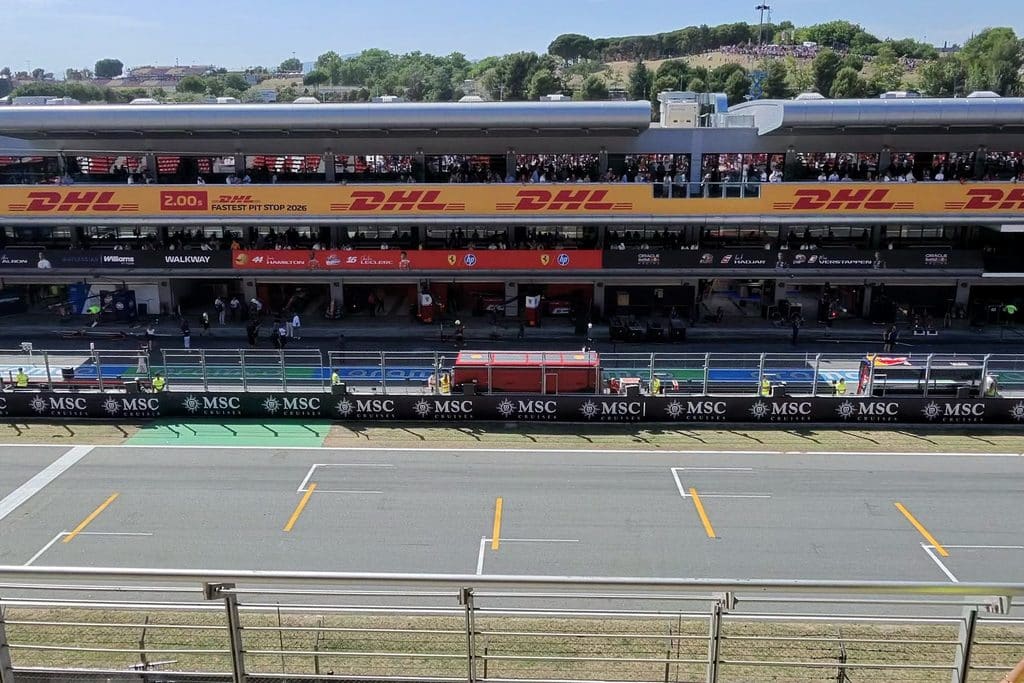
The Plan Is Dinner at 7:30. The Moment May Never Happen Again.
Imagine this: Kimi Antonelli wins the world championship in Brazil. This is a hypothetical, not a prediction or a claim about the championship standings. You are there, the atmosphere changes, and you have the chance to stay for the celebrations. If officials permit spectators onto the track, you might be able to be part of that too.
Meanwhile, the Tan Tan reservation I am planning would be for 7:30. A restaurant booking and a championship celebration do not necessarily fit into the same evening, however much I want them to.
Now the decision is much bigger than whether the car gets back quickly enough. You are choosing between a meal you deliberately built into the trip and a moment you could not have booked at any price. Leaving might mean missing something extraordinary. Staying might mean giving up a restaurant you cannot simply visit tomorrow.
I do not think there is a neat answer that works for every race, every restaurant, or every person. That is why I want to ask the question before the weekend, rather than pretend the itinerary can guarantee both.
What am I actually giving up?
A dinner I can reasonably rebook is different from the one available table at a restaurant I have wanted to visit for years. Equally, lingering after an ordinary afternoon is different from being there when a driver wins a world championship. I would want to be honest about the specific experience on each side, not reduce it to “race versus food.”
Is dinner prepaid? Is there a cancellation fee, or someone waiting for me? A choice that feels right can still carry a real loss.
Stay in touch, rather than assume the table will wait
If I am running late, my plan is to stay in touch with Tan Tan, explain what is happening, and hope they can accommodate me. That would be a favor, not something I am entitled to. Before booking, I will check the actual arrival and cancellation terms; sending a message does not extend any grace period. I would still need to respect their booking terms and accept it if the table could no longer be held.
Spectators were permitted onto the track at Interlagos in 2025. That makes the possibility feel real to me, but it does not guarantee access this year. I would follow the event’s instructions and only enter if officials permit it.
What I would actually tell the restaurant
I would keep the message practical: I have a reservation, I am delayed leaving the circuit, and I want to know whether arriving later is still possible. If I have a realistic estimate, I can share it. If traffic is not moving, I would rather say that than promise an arrival time I cannot support.
Then I need to listen to the answer. They may have another seating, a full bar, or a kitchen that cannot accommodate the change. Keeping them informed is basic consideration; it is not a way to negotiate an unlimited hold on a table.
If they can still take me, I would confirm what we have agreed and keep them updated if that changes. If they cannot, I can thank them, deal with any applicable booking terms, and make another plan. The restaurant should not have to guess whether I am coming.
I am not making two dinner reservations just in case
If Tan Tan cannot accommodate me, I will have to figure it out. That might mean trying somewhere else and waiting for a table. It might mean changing the kind of dinner I had in mind altogether. A walk-in alternative is a possibility, not a guaranteed backup.
What I do not want to do is make a second reservation while keeping the first one, just so I have options. That ties up two tables when I only intend to use one. I would rather accept some uncertainty than make my evening easier at the expense of a restaurant or another diner.
The question is which choice I would regret more afterward. Not which one makes the original itinerary look successful. I can leave room for the answer to change when the moment actually arrives.
How I Plan a Formula 1 Weekend: Decide What Cannot Move
Before booking, I want to identify where that kind of choice could appear. What would I be genuinely disappointed to miss, and which two experiences might compete?
On a Grand Prix trip, the race is an obvious answer. But the restaurant that made me excited about the city might be another. I want to see whether those two priorities can coexist before I add the rest. If they cannot, I want to know that I am taking a risk. A famous cocktail bar, a neighborhood walk, and an interesting lunch can all be worthwhile without every one of them becoming a fixed commitment.
I would start by checking the official weekend schedule for the event I am attending, then looking at restaurant availability across the whole stay. I do not want to choose a dinner night simply because it is the first slot the booking page offers. I want to know what that slot would ask of the rest of the day.
I have written separately about choosing Formula 1 grandstand seats. Here, I am assuming the circuit experience matters enough to protect. I do not want the dinner plan quietly making that decision for me without acknowledging the tradeoff.
The Best Meal Deserves More Than the Only Empty Slot
My first instinct is often to add the restaurant. The more useful second question is whether I will actually enjoy it on that particular night.
A long tasting menu asks something of you. You want an appetite, some energy, and enough attention to notice what is happening. When a meal matters to me, I would rather give it a clear evening than arrive with half my attention still caught in the journey back from the track.
That is why I would consider a non-track evening for the hardest-to-get or most anticipated reservation. Depending on the trip, that could mean arriving earlier or staying longer. It only makes sense if the extra time and expense work; adding another hotel night to justify a dinner is exactly the kind of logic that explains this website.
Barcelona is a good example of why I care. Mont Bar was my favorite meal of that trip, even with some serious competition. I also went to Disfrutar. Those experiences deserve their own attention, rather than becoming accomplishments to tick off between race sessions.
In São Paulo, Evvai is my favorite restaurant in the world. That does not mean every night should be an Evvai-sized commitment. It means I want to protect the night that is. A more flexible dinner on another evening can help make the important one better.
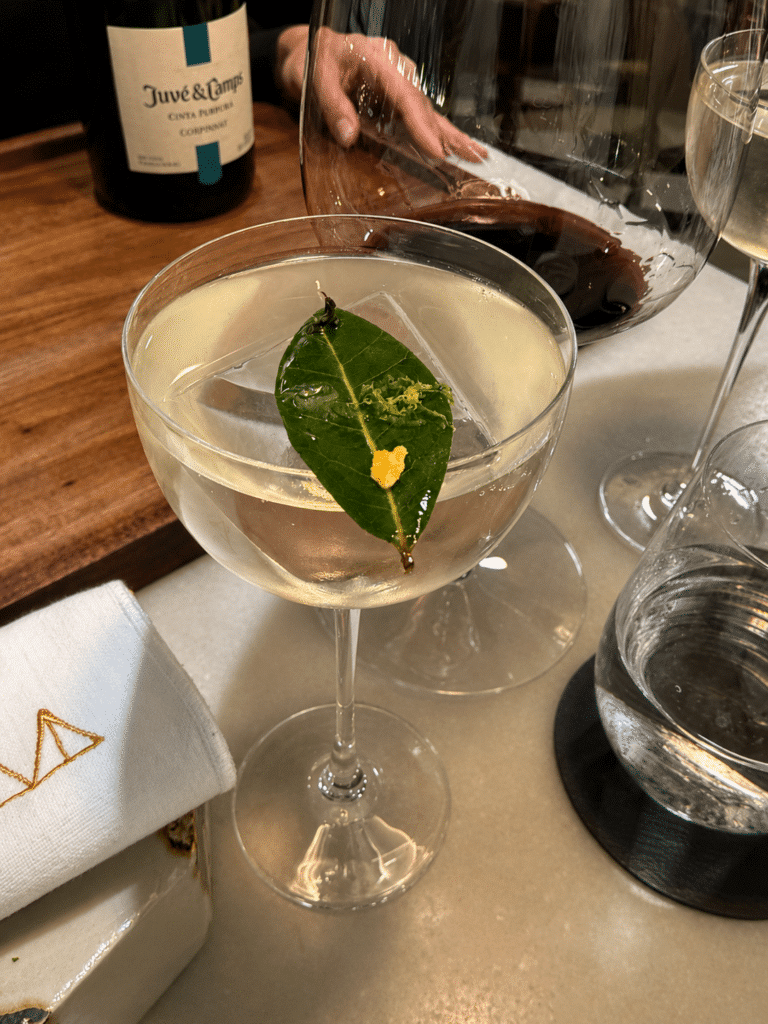
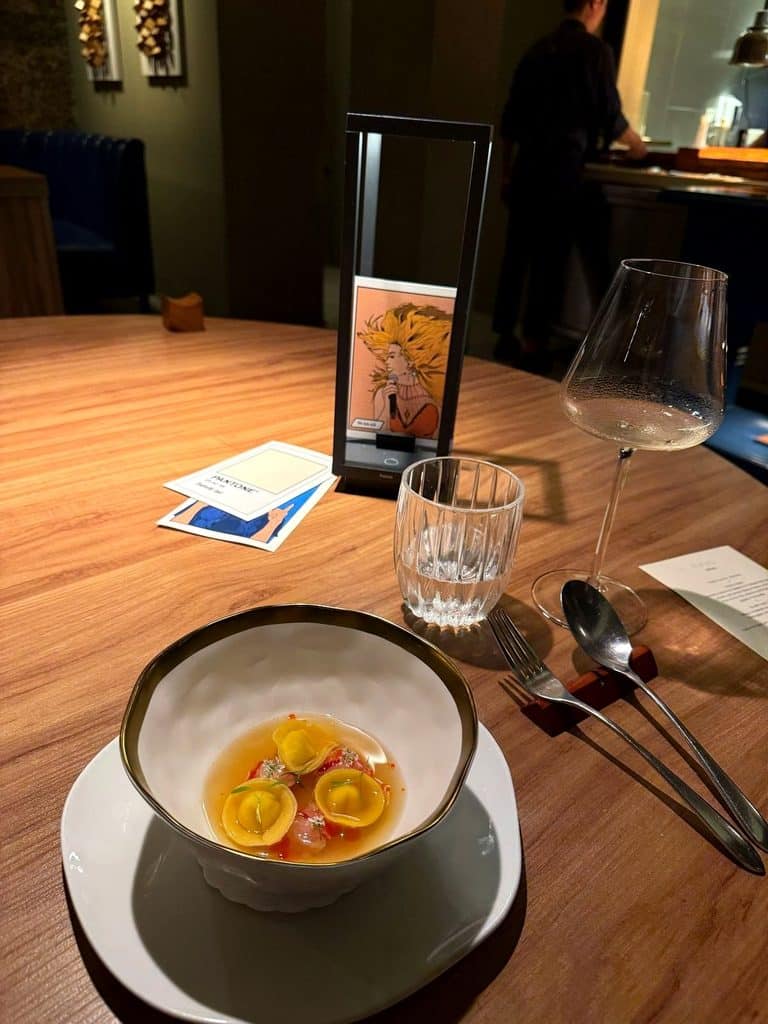
I am not saying a good restaurant cannot work after the race. I am saying that “available” and “a good fit for the day” are different questions. If the reservation only works when everything else runs perfectly, I would look for another night. If there is no other night, I need to decide whether the possibility of missing dinner is worth accepting.
Work Backward From Dinner, Without Planning Backward From Wishful Thinking
Once I have a possible reservation, I would work backward: restaurant arrival, travel from the hotel, time to get ready, the return from the circuit, and getting out of the venue in the first place. Every part belongs in the plan.
My own preference is about an hour at the hotel to get ready after the track. I want a shower, clean clothes, and enough time to feel like I am starting the evening rather than continuing the afternoon. That hour is easy to leave out when the calendar only shows the race and dinner.
The drive back is another piece that deserves honesty. A normal map estimate can be useful for understanding distance, but I would not treat it as a promise for the end of a Grand Prix. Walking out, reaching the pickup point, finding the driver, and joining the traffic all sit between the grandstand and the hotel.
Then there is the second journey, from the hotel to the restaurant. Staying somewhere that suits the city part of the trip can make that easier. I stayed at Sir Victor in Barcelona, and the hotel was part of the broader experience, not simply somewhere to sleep between track days.
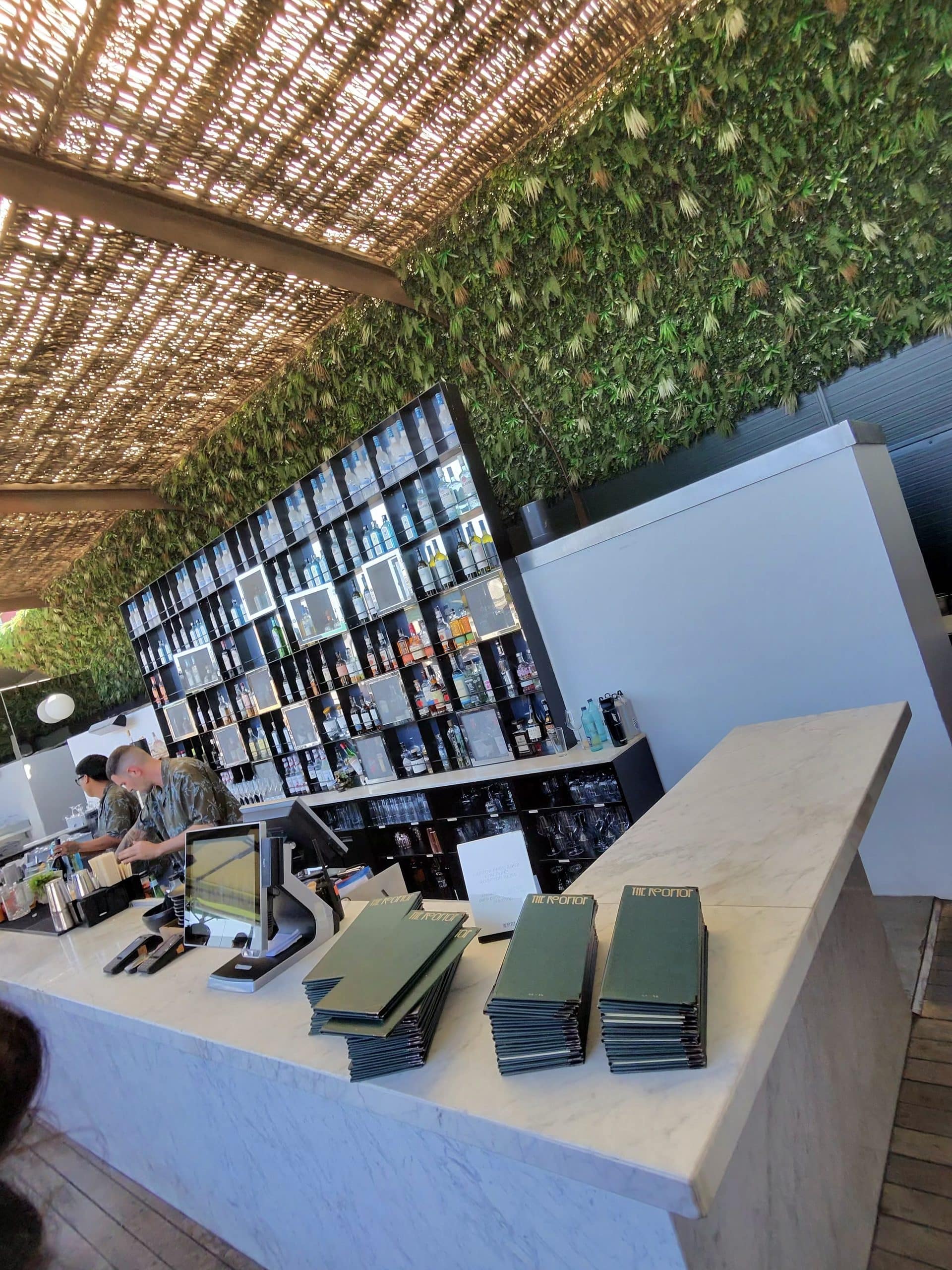
The test is straightforward: after allowing for the parts I know I want, is there still a comfortable margin? If the only way to make the reservation is to erase the hotel reset or assume a frictionless departure, I need to recognize the risk. With a plan like Tan Tan, that means accepting I may need to call, wait, or find something else—not pretending a second reservation solves it.
São Paulo Made Me Take the Journey Back Seriously
After the 2025 São Paulo Grand Prix, traffic was at a standstill. That experience belongs in my planning much more than a hopeful estimate of how quickly the trip ought to take.
For that journey, I prefer the comfort of a prearranged Rhino ride and air conditioning over squeezing onto a packed subway. That is my preference, not a claim that a car is always faster or that everyone should make the same choice. Being comfortable while waiting and avoiding the wait are two different things.
I recommend Rhino based on my experience with its armored cars and professional drivers. I have also had good experiences with Uber Black in São Paulo. The important point for this post is that choosing a service I like does not give me permission to make an unrealistic dinner reservation.
I would check the pickup arrangements for the specific event, confirm where I need to meet the driver, and keep the restaurant plan realistic even after arranging the car. The detailed city and circuit advice belongs in my São Paulo Grand Prix travel guide; the lesson here is about what I book afterward.
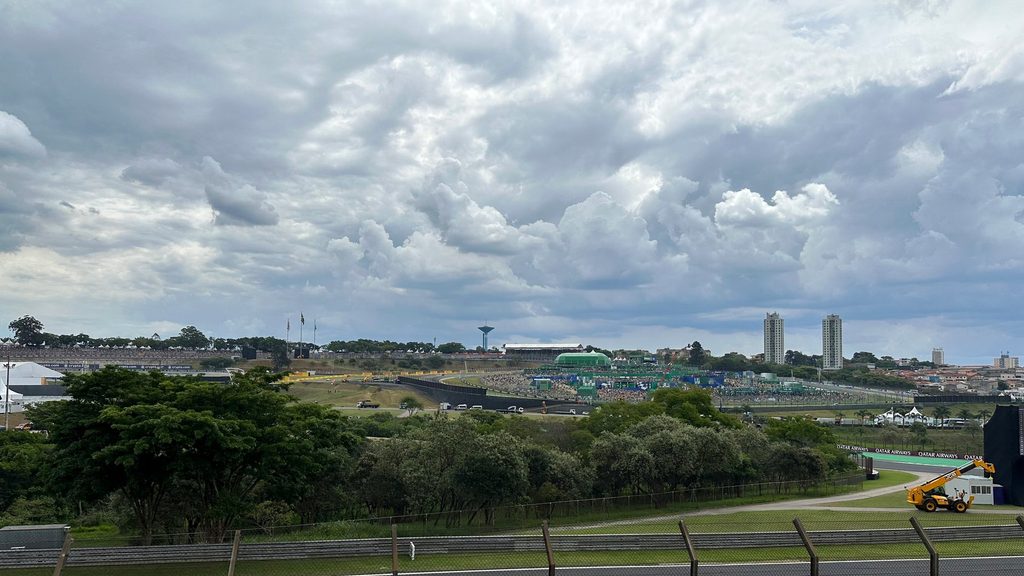
A restaurant cannot control the circuit exit, and the driver cannot make my preferred reservation time more sensible. That part is on me.
What a Realistic Race Day Would Look Like
I find a sequence more useful than a pretend-perfect timetable. This is a planning example, not a record of a particular day or a promise about how long an event will take.
Before the circuit: Keep the morning simple
I would leave room for breakfast and the journey without adding a destination brunch or a sightseeing stop that introduces another deadline. There will be plenty happening at the track. The morning does not need to prove that I am making the most of every minute.
At the circuit: Be there for the experience
I want to enjoy the racing without mentally leaving early for dinner. The time commitment includes getting in and out, not just the sessions themselves. I would also keep an eye on what I need for the conditions, rather than assume that feeling fine when I leave the hotel means I will feel the same later.
After the circuit: Get back, then reset
The departure comes first. Then the ride, the hotel, and time to get ready. This is the stretch I would leave deliberately loose. A delay here should use some margin, not immediately put a special dinner at risk.
For dinner: Choose an evening that can stand on its own
If the timing genuinely supports a reservation, great. Otherwise, I would choose a less demanding plan with realistic availability, checking hours and booking requirements rather than assuming somewhere will take me. Casual does not have to mean disappointing, and a shorter dinner does not have to be a consolation prize.
After dinner: Let the extra stop stay extra
A cocktail can be a great finish. It does not need to become compulsory. I love a good bar, but adding a second reservation simply because there is space on the screen can turn a satisfying day into a very long one.
What I Would Move—and What I Might Have to Give Up
When a plan feels crowded, removing an extra bar or a cross-town detour is easy compared with the 7:30 decision. Those smaller choices are still worth making. They leave more energy for the things I care about and fewer unnecessary deadlines.
But I do not want to pretend every conflict can be fixed by becoming more organized. Sometimes the restaurant has one opening. Sometimes the circuit gives you a reason to stay. Sometimes you have done the planning properly and still have to choose.
That is where checking booking terms, discussing the plan with anyone joining me, and knowing my alternatives helps. It does not make the decision for me. It makes the consequences clearer.
I would rather make a conscious choice and accept the cost than spend the whole evening resenting whichever experience I chose. There may be another visit. There may not be another version of that particular race day.
The Better Choice Depends on Why I Wanted Both Experiences
Before deciding to leave the circuit, I would ask what staying adds. Am I waiting around because I cannot quite bring myself to leave, or is something happening that makes the extra time meaningful? Those are different reasons, and I do not want the fear of missing out to make every decision.
I would ask the same question about dinner. Is this a meal I genuinely care about, or am I attached to the reservation because it took effort to get? Researching and booking something can make it feel more important than it will actually be. The point is to enjoy the evening, not protect the work I put into the calendar.
That still leaves room for choosing dinner. Leaving the circuit does not mean I care less about Formula 1. Staying does not mean I suddenly care less about restaurants. It means that on this particular day, with these particular choices, one experience mattered more.
If I am sharing the evening with someone, their expectations matter too. I would want that conversation before we reach the point of choosing. An itinerary is easier to change when everyone understands what was firm, what was hopeful, and what might depend on the race.
Leave Something of the City Unscheduled
I like researching trips. I like finding the place that makes the planning feel worthwhile. But I also want time to walk, look around, and follow an interesting street without checking whether I am now behind.
My Barcelona travel guide covers more of the city beyond the circuit. A race weekend can lead into that wider trip, but it needs some room to happen. Booking every lunch and evening in advance would leave very little space for the discoveries I enjoy most.
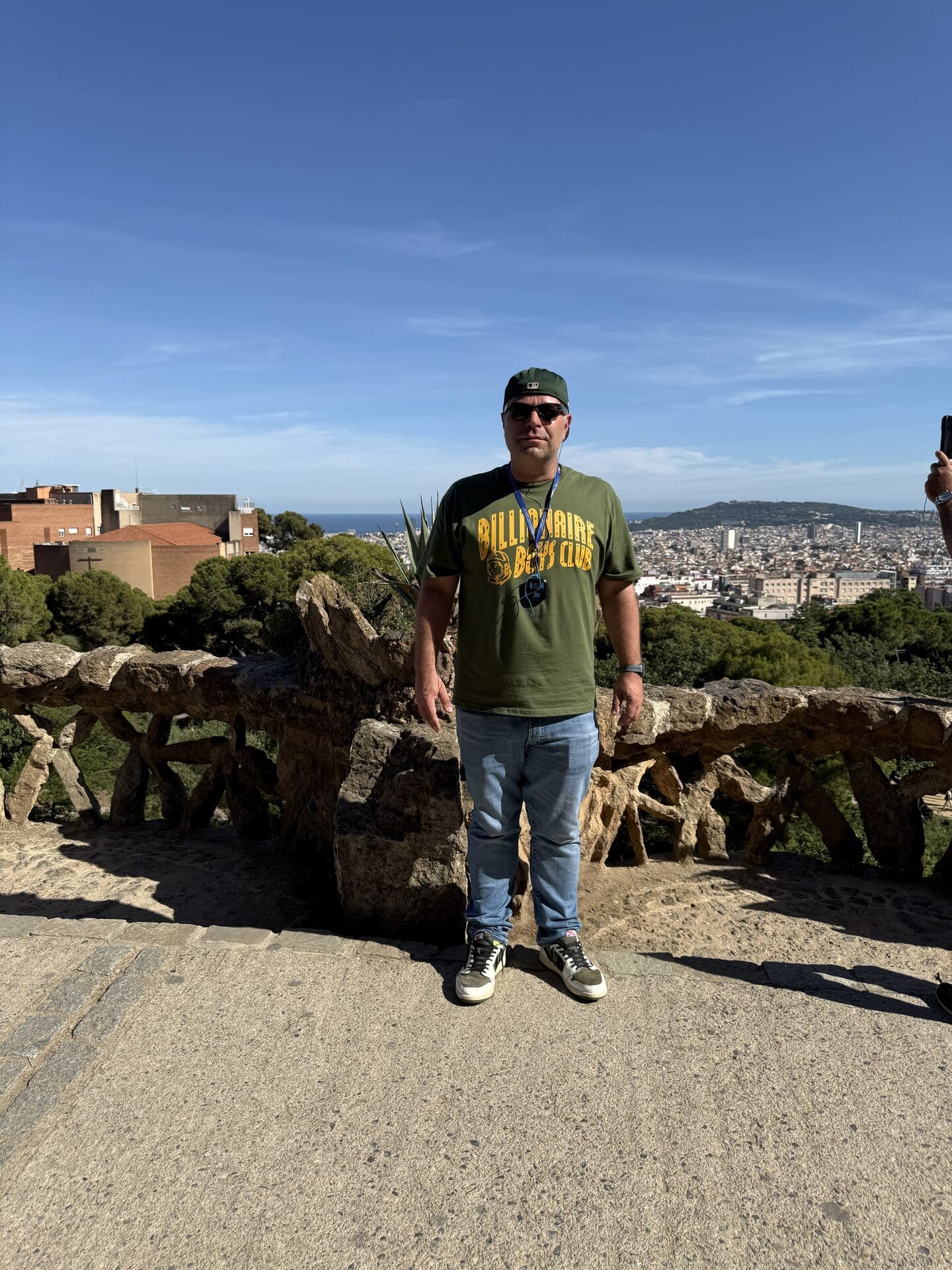
That is the balance I want from Formula 1 travel: enough planning to protect the race and the meals that matter, with enough freedom to enjoy the place around them. The reward for doing the work beforehand should be less clock-watching once I am there.
The weekend can still get a little out of control. If it does, I want to know the difference between a bad plan and a moment worth changing a good plan for.
Worth the effort. Usually.
Leave a Reply