Tag: cars

  • The Jobs I’d Do for Free: Motorsports, Cars, Travel & Food

    The Jobs I’d Do for Free: Motorsports, Cars, Travel & Food

    The Jobs I’d Do for Free cover featuring Machu Picchu, Interlagos, a silver Ferrari, two dishes and a cocktail.

    The jobs I’d do for free have a lot in common with how I already choose to spend my time. If I could spend a few years doing exactly what I wanted, I’d travel, eat and tell people about it. I’d try different cars along the way, and I’d definitely make time for some races.

    I wish I’d figured that out in my late teens or early twenties. I was already planning weekends around restaurants, looking for something new to taste and asking questions about what I was eating. I just never thought about where that interest could take me.

    A trip to São Paulo in 2024 finally helped me connect all of it.

    I’m a Finance Director in the automotive industry. I have a full-time job, a budget and a limited amount of vacation time. There are more places I want to visit than I can fit into that schedule, and more restaurants than I can reasonably afford to try.

    But if you asked me how I’d choose to spend my time, these would be the jobs I’d do for free. Getting paid would be welcome, too. I’d like to make a living doing work I already enjoy this much.

    The jobs I’d do for free

    After high school, I took my high school girlfriend to one of Daniel Boulud’s restaurants for her 19th birthday. Looking back, the signs were there.

    I started going to the New York City Wine & Food Festival in its second year, 2009. I went for the next three years, then returned a few more times after that. I also attended the Manhattan Cocktail Classic for two or three years, roughly between 2011 and 2013.

    I wasn’t working in restaurants or behind a bar. I was an outsider who wanted to taste more, ask questions and understand what people were making.

    When I wasn’t going into New York for the weekend, Harvest in Closter was my go-to. I still remember their oysters and pearls, which reminded me of The French Laundry’s dish. Years later, that meal is still in my head.

    I visited plenty of Zagat-rated and Michelin-recognized restaurants without thinking to document any of it. I wish I had more photographs and notes from those years. Then I bought a farm in 2013, and my attention went elsewhere.

    São Paulo brought me back to this in 2024. I enjoyed the research almost as much as the trip: finding restaurants, figuring out where to stay and learning about places I’d never heard of. Once I got there, the food and the people gave me even more reasons to keep exploring.

    Now, some of my friends in São Paulo ask me where they should go. They live there, but they know how much research I do before a visit and how much I keep doing between trips.

    I’ve also become friends with people in restaurants, hospitality and mixology. Sometimes they tell me about somewhere that has quietly opened, before a ranking or a trend brings it much attention. Just good food, good service and someone saying, “You should try this place.”

    I love that. I wish I’d understood sooner how much I’d enjoy sharing what I find.

    1. Motorsports reporting
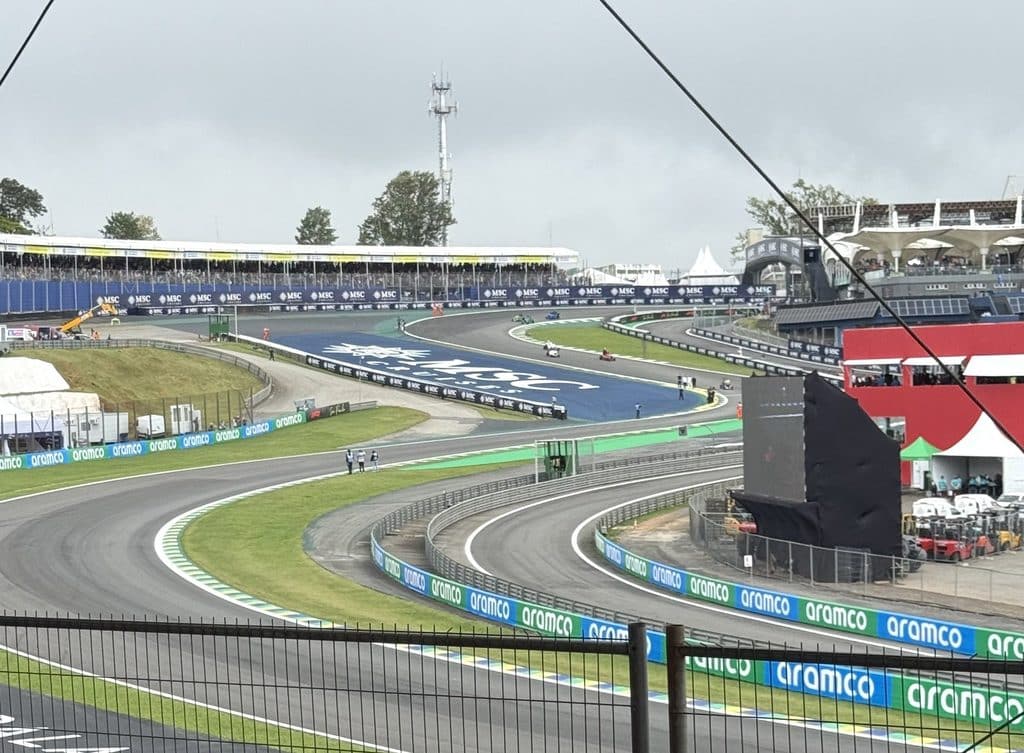
    The Senna S at Interlagos seen from the grandstand, with safety fencing in the foreground.
    The view toward the Senna S from the stands at Interlagos.

    Working at Ferrari got me interested in Formula 1. Traveling for races made it a much bigger part of my life.

    I care about what happens on the track. I want to understand why a strategy worked, why a driver struggled and how a team found something everyone else missed. Between Formula 1, WEC and IMSA, there’s always something to follow.

    I’d love to get closer to those stories and talk to the people doing the work, including the crew members whose names rarely make the headlines. Their preparation and decisions matter every weekend, and I’d like to understand more of what goes into them.

    I also enjoy writing from the perspective I already know: being a fan at the circuit.

    My São Paulo Grand Prix travel guide comes from attending Interlagos in 2024 and 2025. It covers what I learned by being there, including choosing a grandstand, dealing with rain and getting back to the hotel with enough time for dinner.

    With more freedom to travel, the race calendar would absolutely influence where I went next.

    2. Car reviews
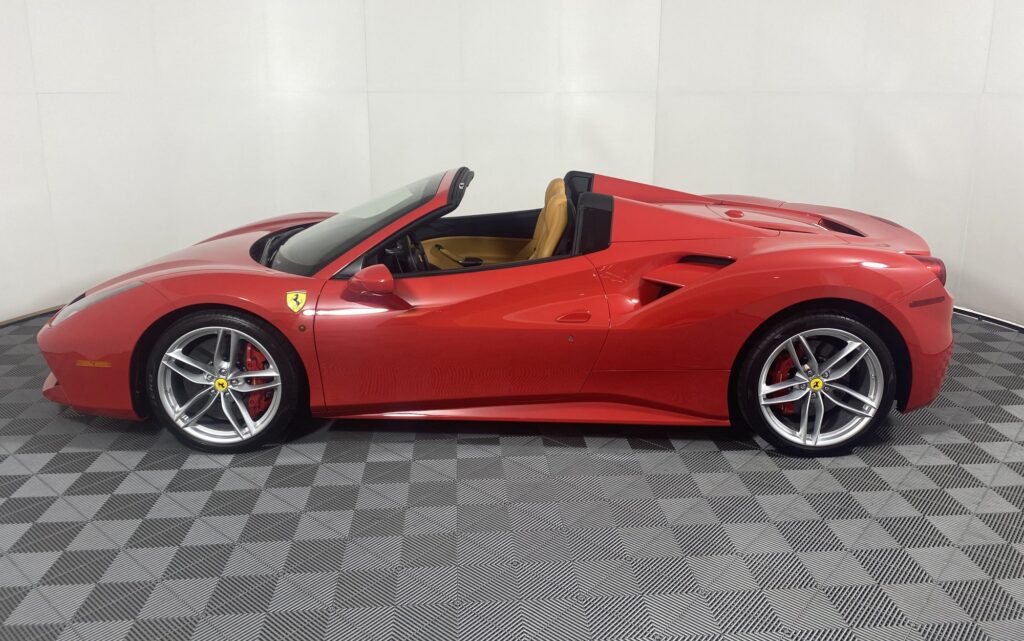
    A red Ferrari convertible in side profile, with its roof down and both wheels visible.
    A Ferrari from my automotive archive.

    Cars are still part of my working life, and I still enjoy them. Ferrari is part of that history, but my interest goes well beyond one badge.

    Give me time with an interesting car and I’ll want to understand what makes it worth driving. That could be a vintage Porsche, a McLaren or a sedan that looks ordinary until you get behind the wheel.

    The specifications are a starting point. I want to know how it responds, what it sounds like, how comfortable it is and whether I’d look forward to driving it again.

    I’d love to try different cars as I traveled and tell people what I thought. Some would be cars I’d dream about owning. Others might surprise me simply by being enjoyable to drive. There would always be another one I’d want to spend time with.

    3. Travel writing
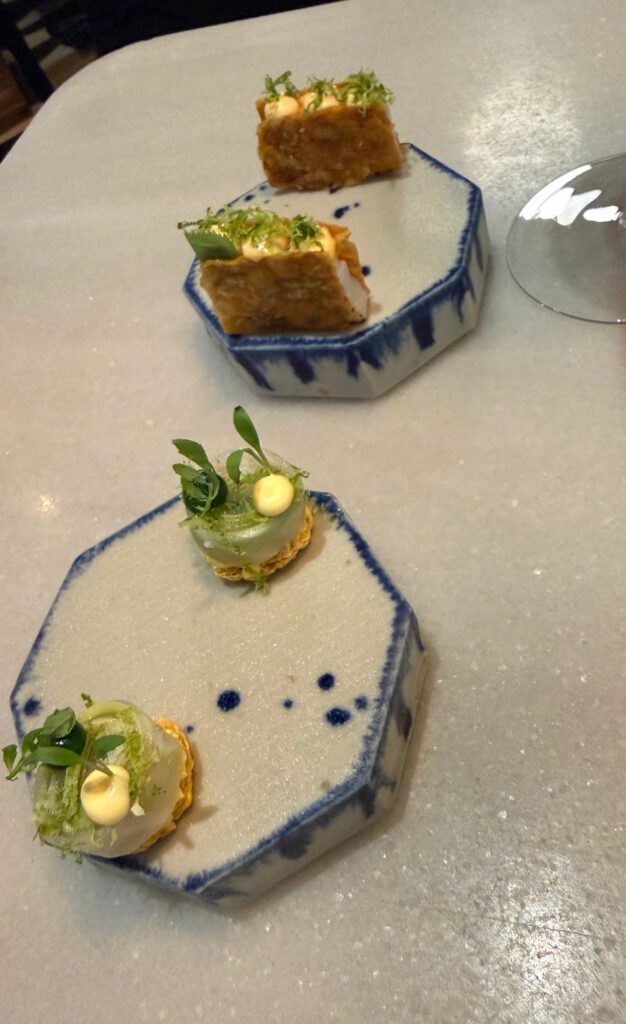
    Barcelona gave me a good example of what I want more of.

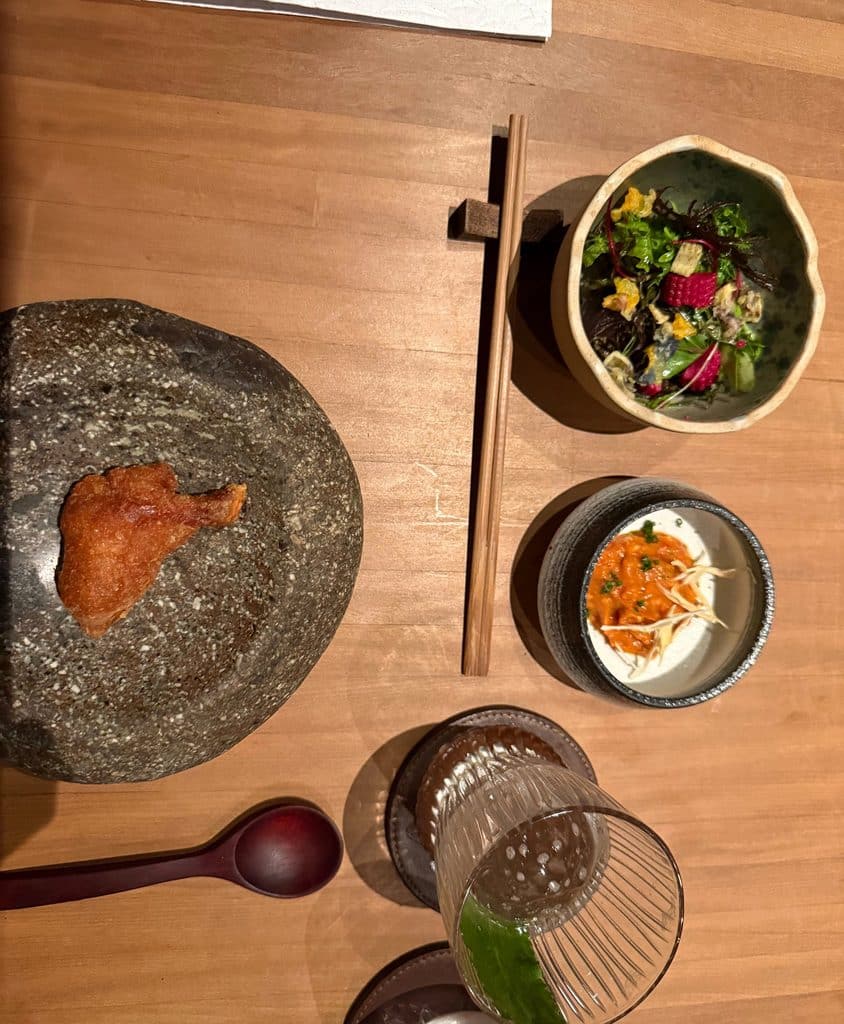
    I went in June 2026 for the Grand Prix and spent the rest of the trip exploring the city and its restaurants. Mont Bar was my favorite meal there. The food, wine and relaxed service made it an evening I wanted to talk about afterward.

    Disfrutar was a very different experience, more theatrical and technical. I enjoyed having both on the same trip.

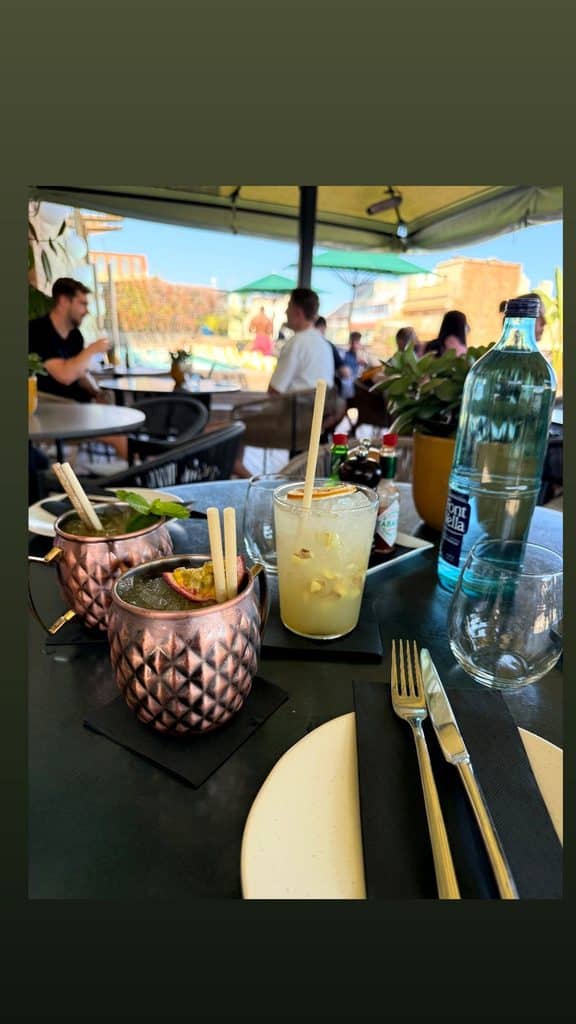
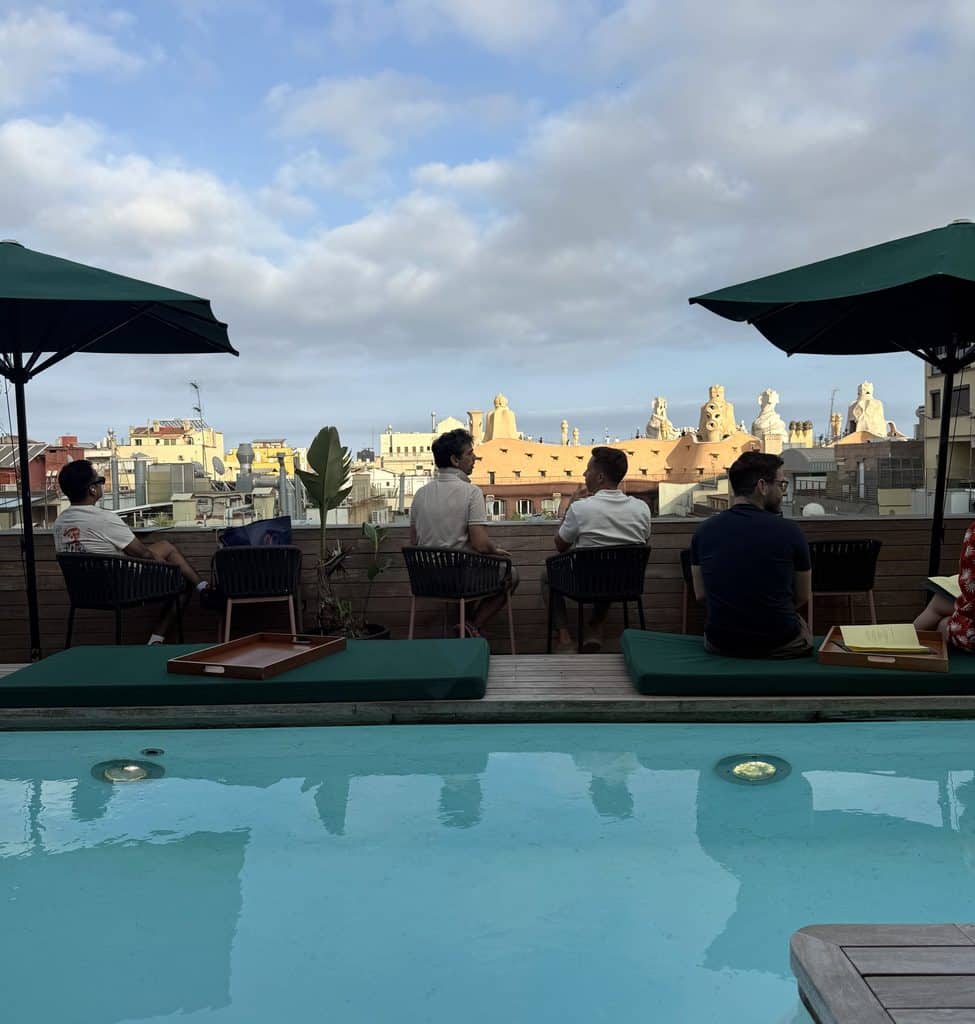
    Sir Victor’s rooftop became a daily stop. After being out in the city, I liked coming back, sitting down and having a drink. I also wanted to understand more about the food and wine, the neighborhoods and the history behind what I was seeing.

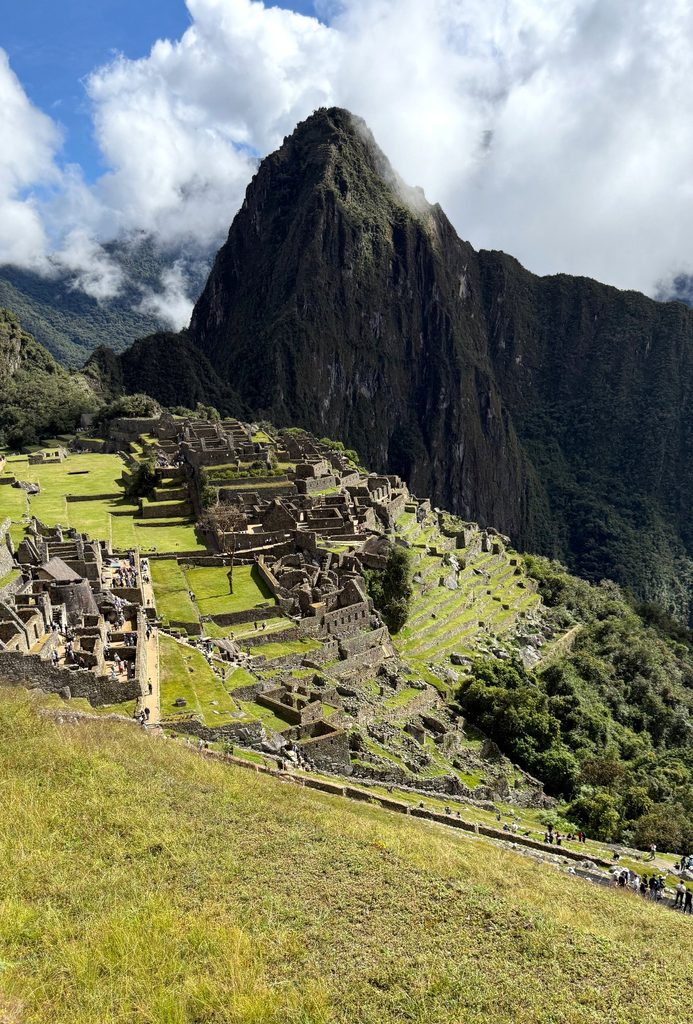
    Peru belongs in this story, too. Walking through Machu Picchu was as much a reason to travel as a restaurant reservation.

    In Lima, my research led me to Maido. I ate there in May 2025 and was home by May 15, before it was named The World’s Best Restaurant 2025 by The World’s 50 Best Restaurants that June. It was pretty cool to see a place I’d just experienced receive that recognition.

    I also came home thinking about what I’d missed. I wasn’t persistent enough about getting a reservation at Central. Around Cusco, I was so concerned about altitude sickness that I didn’t give the food research the attention I normally would. MIL is one of the places I wish I’d looked into properly.

    Eventually, I want to go back. That’s part of travel for me: enjoying what I did, learning from what I missed and thinking about the next visit.

    São Paulo keeps giving me reasons to return. I think about the view from Hotel Unique, the people I’ve met and the dinners I want to plan before I’ve even booked the flight. My São Paulo travel guide grew out of those experiences.

    It’s also what I enjoy about Formula 1 luxury travel. I can combine a race with a city I want to explore. I’d love to stay longer because I’m enjoying myself, without counting the days until I have to be back at work.
    4. Food and restaurant reviews

    I don’t need a vacation to go looking for a good meal. I regularly travel more than an hour into New York City to try a restaurant. Sometimes dinner is the entire reason for the trip, and I’m perfectly happy with that.

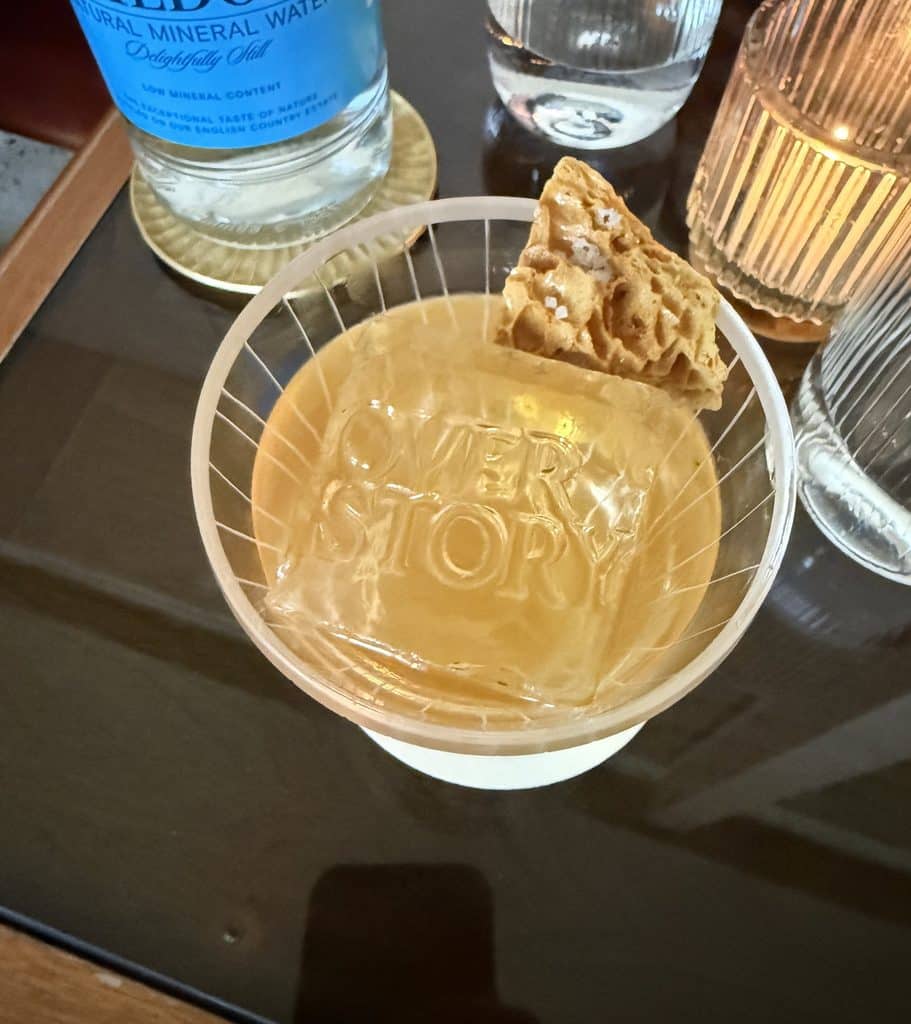
    Put me at a chef’s counter with a tasting menu and a thoughtful wine pairing, and I’ll spend the evening paying attention. But wine isn’t always my first choice. Sometimes I’d rather have creative cocktails, especially when someone behind the bar is doing work as interesting as what’s coming out of the kitchen.

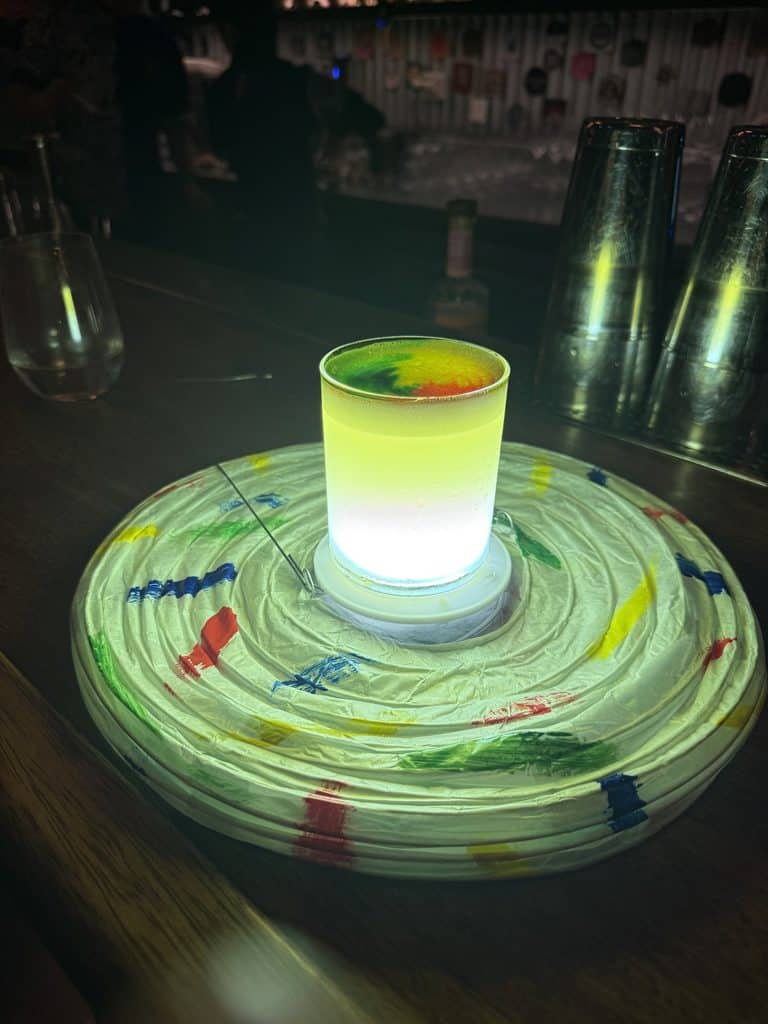
    I wish there were more cocktail tasting menus like Carnaval in Lima. I enjoy giving the drinks that same attention: what’s in them, how they’re presented and why those ingredients work together.

    With food, I want to understand what the chef is trying to do. I’m also noticing the service, the pace and whether I feel comfortable in the room. Those things affect the evening just as much as an impressive plate.

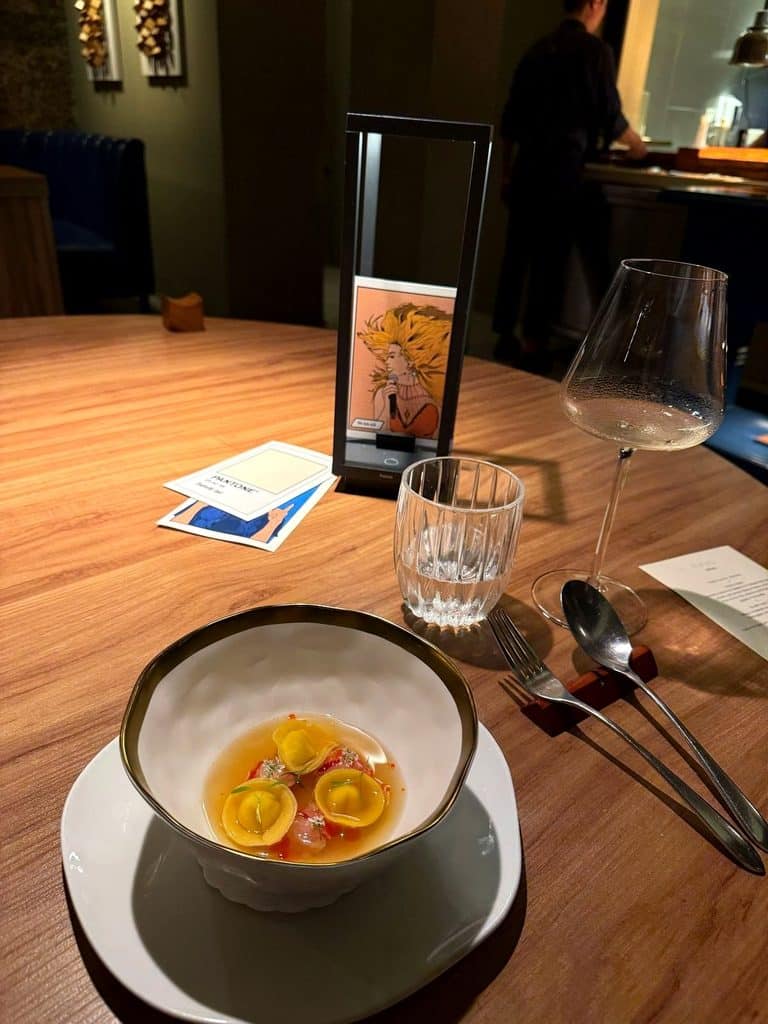
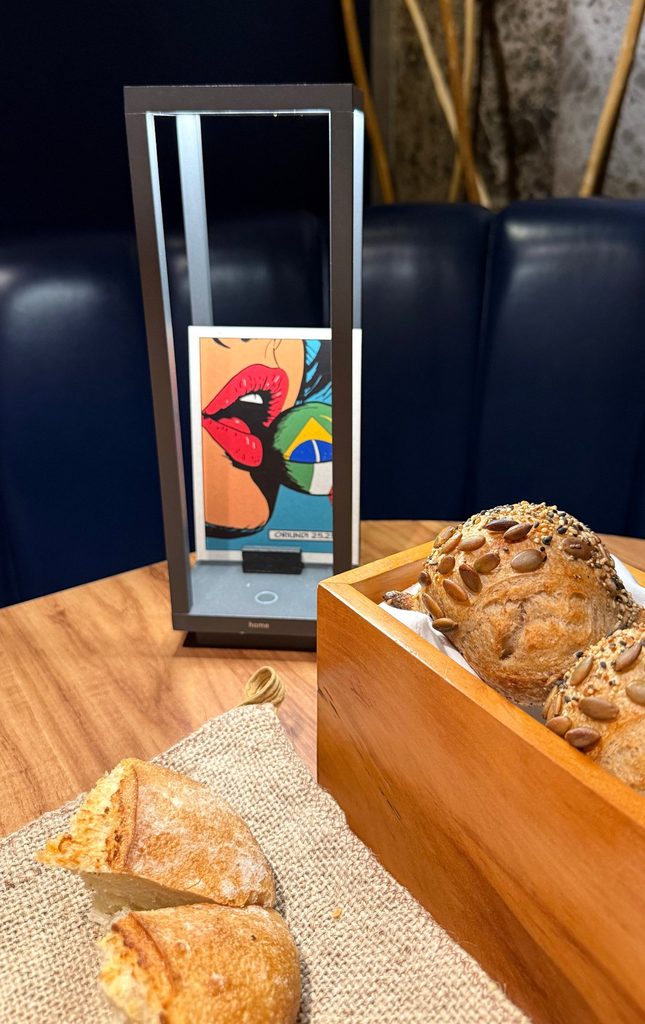
    Evvai is my favorite restaurant in the world, partly because I enjoy being there so much. The cooking gives me plenty to think about, and the illustrated course cards explain the ideas behind the food while adding personality to the meal. It’s ambitious, but it’s also fun. That matters to me.

    Those are the details I want to share in my food and drink writing. What did I like? What surprised me? Would I go back? Was the evening worth the trip and the money?

    An expensive menu doesn’t get a free pass. A simple meal can be worth recommending without dressing it up as something more.
    What I’d like this work to make possible

    I’d love to find out what I could learn if this became my full-time work. How many places could I discover? Who could I meet? What could I introduce people to if I had more time to research, travel and write?

    I’m working toward making a career out of some combination of this website, travel consulting, a travel agency or a concierge service. I haven’t figured out exactly what that will look like yet. But I know the work I want to spend more of my life doing.

    Once I make that transition and can afford to do it properly, I’d also like to help people travel who otherwise wouldn’t have the opportunity.

    Maybe that becomes a charity. Maybe I quietly organize a couple of trips each year. I picture taking a group of 10 to 14 people who have never had a real vacation: single parents with their teenage kids, or families working hard just to keep up with everyday life.

    I’d want to give them the chance to see somewhere new, try food they’ve never tasted and spend time together without worrying about what the trip costs.

    I’d love to see their reactions. Maybe one meal or one conversation would introduce a kid to something they’d never considered. They might discover an interest in cooking, travel or writing. Maybe there’s a future chef in that group who just hasn’t had the opportunity to find out yet.

    That’s something I’d like this work to make possible.

    I can’t go back and figure this out earlier. I can keep moving toward it now. For the moment, that means fitting trips and meals around my job and budget, doing the research and sharing what I find.

    I know what I’d choose with more freedom. I’m already doing as much of it as I can.

    What job would you do for free?

    For more on how I put these trips together, read how I plan every trip. My Barcelona travel guide goes deeper into the restaurants, hotels and neighborhoods from that visit. You can also read my original Peru trip plans to see what I had in mind before visiting Lima, Cusco and Machu Picchu.

    Completely Unnecessary. Absolutely Worth It.
  • Hypercar Named After Me: My Naturally Aspirated V12 Dream

    Hypercar Named After Me: My Naturally Aspirated V12 Dream

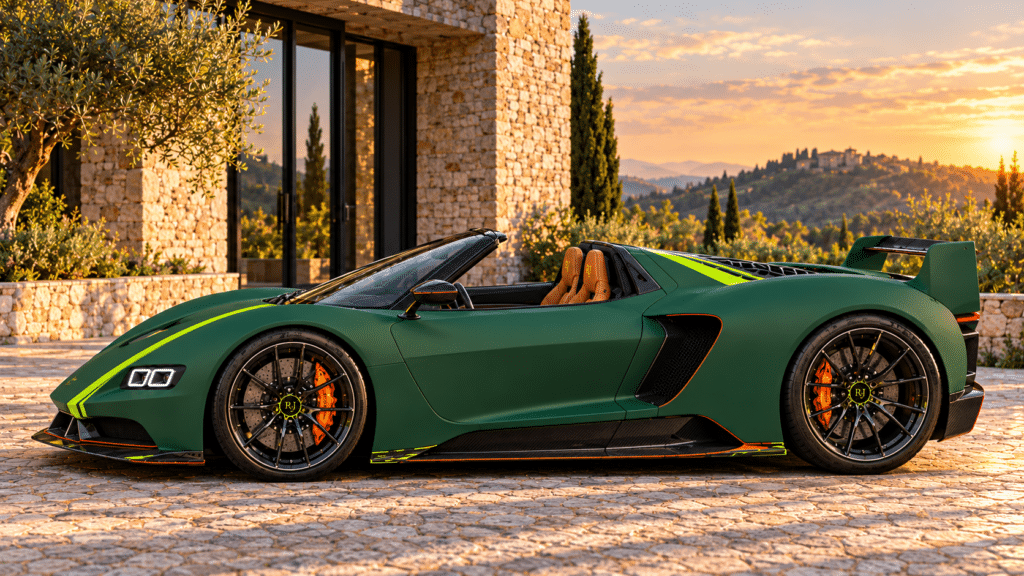
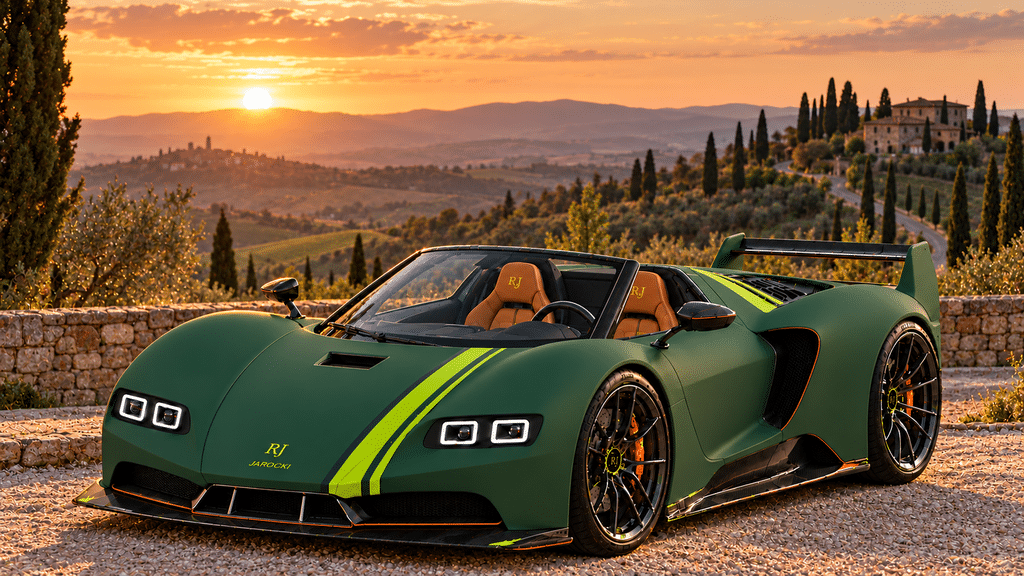
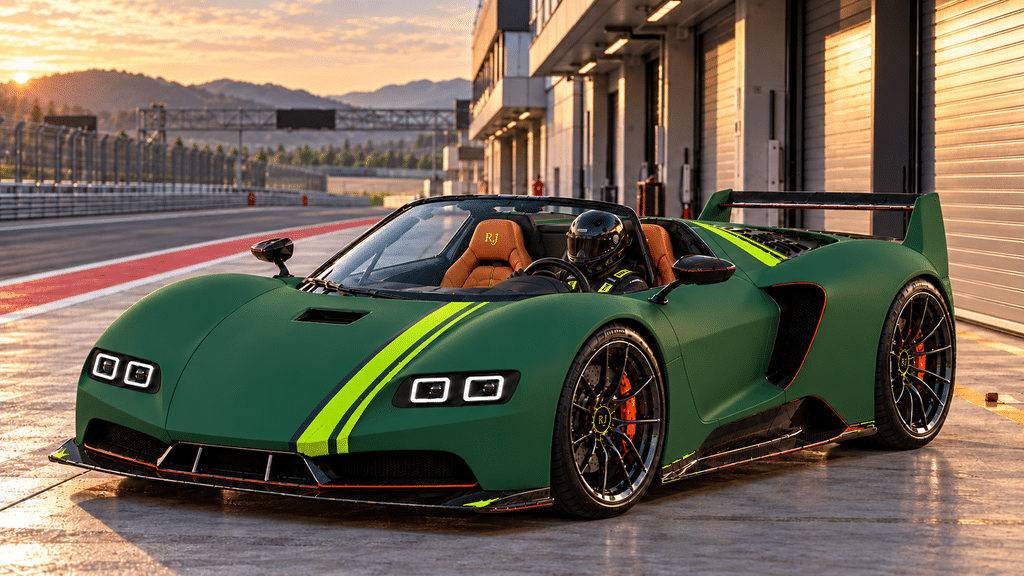
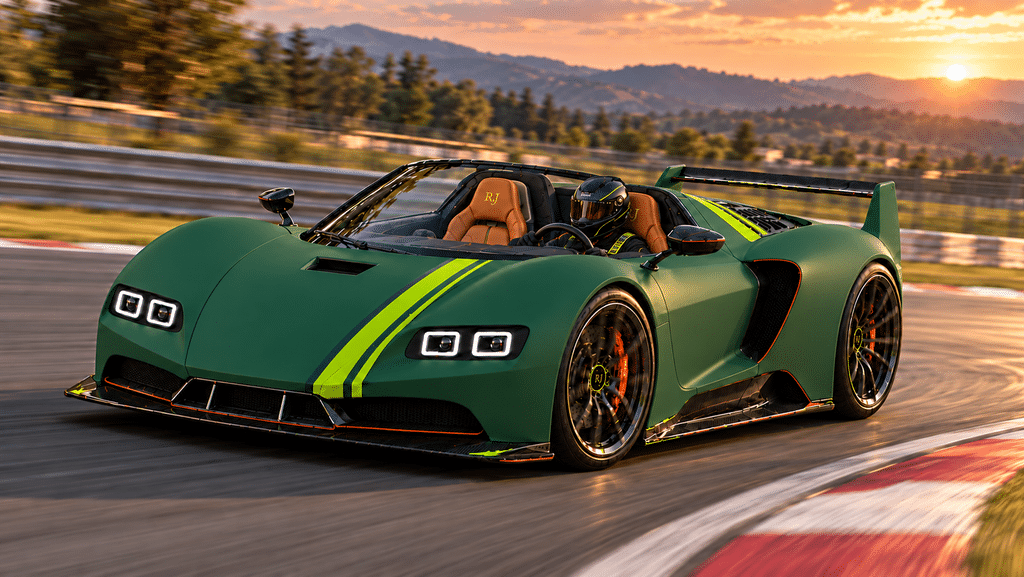
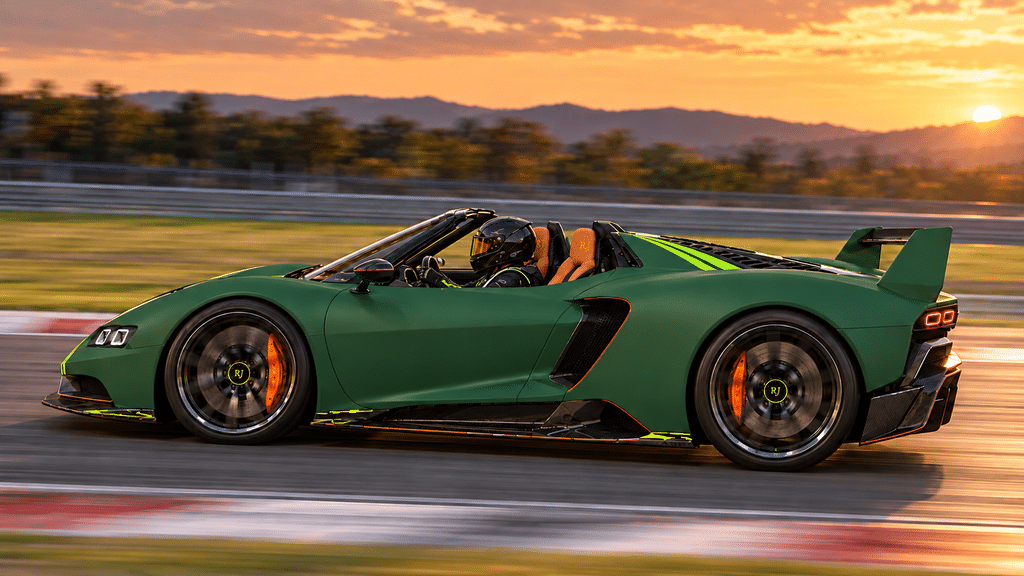
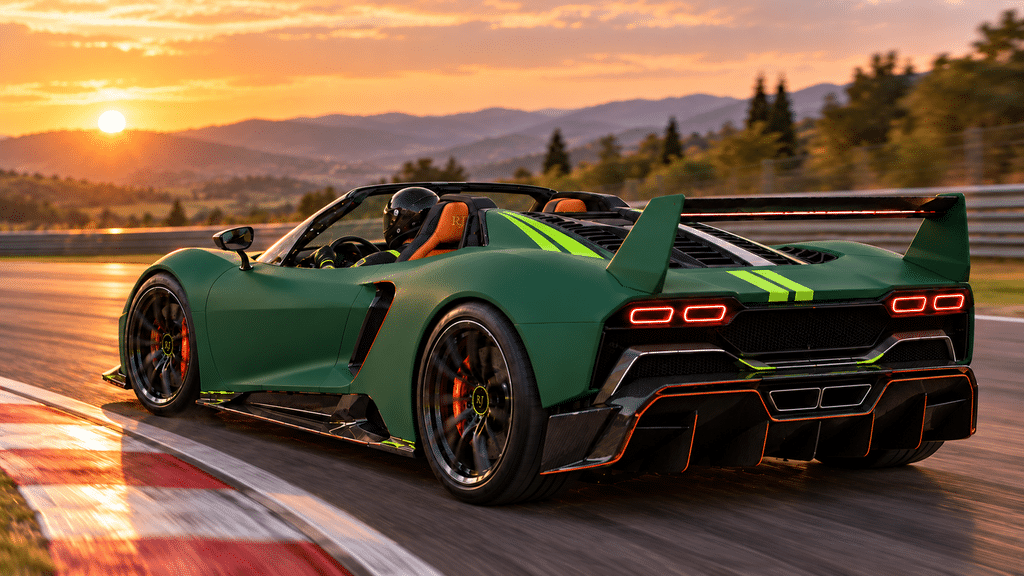
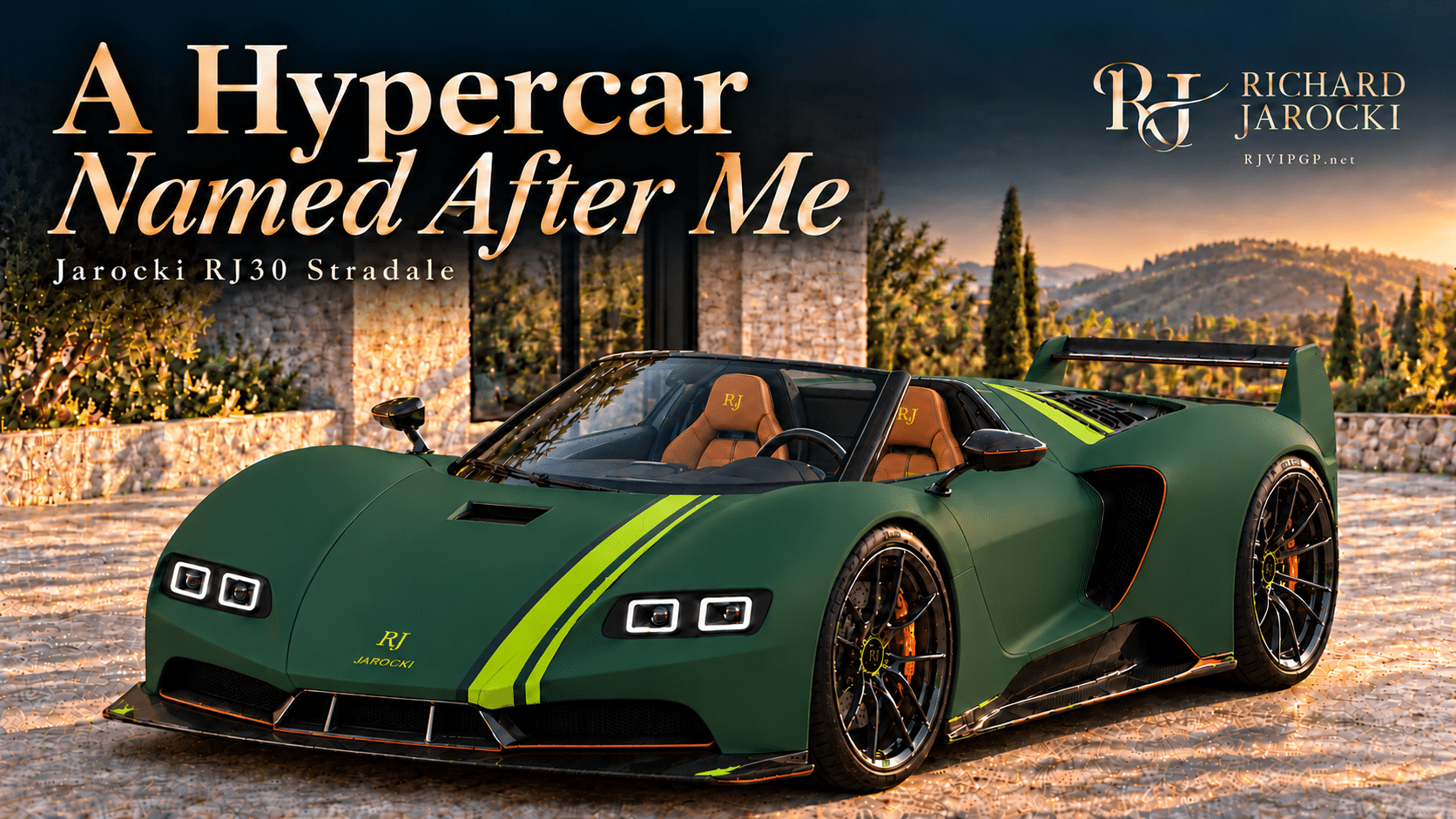
    Green Jarocki RJ30 Stradale concept hypercar with lime accents and tan seats outside a Tuscan villa.

    A hypercar named after me would have to be a proper driver’s car. Something I could commute to work in, take to a circuit and line up at a drag strip, with a naturally aspirated V12 that made people stop mid-conversation when they heard it coming.

    That’s the dream: take the best ideas from the hypercar world and engineer them into something I’d want to drive. More than 1,000 hp. Beyond 9,000 rpm. A dual-clutch gearbox. Thirty cars, each built around its owner.

    I want the sound, the craftsmanship and the slightly unreasonable ambition. I also want to get out of the driveway without treating it like a military operation.

    Call it the Jarocki. RJ30 Stradale still has a good ring to it. Either way, the name would come with a demanding brief.

    What a hypercar named after me should stand for

    The story behind the Pagani Huayra BC is part of my inspiration. Its initials honor Benny Caiola, Pagani’s first customer and a close friend of Horacio Pagani. I like that there’s a person and a relationship behind the badge.

    A hypercar named after me should say something about what I value: mechanical character, beautiful details and experiences worth remembering. You should understand the idea when you sit in it, hear it start and take the first few corners.

    Taking inspiration from other hypercars would mean asking what each does well, then making those ideas work together. I’d want the result to have its own personality. The engine, chassis, cabin and ownership experience should all belong to the same car.

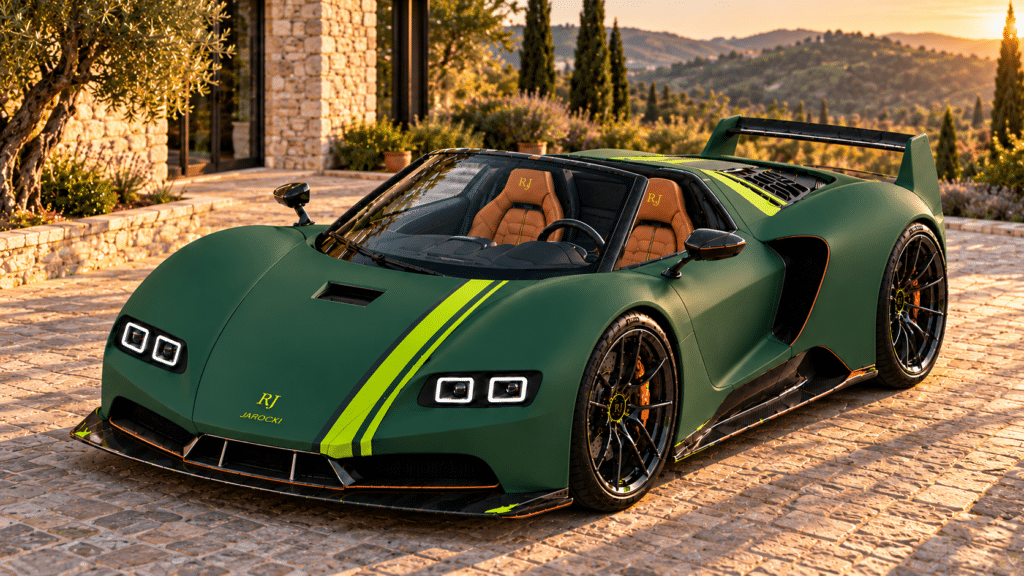
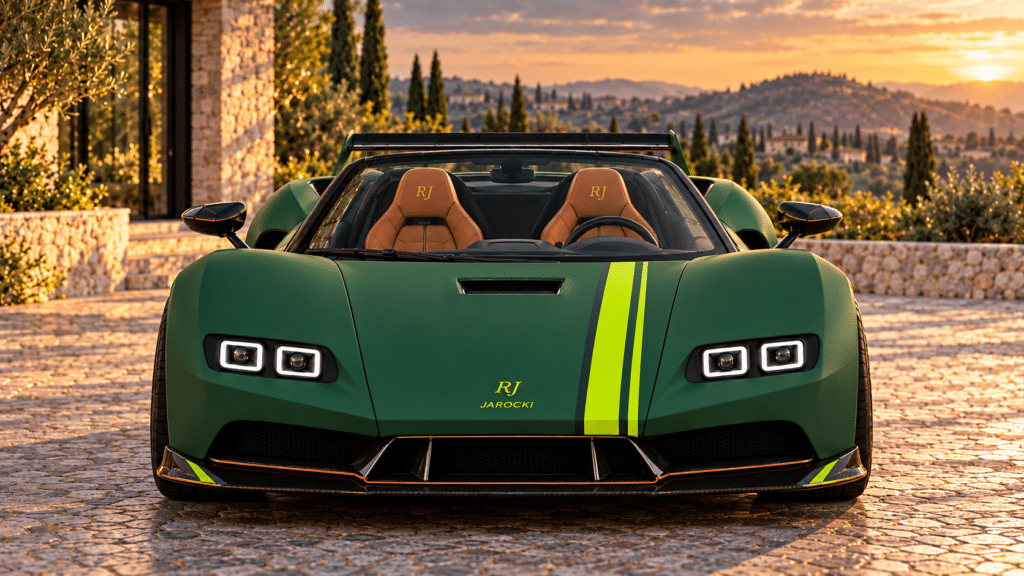
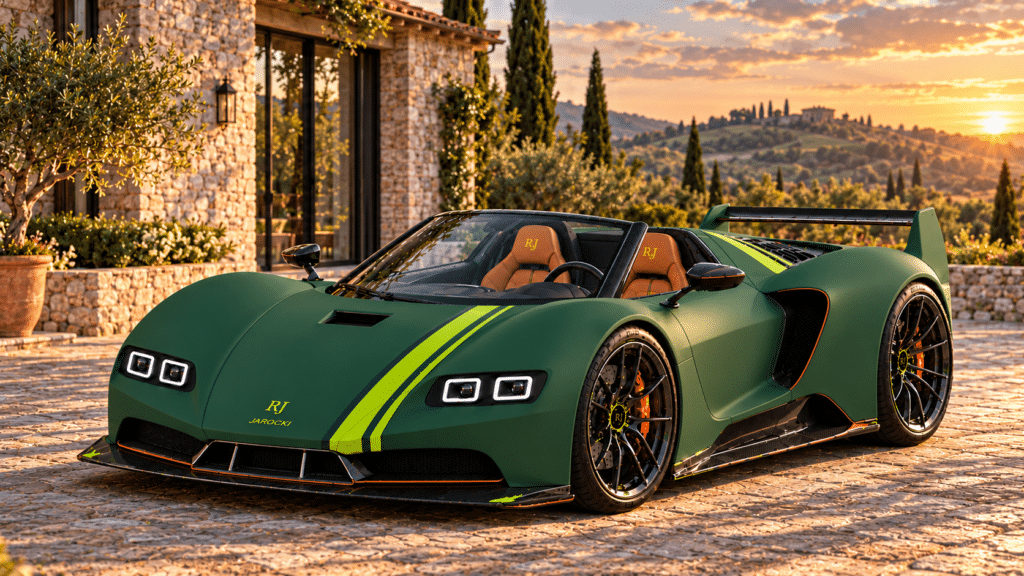
    Hypercar Named After Me Front view of the Jarocki RJ30 Stradale showing paired rectangular headlights, an offset lime stripe and RJ badge.
    A face that deserves its own name.

    A hypercar named after me needs a V12

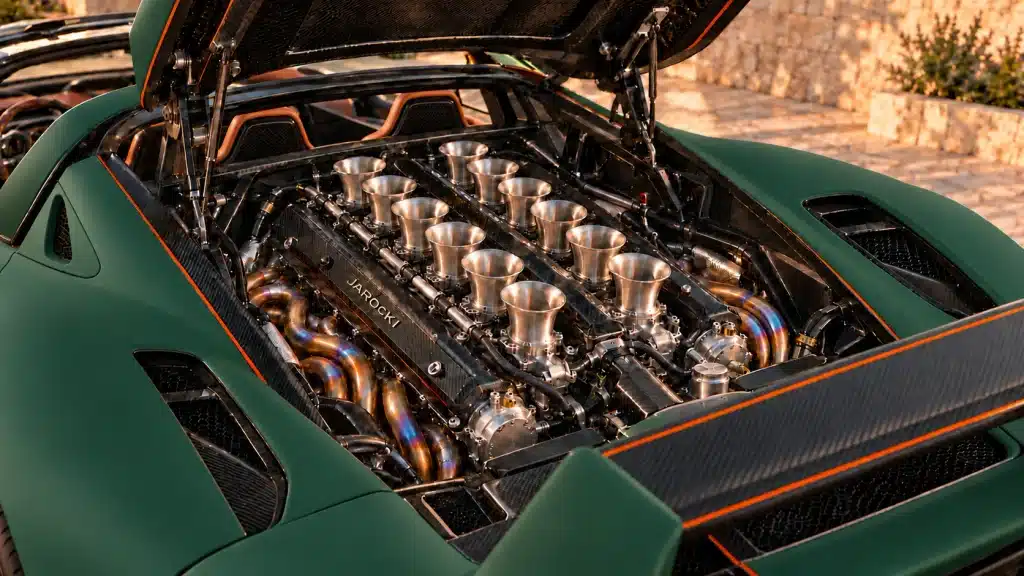
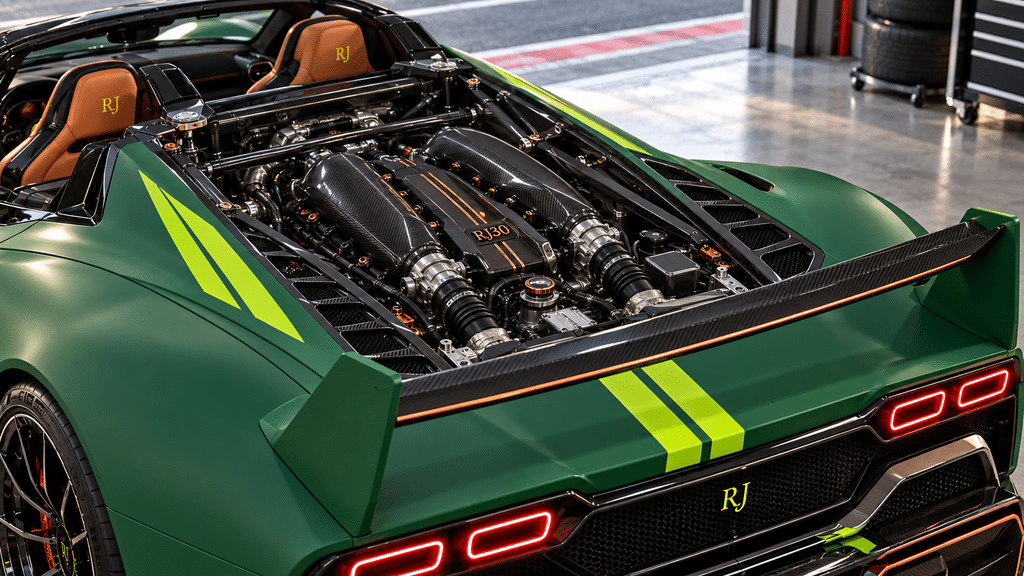
    The starting point would be a naturally aspirated V12 targeting more than 1,000 hp and a redline beyond 9,000 rpm. No turbos. No hybrid assistance. I’d want to explore that brief with an engine specialist such as Cosworth or a suitable racing partner.

    These are ambitions for a fictional car. Reaching them reliably would take serious development, and the engine would have to prove itself through testing. Writing down an impressive number is the easy part.

    I’d want predictable throttle response and progressive power delivery, with enough control to enjoy the engine on the road and build confidence on a circuit. Cooling and durability would deserve as much attention as peak output.

    And the sound? Mesmerizing. The sort of naturally aspirated V12 you could hear coming from a block away. I want that rising, mechanical scream to be part of why someone remembers the car. At cruising speeds, I’d still want a cabin comfortable enough to enjoy the journey.

    Hypercar Named After Me: A dual-clutch gearbox that earns its place

    I’d choose a dual-clutch transmission with steering-wheel paddles. Fast, consistent shifts would fit the performance I’m chasing, while letting me keep both hands on the wheel and concentrate on braking, positioning and putting the power down.

    The low-speed behavior would matter just as much. Pulling away, reversing into a space and moving through traffic should feel smooth and predictable. I’d want the car to cooperate when I was using a fraction of its performance.

    There would still be plenty for the driver to do. Choosing the braking point, managing the throttle and getting a corner right would provide all the involvement I needed. The gearbox would help me make the most of it.

    But a stopwatch wouldn’t explain the whole appeal. I’d want steering that gave me confidence, a brake pedal I could trust and responses that made sense. Being able to feel what the car was doing would matter on every drive.

    Yes, I’d want to commute in it

    A hypercar named after me would need to survive ordinary life. I’d want supportive seats, useful visibility, effective climate control and a driving position that worked for more than a short demonstration run.

    A front lift system and adaptive damping would be on my wish list. Driveways, speed bumps and imperfect roads would deserve consideration from the beginning. I’d want suspension settings that offered some compliance on the road, with the control needed when the pace increased on a circuit.

    The removable twin-panel carbon targa roof would add another reason to take it out. Roof fitted for the commute, open when the weather and the drive suited it.

    That roof would bring its own engineering work around rigidity, sealing and storage. Those details would need solving properly. I’d want the open-air experience without turning every change in weather into a problem.

    Hypercar Named After Me: Chasing lap records and quarter-mile times

    Here’s where the ambition gets properly unreasonable. I’d want to chase track and quarter-mile records with a car I could also drive to work. That would be the goal, with the stopwatch deciding whether it deserved the headlines.

    There are real trade-offs. A setup built for repeated corners and heavy braking has different priorities from one built for a standing-start quarter-mile. Tires, gearing, traction and aerodynamic drag would all influence the result. I’d expect different setups for different jobs.

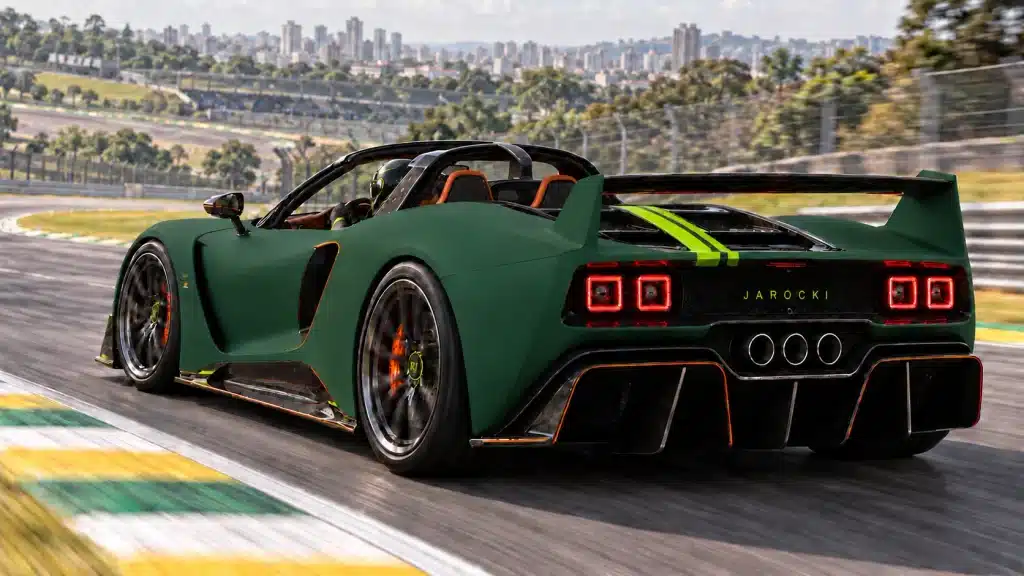
    Aerodynamics would need to work as one package. I’d want stability at speed and useful downforce for corners, while paying attention to how much drag the body and wing created. The fixed bridge wing would have to earn its place through testing, with cooling airflow considered alongside grip and straight-line performance.

    On a circuit, I’d want consistent brakes, controlled temperatures and a chassis that communicated what it was doing. At the drag strip, I’d want the launch, traction control and transmission calibrated to put the power down cleanly.

    I’d still aim for a carbon-titanium chassis and a curb weight below 1,250 kg. That’s an ambitious target alongside a targa roof and everyday comfort. The engineering would have to reconcile those demands, with safety and durability built into the brief.

    Any record claim would need a defined category and properly verified runs. Until then, this is the target. I can be excited about it without pretending the timing slip already exists.

    Silver, carbon and a cabin worth sitting in

    I picture titanium silver bodywork against exposed black carbon, with burnt-orange trim and calipers. The lime-yellow highlights would be tiny, just enough to catch the eye when you looked closer.

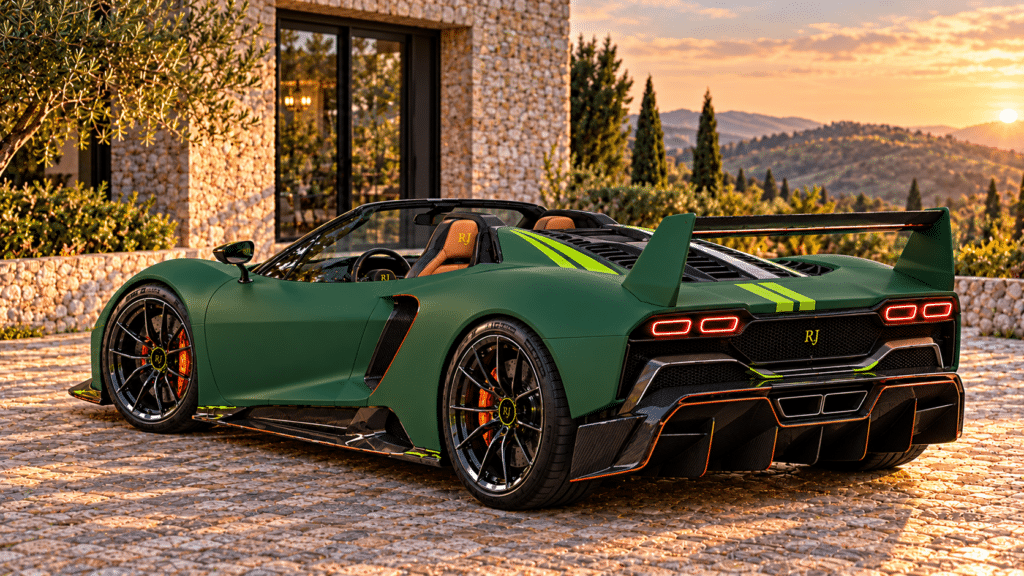
    Squared twin-element headlights, four square rear lamps, a central triple exhaust and a fixed bridge wing would give the Jarocki a recognizable shape. I’d want the proportions to work with the targa panels fitted or removed.

    Inside: cognac leather, hand stitching, forged aluminum controls and exposed hardware. Analog dials, physical controls and zero screens would keep the cabin focused. Two pedals, proper shift paddles and a compact transmission selector would match the dual-clutch setup.

    I’d want to keep noticing details after months of driving it. The feel of a switch, the finish of the metal and the fit of the seat would all count. Beautiful craftsmanship should be something the owner gets to use.

    Hypercar Named After Me: Thirty cars, thirty personal stories

    I’d limit production to 30 cars worldwide and personally work through each specification with its owner. I’d want to hear about the cars they loved, how they drove and where they imagined taking this one.

    Those conversations would shape the colors, materials and details. The mechanical character would remain consistent, while each car would feel personal to the person collecting it.

    My dream would be to deliver each car at its new owner’s favorite Formula 1 circuit, on the Tuesday or Wednesday before the Grand Prix. Subject to circuit access and the race-week schedule, we’d arrange a private handover and time behind the wheel with people who knew the car inside out. I can’t think of a better introduction than learning your own car at a track you’ve spent years watching on television.

    Then we’d make a week of it. The hotel, the restaurants, the city and the race would all become part of the delivery story. As with my Formula 1 trips, I’d care about everything surrounding the main event. This would be a chance to enjoy the car, get to know the people behind it and celebrate the occasion properly.

    Matching luggage, leather goods, a mechanical chronograph, fitted gloves and a helmet would complete the experience. I’d also want a short documentary capturing the owner’s choices, the build and that first moment with the finished car.

    After the weekend, we’d arrange insured transport to the city of the owner’s choosing, with the necessary import and registration arrangements planned in advance. They’d head home with a week’s worth of memories and their car on its way to its next chapter.

    And yes, the luggage would still have to fit. Even this fantasy needs some basic standards.

    The car I’d want to take out again

    A hypercar named after me would have to make the next drive feel worth looking forward to. A commute, a weekend away, a track day or a carefully prepared quarter-mile attempt would each give it a reason to leave the garage.

    The brief is demanding: spectacular sound, serious performance, craftsmanship and enough usability to enjoy all of it. That combination is exactly why I find the idea exciting.

    If my name is going on the badge, I want to hear that V12, reach for a paddle and feel something every time I drive it.

    Completely Unnecessary. Absolutely Worth It.
  • 9 Essential Tips for a Great F1 Weekend

    9 Essential Tips for a Great F1 Weekend

    Great F1 weekend graphic showing the view from the stands at Interlagos, with Richard Jarocki branding.

    For me, a great F1 weekend starts with a few things: a good view of the racing, a comfortable place to come back to, and enough time to enjoy the city I have traveled to see. A great dinner belongs in that plan. So does knowing how I am getting back from the circuit.

    After attending the São Paulo Grand Prix in 2024 and 2025, I pay more attention to the practical details than I did before my first visit. Getting soaked in Grandstand G will do that. So will trying to fit the circuit exit, traffic, a shower, and dinner into the same evening.

    I like a great hotel and the occasional upgrade. I also want to know what the extra money actually gets me. Here is how I would plan a great F1 weekend, from choosing the destination to deciding which plans deserve a place after the checkered flag.

    1. A great F1 weekend starts with the right race

    Start with the kind of trip you want. Monza might appeal for its racing history and the chance to spend time in Italy. Monaco and Miami suggest a different weekend, with as much temptation away from the circuit as at it. Suzuka can be the reason to plan a longer trip through Japan. São Paulo gives me racing and a restaurant scene I keep coming back for.

    Then look at what that choice means in practice. How many days can you take off? What will the flights involve? Where will you stay, and how will you reach the circuit? Do you want three full days at the track, or are you also trying to fit in sightseeing?

    Check the official schedule for your chosen event before committing to the rest of the itinerary. Practice, qualifying, Sprint sessions, and the Grand Prix need to fit around your travel plans. I would rather add time before or after the weekend than spend race day trying to squeeze in half a city.

    2. Buy the view and comfort you will actually use

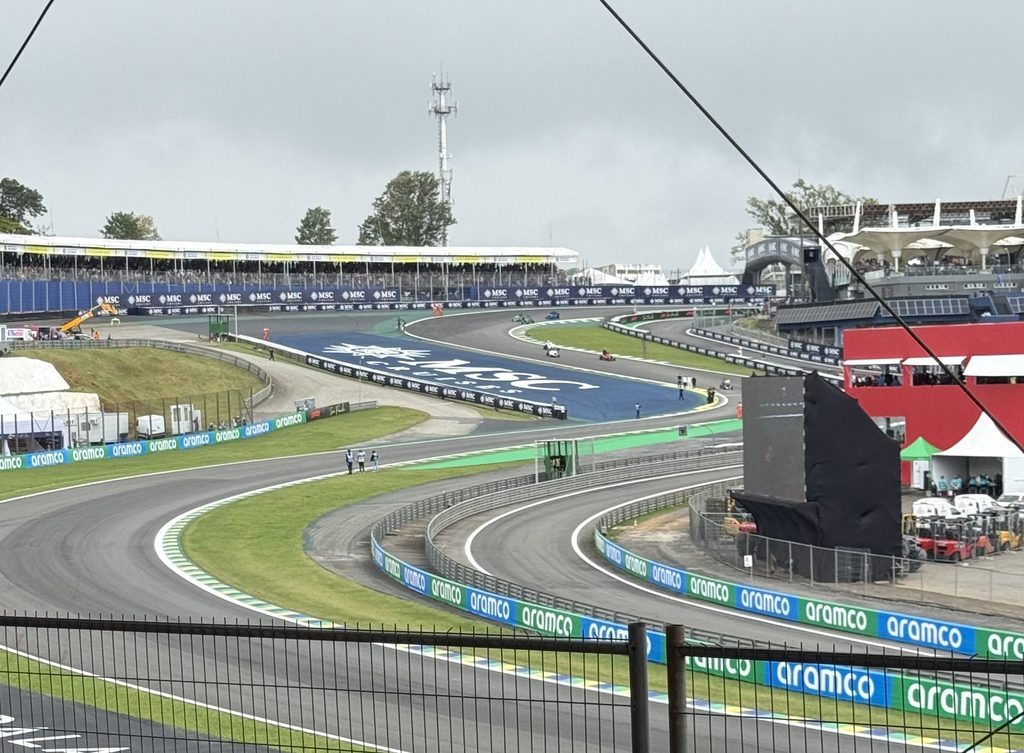
    A great F1 weekend at Interlagos: view toward the Senna S from Grandstand N
    My view toward the Senna S from Grandstand N at Interlagos in 2025.

    For a great F1 weekend, I would happily start with a good grandstand. Before looking at hospitality, compare the track view, seating, weather protection, nearby screens, and the walk from the entrance. Those details affect every hour you spend there.

    At Interlagos, I sat in G in 2024 and N in 2025. The covered seating in N made the second weekend much more comfortable for me. That is the kind of improvement I value: something I notice throughout the day. My São Paulo Grand Prix guide explains the differences I experienced.

    If you are considering hospitality, compare the exact package rather than the label:

    Paddock Club: Look at the viewing position, food and drinks, and the scheduled activities included at that race. F1 Experiences’ Paddock Club information explains its sample inclusions and notes that programming varies by Grand Prix and package.

    Team hospitality: Check which suite you will use and what any team-related activities actually include. A team-branded package should not be read as unrestricted garage or paddock access.

    Terraces, yachts, villas, and private lounges: Ask what you can see from the specific location, which days are included, how you get there, and whether you have a reserved seat. An attractive setting and a useful race view are separate things to assess.

    Get the inclusions in writing. A pit-lane walk, a paddock visit, and a garage tour are different experiences. I would not pay for one on the assumption that it includes the others.

    3. Choose the hotel and the journey together

    A great F1 weekend is easier to enjoy when the hotel and transport work together. A hotel can look ideal until you work out the trip to your grandstand. Look at the entrance on your ticket, not just the circuit pin on a map. Then think about the journey back, your dinner plans, and how much time you want to spend in the surrounding neighborhood.

    São Paulo is a good example. I have stayed at Rosewood, Hotel Unique, Palácio Tangará, Fasano and W São Paulo, among others. They give you very different versions of the city. I would compare the hotel itself with the restaurants, bars and other places I wanted to visit, then work out the circuit journey separately.

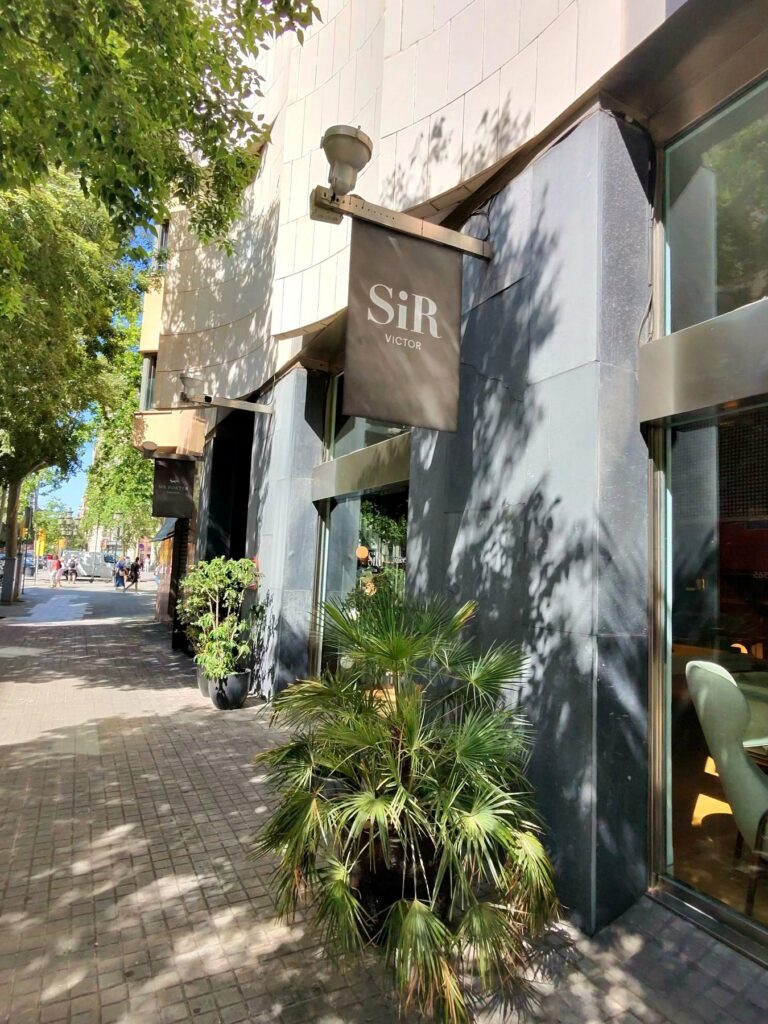
    In Barcelona, I stayed at Sir Victor for the 2026 Grand Prix. Its rooftop became a regular stop during the trip. I enjoyed having somewhere I wanted to return to after being out in the city. That matters to me when I choose a hotel: I want to enjoy the time I spend there, too.

    Sir Victor hotel in Barcelona
    Sir Victor in Barcelona, my base for the 2026 Grand Prix trip.

    Check race-weekend rates, minimum stays, cancellation terms, and access arrangements directly. A hotel booking does not establish that your room has a track view or includes admission.

    I arranged drivers for both of my São Paulo race weekends. We still sat in traffic. What I appreciated was knowing who was taking us back and having the pickup arranged. That was worth more to me than pretending a private car could make the traffic disappear.

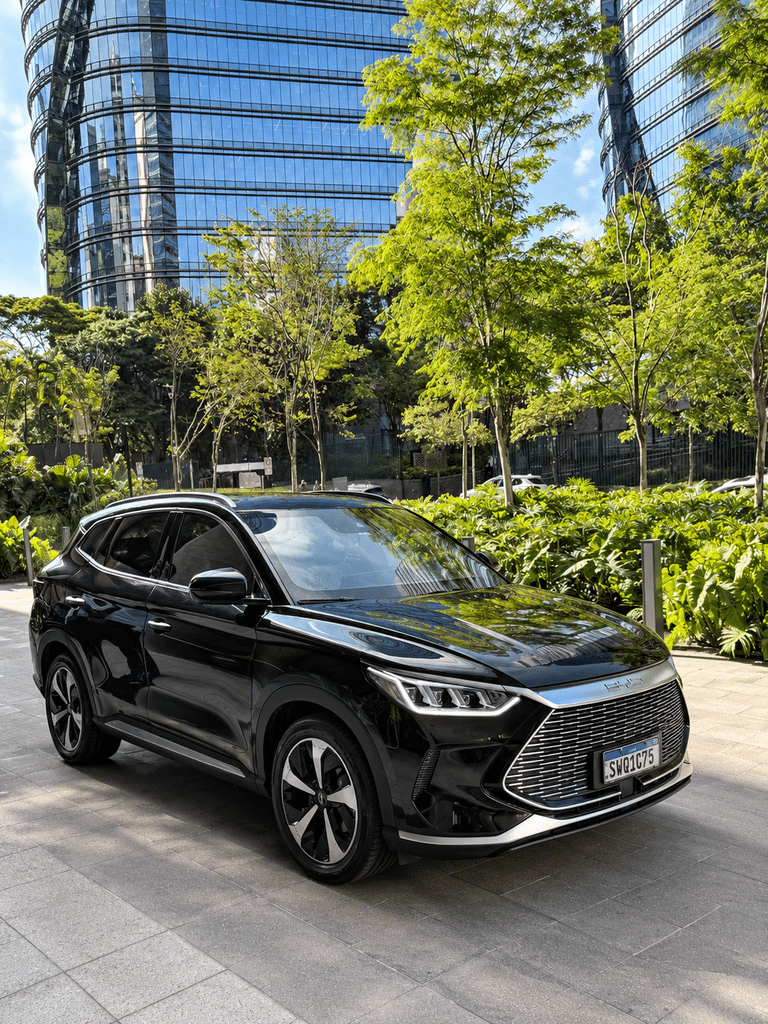
    Black Rhino BYD SUV outside W São Paulo
    My Rhino ride outside W São Paulo during my 2025 trip.

    4. Pack for a great F1 weekend

    There is plenty of room for personal style at a Grand Prix. There is also a lot of walking. Start with shoes you already know you can wear all day, then build the outfit around the weather and your ticket’s requirements.

    Team gear is part of the fun. If you are using a hospitality suite or attending a separate evening event, read that venue’s dress code before packing. Do not assume the same rules apply everywhere.

    For the circuit, I would think about sunglasses, sun protection, a hat, a light layer, and rain protection as needed. Keep your phone and ticket dry, and check the current bag rules before deciding what to carry. My wet 2024 Interlagos weekend was enough to make me take that last part seriously.

    You can change for dinner. Your race-day shoes should not make you wish you had stayed at the hotel.

    5. Make room for food worth remembering

    Food is a big part of why I travel. A great F1 weekend should leave me with a few meals worth remembering, too. I want to make time for a restaurant I am excited about, but I do not write off everything served at the circuit. At Interlagos, I enjoyed the grilled pork and chicken skewers and a cold beer. That worked very well after hours at the track.

    For a more ambitious dinner in São Paulo, Evvai and Tuju belong in the conversation. Evvai is my favorite restaurant in the world. It is one of the places I think about when I start planning another trip. My São Paulo restaurant guide brings together places I have personally eaten, so you can choose based on the kind of meal you want.

    Food and an illustrated course card at Evvai in São Paulo
    At Evvai, dinner is as much a part of the trip as the race.

    Be realistic about the booking. Check the restaurant’s opening days, available reservation times, and cancellation policy. A dinner you are particularly looking forward to may fit better before the race weekend begins than after a full day at the circuit.

    Later reservations have worked for me after Interlagos, but some evenings still felt rushed. Leaving the track is only the beginning: there is the pickup, traffic, a shower, a change of clothes, and another journey to the restaurant. Leave enough room to enjoy the meal when you finally sit down.

    6. Give the city some of your time

    For me, a great F1 weekend includes time to enjoy the city. The race gives you a reason to go somewhere, so take advantage of being there. That might mean a neighborhood walk, a gallery, a few shops, a spa appointment, or a bar someone has recommended.

    You do not need to book an activity for every gap. If a private tour or helicopter flight appeals, confirm the operator, timing, departure point, and cancellation terms before building the day around it. The same applies to shopping appointments and other plans that depend on a fixed arrival time.

    I would protect a little unplanned time, too. For São Paulo, my city guide is a place to start with hotels, neighborhoods, restaurants, and bars beyond Interlagos.

    7. Make it easy to follow the racing

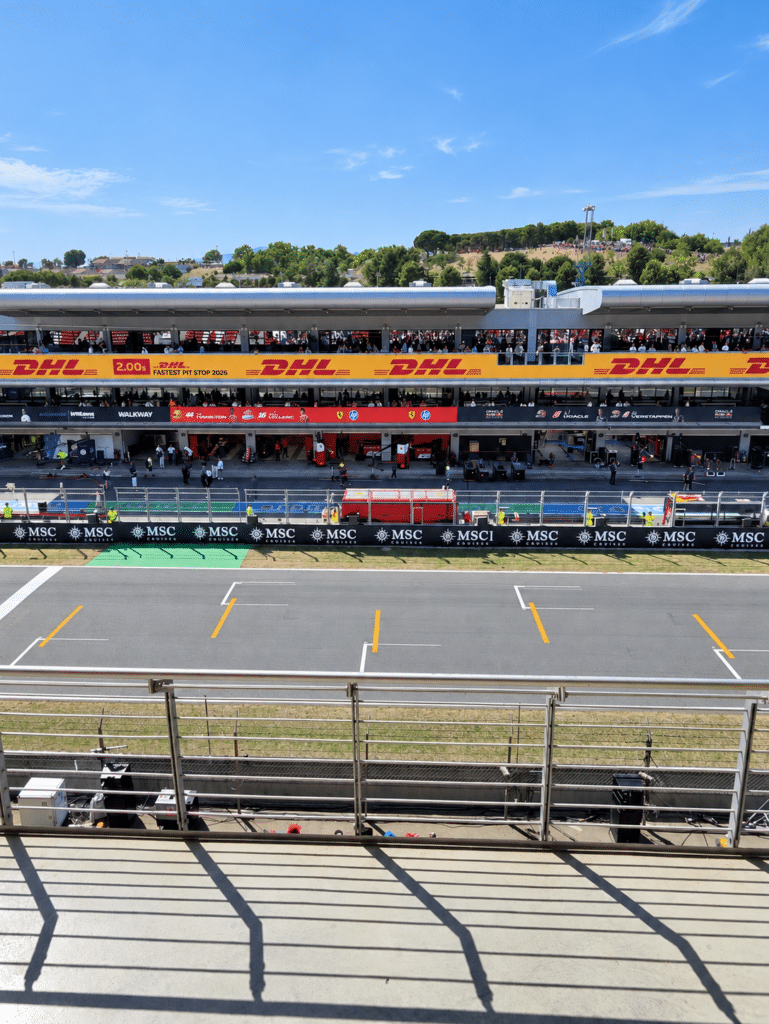
    Main straight and pit building at the Barcelona Grand Prix circuit
    At the circuit during my June 2026 Barcelona Grand Prix trip.

    Seeing the cars in front of you is wonderful. Understanding what is happening elsewhere on the circuit helps you enjoy it even more. Screen visibility is one of the details I now consider when choosing a seat.

    Before traveling, check the current F1 TV and live-timing options for your subscription and destination. Live timing, video, and team-radio features are not all the same thing, and availability depends on the service and location. Set things up before you reach the gate rather than relying on mobile reception to sort it out there.

    Charge your phone, check whether a portable charger and your other equipment are permitted, and look for the event’s official commentary or radio information. Then remember to look up from the screen. You traveled all that way to see the race.

    8. Enjoy the people and choose your nights out

    Fan zones, conversations in the grandstand, and a drink after the sessions can all become part of the weekend. Say hello. You already have something to talk about.

    If you want a bigger night out, check the actual event listing and book through a verified organizer. Confirm the venue, admission terms, start time, and what your ticket includes. A Grand Prix ticket should never be taken as admission to an unrelated party, and an invitation-only event needs an actual invitation.

    A great F1 weekend still needs a little recovery time. Choose the evenings you will enjoy rather than feeling you have to attend everything. A good dinner and a drink can be plenty, especially with another full day at the circuit ahead.

    9. Spend on what makes a great F1 weekend

    For me, the useful upgrades are the ones I can explain afterward: a more comfortable seat, a driver already arranged, a hotel that suits the trip, or dinner somewhere I really wanted to eat.

    Get those choices right, leave some breathing room, and you have the makings of a great F1 weekend. The racing gives you plenty to be excited about. The rest of the trip should be enjoyable, too.

    If São Paulo is your next race, start with my Interlagos guide, then build out the trip with my São Paulo travel guide and restaurant recommendations.

    Completely Unnecessary. Absolutely Worth It.