Tag: Fine Dining

  • How I Plan a Formula 1 Weekend Around the Race—and Dinner

    How I Plan a Formula 1 Weekend Around the Race—and Dinner

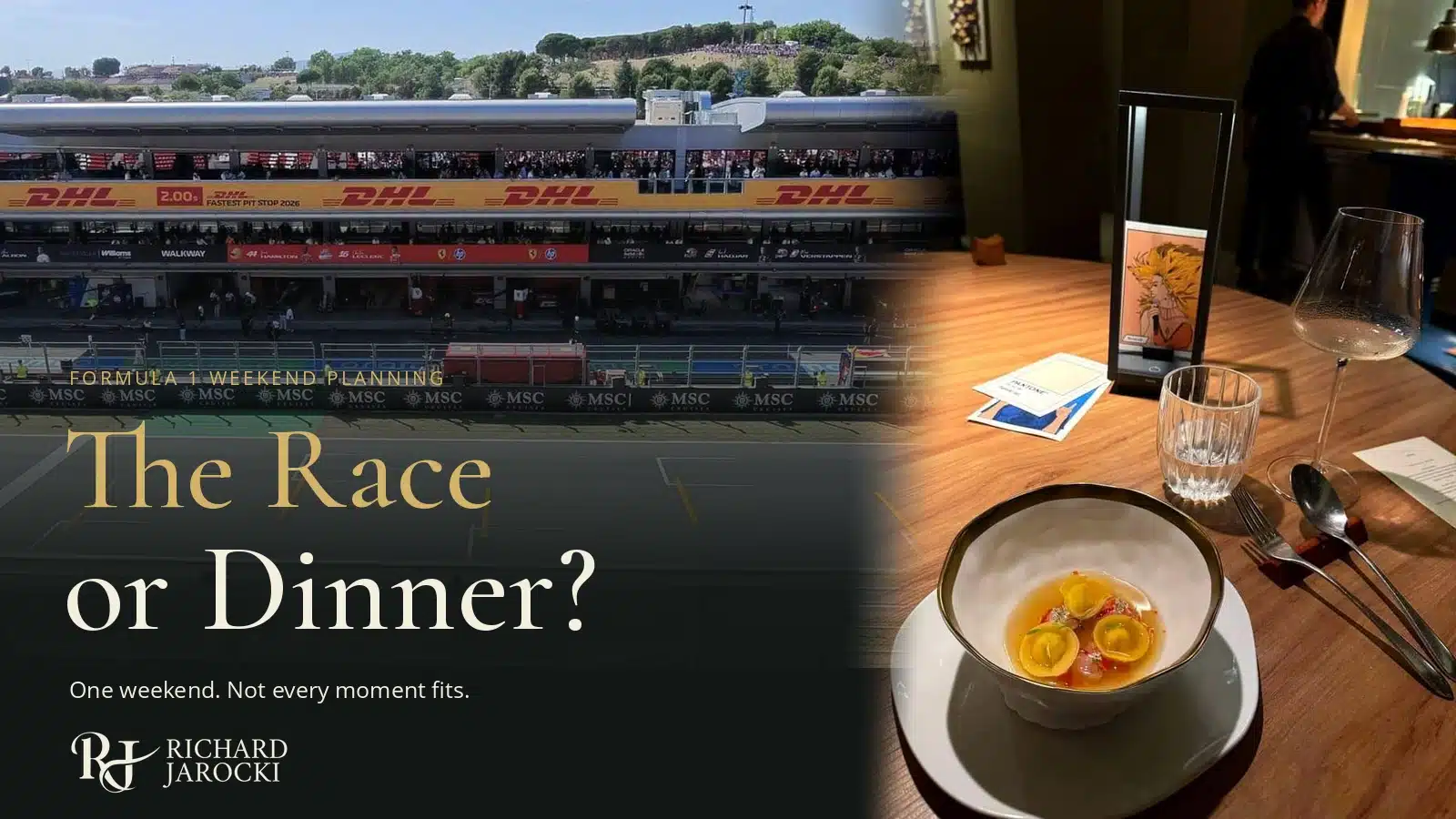
    Richard Jarocki’s Barcelona Formula 1 track photo beside a plated course at Evvai, with the headline “The Race or Dinner?”

    How I plan a Formula 1 weekend usually comes down to two things I refuse to treat as afterthoughts: the race and dinner. Getting both right takes a little more thought than putting a reservation underneath the race on a calendar.

    This year, I am planning to reserve Tan Tan for race night. My understanding is that 7:30 is the latest reservation time they offer, so that is the time I am working toward—not a confirmed booking yet. But what happens if the circuit gives me a reason to stay longer?

    Do you leave for the restaurant you have been looking forward to, or stay and accept that dinner might not happen?

    That is the part of Formula 1 travel I find interesting. You can research the transport, choose the hotel carefully, and allow time to get ready. You still have to decide what matters when two experiences compete for the same evening. Sometimes a simple race trip gets out of control for a very good reason.
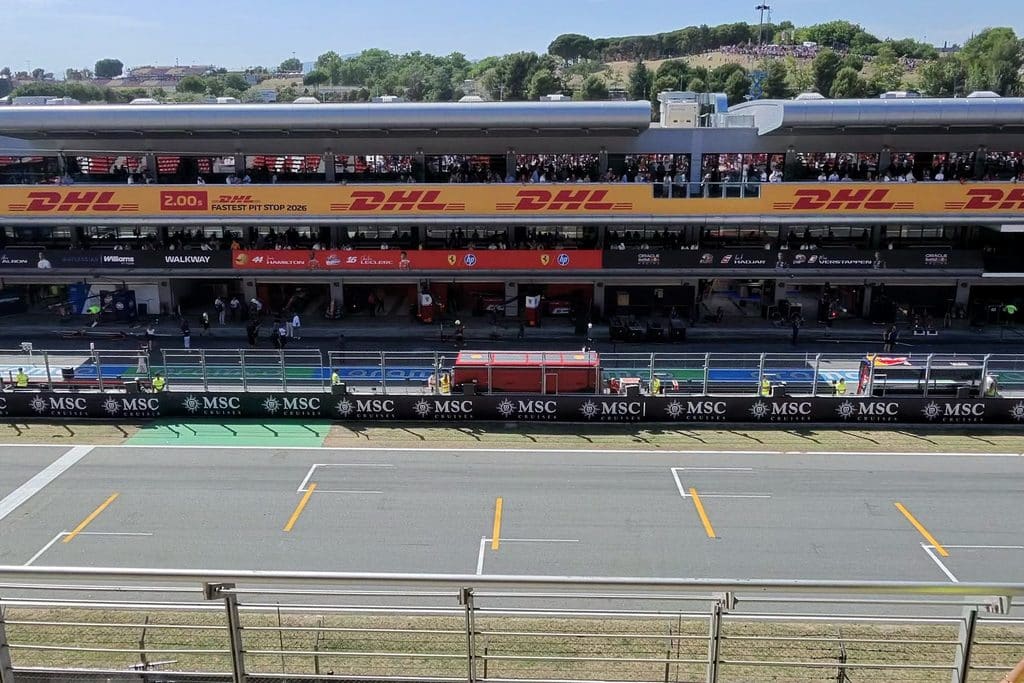
    Barcelona circuit main straight and pit buildings viewed from the grandstand
    The race anchors the weekend. Everything else has to fit around the time it really takes to enjoy it.

    The Plan Is Dinner at 7:30. The Moment May Never Happen Again.

    Imagine this: Kimi Antonelli wins the world championship in Brazil. This is a hypothetical, not a prediction or a claim about the championship standings. You are there, the atmosphere changes, and you have the chance to stay for the celebrations. If officials permit spectators onto the track, you might be able to be part of that too.

    Meanwhile, the Tan Tan reservation I am planning would be for 7:30. A restaurant booking and a championship celebration do not necessarily fit into the same evening, however much I want them to.

    Now the decision is much bigger than whether the car gets back quickly enough. You are choosing between a meal you deliberately built into the trip and a moment you could not have booked at any price. Leaving might mean missing something extraordinary. Staying might mean giving up a restaurant you cannot simply visit tomorrow.

    I do not think there is a neat answer that works for every race, every restaurant, or every person. That is why I want to ask the question before the weekend, rather than pretend the itinerary can guarantee both.

    What am I actually giving up?

    A dinner I can reasonably rebook is different from the one available table at a restaurant I have wanted to visit for years. Equally, lingering after an ordinary afternoon is different from being there when a driver wins a world championship. I would want to be honest about the specific experience on each side, not reduce it to “race versus food.”

    Is dinner prepaid? Is there a cancellation fee, or someone waiting for me? A choice that feels right can still carry a real loss.

    Stay in touch, rather than assume the table will wait

    If I am running late, my plan is to stay in touch with Tan Tan, explain what is happening, and hope they can accommodate me. That would be a favor, not something I am entitled to. Before booking, I will check the actual arrival and cancellation terms; sending a message does not extend any grace period. I would still need to respect their booking terms and accept it if the table could no longer be held.

    Spectators were permitted onto the track at Interlagos in 2025. That makes the possibility feel real to me, but it does not guarantee access this year. I would follow the event’s instructions and only enter if officials permit it.

    What I would actually tell the restaurant

    I would keep the message practical: I have a reservation, I am delayed leaving the circuit, and I want to know whether arriving later is still possible. If I have a realistic estimate, I can share it. If traffic is not moving, I would rather say that than promise an arrival time I cannot support.

    Then I need to listen to the answer. They may have another seating, a full bar, or a kitchen that cannot accommodate the change. Keeping them informed is basic consideration; it is not a way to negotiate an unlimited hold on a table.

    If they can still take me, I would confirm what we have agreed and keep them updated if that changes. If they cannot, I can thank them, deal with any applicable booking terms, and make another plan. The restaurant should not have to guess whether I am coming.

    I am not making two dinner reservations just in case

    If Tan Tan cannot accommodate me, I will have to figure it out. That might mean trying somewhere else and waiting for a table. It might mean changing the kind of dinner I had in mind altogether. A walk-in alternative is a possibility, not a guaranteed backup.

    What I do not want to do is make a second reservation while keeping the first one, just so I have options. That ties up two tables when I only intend to use one. I would rather accept some uncertainty than make my evening easier at the expense of a restaurant or another diner.

    The question is which choice I would regret more afterward. Not which one makes the original itinerary look successful. I can leave room for the answer to change when the moment actually arrives.

    How I Plan a Formula 1 Weekend: Decide What Cannot Move

    Before booking, I want to identify where that kind of choice could appear. What would I be genuinely disappointed to miss, and which two experiences might compete?

    On a Grand Prix trip, the race is an obvious answer. But the restaurant that made me excited about the city might be another. I want to see whether those two priorities can coexist before I add the rest. If they cannot, I want to know that I am taking a risk. A famous cocktail bar, a neighborhood walk, and an interesting lunch can all be worthwhile without every one of them becoming a fixed commitment.

    I would start by checking the official weekend schedule for the event I am attending, then looking at restaurant availability across the whole stay. I do not want to choose a dinner night simply because it is the first slot the booking page offers. I want to know what that slot would ask of the rest of the day.

    I have written separately about choosing Formula 1 grandstand seats. Here, I am assuming the circuit experience matters enough to protect. I do not want the dinner plan quietly making that decision for me without acknowledging the tradeoff.

    The Best Meal Deserves More Than the Only Empty Slot

    My first instinct is often to add the restaurant. The more useful second question is whether I will actually enjoy it on that particular night.

    A long tasting menu asks something of you. You want an appetite, some energy, and enough attention to notice what is happening. When a meal matters to me, I would rather give it a clear evening than arrive with half my attention still caught in the journey back from the track.

    That is why I would consider a non-track evening for the hardest-to-get or most anticipated reservation. Depending on the trip, that could mean arriving earlier or staying longer. It only makes sense if the extra time and expense work; adding another hotel night to justify a dinner is exactly the kind of logic that explains this website.

    Barcelona is a good example of why I care. Mont Bar was my favorite meal of that trip, even with some serious competition. I also went to Disfrutar. Those experiences deserve their own attention, rather than becoming accomplishments to tick off between race sessions.

    In São Paulo, Evvai is my favorite restaurant in the world. That does not mean every night should be an Evvai-sized commitment. It means I want to protect the night that is. A more flexible dinner on another evening can help make the important one better.
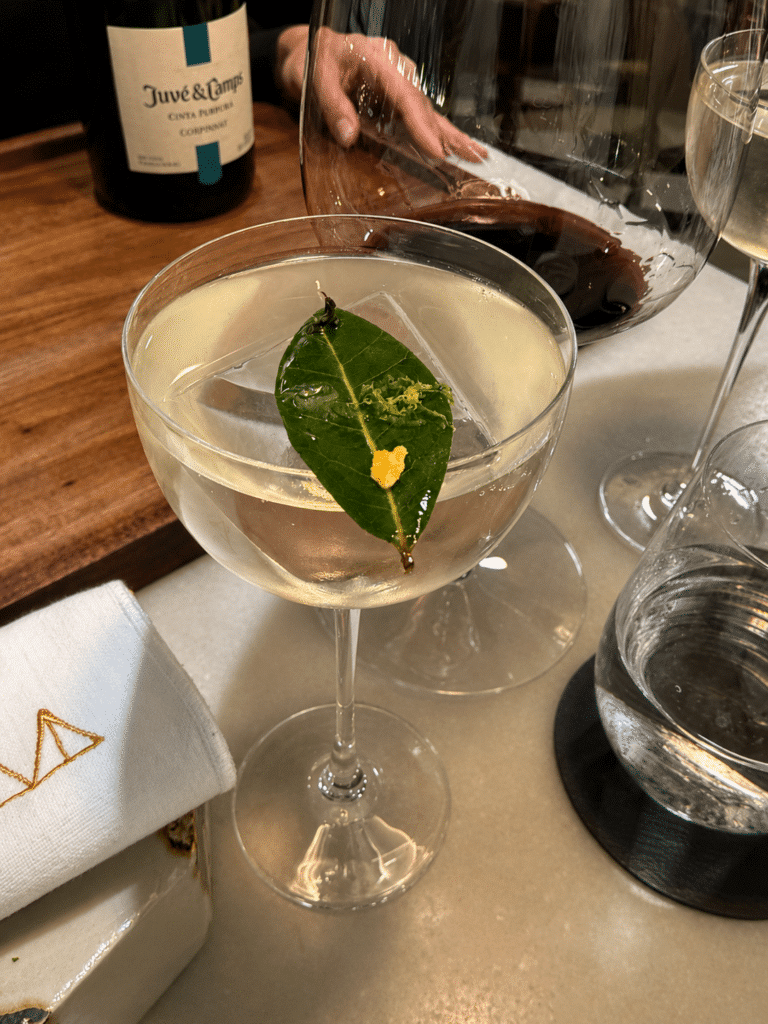
    Gin, bay leaf, lime and smoked black tea drink at Mont Bar in Barcelona
    Mont Bar: a meal I want time to enjoy, rather than another appointment to reach.
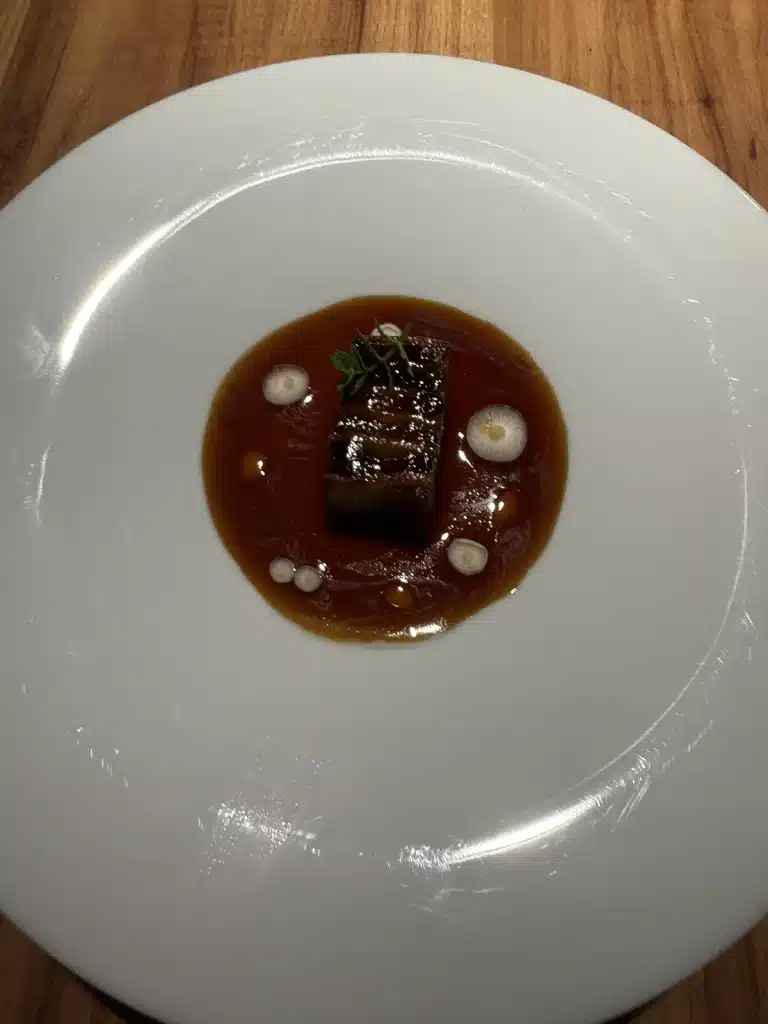
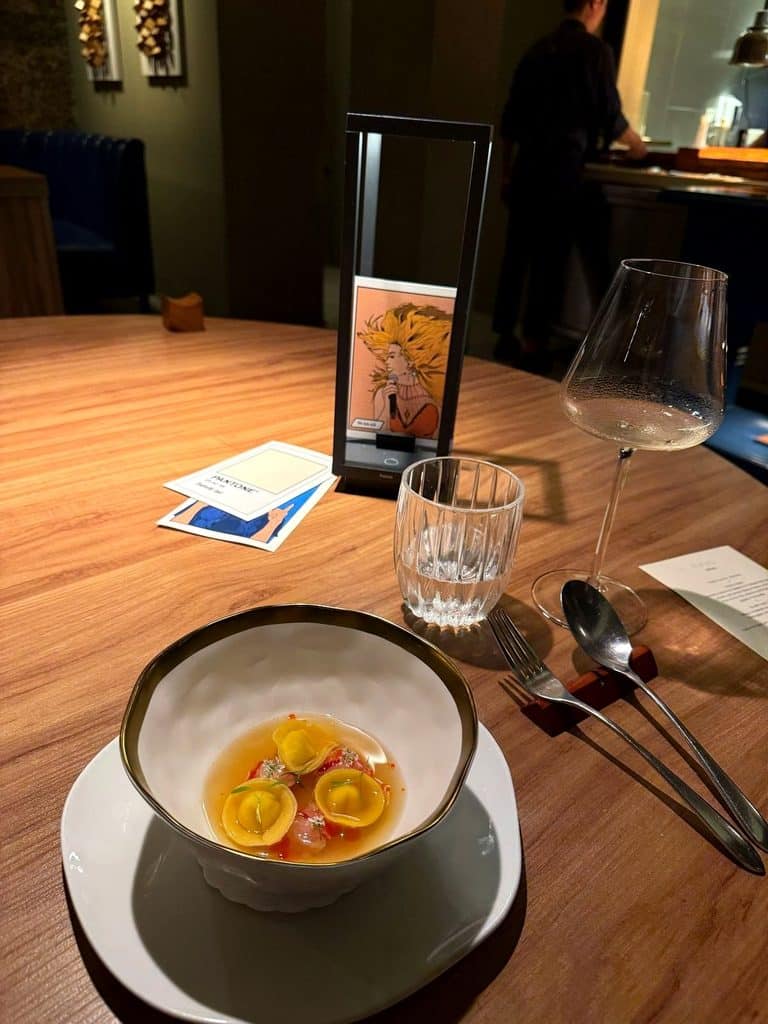
    Evvai tasting-menu course with an illustrated story card in São Paulo
    Evvai gives me a reason to leave a proper evening for dinner in São Paulo.

    I am not saying a good restaurant cannot work after the race. I am saying that “available” and “a good fit for the day” are different questions. If the reservation only works when everything else runs perfectly, I would look for another night. If there is no other night, I need to decide whether the possibility of missing dinner is worth accepting.

    Work Backward From Dinner, Without Planning Backward From Wishful Thinking

    Once I have a possible reservation, I would work backward: restaurant arrival, travel from the hotel, time to get ready, the return from the circuit, and getting out of the venue in the first place. Every part belongs in the plan.

    My own preference is about an hour at the hotel to get ready after the track. I want a shower, clean clothes, and enough time to feel like I am starting the evening rather than continuing the afternoon. That hour is easy to leave out when the calendar only shows the race and dinner.

    The drive back is another piece that deserves honesty. A normal map estimate can be useful for understanding distance, but I would not treat it as a promise for the end of a Grand Prix. Walking out, reaching the pickup point, finding the driver, and joining the traffic all sit between the grandstand and the hotel.

    Then there is the second journey, from the hotel to the restaurant. Staying somewhere that suits the city part of the trip can make that easier. I stayed at Sir Victor in Barcelona, and the hotel was part of the broader experience, not simply somewhere to sleep between track days.
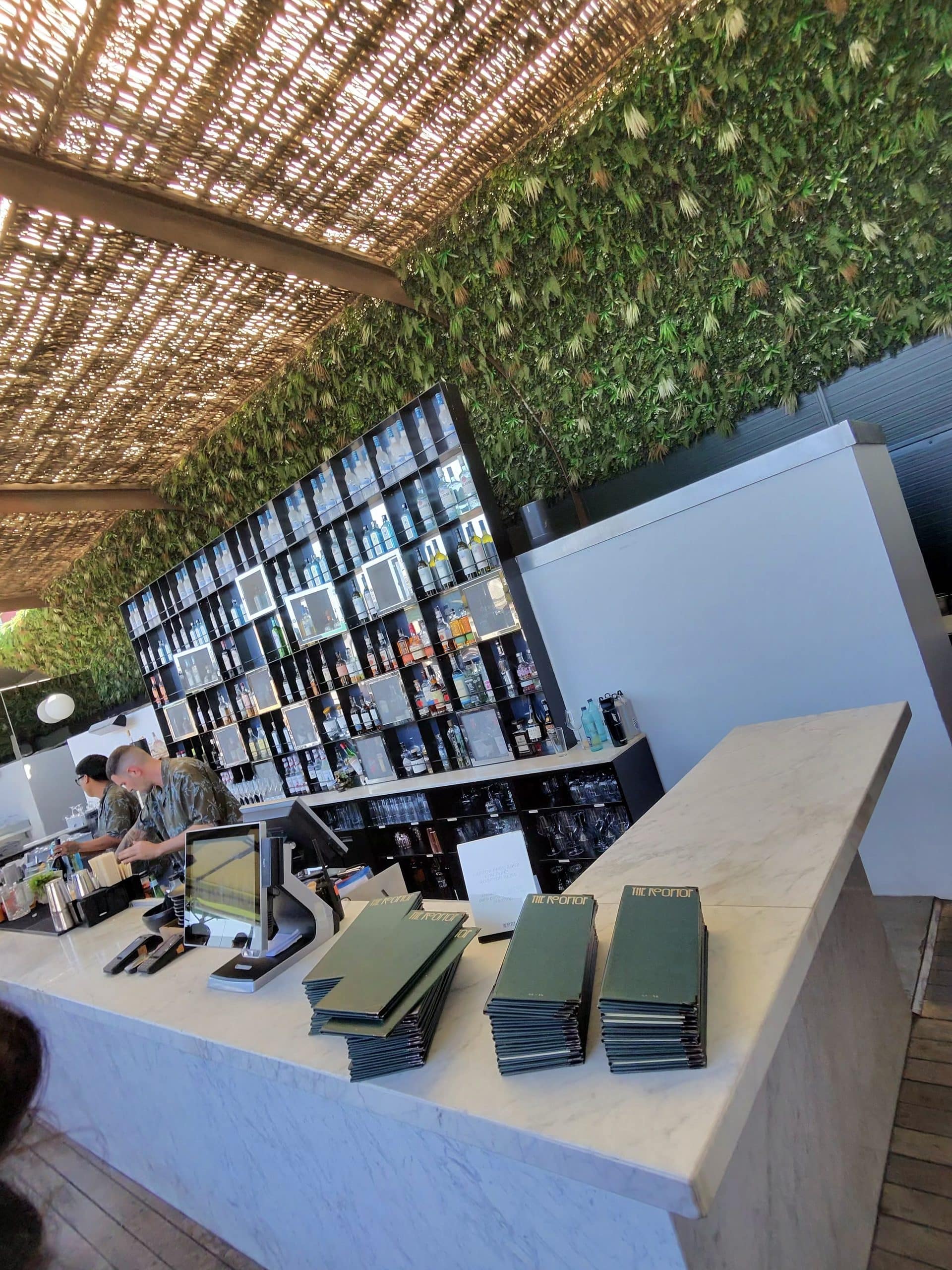
    Rooftop bar at Sir Victor in Barcelona
    A hotel belongs in the evening plan too, including time to get ready before going out.

    The test is straightforward: after allowing for the parts I know I want, is there still a comfortable margin? If the only way to make the reservation is to erase the hotel reset or assume a frictionless departure, I need to recognize the risk. With a plan like Tan Tan, that means accepting I may need to call, wait, or find something else—not pretending a second reservation solves it.

    São Paulo Made Me Take the Journey Back Seriously

    After the 2025 São Paulo Grand Prix, traffic was at a standstill. That experience belongs in my planning much more than a hopeful estimate of how quickly the trip ought to take.

    For that journey, I prefer the comfort of a prearranged Rhino ride and air conditioning over squeezing onto a packed subway. That is my preference, not a claim that a car is always faster or that everyone should make the same choice. Being comfortable while waiting and avoiding the wait are two different things.

    I recommend Rhino based on my experience with its armored cars and professional drivers. I have also had good experiences with Uber Black in São Paulo. The important point for this post is that choosing a service I like does not give me permission to make an unrealistic dinner reservation.

    I would check the pickup arrangements for the specific event, confirm where I need to meet the driver, and keep the restaurant plan realistic even after arranging the car. The detailed city and circuit advice belongs in my São Paulo Grand Prix travel guide; the lesson here is about what I book afterward.
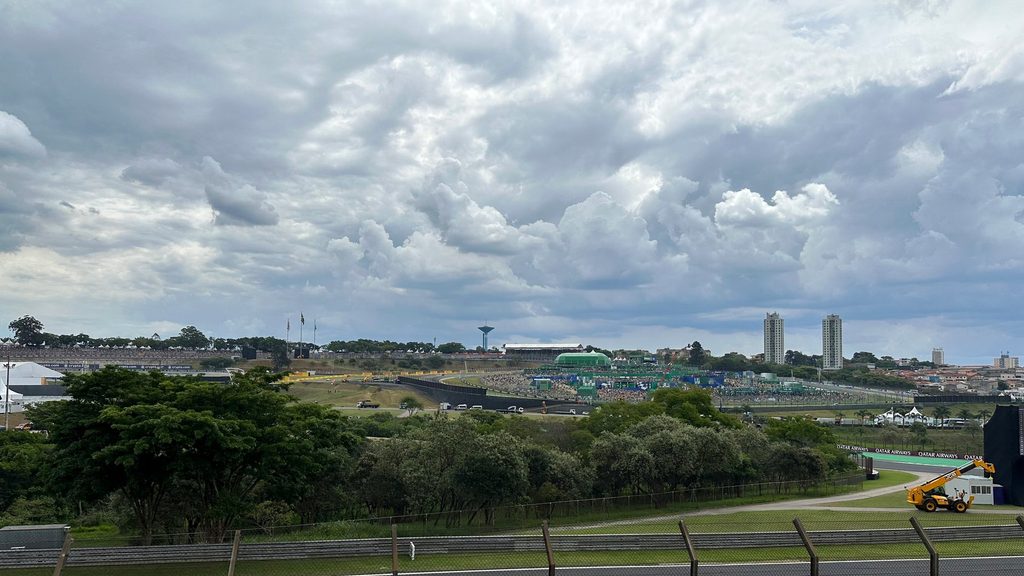
    Interlagos circuit seen during the 2024 São Paulo Grand Prix
    Interlagos: leaving the circuit is part of the day, not an instant jump back into the city.

    A restaurant cannot control the circuit exit, and the driver cannot make my preferred reservation time more sensible. That part is on me.

    What a Realistic Race Day Would Look Like

    I find a sequence more useful than a pretend-perfect timetable. This is a planning example, not a record of a particular day or a promise about how long an event will take.

    Before the circuit: Keep the morning simple

    I would leave room for breakfast and the journey without adding a destination brunch or a sightseeing stop that introduces another deadline. There will be plenty happening at the track. The morning does not need to prove that I am making the most of every minute.

    At the circuit: Be there for the experience

    I want to enjoy the racing without mentally leaving early for dinner. The time commitment includes getting in and out, not just the sessions themselves. I would also keep an eye on what I need for the conditions, rather than assume that feeling fine when I leave the hotel means I will feel the same later.

    After the circuit: Get back, then reset

    The departure comes first. Then the ride, the hotel, and time to get ready. This is the stretch I would leave deliberately loose. A delay here should use some margin, not immediately put a special dinner at risk.

    For dinner: Choose an evening that can stand on its own

    If the timing genuinely supports a reservation, great. Otherwise, I would choose a less demanding plan with realistic availability, checking hours and booking requirements rather than assuming somewhere will take me. Casual does not have to mean disappointing, and a shorter dinner does not have to be a consolation prize.

    After dinner: Let the extra stop stay extra

    A cocktail can be a great finish. It does not need to become compulsory. I love a good bar, but adding a second reservation simply because there is space on the screen can turn a satisfying day into a very long one.

    What I Would Move—and What I Might Have to Give Up

    When a plan feels crowded, removing an extra bar or a cross-town detour is easy compared with the 7:30 decision. Those smaller choices are still worth making. They leave more energy for the things I care about and fewer unnecessary deadlines.

    But I do not want to pretend every conflict can be fixed by becoming more organized. Sometimes the restaurant has one opening. Sometimes the circuit gives you a reason to stay. Sometimes you have done the planning properly and still have to choose.

    That is where checking booking terms, discussing the plan with anyone joining me, and knowing my alternatives helps. It does not make the decision for me. It makes the consequences clearer.

    I would rather make a conscious choice and accept the cost than spend the whole evening resenting whichever experience I chose. There may be another visit. There may not be another version of that particular race day.

    The Better Choice Depends on Why I Wanted Both Experiences

    Before deciding to leave the circuit, I would ask what staying adds. Am I waiting around because I cannot quite bring myself to leave, or is something happening that makes the extra time meaningful? Those are different reasons, and I do not want the fear of missing out to make every decision.

    I would ask the same question about dinner. Is this a meal I genuinely care about, or am I attached to the reservation because it took effort to get? Researching and booking something can make it feel more important than it will actually be. The point is to enjoy the evening, not protect the work I put into the calendar.

    That still leaves room for choosing dinner. Leaving the circuit does not mean I care less about Formula 1. Staying does not mean I suddenly care less about restaurants. It means that on this particular day, with these particular choices, one experience mattered more.

    If I am sharing the evening with someone, their expectations matter too. I would want that conversation before we reach the point of choosing. An itinerary is easier to change when everyone understands what was firm, what was hopeful, and what might depend on the race.

    Leave Something of the City Unscheduled

    I like researching trips. I like finding the place that makes the planning feel worthwhile. But I also want time to walk, look around, and follow an interesting street without checking whether I am now behind.

    My Barcelona travel guide covers more of the city beyond the circuit. A race weekend can lead into that wider trip, but it needs some room to happen. Booking every lunch and evening in advance would leave very little space for the discoveries I enjoy most.
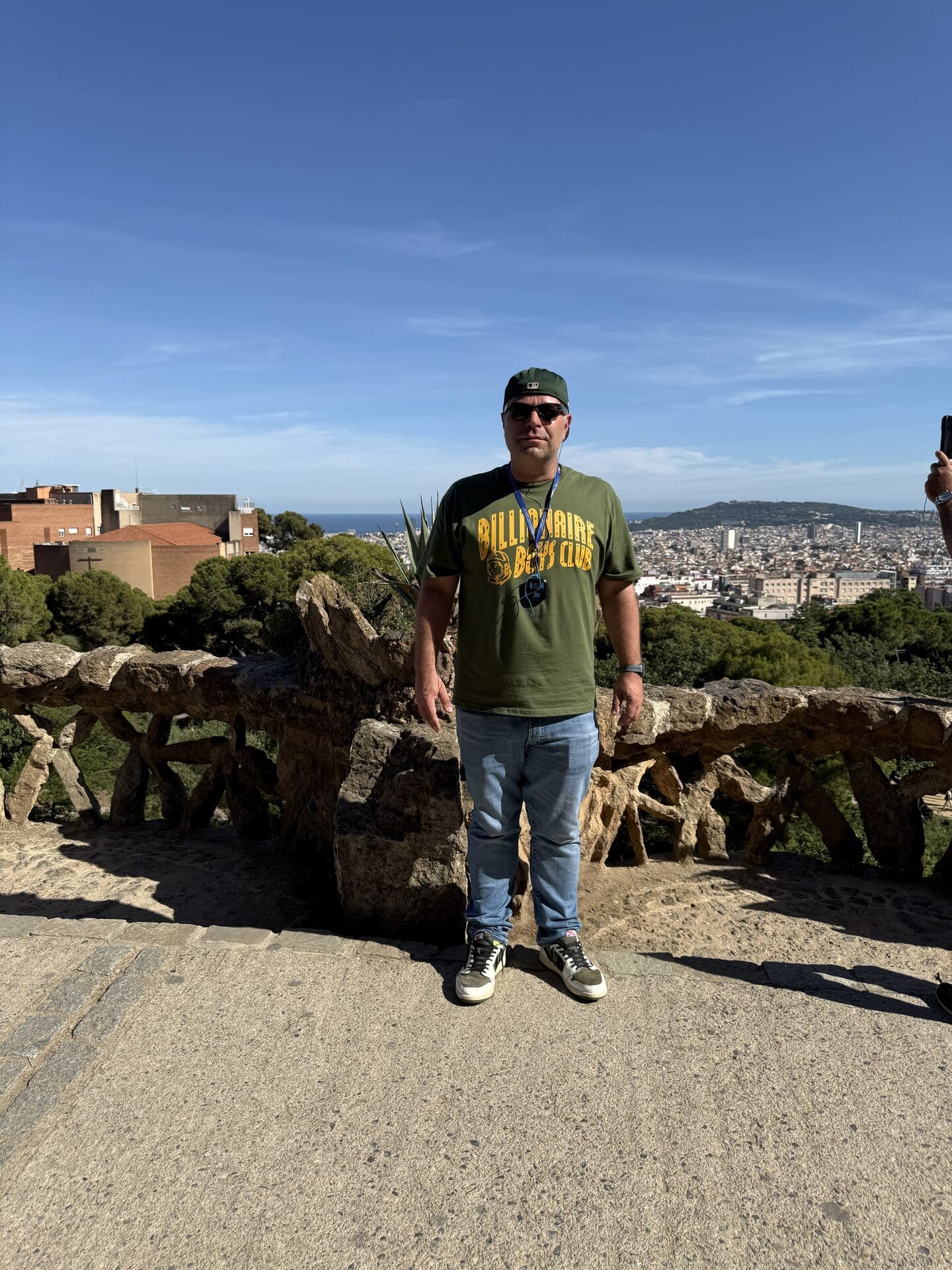
    Richard Jarocki at Park Güell in Barcelona
    There should still be time to see the city that brought the whole trip together.

    That is the balance I want from Formula 1 travel: enough planning to protect the race and the meals that matter, with enough freedom to enjoy the place around them. The reward for doing the work beforehand should be less clock-watching once I am there.

    The weekend can still get a little out of control. If it does, I want to know the difference between a bad plan and a moment worth changing a good plan for.

    Worth the effort. Usually.

  • Are Tasting Menus Worth It? What I’ve Learned Paying for My Own

    Are Tasting Menus Worth It? What I’ve Learned Paying for My Own

    “Are Tasting Menus Worth It?” banner with Richard Jarocki’s logo, four city skylines, plated dishes and a truffle box.

    I love tasting menus. That does not mean I think you should always order one.

    I have planned trips around restaurant reservations, tried things I never expected to eat, and spent amounts on dinner that would make plenty of people question my judgment. Fair enough. Sometimes I question it myself.

    Are tasting menus worth it? For me, yes—with conditions. The food has to be memorable, the hospitality has to make you comfortable, and the evening has to justify the money and time. That includes your money, your time, and the other things you could have done on that trip.

    An expensive dinner does not get a good review from me simply because I paid for it.

    How São Paulo Brought Me Back to Tasting Menus

    This interest started years before the trips I write about now. I used to frequent Harvest in Closter, New Jersey, and those tasting menus helped open my palate. I enjoyed letting the kitchen introduce me to things I might not have ordered myself.

    Then life happened. That part of my life slowed down.

    On my first trip to São Paulo, the omakase at Kazuo and the tasting menu at Evvai brought the urge back. I wanted to try more, learn more, and find out what another kitchen could show me.

    Since then, it has become part of how I live. I research restaurants, plan trips around meals, and come home thinking about the next experience.

    It is also part of what gets me to work every day. The next dollar, euro, real, or whatever currency I need for the next tasting menu or omakase has a purpose. I am working toward something I am excited to experience.

    Tasting Menu vs. À La Carte: What Am I Paying For?

    If I measured every meal by the amount of food on the table, I would make very different reservations.

    A tasting menu gives a kitchen the chance to introduce its cooking through a sequence of dishes. At its best, that means trying combinations I would never think to order, seeing ingredients used in unfamiliar ways, and enjoying a dinner that develops as it goes along.

    That is the appeal for me. I can order something familiar almost anywhere. When I commit to a tasting menu, I want the restaurant to give me a reason to hand over those decisions.

    But I still want dinner to taste good.

    An explanation can make a dish more interesting. It cannot make me enjoy a bite I do not want to eat again. Beautiful plates and elaborate presentations are welcome, but the food has to carry its part of the evening.

    Tasting Menus Changed What I Eat

    This is probably the strongest argument I can make for them: tasting menus have changed what I enjoy eating.

    Because of these meals, I have eaten guinea pig, pig’s face, pig’s brains, snails, and sea snails. I have eaten pigeon multiple times. I started eating eel and discovered that I actually enjoy it. At Metzi and D.O.M., I ate insects, too.

    I found my love of uni. Truffles and caviar have become very close friends of mine. Expensive friends, admittedly.

    And then there are beans. I do not like beans. Yet Evvai’s take on feijoada was amazing.

    That is what makes handing over some control worthwhile. Left to my own decisions, I might have read an ingredient, decided it was not for me, and ordered something familiar. A tasting menu puts a different preparation in front of me and gives me a reason to reconsider.

    I am not going to pretend I loved every unfamiliar thing I have ever eaten. But I would have missed foods I now enjoy if I had only ordered what I already knew I liked.

    Sometimes the value of a dinner follows you into the next restaurant. You see eel or uni on another menu, and this time you are excited to order it.

    It also works with food I already know. Disfrutar served me familiar flavors in forms I barely recognized—unexpected shapes, textures, and presentations that made me look twice before taking a bite. Evvai and Mont Bar have done that, too.

    I enjoy the moment when what I am looking at and what I am tasting do not quite match my expectations. When it works, I get to rediscover something familiar. The unusual form gets my attention; the flavor is what makes me want another bite.

    Sometimes Dinner Teaches You About the Place

    Tasting menus have also helped me understand where I am traveling.

    D.O.M. and Tuju taught me about Brazil’s ecosystems through their food. Those meals gave me more to think about than whether I liked an individual course. They made me curious about the places and environments behind the ingredients.

    At Tuju, I had the Chuva, or Rain, menu, and at D.O.M. I had Quando a Onça Bebe Água—“When the Jaguar Drinks Water.” Both used the meal to tell me something about Brazil beyond what was on the plate. That is what I remember most. I wasn’t just eating dinner; I was learning something about the place I was visiting.

    At Dos Pebrots in Barcelona, dinner became an introduction to Catalan gastronomic history. I was learning about the food of a place while actually tasting it.

    Maido did that for me in Peru. So did Astrid y Gastón, although that meal was à la carte. It was my first day in Peru, and yes, I overordered. Apparently, arriving in a new country makes me want to start tasting as much of it as possible immediately.

    That is an important distinction: a tasting menu is one way to learn about a place through food. My à la carte meal at Astrid y Gastón gave me that kind of introduction, too. What matters is the cooking, the people explaining it, and my willingness to try something unfamiliar.

    And the experience does not have to stop at food. At Carnaval, a cocktail tasting menu also introduced me to Peru through what was in the glass. They made me custom cocktails with Don Julio 1942, too, and seemed just as happy to crack open that bottle as I was to see what they would make with it.

    The custom drinks were another part of the evening—the kind of personal interaction that makes a bar stay with me long after the last sip.

    That matters to me because food is a big part of why I travel. I want to come home with more than photographs of attractive plates. I want to understand something I did not understand before I sat down.

    An explanation still has to connect to food I enjoy eating. But when a restaurant gets both right, I leave with a memory of the meal and a better understanding of the destination. That adds something to the value of the evening that counting courses never will.

    Mont Bar: When the Whole Evening Comes Together

    Mont Bar in Barcelona is one of my clearest examples of a tasting menu earning its place in a trip.

    I loved the smoked tuna belly with pine nut emulsion and the warm mochi with sobrasada and Mahón cheese. The mushroom course with mushroom ice cream and white miso gave me something unfamiliar that I actually wanted to eat.

    The wine pairing added discoveries, and the room felt lively and welcoming. After dinner, the team made me a complimentary custom cocktail to enjoy outside.

    I paid for my meal; that final drink was a gesture from the restaurant. It stayed with me because it felt personal.

    Mont Bar remains one of my five best meals. The reason is the combination: food, wine, people, and how comfortable I felt spending the evening there.

    Oiji Mi: The Dessert I Thought I Was Getting

    At Oiji Mi in New York, the first course was amazing. The Oiji Bowl gave me some of the best uni I have eaten, and the beef tartare and scallop were other favorites.

    But one of the most memorable moments came at dessert.

    My dining partner told me I would have to finish hers. That sounded like an arrangement I could work with.

    Then I looked up to get another piece, and her plate was empty. She had finished it herself.

    Apparently, I was no longer needed.

    We had arrived after a long day without much appetite, yet the food kept giving us reasons to carry on. I can describe ingredients and presentation, but someone going from “you’ll have to finish mine” to leaving nothing for me says quite a lot about that dessert.

    Those are the details that make a meal stay with me. The first bite, a standout dish, and the moment across the table that still makes me laugh afterward.

    You Do Not Need the Most Expensive Version

    At Viaggio’s chef’s counter, the pasta and the interaction with Chef Rabbit gave the experience its value. The ravioli, oxtail tortellini, and spaghetti were central to what I enjoyed.

    That is a useful reminder when planning a food-focused trip: a memorable meal does not have to be the most famous reservation available.

    Look at what interests you. It might be pasta, a particular chef’s approach, a regional cuisine, or the chance to sit at a counter and watch the kitchen work.

    Start there. The price should be something you evaluate after finding a reason to go.

    Check Whether You Actually Have a Choice

    Before you decide between a tasting menu and à la carte, check whether the restaurant offers both. Some restaurants only serve a tasting menu. You cannot assume you can sit down, skip the full experience, and order the two dishes you saw online.

    Research that before you book. Read the restaurant’s current menu and reservation terms, check whether different dining rooms or counters offer different formats, and ask if anything is unclear. Confirm dietary restrictions and substitutions ahead of time, too.

    If it is tasting-menu-only, the decision is whether you want that experience at all. There is nothing wrong with choosing another restaurant if you do not.

    That is especially important when booking for other people. Everyone should know what kind of meal they are agreeing to, how long it is likely to take, and what it is likely to cost.

    Before you reserve: confirm the menu format for your exact seating, the expected duration, any dietary accommodations, and the cancellation or no-show policy. If a deposit is required, check whether it comes off the final bill. Photographs and dishes below are from my visits; they are not a promise of what a restaurant serves today.

    I Overorder. The Rest of the Table Knows It.

    Even when à la carte is available, I am not exactly the person who orders two sensible dishes and hands back the menu.

    There can be just two of us, and I still want to try far more food than we need. I see another dish that sounds interesting, then another, and suddenly a normal dinner has become a much bigger project.

    I enjoy that. I want to taste things, compare them, and find out whether the dish I almost skipped ends up being the best thing on the table.

    But I have also seen the faces.

    Friends, family, friends of friends. I start ordering, and there is a look that says, “Wait. Are we splitting this equally?” Followed pretty closely by, “What the hell is an oyster with pearls?”

    That is my interpretation of the look, but the concern is fair. I may be thinking about what I want to try. Someone else may be calculating their share of a dinner that just got a lot more expensive without anyone asking them.

    My enthusiasm is not an agreement from everyone else to fund it.

    Before ordering half the menu, the table needs to agree on what we are sharing, roughly what we want to spend, and how we are splitting the bill. If I want something extra that nobody else wants, I need to make clear that it is my extra—not quietly add it to everybody’s equal share.

    A tasting menu can make the base food cost clearer because everyone knows the price ahead of time. Pairings, drinks, and supplements still need a conversation. One person’s enthusiasm for an upgrade does not make it a group decision.

    Does Everyone Need the Biggest Dinner Possible?

    No. Not even when I am tempted to order it.

    If à la carte is available and the dishes you are most excited about can be ordered that way, choose those dishes. Share something else if everyone wants to. Leave room for dessert—or another stop later.

    A long tasting menu works much better when everyone actually wants to be there. If one person wants an evening built around dinner and another wants to eat and explore the city, settle that before booking.

    I would rather have a table full of people enjoying the meal than a table full of people wondering how expensive my next sentence is going to be.

    Is the Wine Pairing Worth It? I Usually Skip It.

    I love a tasting menu, but I usually skip the wine pairing and order a few drinks instead. I like being able to drink at my own pace.

    Sometimes I want to stay with a cocktail I am enjoying. Sometimes I want a glass of wine without another selection arriving with the next course. I do not always want my drinking to follow the kitchen’s schedule.

    There is also how I feel afterward. In the United States and South America, wine pairings have usually left me with a hangover and sometimes what feels like acid reflux. With the pairings I have had in Europe, that has not been my experience.

    That is an observation about my own meals, not proof that European wine prevents either problem. I cannot tell you whether the difference was the wines, quantities, pacing, food, or something else.

    Mont Bar helped change how open I was to pairings. That experience encouraged me to order them at Disfrutar and Dos Pebrots, too. It also introduced me to Spanish wines I would now order independently from a wine list.

    That is value I can take into another meal. I am learning what I enjoy, instead of needing someone to choose for me every time.

    On my European trips, particularly in Spain, I have also noticed a different rhythm around drinking: wine with the meal, and cocktails often before or afterward. It felt different from the way I tend to drink when dining in the United States. That is how those particular evenings unfolded for me, rather than a rule for everyone in Europe.

    I still usually prefer choosing a few drinks and enjoying them at my own pace. But after Mont Bar, I am more willing to consider what a thoughtful pairing might add.

    You can commit to the food experience without committing to every drink offered alongside it.

    Supplements: If They Make Sense, Go for It

    If a supplement sounds interesting and the extra cost seems reasonable for what it adds, I am usually inclined to go for it.

    I am already there because I want to experience the cooking. If there is a dish I am particularly curious about, I do not want to skip it automatically just because it costs extra.

    The question is what the upgrade actually gives me.

    Is it a different dish or an ingredient that makes the preparation more appealing? Or is it mostly an excuse to sell me caviar or shave truffles over something?

    I love both. We have established that. But even close friends do not need to show up at every course.

    Give me a reason to want the supplement beyond the name of an expensive ingredient, and a price that makes sense to me, and I will happily consider it.

    Judge the Full Bill Before You Book

    The advertised menu price is where I start. I also check drinks, supplements, any booking charges, and how tax and service are handled at that restaurant.

    Then I ask a more useful question: would I still choose this dinner at the total I am realistically going to spend?

    That number matters much more than the lowest price shown on the menu.

    For a useful comparison, put the complete tasting-menu evening next to the à la carte meal you would realistically order. Include drinks in both. Check whether a supplement replaces a course or adds another one, and whether its price is per person. An optional upgrade should be a deliberate choice, not something you discover on the bill.

    So does the time involved. On a short trip, one long dinner occupies an evening you could spend somewhere else. Sometimes that reservation is exactly why I traveled. Other times, a shorter meal leaves room for more of the city.

    I am also not going to pretend I only book experiences when the money is comfortably sitting there. Sometimes, after doing the research, I decide a meal or experience is worth going into debt for. That is a personal decision about what matters to me, not a rule I expect anyone else to follow.

    The question is whether I want that experience enough to accept the full cost—including the interest if I carry a balance. I want to make that decision before I book, with a clear understanding of what I am committing to.

    Service Is Part of What I Am Buying

    When I book a tasting menu, I want to know about every dish I am served. Tell me what the ingredients are, where they come from, and why they belong together. Tell me the backstory: what inspired the dish, what it means to the chef, and how it connects to the place I am visiting.

    I want that conversation. I ask questions because I am interested, and those answers can become as memorable as the food itself.

    If I am eating something unfamiliar, I want to understand it. If a familiar ingredient arrives in a form I barely recognize, I want to know how the kitchen got there. And if a dish draws on a tradition or a childhood memory, I want to hear that story while I am tasting it.

    That is part of what I am paying for. The explanation gives me something to think about, and the conversation makes the experience personal.

    I also want something to take home. Give me the menu, the dish cards, the little pieces of the experience I can look through afterward. I photograph plenty, but I love having something that helps me remember what I ate and the stories that came with it.

    Evvai’s pop-art cards are exactly the kind of detail I mean. They gave me an explanation and description of the dishes, along with a sense of what inspired their creation. I could connect what I was tasting to the idea behind it, then take that reminder home.

    The artwork added to the fun. The cards made the explanations something I wanted to keep, and they gave me another way to revisit the meal afterward. MICHELIN notes that the accompanying illustrations are drawn by chef Luiz Filipe Souza himself, which makes them feel even more connected to the person creating the food.

    Thank you, Luiz Filipe.

    Those details matter when I get home and try to explain why a meal stayed with me. A card can bring back a dish, its inspiration, and the conversation around it in a way that a photograph of the plate alone might not.

    At D.O.M., I even bought one of their napkins to take home. Alex Atala’s punk-rock background connected with me because I was once a punk rocker, too.

    So yes, I went out for a tasting menu and bought a napkin. Completely unnecessary? Probably. But that little connection turned it into a souvenir I wanted to keep.

    The same goes for the drinks. Evvai and Disfrutar have both made me custom cocktails. Those moments made me feel special because someone took the time to make a drink for me.

    At The Modern, I loved the drink I was having so much that I never asked for a custom one. Sometimes finding something you want to order again is enough.

    For me, great service means sharing that enthusiasm. I want to feel comfortable asking questions, hear the stories behind the cooking, and leave knowing more than I did when I arrived. That is a big part of whether I want to return.

    Pacing matters as much as the number of courses

    A long meal needs room for conversation and time to enjoy what is already in front of you. When booking, ask how long the experience usually takes rather than guessing from the course count. If you have theater tickets, a flight, or another fixed commitment afterward, tell the restaurant before committing to the reservation.

    The right format also depends on the people at your table. Someone who enjoys hearing about every preparation may love an evening like this. Someone who wants a relaxed dinner without frequent explanations may prefer another setting. Both are reasonable ways to enjoy a meal.

    Why Travel for Food When I Live in New York?

    People ask me this, and I understand the question.

    I live in New York. I love the food scene here. Within reach of home, I can find an extraordinary range of cuisines, prices, and acclaimed restaurants. I do not have to board a plane to eat well.

    But when I travel for a meal, I am also traveling for the people, the place, and the culture around it.

    Learning about Brazil at a table in São Paulo, exploring Catalan food history in Barcelona, or arriving in Peru and immediately ordering too much at Astrid y Gastón gives the food a different context. The conversations, the surroundings, and everything I experience before and after dinner become part of the memory.

    I can love New York’s restaurants and still want to experience those things where they happen. That is why the journey is worth it to me.

    Would I Pay for It Again?

    That is the question I trust most after dinner.

    So, are tasting menus worth it? I judge that by whether I would pay for the experience again—not by how famous the restaurant is.

    Would I choose this restaurant again, knowing the full cost? Would I recommend it to someone who had saved for one special meal? Can I explain what made it worth doing beyond its reputation?

    Sometimes a tasting menu introduces me to food, wine, and people I will remember for years. Sometimes ordering a few dishes is exactly enough. And sometimes I order far too many. We have covered that.

    Harvest helped open my palate. Kazuo and Evvai brought that curiosity back. The meals since then have kept giving me reasons to follow it.

    This has become part of my lifestyle and something that gives me drive. There is another table I want to sit at, another place I want to understand, and another experience worth working toward.

    That is why I keep going to work, earning the money, doing the research, and making the reservation.

    Completely unnecessary. Absolutely worth it. When the restaurant earns it.

    What is the most you have spent on dinner—and, knowing what you know now, would you pay for it again? Tell me in the comments.

  • Richard Jarocki The Career I Built. The Passion That Was Always There

    Richard Jarocki The Career I Built. The Passion That Was Always There

    Featured image for Richard Jarocki's personal story about family recipes, travel, Formula 1, and fine dining.

    Where It All Began

    This is what shaped Richard Jarocki into who he is Today

    Long before I ever stepped into a car dealership…

    Long before Formula 1…

    Long before Michelin stars, cocktail bars, and international travel…

    There were my grandparents’ kitchens.

    My maternal grandparents lived just a few blocks from where I grew up, and I spent countless hours at their house.

    My grandfather was a retired attorney, but in my eyes, he was also an incredible home cook.

    Whenever he was in the kitchen, I wanted to be there too.

    I wasn’t the chef.

    I was his helper.

    He taught me the basics that every cook should know.

    How to fry an egg properly.

    How to make scrambled eggs.

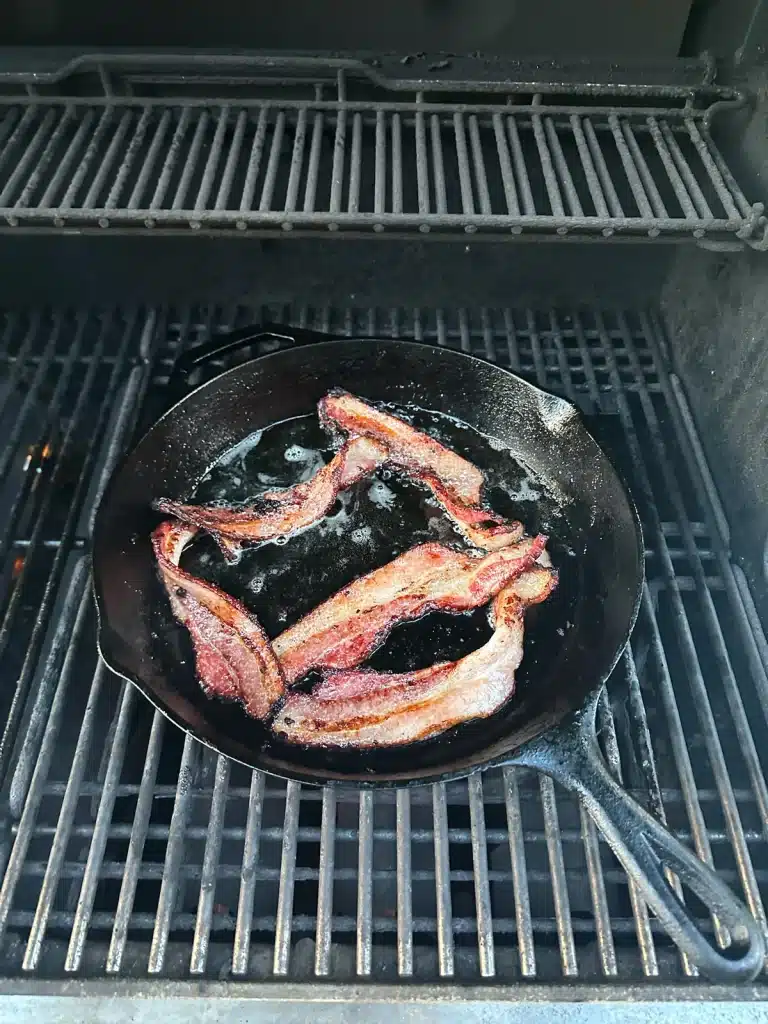
    How to cook bacon… even if I burned more than a few slices while I was learning.

    Richard Jarocki Bacon sizzling in a black cast-iron skillet on an outdoor grill.
    Home cooking, June 2024: bacon in a cast-iron skillet.

    At the time, they seemed like simple lessons.

    Looking back, they were the foundation of everything that came later.

    He taught me that cooking wasn’t something to rush.

    It was something to enjoy.

    Going out to dinner was part of their routine too. They weren’t chasing the newest restaurant in town or the latest trend. They had their favorite places—restaurants where everyone knew them, where they knew the staff, and where every visit felt familiar.

    It wasn’t about finding something new.

    It was about enjoying good food with the people you loved.

    My grandmother was Italian, and her cooking is still the standard I compare comfort food against today.

    Her ziti.

    Her meatballs.

    Her sausage.

    Her pot roast.

    Those weren’t just family dinners.

    They became family traditions.

    As I got older, I realized those recipes wouldn’t last forever unless someone learned them.

    So instead of just showing up to eat, I started showing up to cook.

    I wanted to learn exactly how she made the meatballs.

    How she seasoned the sauce.

    How she knew the pot roast was finished without ever looking at a recipe.

    Today, those recipes are among my most treasured possessions.

    Not because they’re complicated.

    Because every time I make them, I’m back in her kitchen.

    My father’s side of the family shaped me in a different way.

    They were Polish, and family gatherings meant homemade pierogies, traditional Polish dishes, and incredible baked desserts.

    My Polish grandmother loved to bake.

    Today, our family still has many of her handwritten recipes.

    My Polish grandfather had a family herring recipe that had been passed down through generations. Before he passed away, he made sure my father received it.

    I have a copy too.

    When I was younger, I didn’t understand why both of my grandmothers spent so much time cooking and baking.

    Now I do.

    It was never just about the food.

    It was how they showed love.

    Looking back, I realize my appreciation for food didn’t begin in a Michelin-starred restaurant.

    It didn’t begin while traveling.

    It began around my grandparents’ tables.


    Then Life Took Me Somewhere Else

    Like most people, I needed to build a career.

    I never planned on selling cars.

    I walked into a dealership looking for a bookkeeping position. Instead, I was offered a sales position. I took a chance, and that decision changed the course of my life.

    The majority of my career was spent with Nissan, where I worked my way from salesperson to Finance Manager, then General Sales Manager, and eventually General Manager.

    Along the way, I also had the opportunity to work with Ford, BMW, and Ferrari.

    I’ve always loved cars.

    I still do.

    But after twenty-five years in the automotive industry, something changed.

    Cars gradually became more of a commodity than a hobby.

    Instead of admiring them simply as incredible machines, I found myself thinking about inventory, financing, deliveries, staffing, month-end objectives, and everything that comes with running a dealership.

    Cars became my profession.

    Food never stopped being my passion.

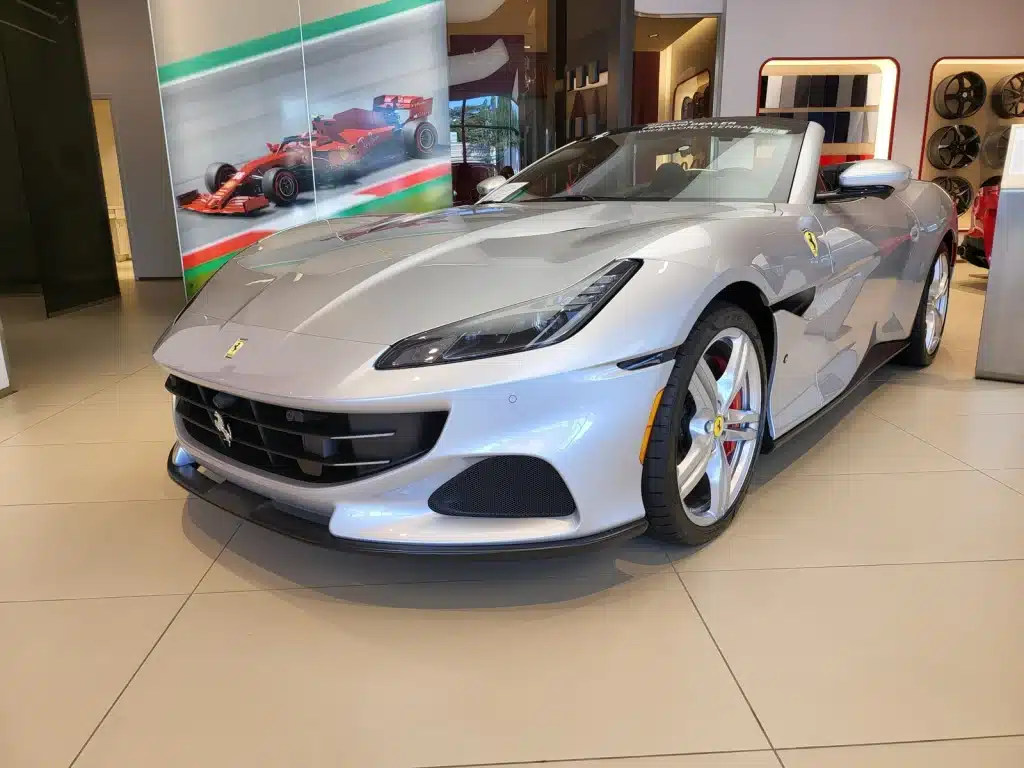
    Richard Jarocki  A silver Ferrari convertible inside a showroom, with a Formula 1 photograph on the wall behind it.
    A showroom photograph from the Ferrari chapter of Richard Jarocki’s automotive career.

    Building Something That Gave Me Time

    Throughout my automotive career, I was also building another business.

    Year after year, it continued to grow.

    Eventually, it reached a point where it gave me something I hadn’t had in a very long time.

    Time.

    For the first time in years, I was able to step back from many of the day-to-day responsibilities that came with managing a dealership.

    I wasn’t leaving the automotive industry.

    I was creating the freedom to pursue another part of who I had always been.

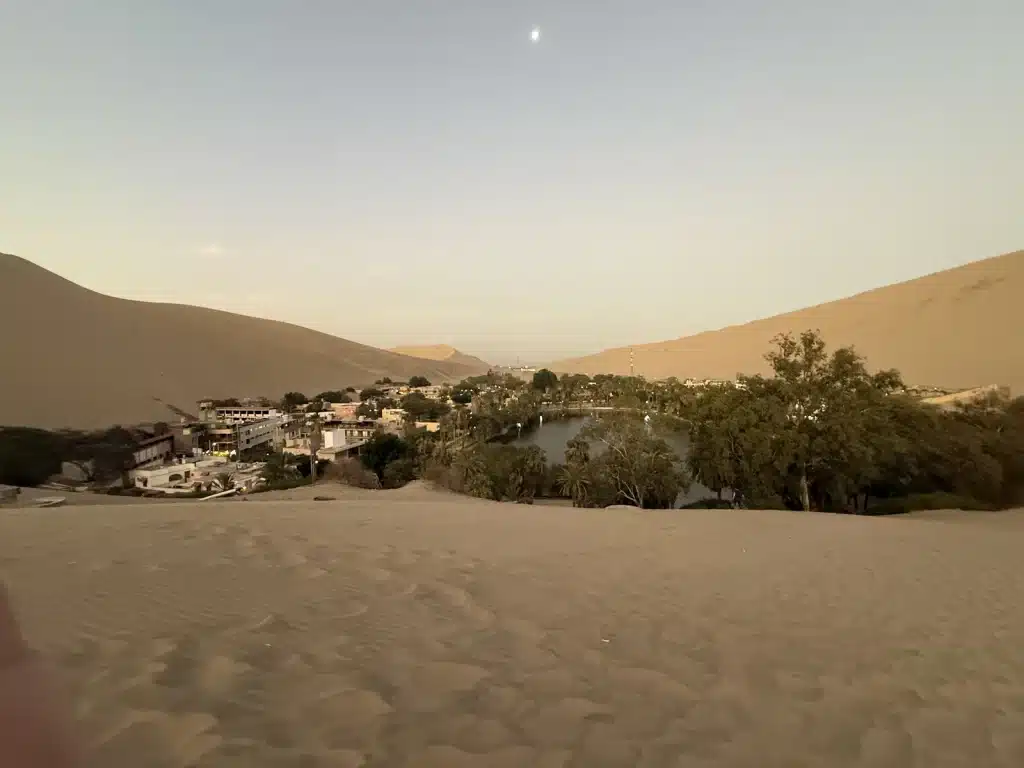
    Richard Jarocki Buildings and green palms in an oasis surrounded by high sand dunes in Peru.
    An oasis and sand dunes during Richard Jarocki’s Peru trip, May 2025.

    The Trip That Changed Everything

    A few years ago, I traveled to São Paulo for my first Brazilian Grand Prix.

    Like every Formula 1 fan, I couldn’t wait to experience the race.

    The speed.

    The atmosphere.

    The history.

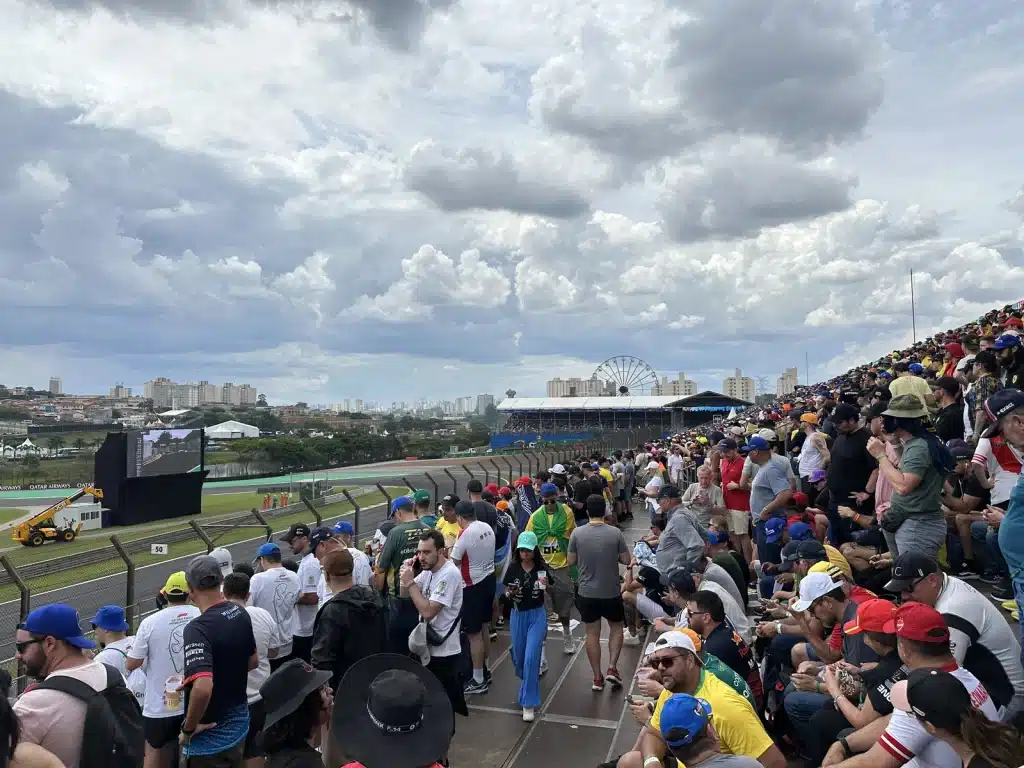
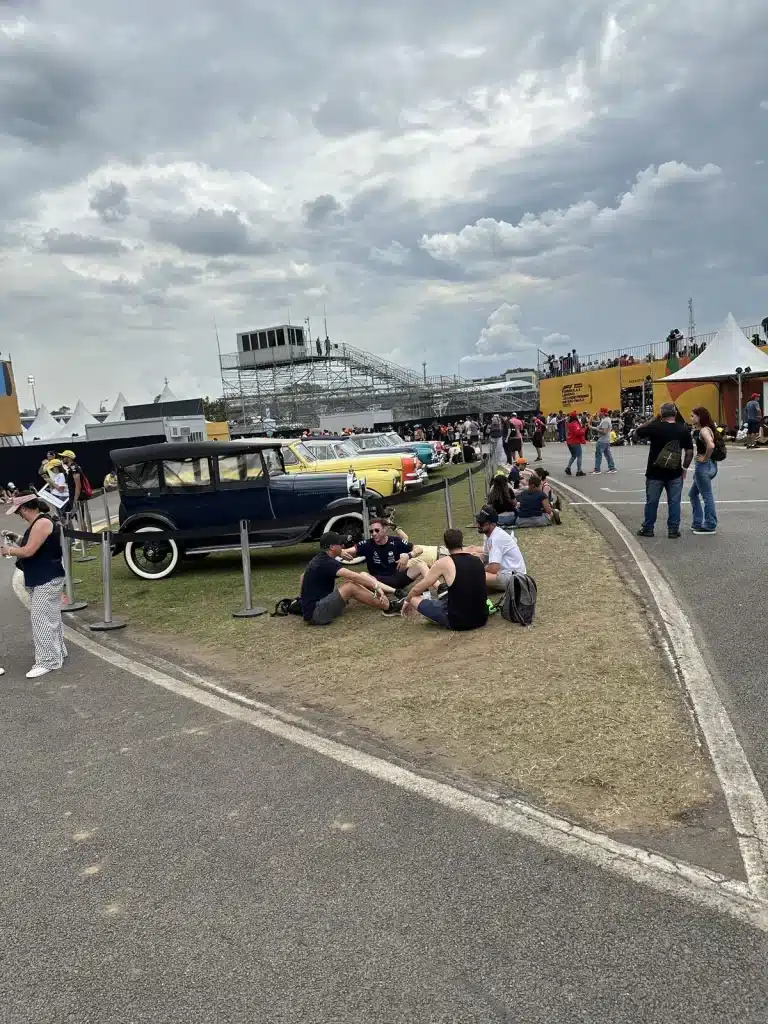
    Richard Jarocki Spectators filling an open grandstand beside the Interlagos circuit under a cloudy sky.
    The grandstand atmosphere at Interlagos, November 2, 2024.

    But when I came home and looked through my photos, something surprised me.

    Some of my favorite memories weren’t from Interlagos.

    They were from the restaurants.

    The cocktail bars.

    The conversations around the table.

    The neighborhoods I explored because I had a reservation there.

    The race brought me to São Paulo.

    The food helped me understand it.

    That’s when I realized something I’d been doing for years without ever thinking about it.

    I wasn’t planning vacations around attractions.

    I was planning them around restaurants.

    Before I booked a hotel, I researched where I wanted to eat.

    Before I picked a neighborhood, I looked at the restaurants, cocktail bars, cafés, and markets nearby.

    Reservations came first.

    Everything else fit around them.

    Without realizing it, food had quietly become the center of almost every trip I’d ever planned.


    Why I Usually Choose the Tasting Menu

    People often ask why I order tasting menus so often.

    The answer has very little to do with luxury.

    It’s because I want the chef to challenge me.

    When I visit a restaurant for the first time, I don’t want to order only the dishes that sound familiar or comfortable.

    I want to experience the restaurant the way the chef envisioned it.

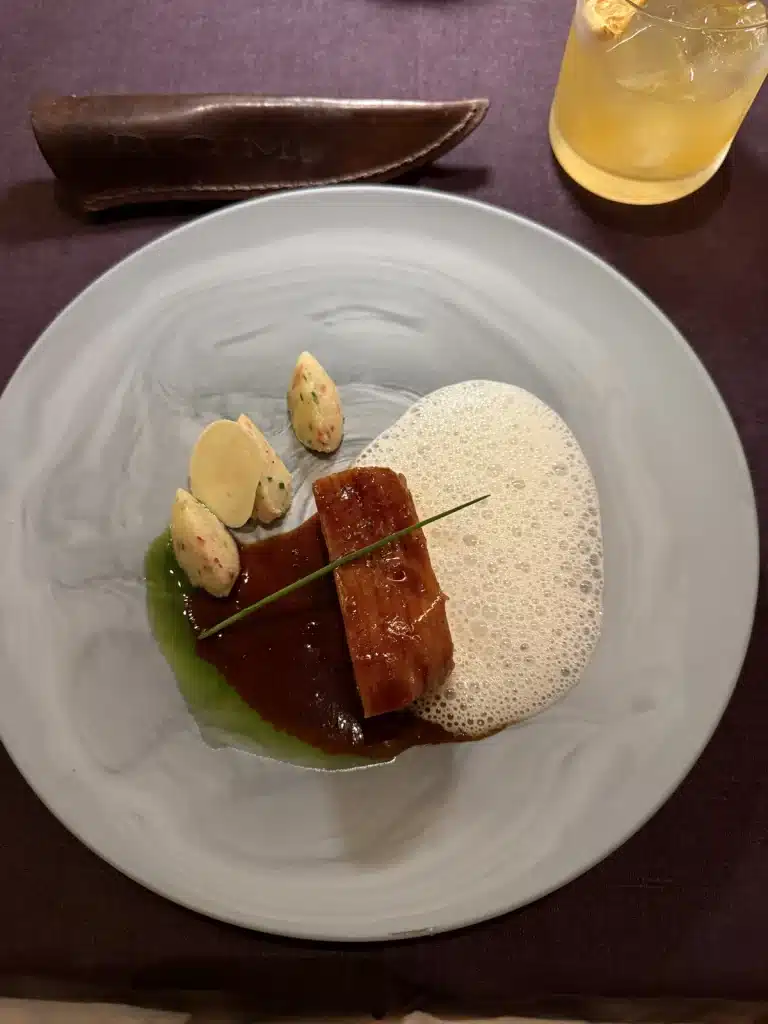
    Richard Jarocki A carefully plated course with green and pale sauces on a large gray plate at D.O.M. in São Paulo.
    A course at D.O.M., São Paulo, November 5, 2025.

    A tasting menu removes that decision.

    It forces me to trust the chef.

    It introduces me to ingredients I probably never would have ordered on my own.

    Some of the best dishes I’ve ever eaten are things I would have skipped if I had been ordering à la carte.

    That doesn’t mean I only enjoy tasting menus.

    If money—and my stomach—weren’t factors, I’d happily order almost the entire menu at many restaurants.

    I genuinely want to know what a kitchen is capable of.

    But ordering every dish becomes expensive, and after a certain point you’re simply too full to appreciate what you’re eating.

    A well-designed tasting menu solves that problem.

    The chef has already decided the progression, the pacing, and the portions.

    Every course tells part of the story.

    That’s why, whenever I visit a restaurant for the first time, I usually let the chef decide.

    Because some of the best meals I’ve ever had weren’t the dishes I wanted to order.

    They were the dishes I never would have ordered at all.


    More Than Great Food

    People sometimes assume I chase Michelin stars or expensive restaurants.

    That’s never been the point.

    Some of the best meals I’ve ever had weren’t the most expensive.

    What fascinates me is the story.

    The chef.

    The history.

    The ingredients.

    The culture.

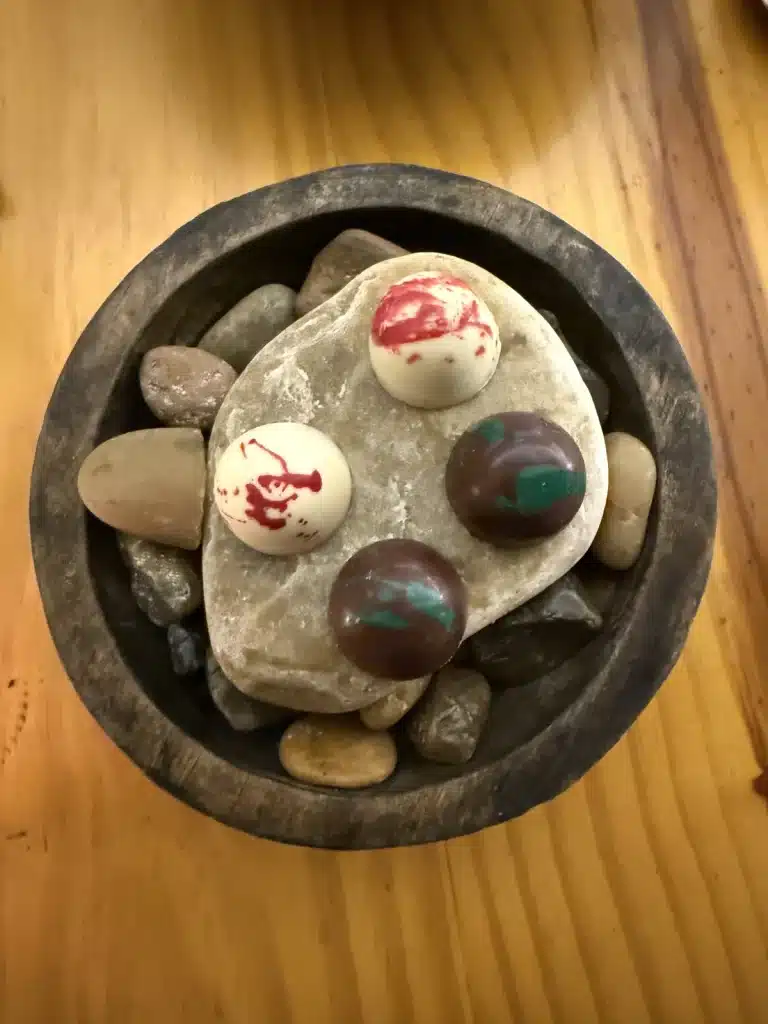
    Richard Jarocki Four decorated small bites arranged on a sculpted stand
    Small bites at Metzi, São Paulo, November 6, 2025.

    A restaurant can teach you as much about a city as any museum or famous landmark.

    Food isn’t just something I eat while I travel.

    It’s how I experience a destination.


    Why I’m Sharing My Journey

    When I first started posting photos online, I wasn’t trying to become a food blogger.

    I simply wanted to remember the places I’d been.

    Then people started asking questions.

    Where should I eat?

    Which restaurant is actually worth the reservation?

    What cocktail bar shouldn’t I miss?

    Over time, I realized I wasn’t just sharing restaurants.

    I was helping people experience destinations through food.

    That’s what RichardJarocki.com is becoming.

    A place where I can share honest stories about restaurants, cocktail bars, luxury hotels, Formula 1 destinations, and the people who make them special.

    Not just telling you where to eat.

    Helping you understand why it’s worth going.

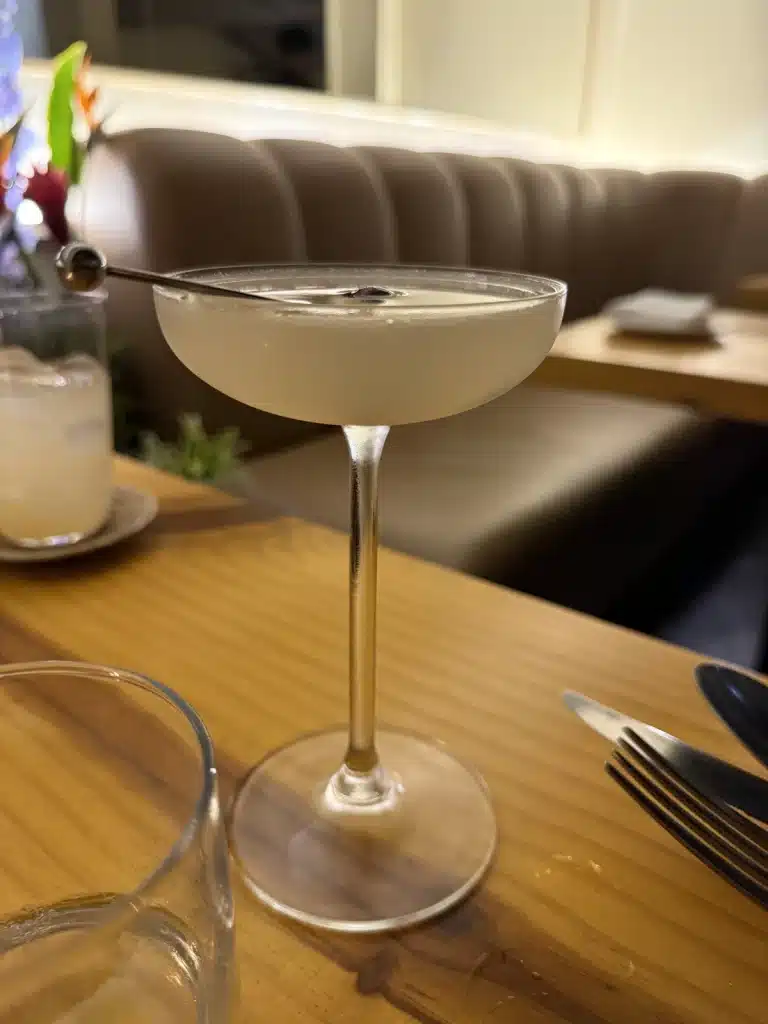
    Richard Jarocki A cocktail at Metzi in São PauloA pale cocktail in a coupe glass on a wooden table, with a curved upholstered banquette behind it.
    A cocktail at Metzi, São Paulo, November 6, 2025.

    Looking Ahead

    I’m still in the automotive industry.

    I still love cars.

    I always will.

    But today they’re no longer the only thing that defines me.

    For twenty-five years, I built a career that gave me stability, opportunity, and experiences I’ll always be grateful for.

    Now I’m investing in the passion that has quietly been part of my life since I was standing beside my grandfather learning how to fry an egg.

    Because I finally realized something.

    Food has never just been about eating.

    It’s about family.

    It’s about culture.

    It’s about travel.

    It’s about memories.

    It’s about the people sitting around the table.

    Richard Jarocki  standing on sand dunes at sunset, with rolling desert ridges behind him.
    A sunset moment in Peru, May 8, 2025.

    If my stories inspire someone to learn a family recipe before it’s too late, book the restaurant they’ve been debating, or discover a city through its food instead of a checklist of attractions, then every mile I’ve traveled and every article I’ve written has been worth it.

    Because the greatest meals aren’t always the most expensive.

    Sometimes they’re the ones that remind you where your story began.

    Then I created my brand Richard Jarocki

    Follow my IG

    Completely Unnecessary. Absolutely Worth It.

  • COQODAQ Brunch Review: Is the Fried Chicken and Caviar Worth It?

    COQODAQ Brunch Review: Is the Fried Chicken and Caviar Worth It?

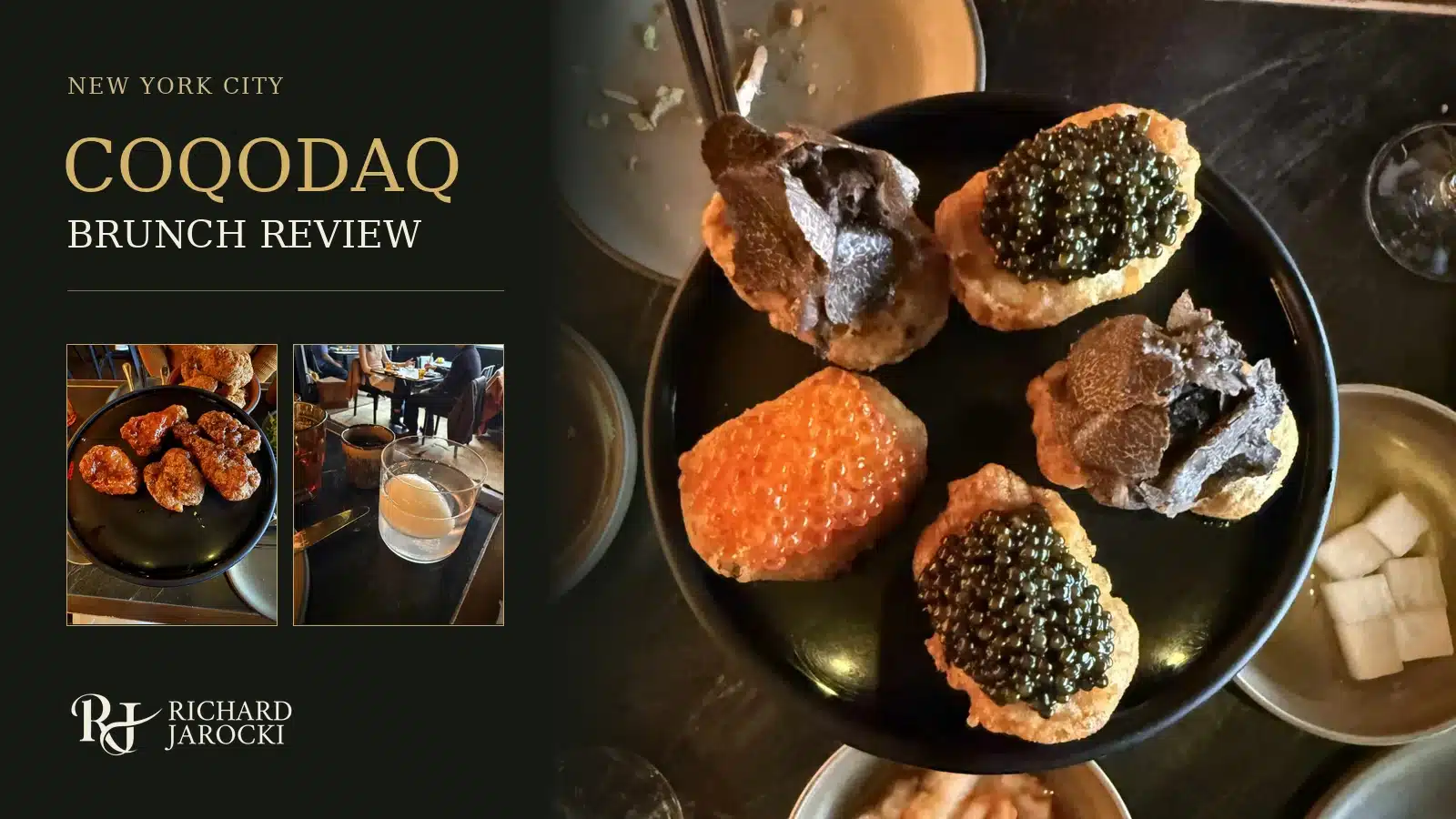
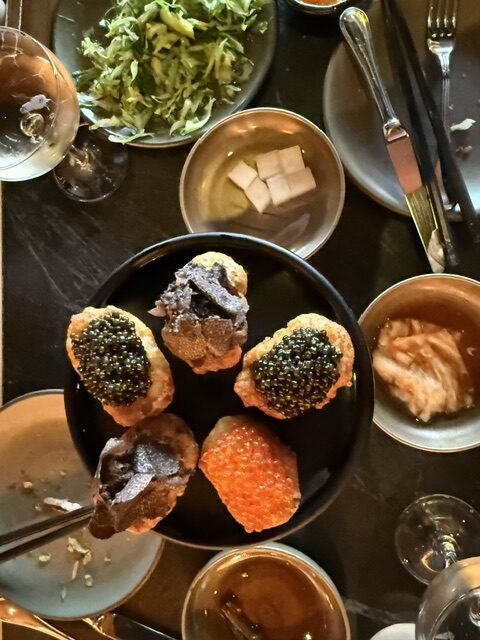
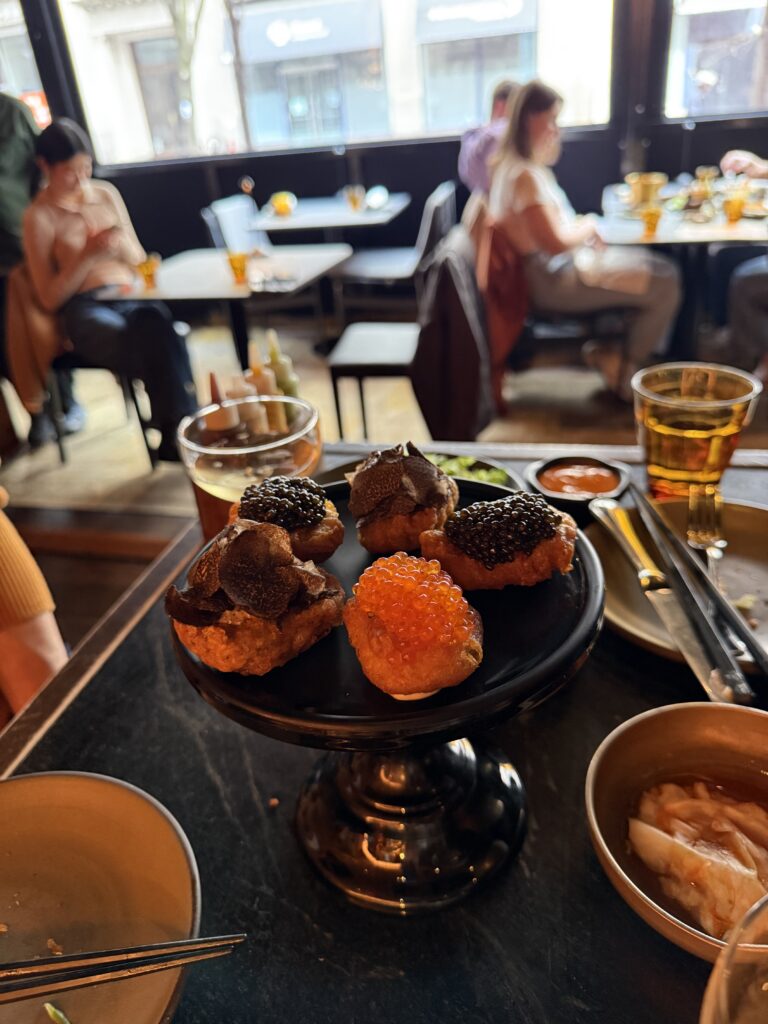
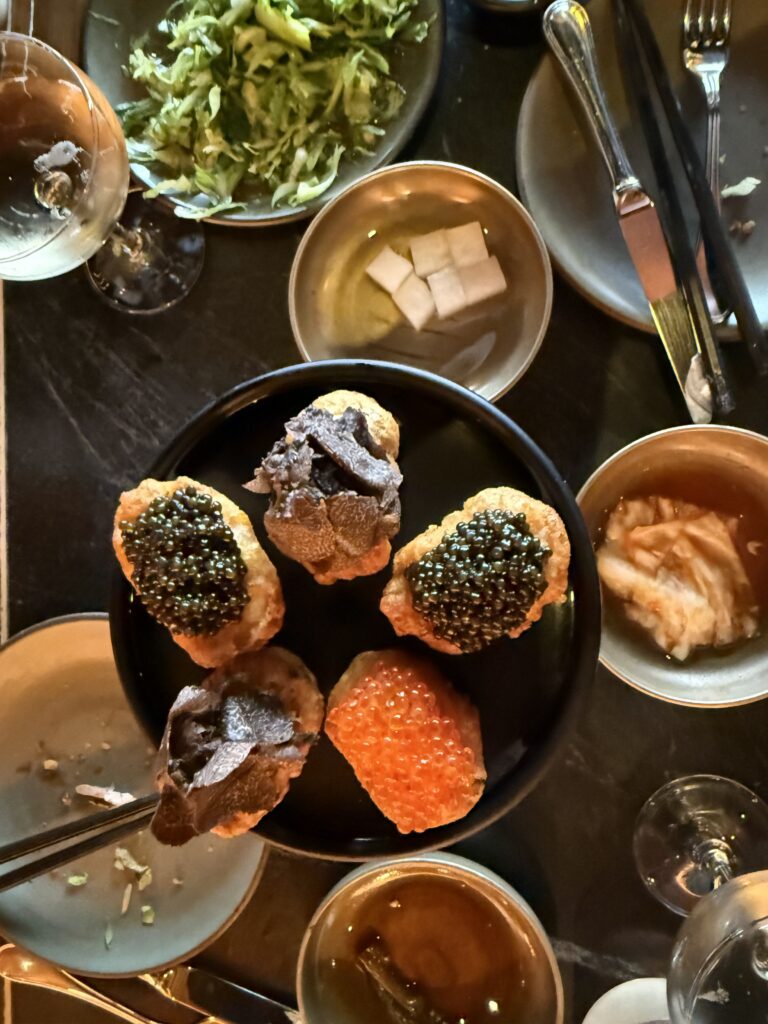
    COQODAQ brunch collage featuring Golden Nuggets topped with caviar and truffle, Korean fried chicken and The Egg cocktail.

    “Luxury isn’t always white tablecloths and whispered conversations. Sometimes it’s Champagne, an egg-shaped cocktail, and a chicken nugget topped with black truffle.”

    Luxury isn’t always white tablecloths and whispered conversations. Sometimes it’s Champagne, an egg-shaped cocktail, and a chicken nugget topped with black truffle.

    This COQODAQ brunch review comes from my July 2026 visit in New York City. I went curious about the famous Golden Nuggets and left just as impressed by the less-publicized parts of the meal: the French toast, the hash browns, the cocktails, and the way the team handled a missed order.

    Why I Wanted to Try COQODAQ

    There are restaurants you visit because everyone is talking about them, and restaurants you visit because you want to understand why. COQODAQ was the second one. Like many people, the first thing that caught my attention wasn’t the dining room or the menu. It was a chicken nugget covered in caviar. I’ll admit it: I was skeptical.

    Luxury ingredients piled onto comfort food can easily become a gimmick. Too often, expensive toppings create a viral moment without building a memorable meal. I wondered whether COQODAQ was another restaurant designed for Instagram or whether there was a genuinely great kitchen behind all the attention.

    The more I learned, the more curious I became. This was another concept from a hospitality group whose restaurants and bars people planned evenings around. That curiosity eventually led me to brunch, where familiar dishes such as fried chicken, French toast, and hash browns would give me a good sense of the kitchen’s fundamentals.

    After spending nearly three hours working through almost the entire brunch menu, I walked away with a very different impression than I expected. Yes, the Golden Nuggets deserved the attention. But they weren’t the only reason I wanted to come back.

    A Dining Room That Lets You Settle In

    One thing I’ve come to appreciate while traveling is that the restaurants I remember most aren’t always the most expensive or technically ambitious. They’re the ones where every detail feels intentional. From the moment I walked into COQODAQ, that intention was obvious.

    Warm lighting reflected off dark wood tables and amber glassware, creating a space that felt refined without becoming formal. There wasn’t an oversized floral display begging to be photographed. The room felt comfortable and confident, rather than like a backdrop built around the next social-media post.

    Even as brunch service picked up, it never became chaotic. Conversations remained at a comfortable volume, courses arrived with thoughtful pacing, and at no point did I feel the staff was trying to rush us through the meal to turn the table. That matters when you’re settling in for more than a quick plate of eggs.

    COQODAQ encouraged us to order another drink, have another conversation, and enjoy one more bite before the next course arrived. That slower rhythm set the tone for everything that followed.

    The Brucket List: A Proper Introduction

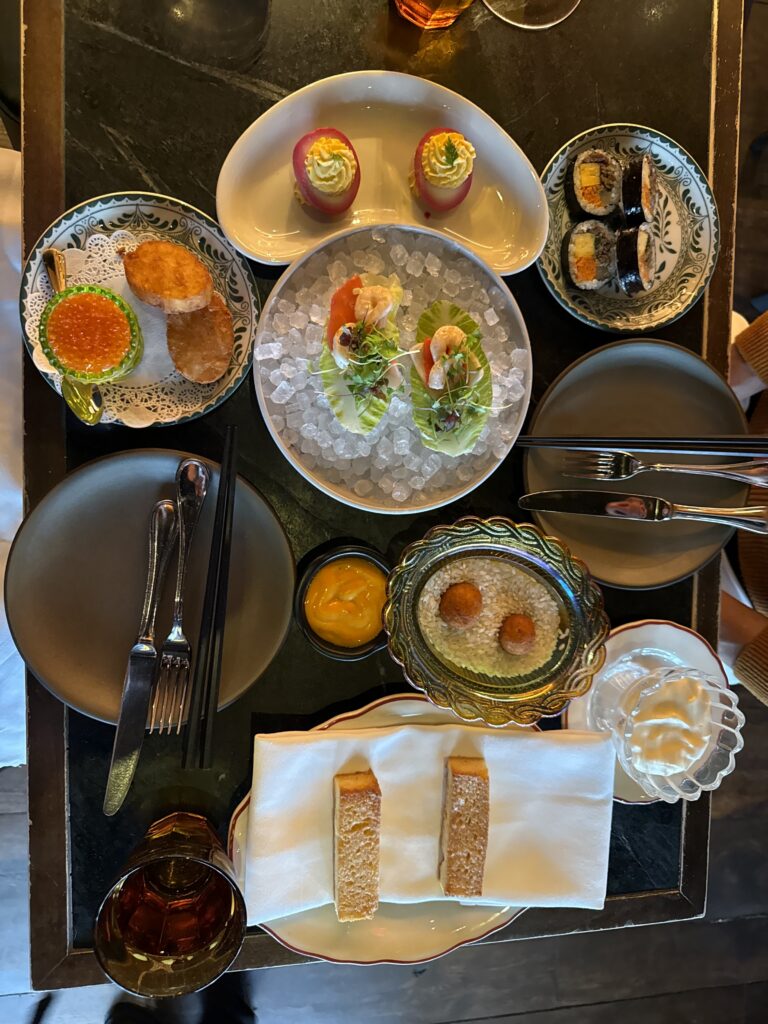
    I appreciate restaurants that make it easy for first-time guests to understand what the kitchen does well. The Brucket List did exactly that: a selection of COQO D’OEUVRES followed by an entrée. Rather than trying to guess which small plates would define the restaurant, I could work through the spread.

    By the time the first round arrived, our table looked less like an ordinary brunch and more like the opening courses of a tasting menu. Everything was thoughtfully plated, the courses arrived at a comfortable pace, and nothing felt rushed. The price listed for this format is $58 per person on the current official menu, but the specific dishes below are the ones I experienced during my July visit, not a promise of an unchanged menu.

    French Toast Soldiers

    I expected these to be an afterthought. When you’re visiting a restaurant known for fried chicken and caviar, French toast isn’t usually what excites you. I was wrong.

    The outside was beautifully crisp, while the inside stayed rich and custardy without becoming soggy. The vanilla anglaise added sweetness without overwhelming the dish. It wasn’t trying to become dessert; there was restraint to it. By the end of brunch, it had become one of my favorite dishes on the table. Sometimes the biggest surprise is the item you almost overlooked.

    Hash Brown & Salmon Rillettes

    If I had to choose the most underrated bite of brunch, this would be it. The hash brown was golden, thin, and perfectly crisp, with no grease or sogginess. Its satisfying crunch supported the smoked salmon rillettes without collapsing underneath them.

    The richness of the salmon and the crispness of the potato worked together beautifully. Simple food executed exceptionally well is often harder than complicated food. This was one of the clearest examples of that on the table.

    Shrimp Salad Lettuce Cups

    Every menu built around fried food needs something that resets your palate. The cold shrimp, bright citrus, and fresh lettuce provided exactly that contrast after several richer bites. The flavors were clean, and the dish gave the meal some balance. Not every memorable course needs to be the most indulgent one.

    Umma’s Kimbap

    One thing I appreciated throughout brunch was that COQODAQ never lost its Korean identity. Umma’s Kimbap belonged in the spread, adding another dimension to a meal that could easily have been defined only by fried chicken and expensive toppings.

    Crispy Chicken Croquettes

    By this point, the consistency of the frying had become impossible to miss. Whether it was the French toast, the hash brown, or these croquettes, every fried element arrived remarkably light and crisp. Nothing felt greasy or tasted as though it had spent too long in the fryer.

    The croquettes reinforced what I was beginning to realize: the famous dishes weren’t impressive merely because they involved expensive ingredients. The fundamentals were already in place. These were part of my visit; check the latest menu rather than assuming every starter will be identical.

    Chicken Consommé

    The smallest course on the table may have said the most about the kitchen. A clear chicken consommé doesn’t leave much room for error because every flavor is exposed. This was clean, comforting, and focused, a quiet reminder that technical cooking doesn’t always need an elaborate presentation.

    Before the fried chicken even arrived, I knew the Golden Nugget wasn’t carrying the restaurant. If the caviar and truffle disappeared tomorrow, there would still be an exceptionally capable kitchen behind the meal.

    The Main Event: Signature Fried Chicken

    Eventually, the dish the restaurant is built around arrived. By then, I’d seen enough to know the kitchen could cook. The question was whether the fried chicken itself would live up to the attention. The answer came with the first bite.

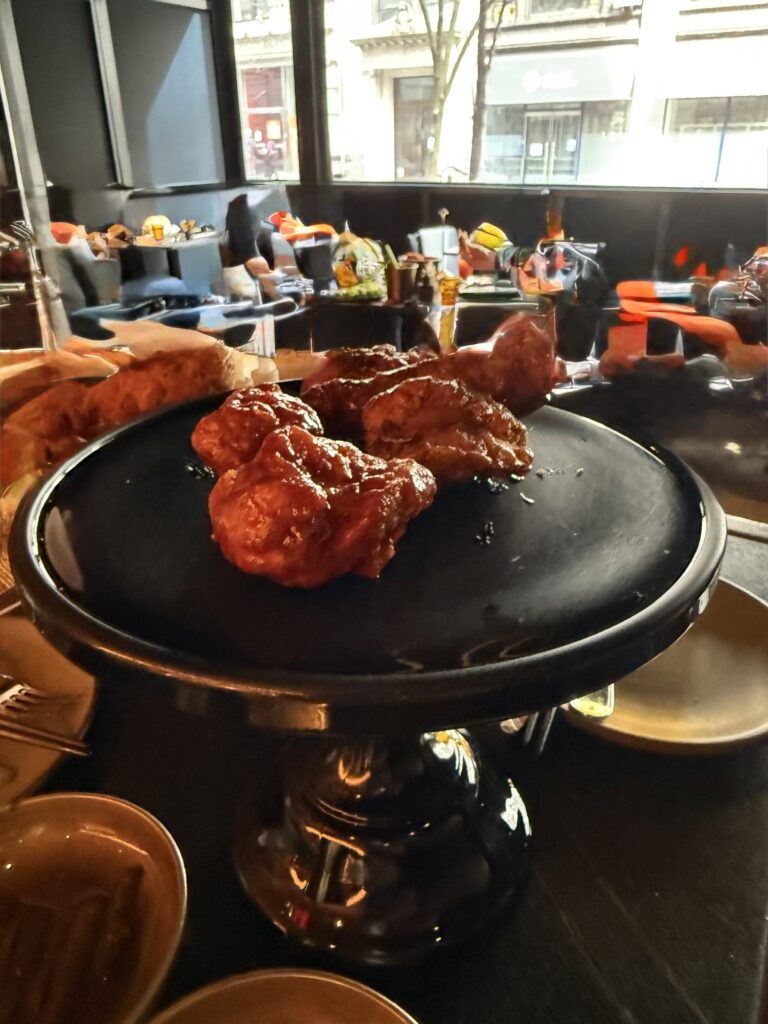
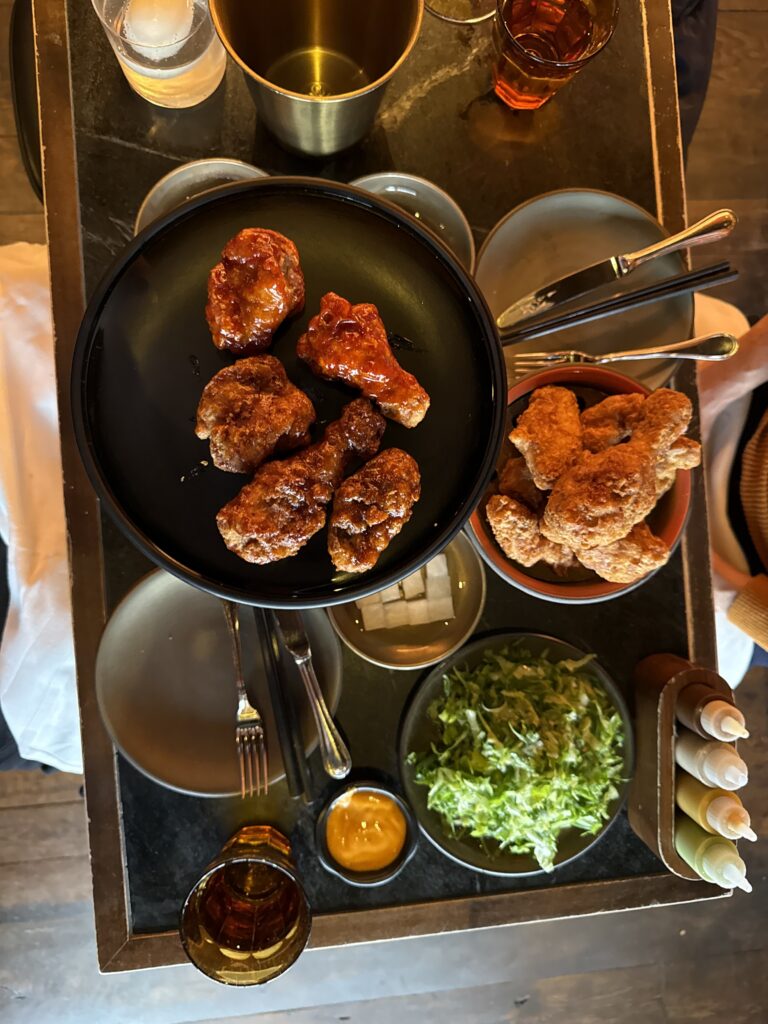
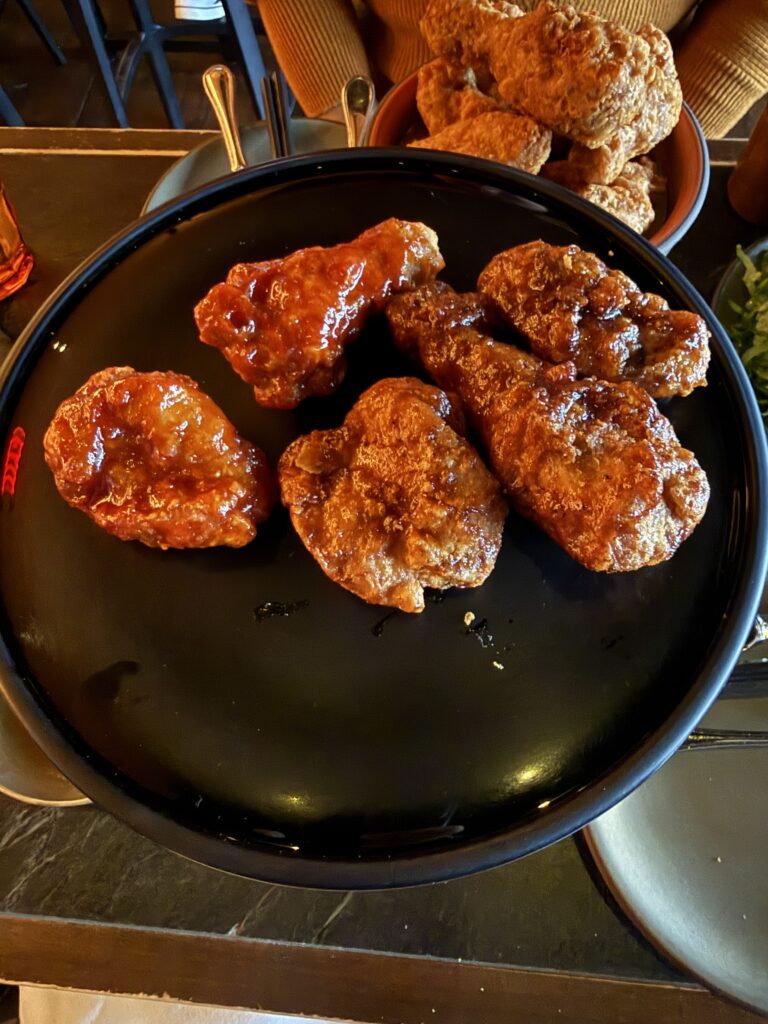
    During my visit, the Signature Fried Chicken offered a choice of two preparations from OG, Soy Sauce-Garlic, and Gochujang. Fortunately, I was able to try all three. What impressed me most was the consistency: every piece had the same light crust, juicy interior, and clean finish. Nothing felt greasy or overly breaded. The coating shattered before giving way to remarkably tender chicken.

    I’ve had fried chicken that was crisp, and I’ve had fried chicken that was juicy. Getting both at the same time is much harder. COQODAQ managed it. After several fried dishes, I still wanted the next bite rather than feeling weighed down by the coating.

    My Fried Chicken Ranking

    1. Soy Sauce-Garlic. This was the standout. The glaze added just enough sweetness to balance the savory flavors without masking the chicken itself. Every bite felt complete, and it quickly became the style I kept reaching for. If I were ordering again tomorrow, this would be my first choice.

    2. OG. Sometimes the simplest version tells you everything you need to know. Without a glaze competing for attention, the OG let the chicken and the precision of the fry shine. If you appreciate classic fried chicken, don’t overlook it.

    3. Gochujang. This brought the most heat and the boldest personality of the three. It was flavorful and well executed, but I reached for it less than the Soy Sauce-Garlic and the OG. That wasn’t a failure of the Gochujang; it was a reminder of how much I liked the other two.

    Then Came the Golden Nuggets

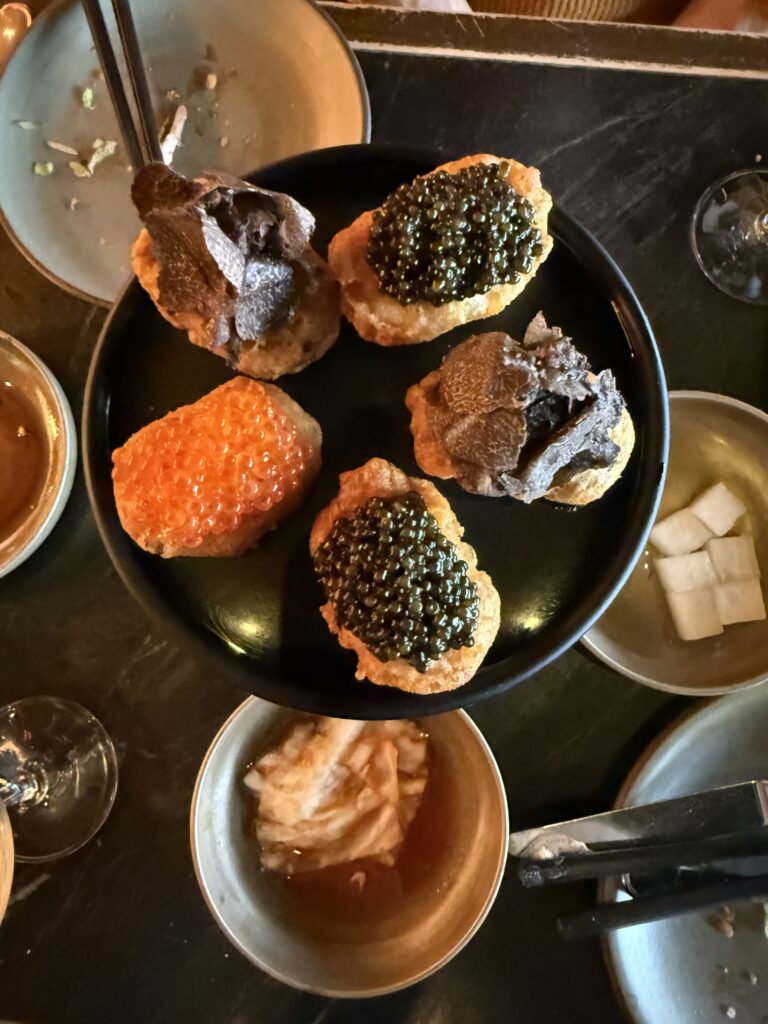
    I’ll admit it: this was the dish I came to try. A chicken nugget topped with caviar or truffle can sound like an idea designed to generate headlines. Then you taste it, and suddenly the combination makes sense.

    I tried the 18 Karat with ocean trout roe, the 24 Karat with Tsar Imperial Daurenki caviar, and the Black Gold with seasonal truffle. Each began with the same exceptionally good nugget. The crust was thin and crisp, the seasoning restrained, and the interior juicy. Strip away the toppings and you would still be left with one of the best chicken nuggets I’ve had.

    That was the surprise. The luxury ingredients enhanced the chicken rather than rescuing it. I could appreciate what each topping added because the foundation was already so strong.

    My Golden Nugget Ranking

    1. Black Gold with Seasonal Truffle. Without question, my favorite. The warmth of the nugget released the truffle aroma almost immediately, creating a bite that felt rich without becoming overwhelming. Everything worked together. I kept telling myself, “Just one more,” and then reaching for another. That’s usually a good sign.

    If I could make one request, I’d love to see the Black Gold Nugget on the menu at Bar Chimera during truffle season. Paired with one of their cocktails, I think it would make an exceptional bar snack. That’s my wish list, not an item I’m saying they serve.

    2. 24 Karat with Tsar Imperial Daurenki Caviar. The salinity of the caviar paired beautifully with the crisp chicken, while the Champagne brought everything into balance. This is probably the version most people associate with COQODAQ, and I understood why.

    3. 18 Karat with Ocean Trout Roe. Bright and playful, with a satisfying burst of texture and salinity. Compared with the depth of the truffle and the caviar pairing, it finished third for me. Still excellent, just competing against two particularly memorable bites.

    Champagne and The Egg: Give the Drinks Their Due

    Before I arrived, Champagne and fried chicken sounded like one more combination designed to attract attention. After brunch, I understood it. The acidity cut through the richness of the chicken, while the bubbles refreshed my palate between bites. The pairing made sense on taste, not just on a menu written to sound luxurious.

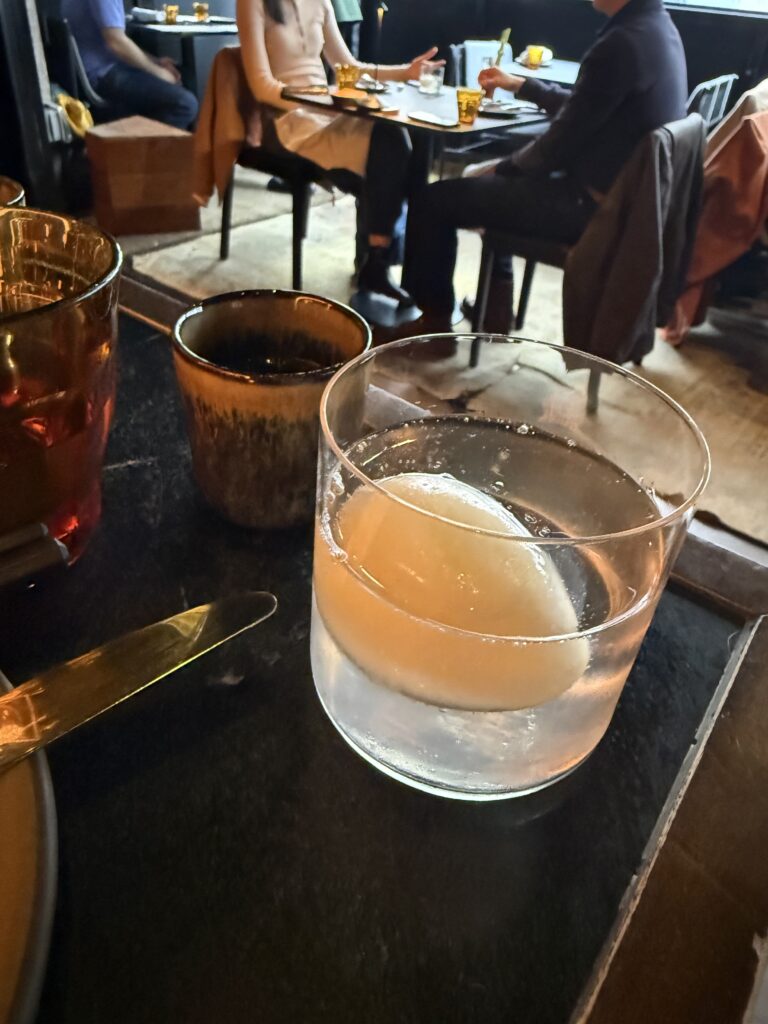
    But I wouldn’t stop at Champagne. I walked away equally impressed by the beverage side of the experience, particularly The Egg. When it arrived at the table, I actually laughed. At first glance, it looked almost like a perfectly cooked egg floating in the glass. It was exactly the kind of presentation that makes everyone stop and ask, “What is that?”

    Fortunately, the drink wasn’t relying on presentation alone. It was incredibly smooth, with a silky texture that felt rich without becoming heavy. The flavors were well balanced rather than unusual simply for the sake of being unusual. It started a conversation and then held my attention as a cocktail.

    The more I travel, the more I appreciate restaurants that treat drinks as more than an afterthought. Here, The Egg and the Champagne pairing felt connected to the meal. The playful presentation fit the food, and neither came at the expense of how good it tasted.

    The Missed Order That Showed Me the Hospitality

    People often judge restaurants by what happens when everything goes perfectly. I pay attention to what happens when something doesn’t. Halfway through brunch, our Golden Nugget order hadn’t arrived. Somewhere between the table and the kitchen, it had been missed. It happens; the important part is how a restaurant responds.

    The team immediately acknowledged the mistake without excuses or an awkward attempt to pretend everything was fine. They brought us double the order of Golden Nuggets and surprised us with two glasses of Champagne on the house. That was how they handled our particular visit, not something another guest should expect or request.

    The response told me more about COQODAQ than a flawless meal might have. I felt cared for, and the problem became a memorable example of hospitality rather than the thing that spoiled brunch.

    I also noticed members of the leadership team present in the dining room, greeting guests, supporting the staff, and watching service unfold. They weren’t detached from what was happening around them. After this visit and my later experience at Bar Chimera, I could recognize a shared attention to hospitality even though the places had their own personalities. A beautiful room and good ingredients matter, but so do the people making the experience work.

    My Verdict: I Would Go Back

    New York has no shortage of great restaurants, which makes the question “Would I come back?” useful. For COQODAQ, my answer is absolutely. It took the cooking seriously without making brunch feel stiff or self-important. Caviar on a chicken nugget and Champagne with fried chicken were fun because the food underneath the idea was so good.

    The Black Gold Nugget was my best bite, the French Toast Soldiers were the biggest surprise, and the Hash Brown & Salmon Rillettes deserved more attention than I expected to give them. Soy Sauce-Garlic would lead my next chicken order. I’d also want another Egg cocktail and Champagne with the chicken.

    The Golden English Muffin with Smoked Salmon and Black Truffle was on my next-visit wish list. I haven’t reviewed it here because it wasn’t one of the dishes I described trying; I would check whether it is available before counting on it.

    This can become a splurge once you add Golden Nuggets and drinks. The $58 brunch format is a starting point, not the price of recreating every part of my visit. For me, the quality of the food, the comfortable pacing, the drinks, and the way the team looked after us justified the experience. The complimentary Champagne and extra nuggets were part of what happened that day, and they belong in an honest account of it.

    Richard’s Rating

    5.0 / 5 — my rating of this brunch visit.

    • Food: ★★★★★ Every dish felt intentional, from the smallest amuse-bouche to the signature fried chicken. The quality of the ingredients and precision of the execution were evident throughout the meal.
    • Creativity: ★★★★★ Luxury and comfort food rarely coexist this naturally. COQODAQ manages to make playful ideas feel thoughtful rather than gimmicky.
    • Cocktails: ★★★★★ The Egg Cocktail alone is worth ordering, and the beverage program complements the food instead of competing with it.
    • Service: ★★★★★ Professional, attentive, and polished. More importantly, when a mistake occurred, the team handled it with grace, generosity, and genuine hospitality.
    • Atmosphere: ★★★★★ Elegant without being intimidating. Refined, energetic, and comfortable enough to encourage a long brunch rather than a quick meal.
    • Value: ★★★★★ At first glance, brunch may seem like a splurge. After experiencing the quality of the food, drinks, service, and hospitality, it feels entirely justified.

    Plan Your COQODAQ Brunch

    COQODAQ is at 12 East 22nd Street in Flatiron. As checked on October 27, 2026, its official site lists weekend daytime service from 11:30 a.m. to 3 p.m. Book through the restaurant’s official Resy link, and confirm the service time and menu for your date.

    If your preferred time is unavailable, try Resy Notify for times you can genuinely make and check again as the date approaches. Cancellations can happen, but neither an alert nor a walk-in guarantees a table. I wouldn’t build an entire New York itinerary around brunch until the reservation is confirmed.

    The restaurant lists 646-490-5099 for its reservations team and reservation@coqodaq.com for outside calling hours or busy phone lines. Check the official site for the latest arrangements rather than relying on an old reservation tip.

    Have a New York restaurant I should try next? Send it to me on Instagram. I’m always interested in a meal worth planning around, whether it involves caviar or something much simpler.

  • Why Evvai Is My Favorite Restaurant in the World

    Why Evvai Is My Favorite Restaurant in the World

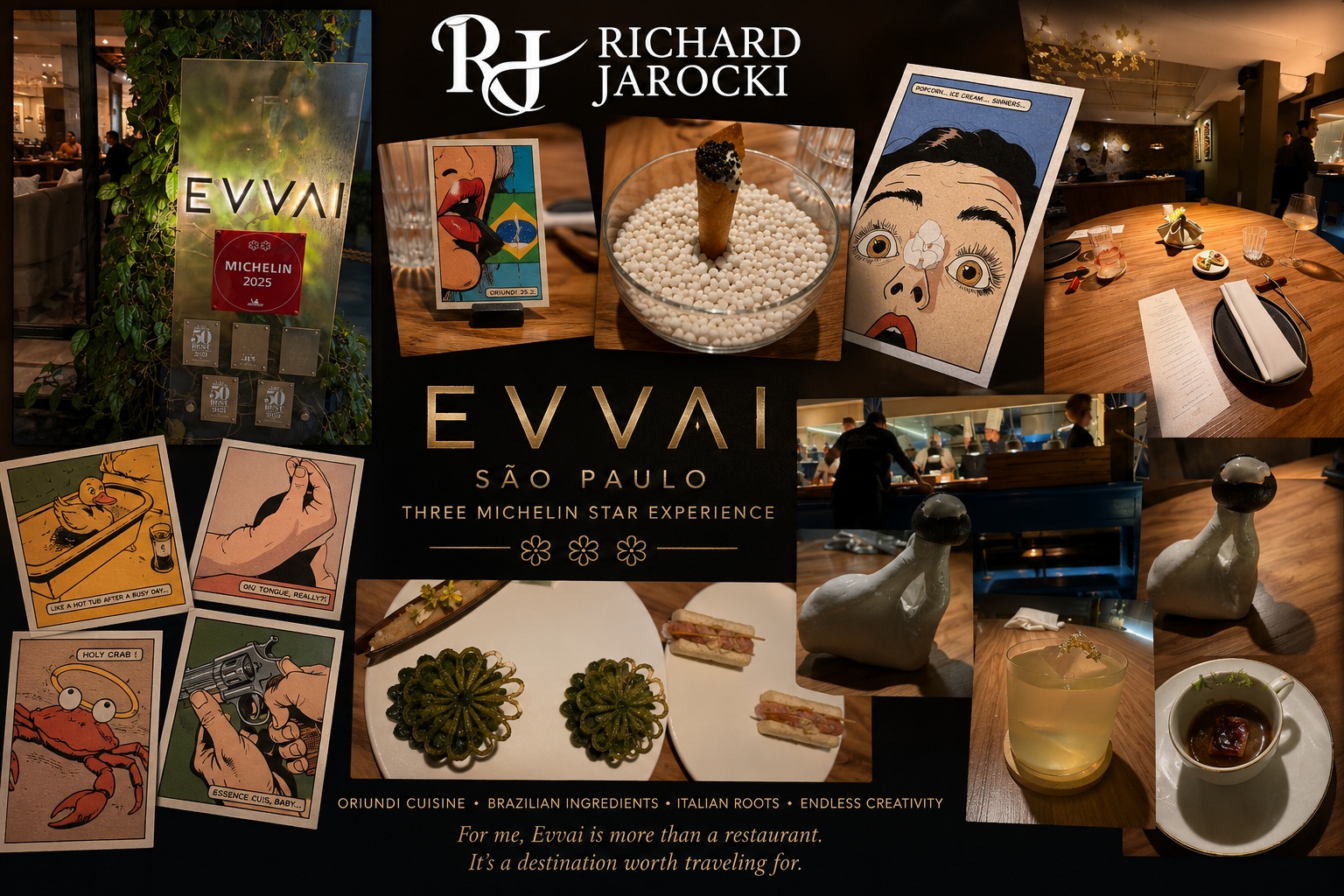
    Collage featuring Evvai, the three Michelin-starred restaurant in São Paulo, showcasing the restaurant entrance, tasting menu, signature dishes, collectible comic-style course cards, cocktails, the open kitchen, and Richard Jarocki branding.

    People often ask me what my favorite restaurant in the world is. Considering how much I travel for food, it’s a fair question. I’ve been fortunate enough to dine at Michelin-starred restaurants, experience many of the World’s 50 Best Restaurants, and eat my way through some of the greatest culinary destinations on earth.

    My answer never changes: Evvai in São Paulo.

    This restaurant is one of the biggest reasons I look forward to returning to the city. The food matters, of course. But so do the explanations, the illustrated course cards I still keep, the disciplined kitchen, and the fact that a meal this carefully put together can still be so much fun.

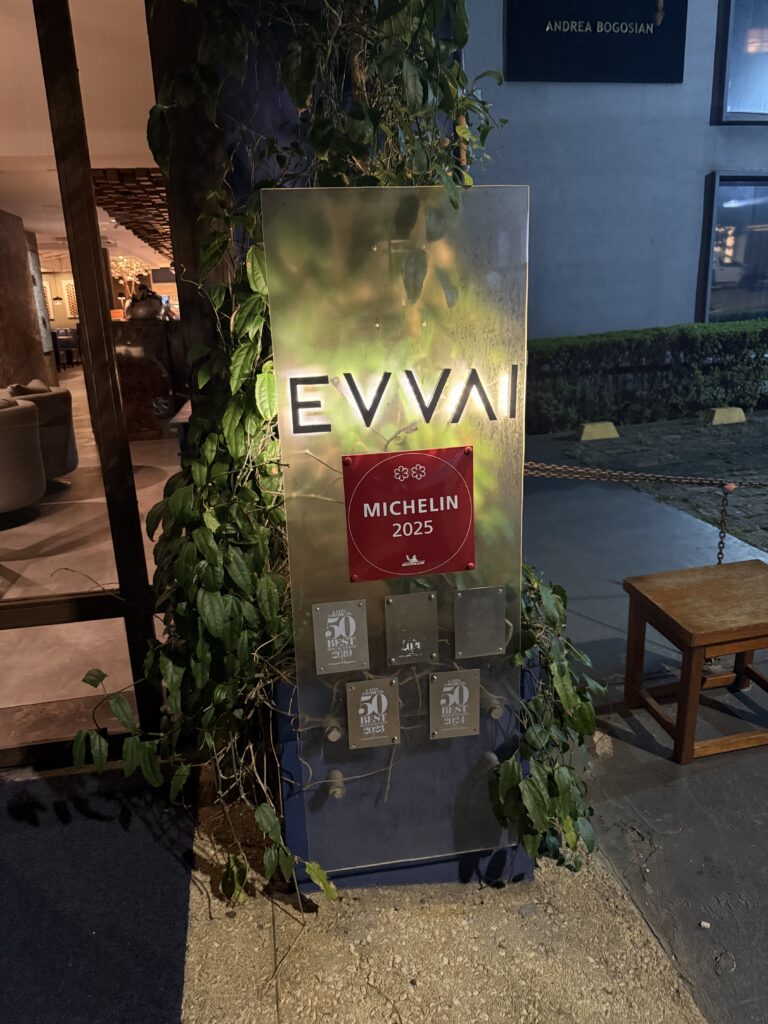
    Entrance sign at Evvai, a three-Michelin-starred restaurant in São Paulo, Brazil
    Evvai in São Paulo. It is one of the biggest reasons I look forward to returning to the city.
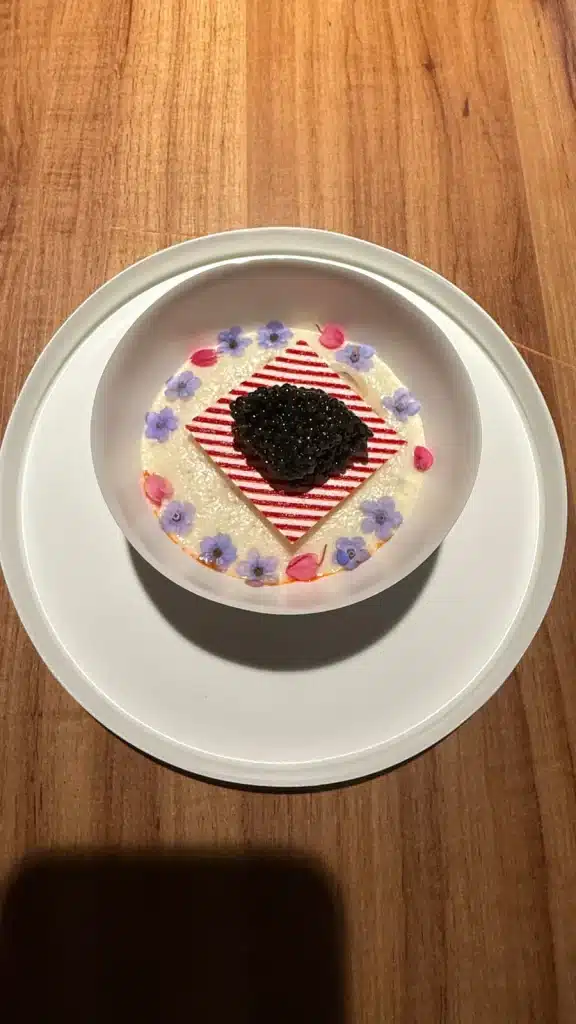
    Caviar on a red-and-white striped centerpiece surrounded by colorful details at Evvai in São Paulo
    A caviar-topped course from my November 2025 meal at Evvai.

    More Than Italian. More Than Brazilian.

    Chef Luiz Filipe Souza describes Evvai’s cuisine as Oriundi, a philosophy inspired by the Italian immigrants who helped shape Brazil’s culinary identity.

    It’s not Italian. It’s not Brazilian. It’s both.

    Throughout the tasting menu, classic Italian techniques meet ingredients native to Brazil. Jambu, tucupi, cupuaçu, priprioca, native honeys, heart of palm, Amazonian fish, and regional fruits become the foundation for dishes that feel both familiar and completely new.

    Nothing is included simply because it’s unusual. Every ingredient has a purpose. Every course tells a story.

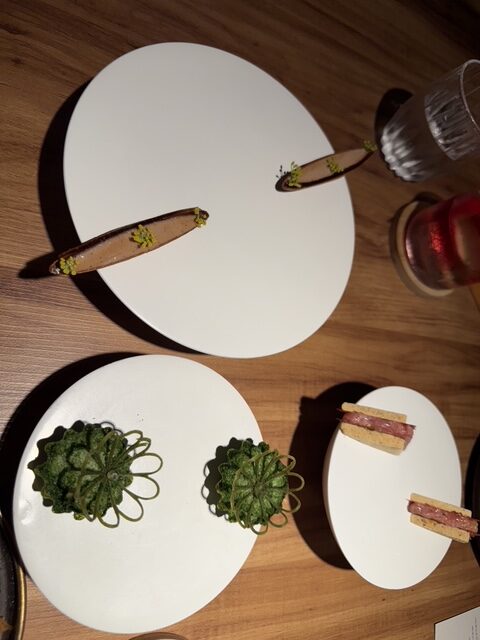
    Selection of artistic opening bites served during the tasting menu at Evvai São Paulo
    Opening bites from an earlier Evvai tasting menu.
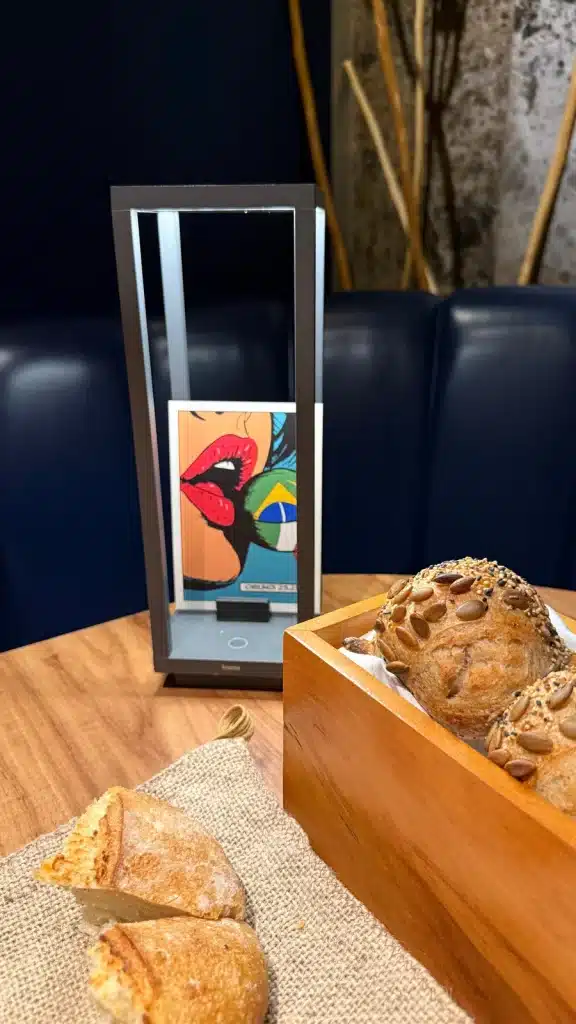
    Bread selection beside a wooden serving box at Evvai in São Paulo
    Bread service during my November 2025 tasting menu.

    A Menu That Never Stops Evolving

    One of the reasons I continue returning is because no two meals have ever been alike.

    Chef Luiz isn’t interested in creating a menu that stays the same year after year. Every visit brings new ideas, new ingredients, and new interpretations while remaining unmistakably Evvai.

    I’ve compared the menus and collectible cards from each visit, and it’s remarkable how much they evolve.

    One visit introduced me to King Crab with fresh coconut and caviar, White Moqueca with squid and heart of palm, Duck Tortellini with eel and tucupi, Wild Boar with savage orange, Tongue with oxtail and priprioca, and the unforgettable Popcorn and Ice Cream dessert.

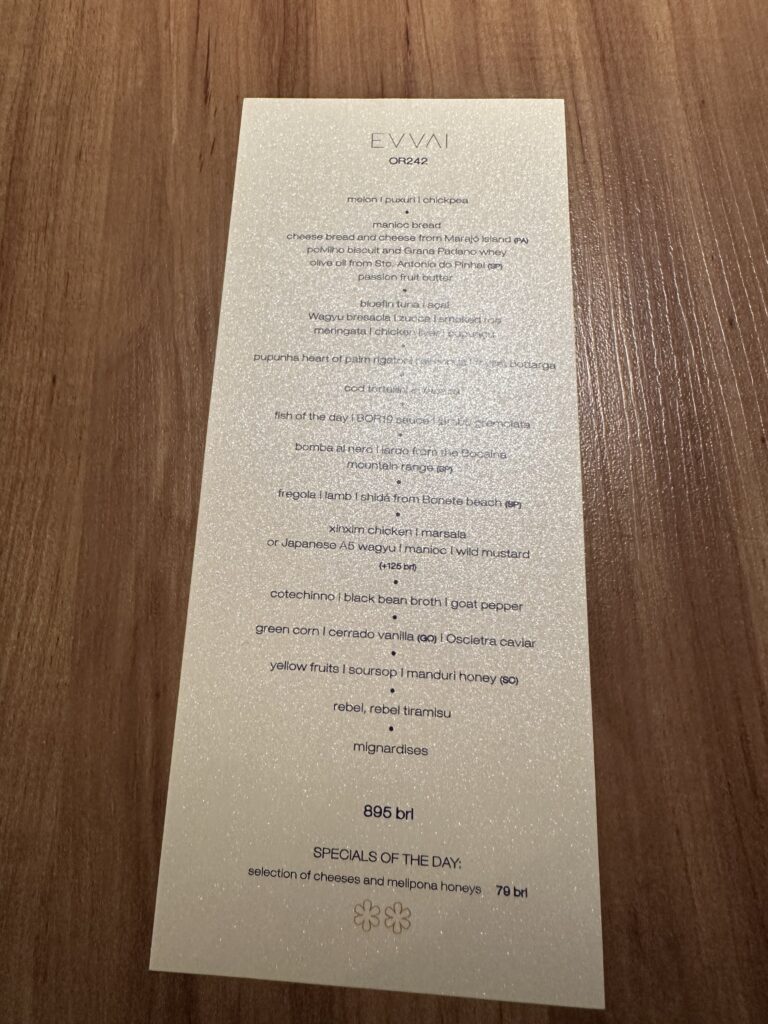
    Another visit featured Bluefin Tuna with wagyu bresaola, Cod Tortellini, Fish of the Day with moqueca, Lamb with fregola, Green Corn with Oscietra caviar, Rebel Tiramisu, and a choice between Xinxim Chicken or Japanese A5 Wagyu.

    The philosophy never changes. The creativity never stops. Every return feels like discovering Evvai all over again.

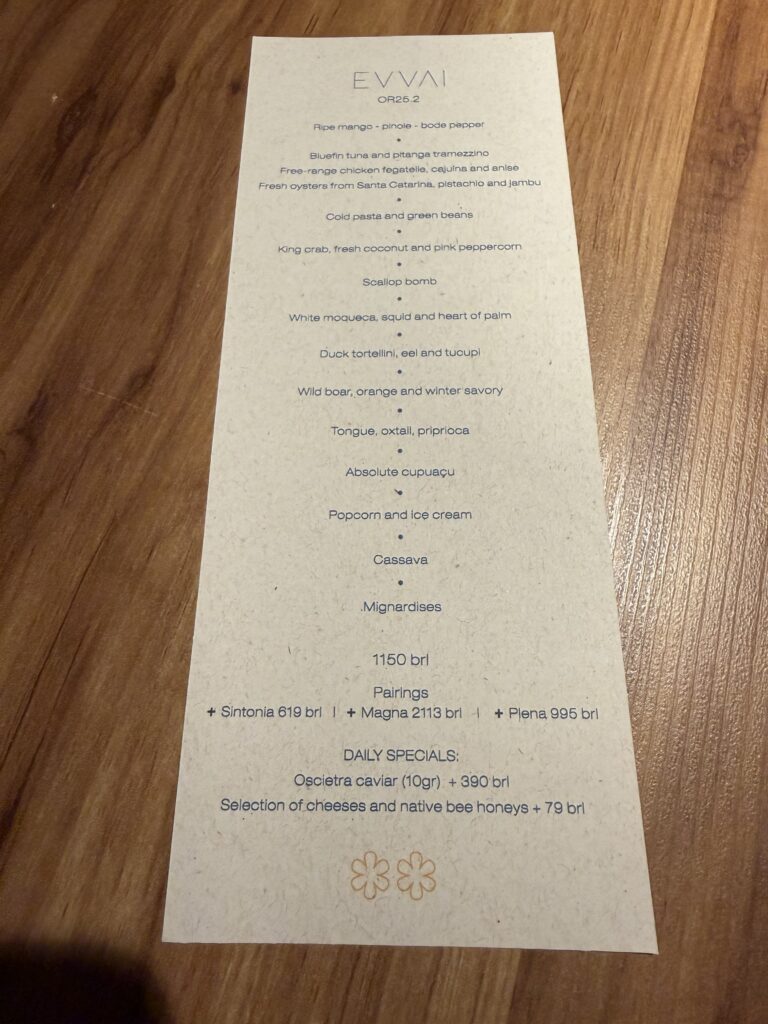
    Evvai ORI25.2 tasting menu featuring Brazilian seafood, pasta, wild boar and desserts
    The ORI25.2 menu from a previous visit. This is a keepsake, not the current menu.
    Evvai OR24.2 tasting menu featuring Brazilian ingredients, seafood, pasta and Wagyu
    The OR24.2 menu from another visit, showing how much the experience changes.

    Every Dish Has a Personality

    I’ve had tasting menus where every course was technically perfect, yet by the end of the evening I struggled to remember what I had actually eaten.

    That has never happened at Evvai.

    The King Crab with fresh coconut, delicately topped with caviar, perfectly balanced sweetness, richness, and salinity while proving that elegance doesn’t have to be complicated.

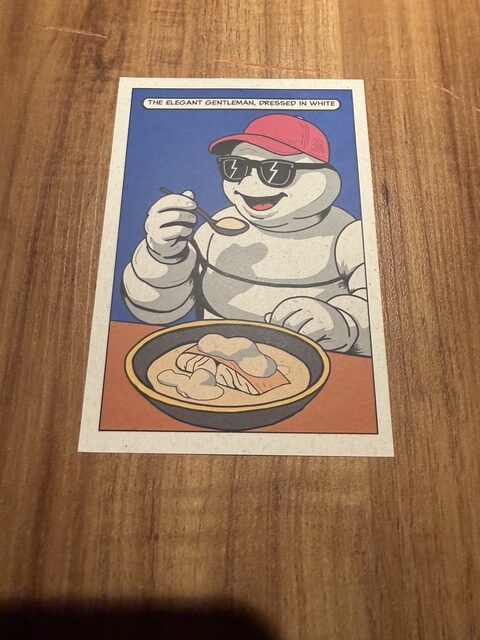
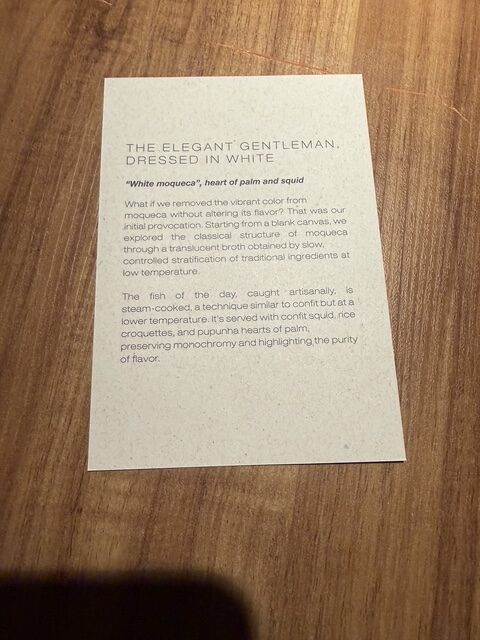
    The White Moqueca challenged everything I thought I knew about one of Brazil’s most iconic dishes. By removing its vibrant colors, Chef Luiz created something visually unexpected while preserving every bit of the soul and flavor that makes moqueca so beloved.

    The Duck Tortellini with eel and tucupi remains one of the most memorable pasta courses I’ve ever eaten.

    One of my favorite surprises was a playful green corn ice cream cone topped with Oscietra caviar. At first glance, it makes you smile. Then you taste it. Sweet corn and luxurious caviar shouldn’t work together as well as they do, yet somehow the combination feels completely natural. It’s whimsical, technically brilliant, and unmistakably Evvai.

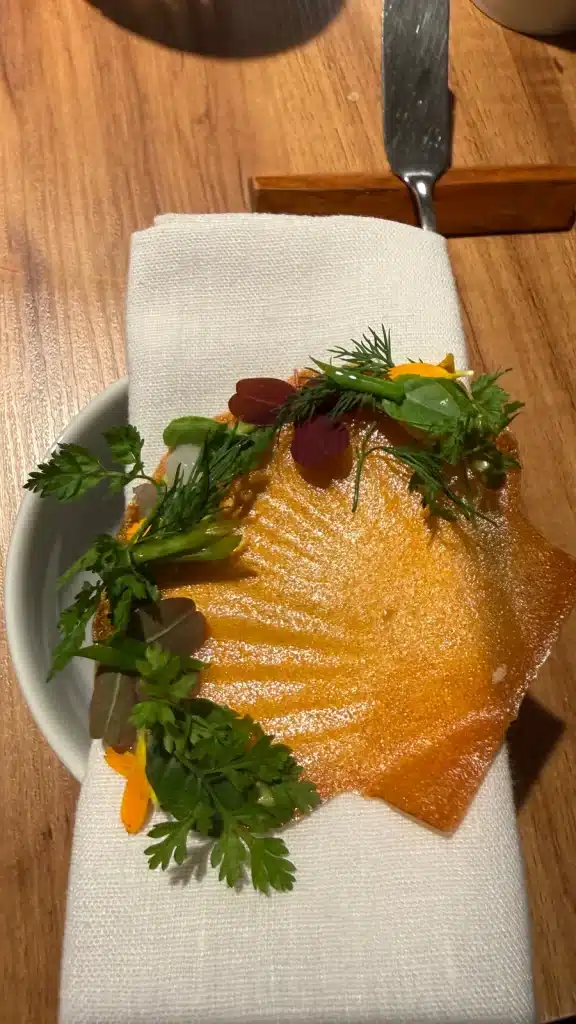
    Golden scallop crisp with greens at Evvai in São Paulo.
    A scallop crisp served with greens during my tasting menu at Evvai.
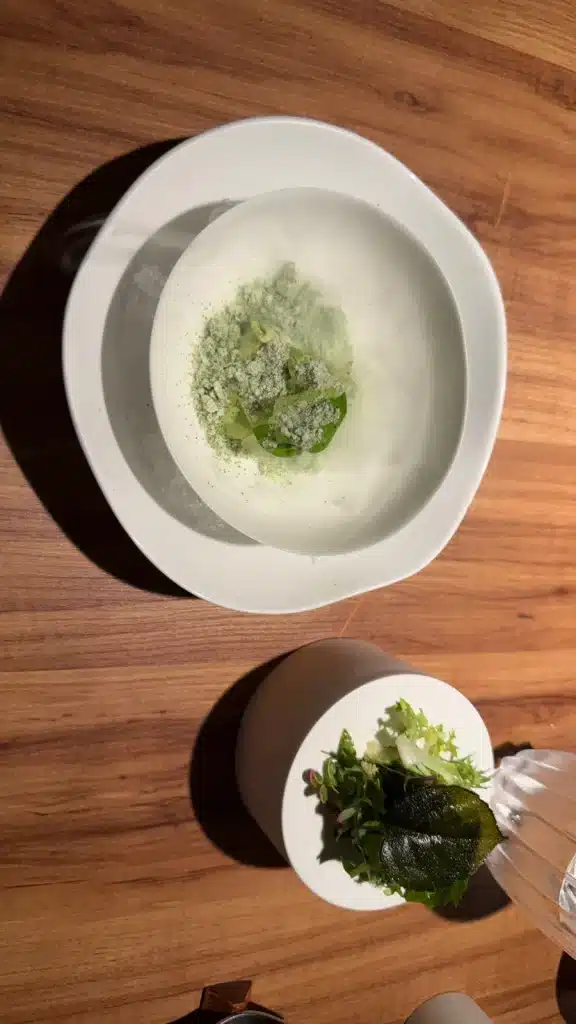
     Green course in a white bowl with a separate small plate of greens at Evvai in São Paulo
    A green tasting-menu course from my November 2025 visit.

    The scallop crisp pictured here is another example of how much there is to look at during the meal. The crisp itself is scallop-based, rather than simply a garnish beside a scallop.

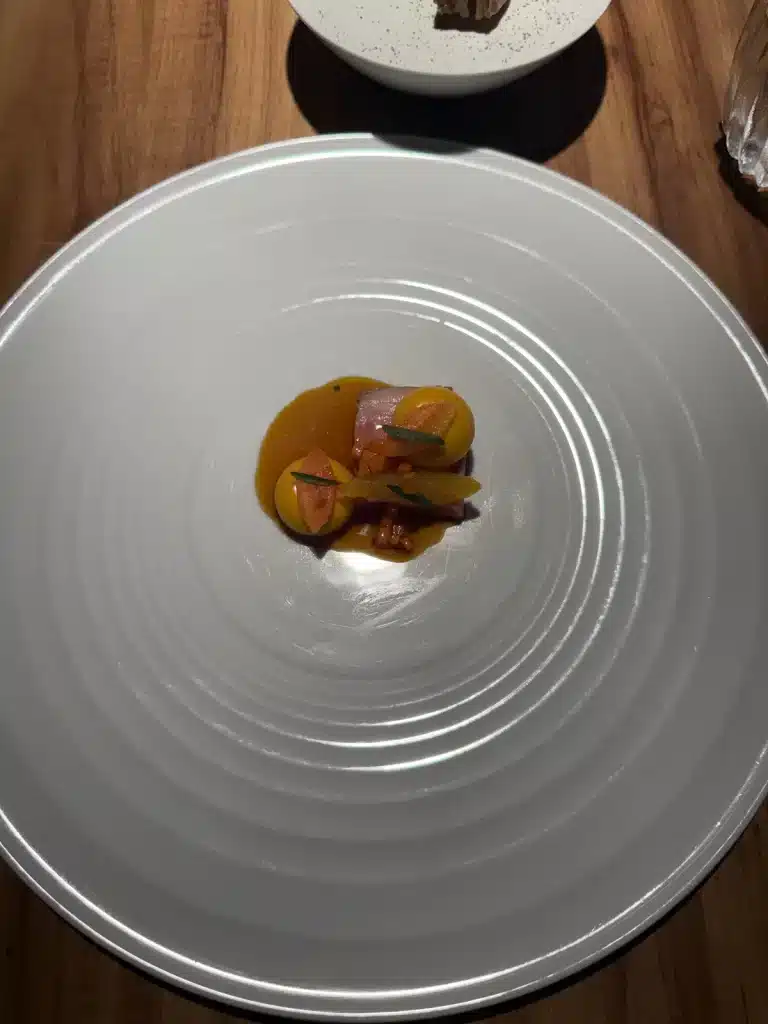
    Small plated savory course with orange sauce in a wide white bowl at Evvai in São Paulo
    A savory course with orange sauce, photographed during my November 2025 meal.
    Rectangular plated course in dark sauce with small pale garnishes at Evvai in São Paulo
    A plated course with dark sauce from my November 2025 meal.

    Desserts That Remember to Have Fun

    Popcorn and ice cream doesn’t sound like something you’d expect from one of the world’s best restaurants. Until it arrives.

    Finished with popping candy, every bite combines creamy sweetness, buttery popcorn, and the crackling sensation of Pop Rocks. It’s nostalgic, interactive, and impossible not to smile while eating it.

    That perfectly sums up my experience. Now recognized with three Michelin stars. World-class technique. Yet it never forgets that dining should be fun.

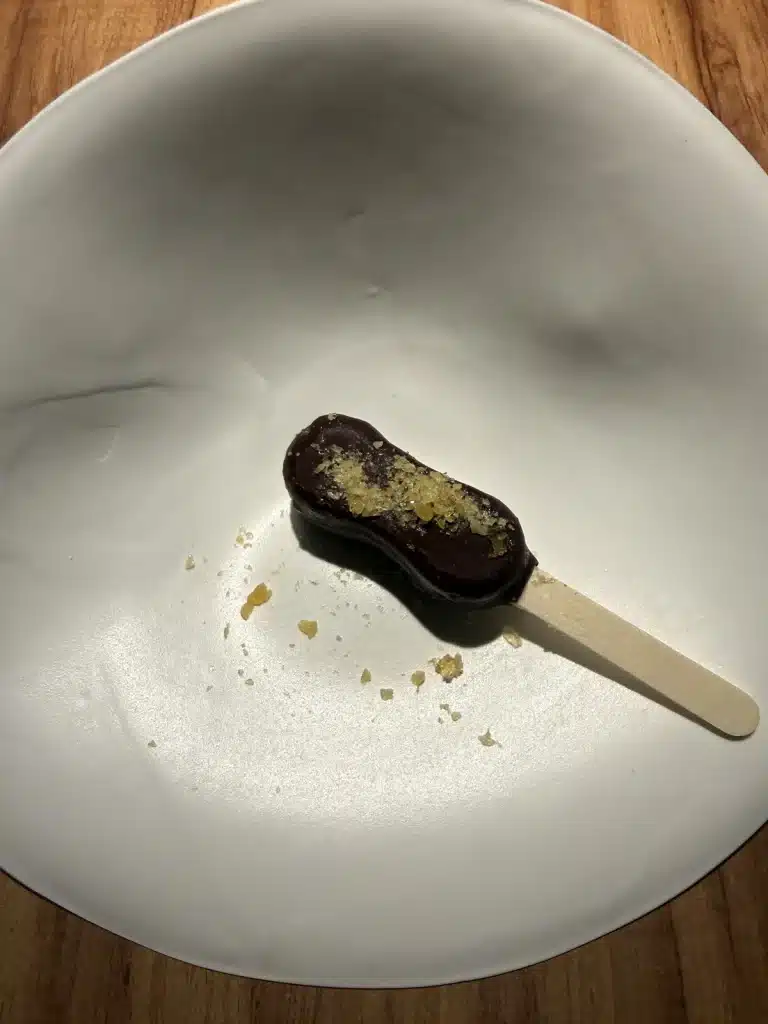
    Pop Rocks ice cream bar on a stick, served on a white plate at Evvai.
    The Pop Rocks ice cream bar during my tasting menu at Evvai.
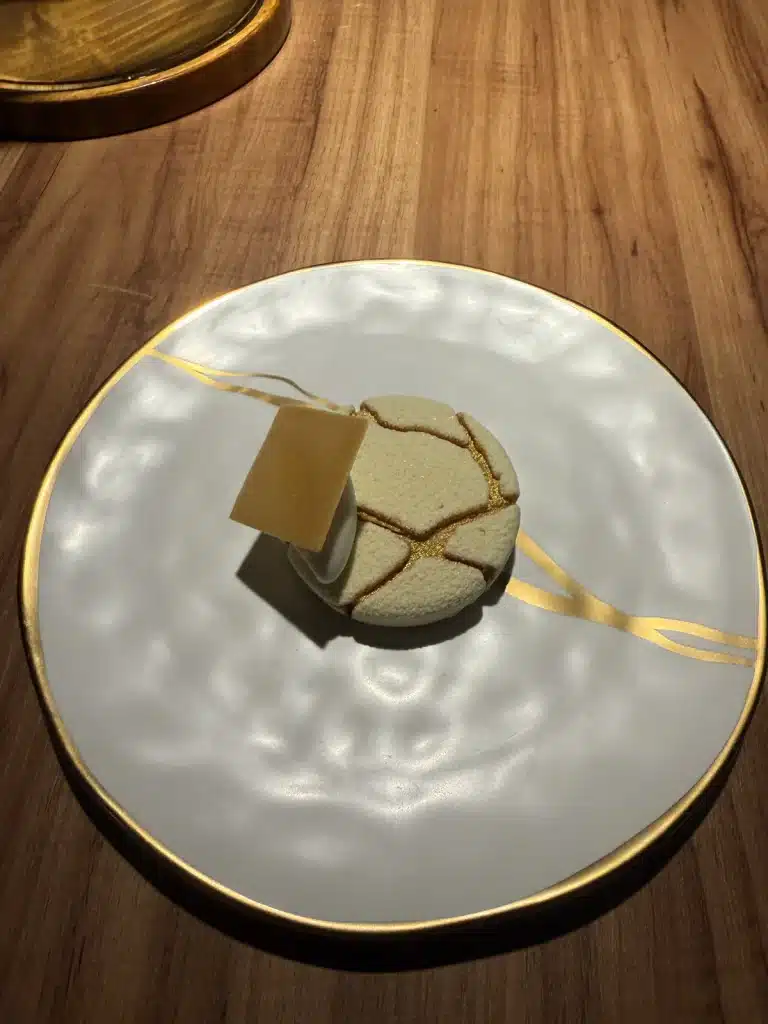
    Round decorated dessert with a thin square garnish at Evvai in São Paulo
    A decorated dessert from my November 2025 tasting menu.

    The frozen dessert pictured above is the Pop Rocks ice cream bar. That playful presentation belongs in this story just as much as the pasta, the caviar, and the technique. It is part of why I remember the experience so clearly.
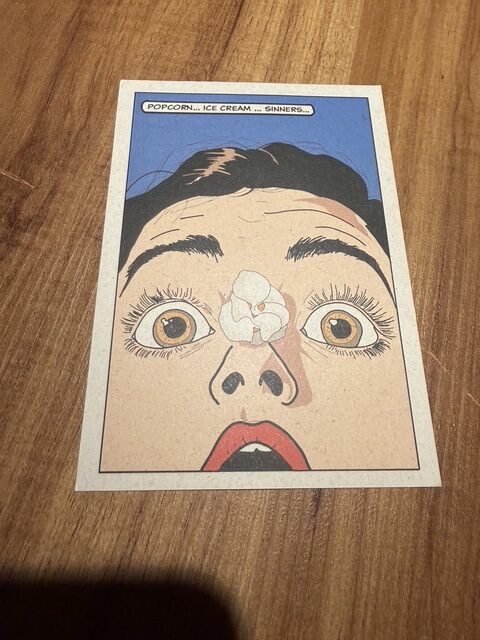
    Illustrated card introducing the popcorn ice cream dessert at Evvai São Paulo
    “Popcorn… Ice Cream… Sinners…”: even dessert has its own story.
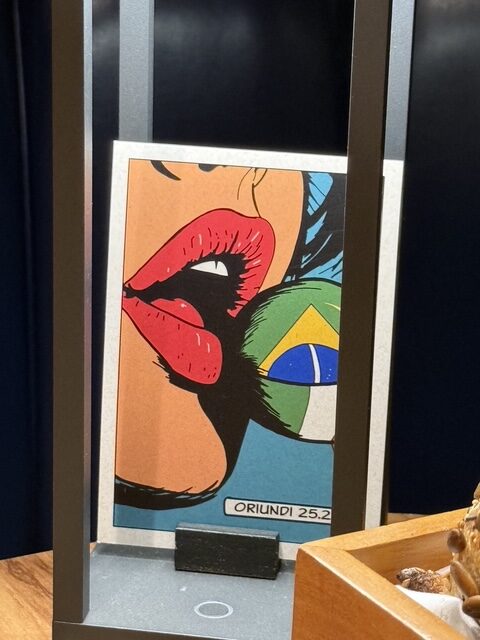
    Pop-art Oriundi 25.2 tasting-menu artwork displayed at Evvai São Paulo
    Oriundi 25.2 artwork: the visual storytelling begins before the first course.
    Every Course Tells a Story

    Every course begins before the plate ever reaches your table.

    The service team introduces each dish, explaining the ingredients, techniques, and inspiration behind Chef Luiz Filipe Souza’s vision. Their knowledge is remarkable, and they present every course with the same care and precision that went into creating it.

    Then the storytelling continues.

    Throughout the meal, you’re handed beautifully designed collectible cards inspired by vintage comic books and pop art. Each card corresponds to one of the courses you’ve just experienced.

    Some make you laugh before you’ve even taken the first bite.

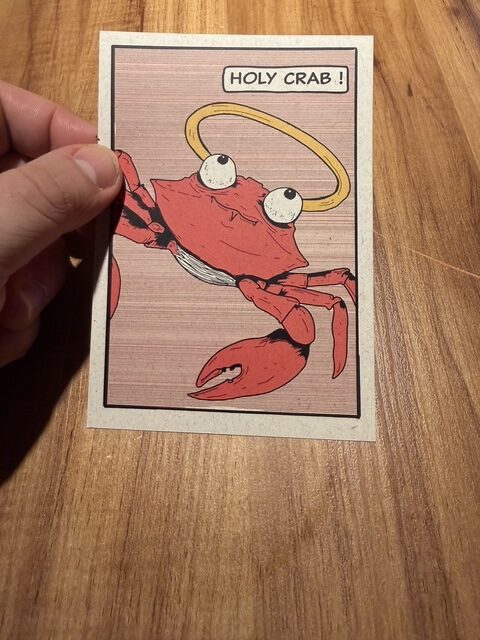
    A halo-wearing crab proclaims “Holy Crab!”

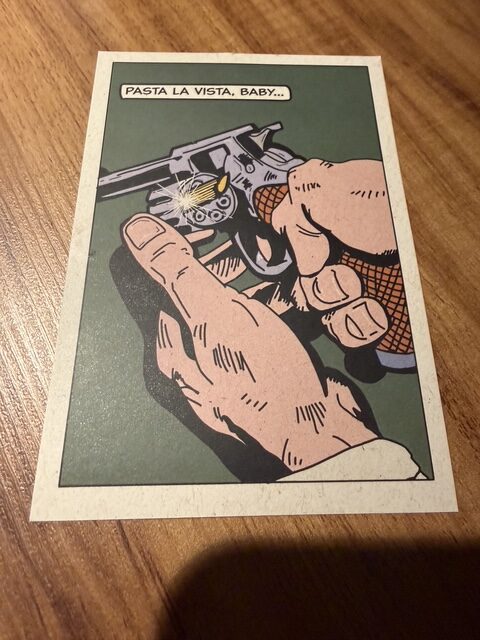
    A revolver loaded with pasta reads “Pasta La Vista, Baby…”

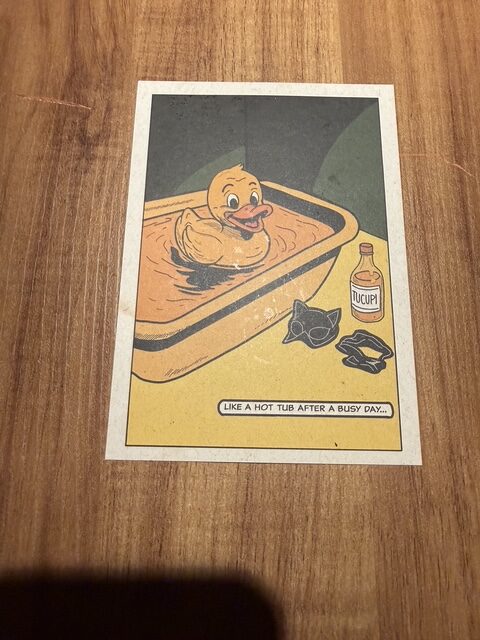
    A duck relaxing in tucupi jokes, “Like a Hot Tub After a Busy Day…”

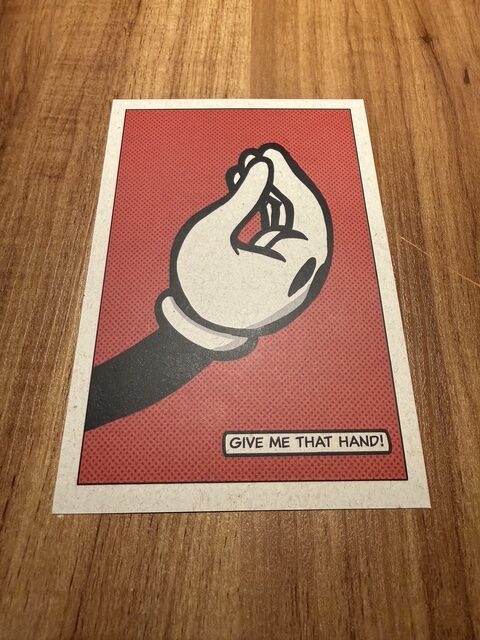
    Others challenge your expectations with “No Tongue, Really?!”, “Popcorn… Ice Cream… Sinners…”, and “Give Me That Hand!”

    Then you flip the card over.

    Instead of simply listing ingredients, Chef Luiz explains the thought process behind the dish, the techniques used, and the inspiration behind its creation.

    It’s one of the most thoughtful touches I’ve experienced in any restaurant. I still have every single card from every visit to Evvai. They’re more than souvenirs. They’re a collection of memories.

    Every time I flip through them, I remember not only the dish itself, but the conversations, the presentation, and exactly how I felt experiencing it.

    Most restaurants leave you with photographs. Evvai also gives me something I can hold onto and revisit long after dinner.

    Illustrated “Holy Crab” tasting-menu card featuring a red crab at Evvai São Paulo
    “Holy Crab!”: one of the cards I kept from the meal.
    Pop-art “Pasta La Vista, Baby” tasting-menu card presented at Evvai São Paulo
    “Pasta La Vista, Baby…”: pasta with a sense of humor.
    Illustrated duck and tucupi tasting-menu card presented at Evvai São Paulo
    A duck relaxing in tucupi: “Like a Hot Tub After a Busy Day…”
    Illustrated card for “The Elegant Gentleman, Dressed in White” moqueca course at Evvai São Paulo
    “The Elegant Gentleman, Dressed in White”: the illustrated introduction to white moqueca.
    Menu card for Evvai’s white moqueca with fish, squid and heart of palm
    Turn the card over and the explanation continues: white moqueca with fish, squid and heart of palm.
    Pop-art “No Tongue, Really?” tasting-menu card presented at Evvai São Paulo
    “No Tongue, Really?”: Evvai does not take its storytelling too seriously.
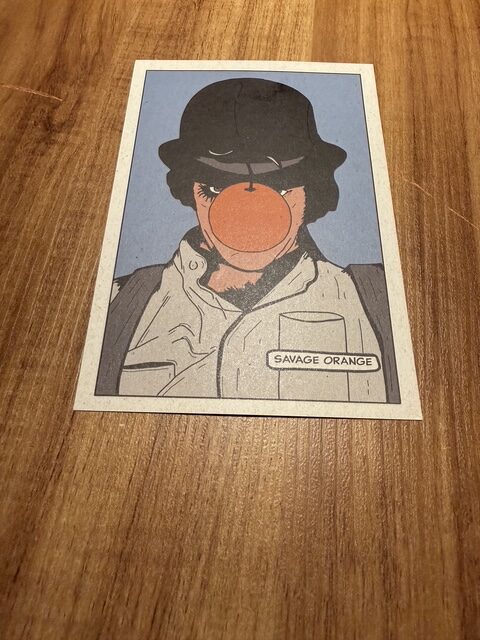
    Illustrated Savage Orange tasting-menu card presented at Evvai São Paulo
    The “Savage Orange” course card.
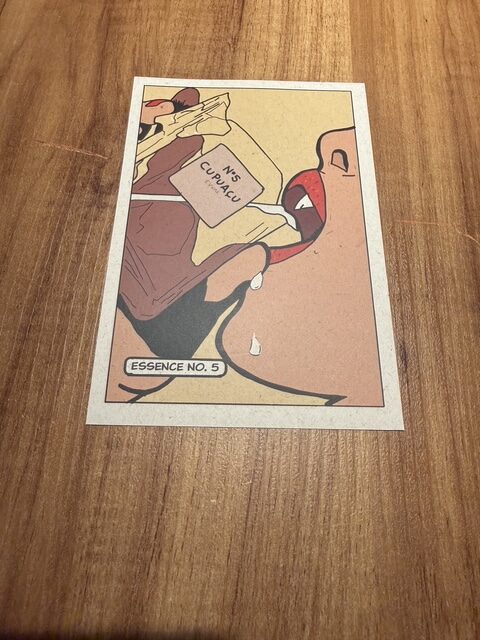
    Illustrated Essence No. 5 presentation card from the tasting menu at Evvai São Paulo
    The illustrated Essence No. 5 card.
    Pop-art “Give Me That Hand” tasting-menu card presented at Evvai São Paulo
    The “Give Me That Hand” illustrated card.

    Fine Dining Without the Pretension

    At some fine-dining restaurants, the formality can take over the evening. The room becomes silent. Guests whisper. Everyone seems afraid of making too much noise. While I appreciate that level of refinement, it can sometimes feel more like attending a ceremony than enjoying dinner.

    Evvai feels alive. Everything about the restaurant is polished, professional, and worthy of three Michelin stars. Yet it never feels intimidating. Guests laugh. Servers joke with the tables. Courses surprise you. The playful comic-book cards become conversation starters.

    An ice cream cone topped with caviar appears. A dessert crackles with Pop Rocks. The atmosphere is relaxed without ever sacrificing professionalism.

    That balance is incredibly difficult to achieve, and I honestly can’t think of another Michelin-starred restaurant that does it quite the same way.

    Chef Luiz Filipe Souza’s Leadership

    I believe that atmosphere starts with Chef Luiz Filipe Souza.

    His creativity is obvious in every dish, but what impressed me just as much was the culture he’s built inside the restaurant.

    One of my favorite moments at Evvai doesn’t happen at the table. It happens in the kitchen. Throughout service you’ll hear Chef Luiz, or whoever is leading the brigade that evening,calling commands. Instantly, the kitchen responds together with a loud, unified:

    “YES, CHEF!”

    It’s authentic. It’s disciplined. It’s organized. You can hear the respect the team has for one another and the pride they take in their craft. That passion extends beyond Chef Luiz himself.

    The pastry program is led by Bianca Mirabili, whose creativity perfectly complements the rest of the tasting menu. In 2025, she was recognized as Latin America’s Best Pastry Chef, an honor that feels completely deserved after experiencing her work.

    Together, they have built something incredibly special.

    The kitchen’s call-and-response has a military precision to it, but the experience at the table stays warm. The team explains what is arriving and why it matters. That combination of discipline and personality is a big part of what makes Evvai feel different to me.

    More Than Just a Restaurant

    Over time, Evvai has become much more than my favorite restaurant. It’s become one of those rare places that feels familiar every time I walk through the door.

    I make restaurant reservations all over the world whenever I think there’s even the slightest chance I can get away. Sometimes work wins, plans change, and I end up cancelling.

    But Evvai is different.

    When I started planning my return to São Paulo for Formula 1 in November 2026, there was one reservation I refused to leave to chance.

    Evvai.

    In fact, I confirmed my dinner reservation before I even purchased my Formula 1 ticket. That probably tells you everything you need to know. If Formula 1 were cancelled tomorrow…

    I’d still make the trip.

    That’s the highest compliment I can give any restaurant. The service is impeccable. The food is extraordinary. The storytelling is unlike anything I’ve experienced anywhere else. Most importantly, despite now standing among the very best restaurants in the world, it has never lost its personality.

    It remains warm. It remains welcoming. It remains creative. It remains fun.

    I’ve traveled thousands of miles chasing unforgettable meals and have been fortunate enough to experience some of the finest restaurants on the planet.

    Only one has ever made me say, without hesitation, that I’d book a flight just for dinner.

    That restaurant is Evvai.

    Planning Your Own Evvai Dinner

    The menus photographed here are from my previous visits, and that distinction matters. Part of the reason I return is that the cooking keeps changing. Go for the experience rather than expecting every dish in these photographs to appear in exactly the same form.

    Start with the restaurant’s official website for the current offering and reservation process. If you have dietary restrictions or a particular question about the meal, confirm it directly before booking.

    For more of my firsthand restaurant stories, explore Food & Drink. If you are building a trip around a meal, my travel page is a place to keep exploring. And if you have eaten at Evvai, I would love to hear which course stayed with you.

  • São Paulo Travel Story: My Life-Changing 2024 Trip

    São Paulo Travel Story: My Life-Changing 2024 Trip

    How the 2024 São Paulo Grand Prix Made Me Fall in Love with Travel

    How the 2024 São Paulo Grand Prix Made Me Fall in Love with Travel | Richard Jarock

    My São Paulo travel story

    For more than twenty years, my life revolved around one thing: the automotive business.

    Long hours. Endless weekends. Sales goals. Deliveries. Finance paperwork. It was a career I genuinely loved, but it didn’t leave much room for travel.

    Vacations weren’t really adventures.

    They were opportunities to recharge before going back to work.

    Travel was never something I obsessed over.

    It was simply something you did.

    Then Formula 1 entered my life.

    Working with Ferrari introduced me to an entirely different world. At first, I fell in love with the engineering. Then the history. Then the competition. Before long, every race weekend became must-watch television.

    Eventually watching wasn’t enough.

    I wanted to experience Formula 1 in person.

    That decision would eventually take me somewhere I never expected.

    São Paulo.

    I Thought I Was Going for Formula 1

    When I booked my trip to the 2024 Brazilian Grand Prix, I thought I knew exactly why I was going.

    Interlagos.

    The home of Ayrton Senna.

    One of Formula 1’s most historic circuits.

    The incredible Brazilian fans.

    That was the reason I bought the plane ticket.

    At least that’s what I told myself.

    Looking back, Formula 1 was only the beginning.

    I Had Something to Prove

    There was another reason I planned that trip so obsessively.

    I wanted to impress someone who lived in São Paulo. This is what started my São Paulo Travel Story

    That might sound strange.

    Most people visit a city and rely on the locals to show them around.

    I wanted to do the opposite.

    I wanted to arrive knowing the city well enough that I could contribute to the experience—not just follow someone else’s itinerary.

    Maybe I could even introduce them to a restaurant or cocktail bar they hadn’t discovered themselves.

    That became the challenge.

    Could someone living nearly 5,000 miles away learn another person’s city well enough to surprise them?

    So I started researching.

    Then I researched even more.

    Restaurant menus.

    Chef interviews.

    Google Maps.

    Neighborhoods.

    Cocktail bars.

    Luxury hotels.

    Food blogs.

    YouTube walking tours.

    Reddit threads.

    I translated menus written entirely in Portuguese just to understand what chefs were creating.

    I learned which neighborhoods had the best restaurants.

    Which cocktail bars were worth visiting.

    Which hotels truly justified their prices.

    I wasn’t building a vacation anymore.

    I was studying a city.

    Of course, I quickly learned something important.

    No matter how much research you do, you can never truly know a place until you’re standing in it.

    But the research gave me confidence.

    Instead of arriving completely unfamiliar with São Paulo, I landed feeling like I already knew its neighborhoods, its restaurants, and its rhythm.

    That completely changed the trip.

    More Than a Race

    Interlagos was everything I’d imagined.

    The noise.

    The atmosphere.

    The energy.

    The passion of Brazilian Formula 1 fans is unlike anything I’d experienced before.

    You could feel Ayrton Senna’s legacy everywhere.

    São Paulo Travel Story:  Visitors relaxing beside a vintage vehicle display in the Interlagos fan zone.
    The atmosphere beyond the grandstands at Interlagos, November 2, 2024.

    For one weekend, the entire city seemed connected by Formula 1.

    It was unforgettable.

    But what surprised me most wasn’t what happened inside the circuit.

    It was everything outside of it.

    The City That Changed My Perspective

    Like many Americans, I didn’t know much about São Paulo before arriving.

    I expected traffic and crime.

    Skyscrapers.

    A huge city.

    But my experience during my São Paulo Travel Story.

    What I found was one of the most exciting culinary destinations I’d ever experienced.

    Restaurants operating at an astonishing level.

    Cocktail bars that could compete with any city in the world.

    Neighborhoods that each felt completely different.

    Every day became another excuse to explore.

    One reservation turned into another recommendation.

    One cocktail bar led to another neighborhood.

    One conversation led to another unforgettable meal.

    The itinerary I’d spent months creating suddenly became secondary.

    The city was creating its own itinerary for me.

    I’ve since put together a guide to the São Paulo restaurants I’ve experienced.

    São Paulo Travel Story:
    Formula 1 followed me into the city: Méqui 1000, November 4, 2024.

    The People Changed Everything

    The restaurants were incredible.

    The cocktails were unforgettable.

    But the people are what made me fall in love with Brazil.

    Brazilians welcomed me in a way I hadn’t experienced anywhere else.

    Everyone seemed genuinely proud of their city and excited to share it.

    Hotel staff.

    Drivers.

    Servers.

    Bartenders.

    Chefs.

    Complete strangers.

    There was an openness that immediately made me feel comfortable.

    The culinary world surprised me even more.

    In cities like New York, it’s easy for celebrated chefs and mixologists to feel almost untouchable.

    People line up for months to eat their food.

    Social media turns them into celebrities.

    Sometimes there’s an invisible wall between the guest and the person creating the experience.

    São Paulo felt different.

    The chefs I met wanted to talk.

    The bartenders were genuinely curious.

    The mixologists explained why they built a cocktail a certain way.

    Nobody acted like they were above the people sitting at their tables.

    They were world-class professionals who still felt approachable.

    That made every meal feel personal.

    And honestly?

    São Paulo Travel Story: Pork and several side dishes arranged on the wooden counter at A Casa do Porco.
    A Casa do Porco, November 3, 2024: one of the meals beyond the race weekend.

    Some of the talent I experienced in São Paulo was every bit as impressive as anything I’ve found in New York.

    In some cases, even better.

    Not because they were trying harder.

    Because there was no ego attached to it.

    Just pride.

    Passion.

    Hospitality.

    That combination completely changed the way I look at restaurants today.

    Evvai is one of the clearest examples of why those details matter to me.

    Luxury Isn’t What I Thought It Was

    Brazil also changed my definition of luxury.

    Luxury isn’t simply paying the highest price.

    Luxury is attention to detail.

    It’s thoughtful hospitality.

    It’s a bartender remembering what you ordered yesterday.

    It’s a chef explaining why a dish matters.

    It’s a hotel that makes every interaction feel effortless.

    The most expensive experience isn’t always the best one.

    The most memorable usually comes down to the people.

    That lesson has stayed with me ever since.

    That lesson also shapes how I approach Formula 1 luxury travel today.

    The Research Never Stopped My São Paulo Travel Story

    When I came home, something had changed.

    I wasn’t looking at travel the same way anymore.

    Now every destination became a puzzle.

    Where should I stay?

    Which restaurants actually deserve the hype?

    Which cocktail bars are worth crossing a city for?

    Which neighborhoods should I spend an afternoon wandering?

    The research itself became part of the excitement.

    The trip no longer started at the airport.

    It started months earlier.

    Why This Website Exists

    Friends started asking for recommendations.

    Where should we stay?

    Which hotel is actually worth the money?

    Where should we eat?

    What shouldn’t we waste time on?

    I realized I’d already spent hundreds—eventually thousands—of hours researching destinations before every trip.

    Why not share it?

    That’s how this website was born.

    Not because I wanted to become a travel blogger.

    Because I wanted to help people experience cities the way I had learned to.

    Not through checklists.

    Not through influencers.

    Through curiosity.

    Through incredible meals.

    Through conversations.

    Through neighborhoods.

    Through the people who make every destination unique.

    My São Paulo travel guide brings together more of what I’ve discovered since that first trip.

    Looking Back

    When I booked a ticket to the 2024 São Paulo Grand Prix, I thought I was buying admission to a Formula 1 race.

    Instead, I discovered a city that completely changed how I travel.

    I arrived hoping to impress someone who already knew São Paulo.

    I left realizing I had only scratched the surface.

    I learned that great restaurants are about more than food.

    Great cocktail bars are about more than drinks.

    Luxury is about people.

    Hospitality is about connection.

    And travel isn’t about how many places you visit.

    It’s about how deeply you experience them.

    Formula 1 got me on the plane.

    São Paulo made me fall in love with travel.

    Everything I’ve built since—from the restaurants I visit to the hotels I book, the cocktail bars I seek out, and even this website—can be traced back to that one trip.

    The race lasted one weekend.

    The impact is still shaping every journey I take today.

    This is my São Paulo Travel Story

    Follow My Instagram

    São Paulo Travel Story, The skyline at night for Richard Jarocki’s The Trip That Changed Everything
    The trip to São Paulo that changed how I experienced food, culture and travel—and ultimately changed the direction of my life.