Tag: São Paulo

  • How I Plan a Formula 1 Weekend Around the Race—and Dinner

    How I Plan a Formula 1 Weekend Around the Race—and Dinner

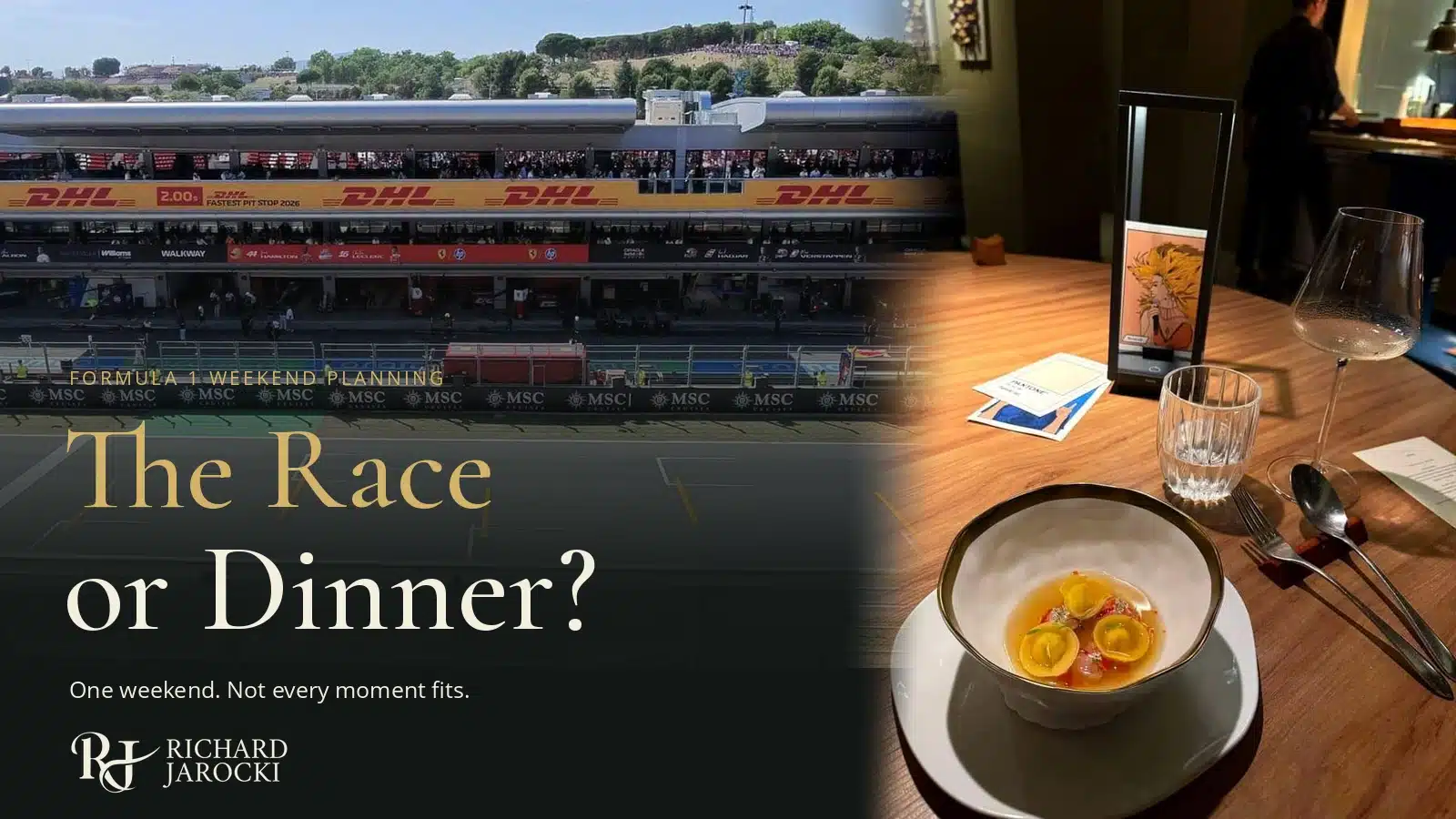
    Richard Jarocki’s Barcelona Formula 1 track photo beside a plated course at Evvai, with the headline “The Race or Dinner?”

    How I plan a Formula 1 weekend usually comes down to two things I refuse to treat as afterthoughts: the race and dinner. Getting both right takes a little more thought than putting a reservation underneath the race on a calendar.

    This year, I am planning to reserve Tan Tan for race night. My understanding is that 7:30 is the latest reservation time they offer, so that is the time I am working toward—not a confirmed booking yet. But what happens if the circuit gives me a reason to stay longer?

    Do you leave for the restaurant you have been looking forward to, or stay and accept that dinner might not happen?

    That is the part of Formula 1 travel I find interesting. You can research the transport, choose the hotel carefully, and allow time to get ready. You still have to decide what matters when two experiences compete for the same evening. Sometimes a simple race trip gets out of control for a very good reason.
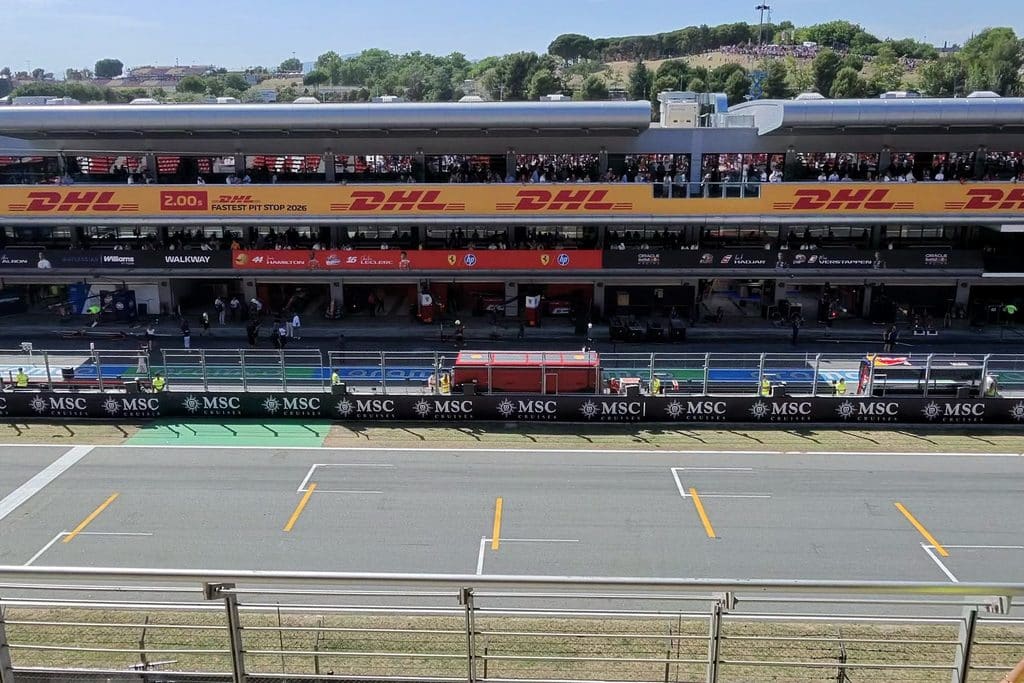
    Barcelona circuit main straight and pit buildings viewed from the grandstand
    The race anchors the weekend. Everything else has to fit around the time it really takes to enjoy it.

    The Plan Is Dinner at 7:30. The Moment May Never Happen Again.

    Imagine this: Kimi Antonelli wins the world championship in Brazil. This is a hypothetical, not a prediction or a claim about the championship standings. You are there, the atmosphere changes, and you have the chance to stay for the celebrations. If officials permit spectators onto the track, you might be able to be part of that too.

    Meanwhile, the Tan Tan reservation I am planning would be for 7:30. A restaurant booking and a championship celebration do not necessarily fit into the same evening, however much I want them to.

    Now the decision is much bigger than whether the car gets back quickly enough. You are choosing between a meal you deliberately built into the trip and a moment you could not have booked at any price. Leaving might mean missing something extraordinary. Staying might mean giving up a restaurant you cannot simply visit tomorrow.

    I do not think there is a neat answer that works for every race, every restaurant, or every person. That is why I want to ask the question before the weekend, rather than pretend the itinerary can guarantee both.

    What am I actually giving up?

    A dinner I can reasonably rebook is different from the one available table at a restaurant I have wanted to visit for years. Equally, lingering after an ordinary afternoon is different from being there when a driver wins a world championship. I would want to be honest about the specific experience on each side, not reduce it to “race versus food.”

    Is dinner prepaid? Is there a cancellation fee, or someone waiting for me? A choice that feels right can still carry a real loss.

    Stay in touch, rather than assume the table will wait

    If I am running late, my plan is to stay in touch with Tan Tan, explain what is happening, and hope they can accommodate me. That would be a favor, not something I am entitled to. Before booking, I will check the actual arrival and cancellation terms; sending a message does not extend any grace period. I would still need to respect their booking terms and accept it if the table could no longer be held.

    Spectators were permitted onto the track at Interlagos in 2025. That makes the possibility feel real to me, but it does not guarantee access this year. I would follow the event’s instructions and only enter if officials permit it.

    What I would actually tell the restaurant

    I would keep the message practical: I have a reservation, I am delayed leaving the circuit, and I want to know whether arriving later is still possible. If I have a realistic estimate, I can share it. If traffic is not moving, I would rather say that than promise an arrival time I cannot support.

    Then I need to listen to the answer. They may have another seating, a full bar, or a kitchen that cannot accommodate the change. Keeping them informed is basic consideration; it is not a way to negotiate an unlimited hold on a table.

    If they can still take me, I would confirm what we have agreed and keep them updated if that changes. If they cannot, I can thank them, deal with any applicable booking terms, and make another plan. The restaurant should not have to guess whether I am coming.

    I am not making two dinner reservations just in case

    If Tan Tan cannot accommodate me, I will have to figure it out. That might mean trying somewhere else and waiting for a table. It might mean changing the kind of dinner I had in mind altogether. A walk-in alternative is a possibility, not a guaranteed backup.

    What I do not want to do is make a second reservation while keeping the first one, just so I have options. That ties up two tables when I only intend to use one. I would rather accept some uncertainty than make my evening easier at the expense of a restaurant or another diner.

    The question is which choice I would regret more afterward. Not which one makes the original itinerary look successful. I can leave room for the answer to change when the moment actually arrives.

    How I Plan a Formula 1 Weekend: Decide What Cannot Move

    Before booking, I want to identify where that kind of choice could appear. What would I be genuinely disappointed to miss, and which two experiences might compete?

    On a Grand Prix trip, the race is an obvious answer. But the restaurant that made me excited about the city might be another. I want to see whether those two priorities can coexist before I add the rest. If they cannot, I want to know that I am taking a risk. A famous cocktail bar, a neighborhood walk, and an interesting lunch can all be worthwhile without every one of them becoming a fixed commitment.

    I would start by checking the official weekend schedule for the event I am attending, then looking at restaurant availability across the whole stay. I do not want to choose a dinner night simply because it is the first slot the booking page offers. I want to know what that slot would ask of the rest of the day.

    I have written separately about choosing Formula 1 grandstand seats. Here, I am assuming the circuit experience matters enough to protect. I do not want the dinner plan quietly making that decision for me without acknowledging the tradeoff.

    The Best Meal Deserves More Than the Only Empty Slot

    My first instinct is often to add the restaurant. The more useful second question is whether I will actually enjoy it on that particular night.

    A long tasting menu asks something of you. You want an appetite, some energy, and enough attention to notice what is happening. When a meal matters to me, I would rather give it a clear evening than arrive with half my attention still caught in the journey back from the track.

    That is why I would consider a non-track evening for the hardest-to-get or most anticipated reservation. Depending on the trip, that could mean arriving earlier or staying longer. It only makes sense if the extra time and expense work; adding another hotel night to justify a dinner is exactly the kind of logic that explains this website.

    Barcelona is a good example of why I care. Mont Bar was my favorite meal of that trip, even with some serious competition. I also went to Disfrutar. Those experiences deserve their own attention, rather than becoming accomplishments to tick off between race sessions.

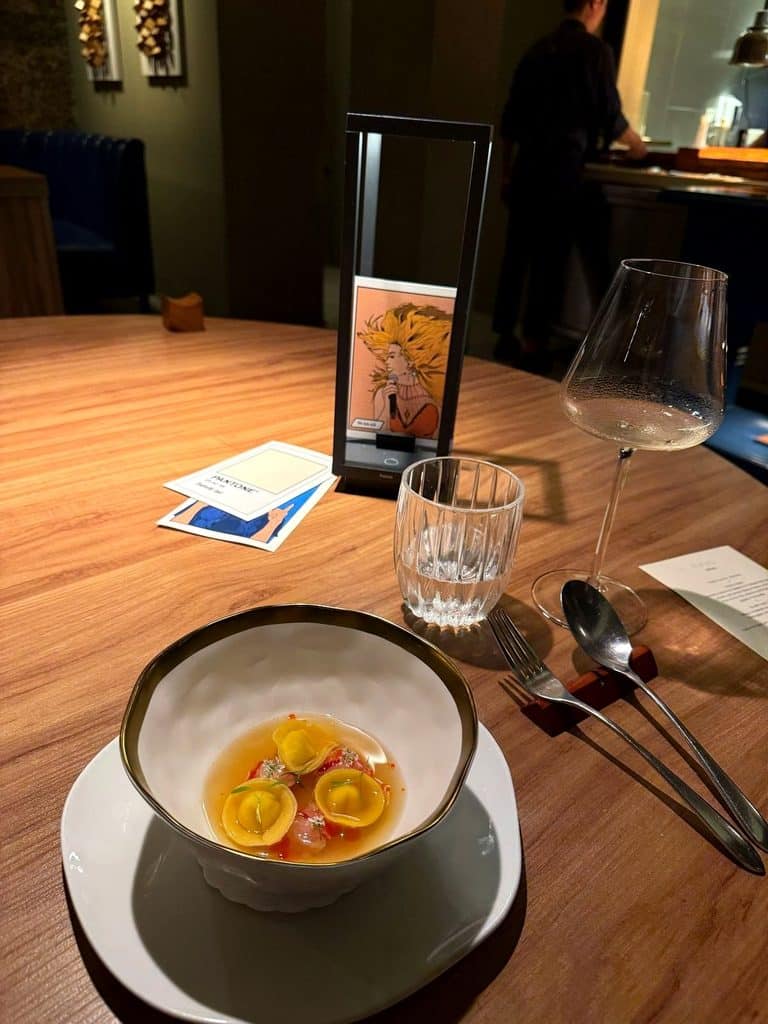
    In São Paulo, Evvai is my favorite restaurant in the world. That does not mean every night should be an Evvai-sized commitment. It means I want to protect the night that is. A more flexible dinner on another evening can help make the important one better.
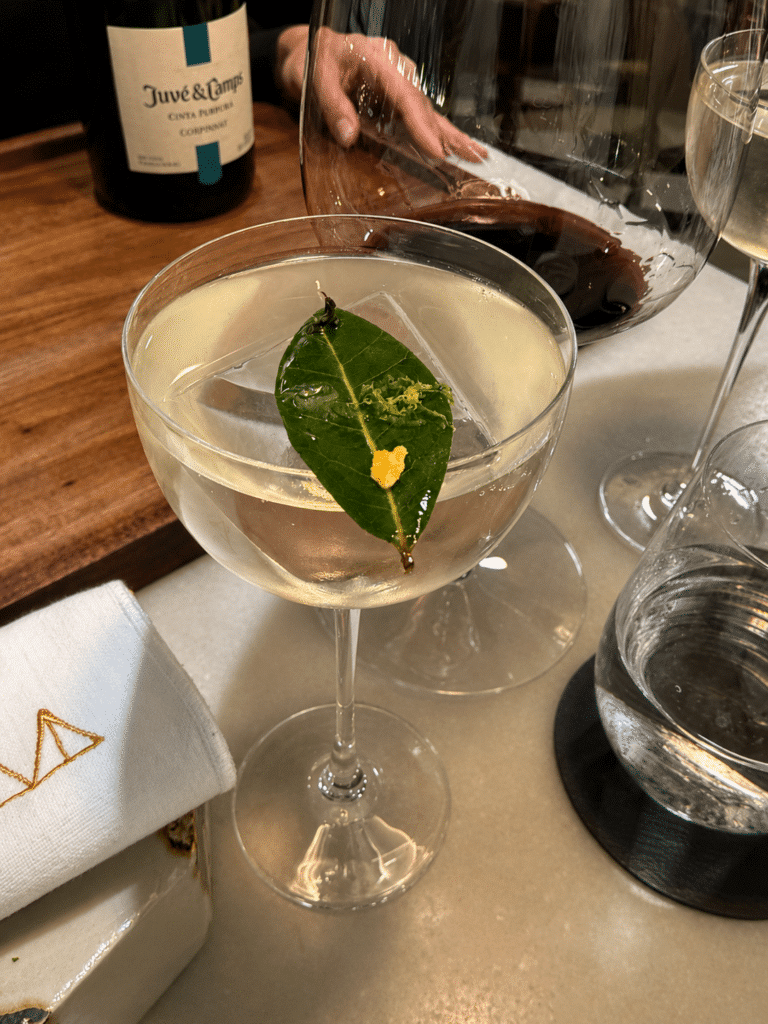
    Gin, bay leaf, lime and smoked black tea drink at Mont Bar in Barcelona
    Mont Bar: a meal I want time to enjoy, rather than another appointment to reach.
    Evvai tasting-menu course with an illustrated story card in São Paulo
    Evvai gives me a reason to leave a proper evening for dinner in São Paulo.

    I am not saying a good restaurant cannot work after the race. I am saying that “available” and “a good fit for the day” are different questions. If the reservation only works when everything else runs perfectly, I would look for another night. If there is no other night, I need to decide whether the possibility of missing dinner is worth accepting.

    Work Backward From Dinner, Without Planning Backward From Wishful Thinking

    Once I have a possible reservation, I would work backward: restaurant arrival, travel from the hotel, time to get ready, the return from the circuit, and getting out of the venue in the first place. Every part belongs in the plan.

    My own preference is about an hour at the hotel to get ready after the track. I want a shower, clean clothes, and enough time to feel like I am starting the evening rather than continuing the afternoon. That hour is easy to leave out when the calendar only shows the race and dinner.

    The drive back is another piece that deserves honesty. A normal map estimate can be useful for understanding distance, but I would not treat it as a promise for the end of a Grand Prix. Walking out, reaching the pickup point, finding the driver, and joining the traffic all sit between the grandstand and the hotel.

    Then there is the second journey, from the hotel to the restaurant. Staying somewhere that suits the city part of the trip can make that easier. I stayed at Sir Victor in Barcelona, and the hotel was part of the broader experience, not simply somewhere to sleep between track days.
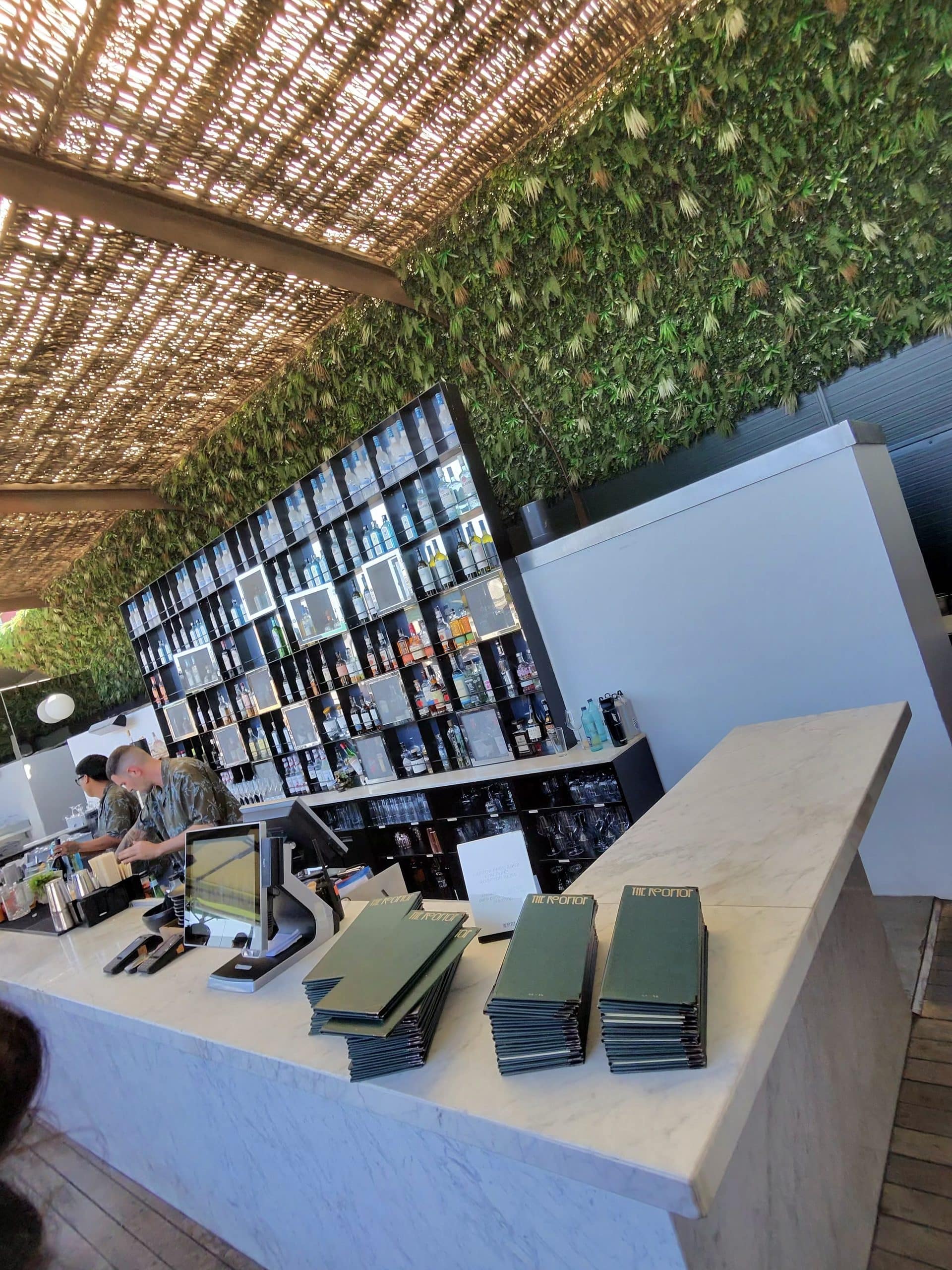
    Rooftop bar at Sir Victor in Barcelona
    A hotel belongs in the evening plan too, including time to get ready before going out.

    The test is straightforward: after allowing for the parts I know I want, is there still a comfortable margin? If the only way to make the reservation is to erase the hotel reset or assume a frictionless departure, I need to recognize the risk. With a plan like Tan Tan, that means accepting I may need to call, wait, or find something else—not pretending a second reservation solves it.

    São Paulo Made Me Take the Journey Back Seriously

    After the 2025 São Paulo Grand Prix, traffic was at a standstill. That experience belongs in my planning much more than a hopeful estimate of how quickly the trip ought to take.

    For that journey, I prefer the comfort of a prearranged Rhino ride and air conditioning over squeezing onto a packed subway. That is my preference, not a claim that a car is always faster or that everyone should make the same choice. Being comfortable while waiting and avoiding the wait are two different things.

    I recommend Rhino based on my experience with its armored cars and professional drivers. I have also had good experiences with Uber Black in São Paulo. The important point for this post is that choosing a service I like does not give me permission to make an unrealistic dinner reservation.

    I would check the pickup arrangements for the specific event, confirm where I need to meet the driver, and keep the restaurant plan realistic even after arranging the car. The detailed city and circuit advice belongs in my São Paulo Grand Prix travel guide; the lesson here is about what I book afterward.
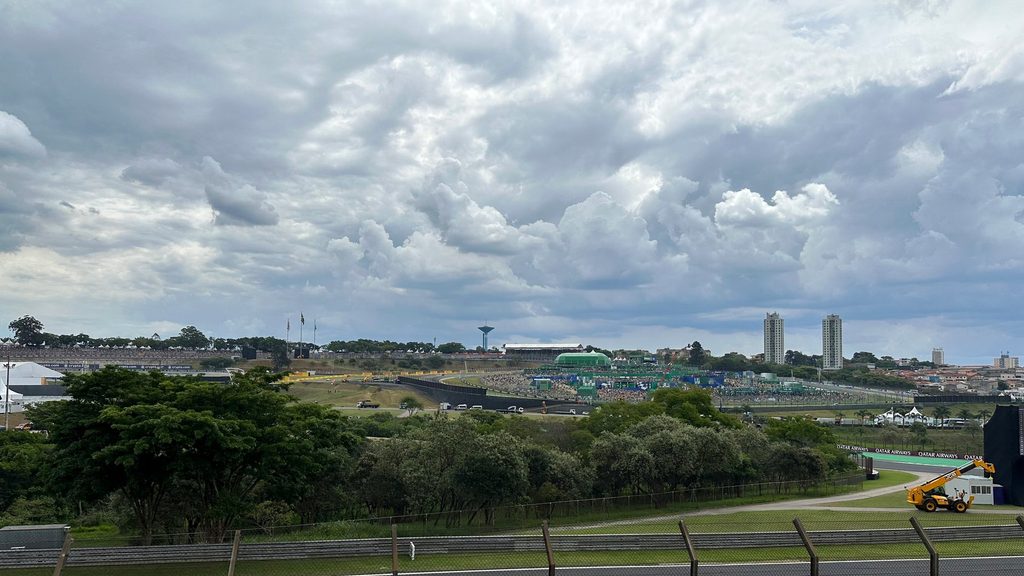
    Interlagos circuit seen during the 2024 São Paulo Grand Prix
    Interlagos: leaving the circuit is part of the day, not an instant jump back into the city.

    A restaurant cannot control the circuit exit, and the driver cannot make my preferred reservation time more sensible. That part is on me.

    What a Realistic Race Day Would Look Like

    I find a sequence more useful than a pretend-perfect timetable. This is a planning example, not a record of a particular day or a promise about how long an event will take.

    Before the circuit: Keep the morning simple

    I would leave room for breakfast and the journey without adding a destination brunch or a sightseeing stop that introduces another deadline. There will be plenty happening at the track. The morning does not need to prove that I am making the most of every minute.

    At the circuit: Be there for the experience

    I want to enjoy the racing without mentally leaving early for dinner. The time commitment includes getting in and out, not just the sessions themselves. I would also keep an eye on what I need for the conditions, rather than assume that feeling fine when I leave the hotel means I will feel the same later.

    After the circuit: Get back, then reset

    The departure comes first. Then the ride, the hotel, and time to get ready. This is the stretch I would leave deliberately loose. A delay here should use some margin, not immediately put a special dinner at risk.

    For dinner: Choose an evening that can stand on its own

    If the timing genuinely supports a reservation, great. Otherwise, I would choose a less demanding plan with realistic availability, checking hours and booking requirements rather than assuming somewhere will take me. Casual does not have to mean disappointing, and a shorter dinner does not have to be a consolation prize.

    After dinner: Let the extra stop stay extra

    A cocktail can be a great finish. It does not need to become compulsory. I love a good bar, but adding a second reservation simply because there is space on the screen can turn a satisfying day into a very long one.

    What I Would Move—and What I Might Have to Give Up

    When a plan feels crowded, removing an extra bar or a cross-town detour is easy compared with the 7:30 decision. Those smaller choices are still worth making. They leave more energy for the things I care about and fewer unnecessary deadlines.

    But I do not want to pretend every conflict can be fixed by becoming more organized. Sometimes the restaurant has one opening. Sometimes the circuit gives you a reason to stay. Sometimes you have done the planning properly and still have to choose.

    That is where checking booking terms, discussing the plan with anyone joining me, and knowing my alternatives helps. It does not make the decision for me. It makes the consequences clearer.

    I would rather make a conscious choice and accept the cost than spend the whole evening resenting whichever experience I chose. There may be another visit. There may not be another version of that particular race day.

    The Better Choice Depends on Why I Wanted Both Experiences

    Before deciding to leave the circuit, I would ask what staying adds. Am I waiting around because I cannot quite bring myself to leave, or is something happening that makes the extra time meaningful? Those are different reasons, and I do not want the fear of missing out to make every decision.

    I would ask the same question about dinner. Is this a meal I genuinely care about, or am I attached to the reservation because it took effort to get? Researching and booking something can make it feel more important than it will actually be. The point is to enjoy the evening, not protect the work I put into the calendar.

    That still leaves room for choosing dinner. Leaving the circuit does not mean I care less about Formula 1. Staying does not mean I suddenly care less about restaurants. It means that on this particular day, with these particular choices, one experience mattered more.

    If I am sharing the evening with someone, their expectations matter too. I would want that conversation before we reach the point of choosing. An itinerary is easier to change when everyone understands what was firm, what was hopeful, and what might depend on the race.

    Leave Something of the City Unscheduled

    I like researching trips. I like finding the place that makes the planning feel worthwhile. But I also want time to walk, look around, and follow an interesting street without checking whether I am now behind.

    My Barcelona travel guide covers more of the city beyond the circuit. A race weekend can lead into that wider trip, but it needs some room to happen. Booking every lunch and evening in advance would leave very little space for the discoveries I enjoy most.
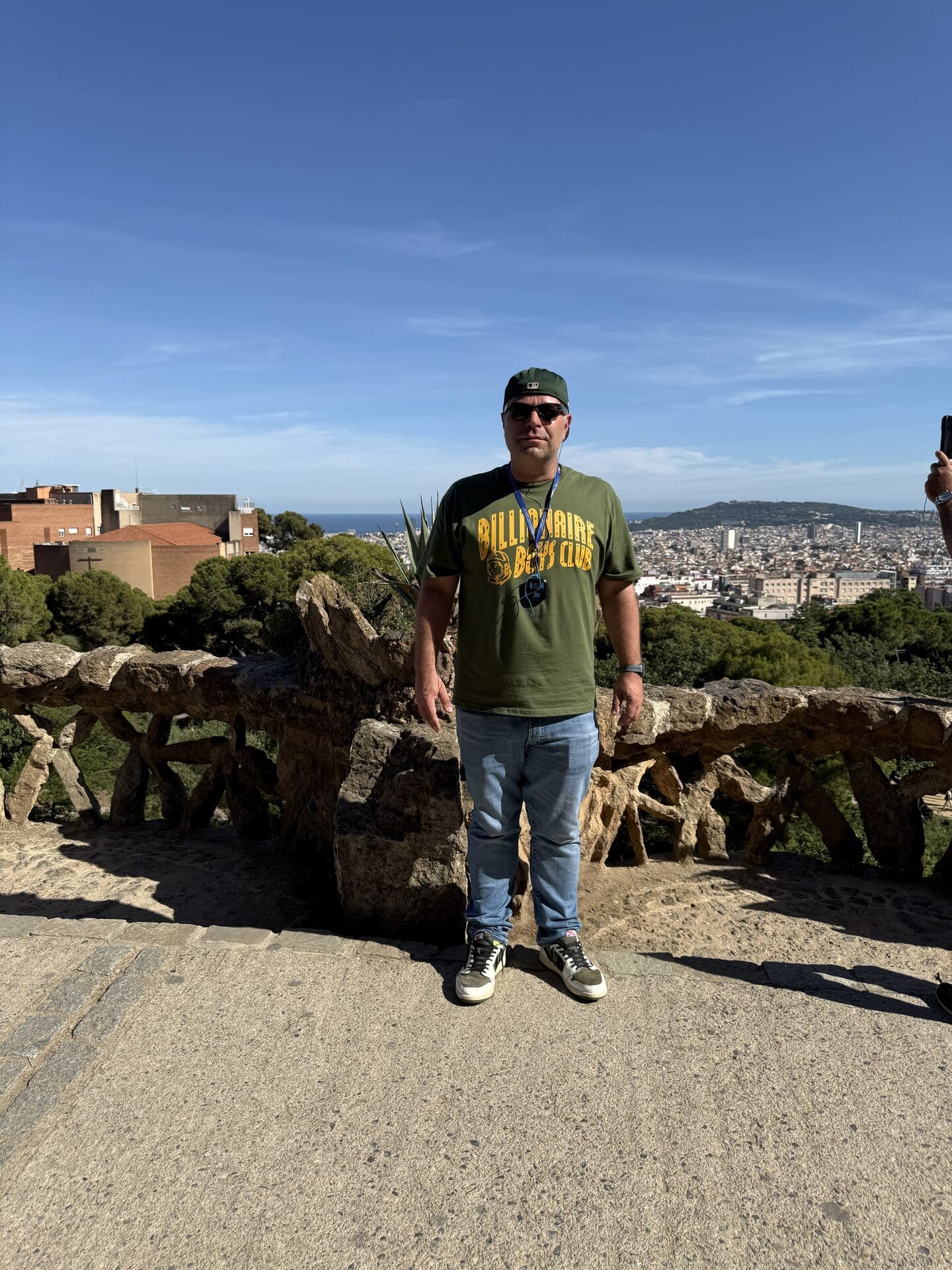
    Richard Jarocki at Park Güell in Barcelona
    There should still be time to see the city that brought the whole trip together.

    That is the balance I want from Formula 1 travel: enough planning to protect the race and the meals that matter, with enough freedom to enjoy the place around them. The reward for doing the work beforehand should be less clock-watching once I am there.

    The weekend can still get a little out of control. If it does, I want to know the difference between a bad plan and a moment worth changing a good plan for.

    Worth the effort. Usually.
  • Why Evvai Is My Favorite Restaurant in the World

    Why Evvai Is My Favorite Restaurant in the World

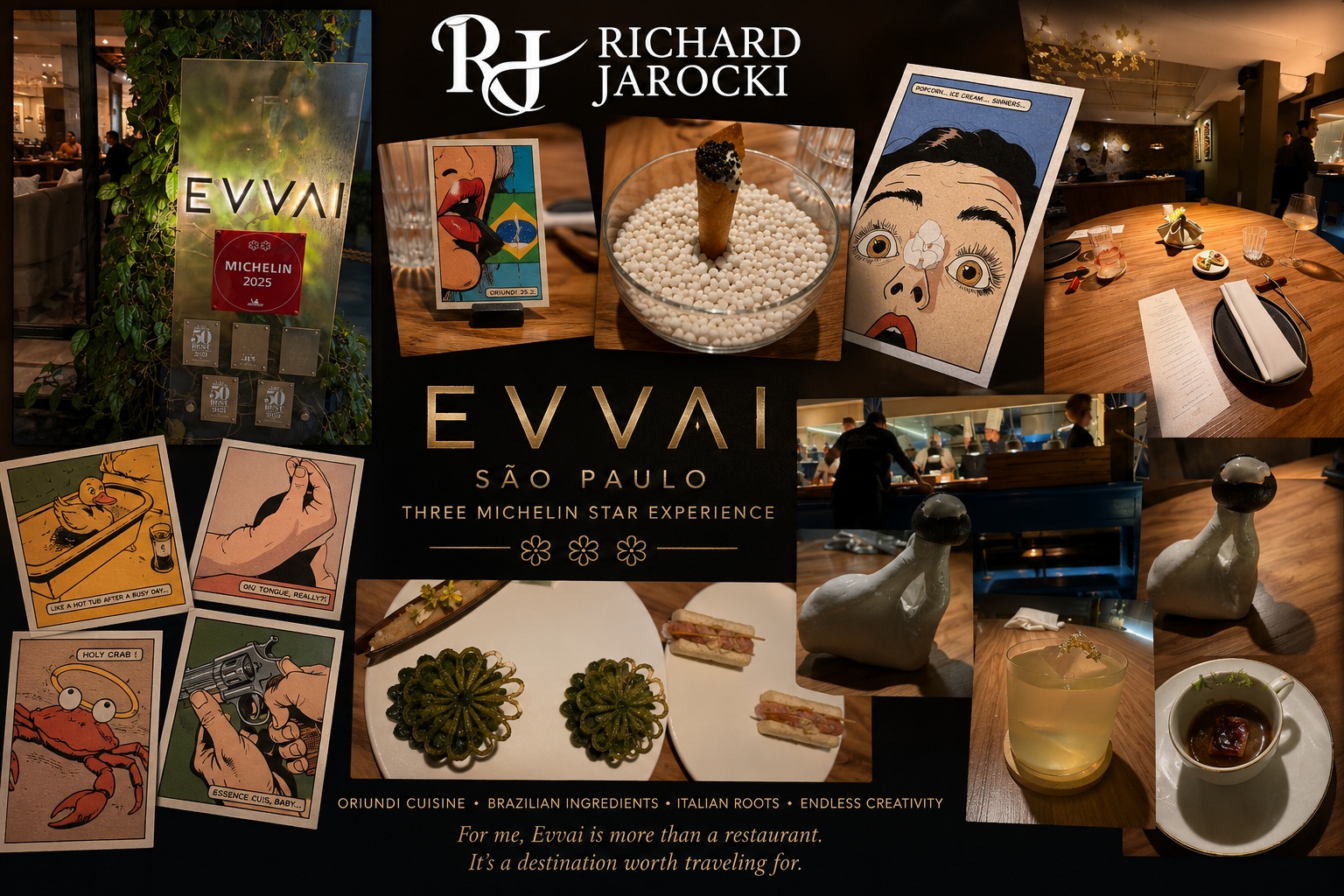
    Collage featuring Evvai, the three Michelin-starred restaurant in São Paulo, showcasing the restaurant entrance, tasting menu, signature dishes, collectible comic-style course cards, cocktails, the open kitchen, and Richard Jarocki branding.

    People often ask me what my favorite restaurant in the world is. Considering how much I travel for food, it’s a fair question. I’ve been fortunate enough to dine at Michelin-starred restaurants, experience many of the World’s 50 Best Restaurants, and eat my way through some of the greatest culinary destinations on earth.

    My answer never changes: Evvai in São Paulo.

    This restaurant is one of the biggest reasons I look forward to returning to the city. The food matters, of course. But so do the explanations, the illustrated course cards I still keep, the disciplined kitchen, and the fact that a meal this carefully put together can still be so much fun.

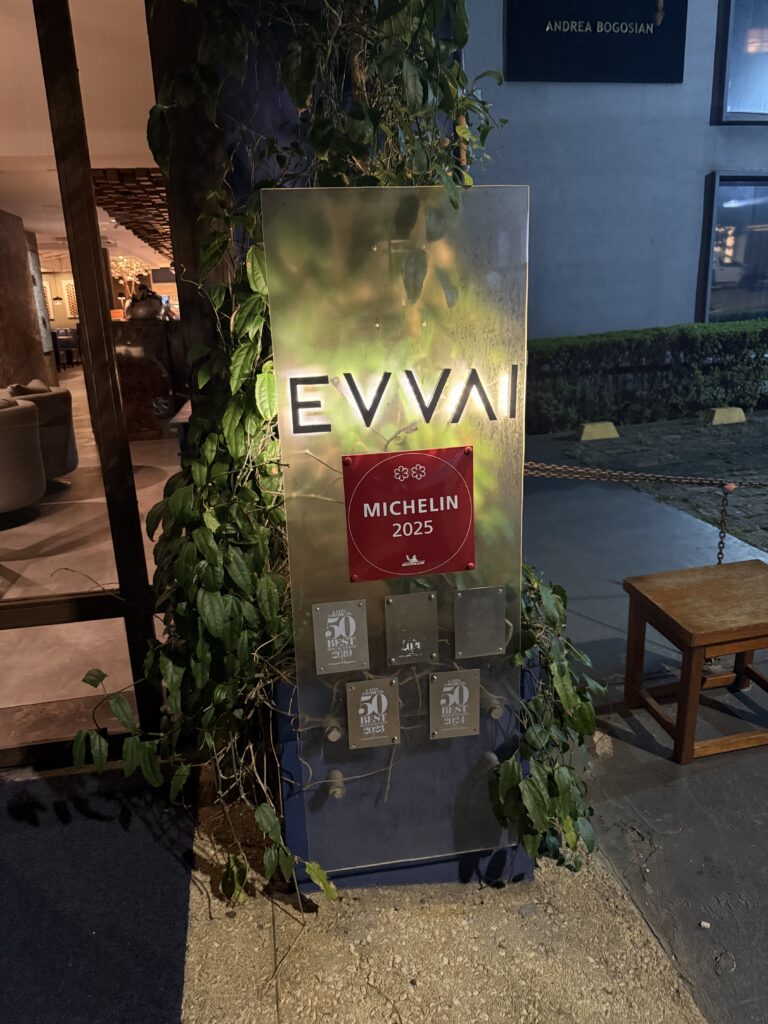
    Entrance sign at Evvai, a three-Michelin-starred restaurant in São Paulo, Brazil
    Evvai in São Paulo. It is one of the biggest reasons I look forward to returning to the city.
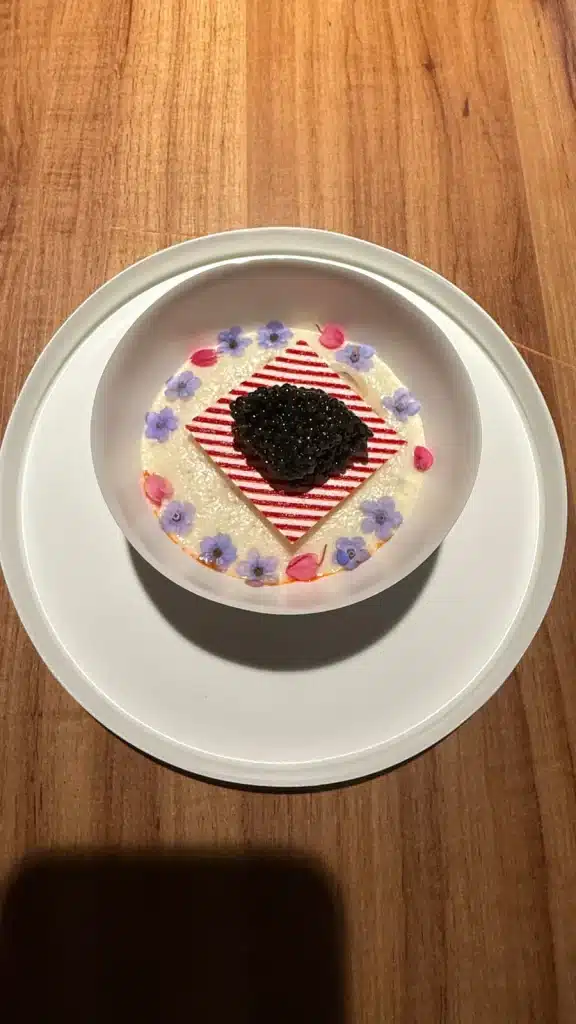
    Caviar on a red-and-white striped centerpiece surrounded by colorful details at Evvai in São Paulo
    A caviar-topped course from my November 2025 meal at Evvai.

    More Than Italian. More Than Brazilian.

    Chef Luiz Filipe Souza describes Evvai’s cuisine as Oriundi, a philosophy inspired by the Italian immigrants who helped shape Brazil’s culinary identity.

    It’s not Italian. It’s not Brazilian. It’s both.

    Throughout the tasting menu, classic Italian techniques meet ingredients native to Brazil. Jambu, tucupi, cupuaçu, priprioca, native honeys, heart of palm, Amazonian fish, and regional fruits become the foundation for dishes that feel both familiar and completely new.

    Nothing is included simply because it’s unusual. Every ingredient has a purpose. Every course tells a story.

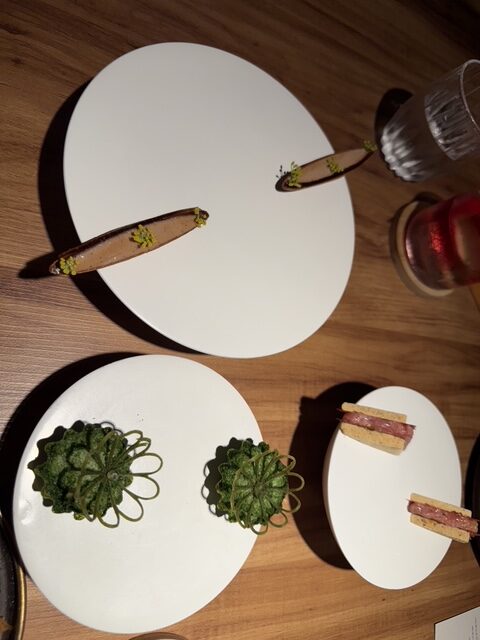
    Selection of artistic opening bites served during the tasting menu at Evvai São Paulo
    Opening bites from an earlier Evvai tasting menu.
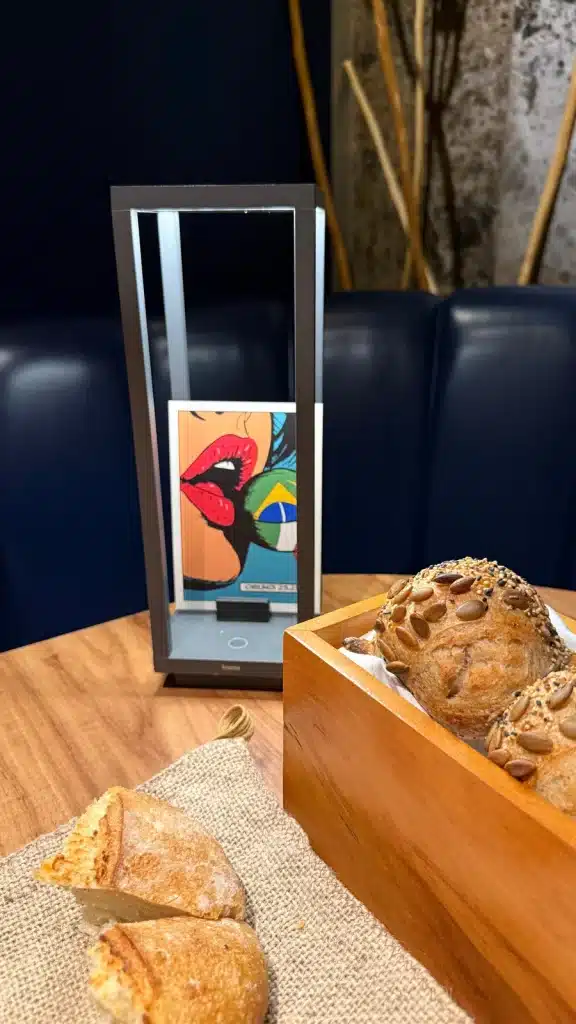
    Bread selection beside a wooden serving box at Evvai in São Paulo
    Bread service during my November 2025 tasting menu.

    A Menu That Never Stops Evolving

    One of the reasons I continue returning is because no two meals have ever been alike.

    Chef Luiz isn’t interested in creating a menu that stays the same year after year. Every visit brings new ideas, new ingredients, and new interpretations while remaining unmistakably Evvai.

    I’ve compared the menus and collectible cards from each visit, and it’s remarkable how much they evolve.

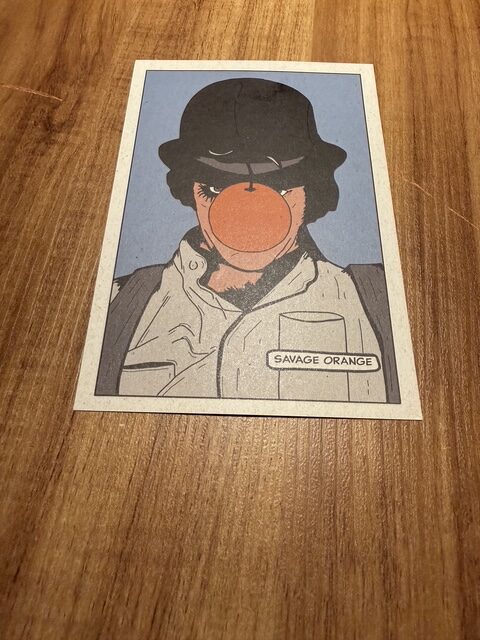
    One visit introduced me to King Crab with fresh coconut and caviar, White Moqueca with squid and heart of palm, Duck Tortellini with eel and tucupi, Wild Boar with savage orange, Tongue with oxtail and priprioca, and the unforgettable Popcorn and Ice Cream dessert.

    Another visit featured Bluefin Tuna with wagyu bresaola, Cod Tortellini, Fish of the Day with moqueca, Lamb with fregola, Green Corn with Oscietra caviar, Rebel Tiramisu, and a choice between Xinxim Chicken or Japanese A5 Wagyu.

    The philosophy never changes. The creativity never stops. Every return feels like discovering Evvai all over again.

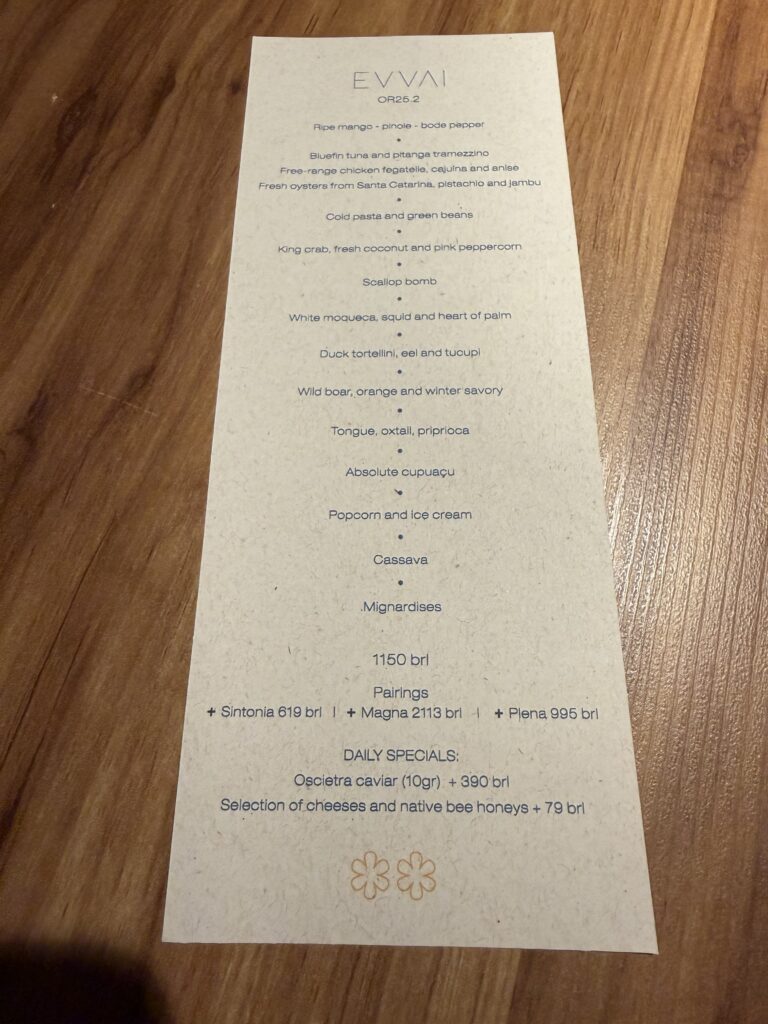
    Evvai ORI25.2 tasting menu featuring Brazilian seafood, pasta, wild boar and desserts
    The ORI25.2 menu from a previous visit. This is a keepsake, not the current menu.
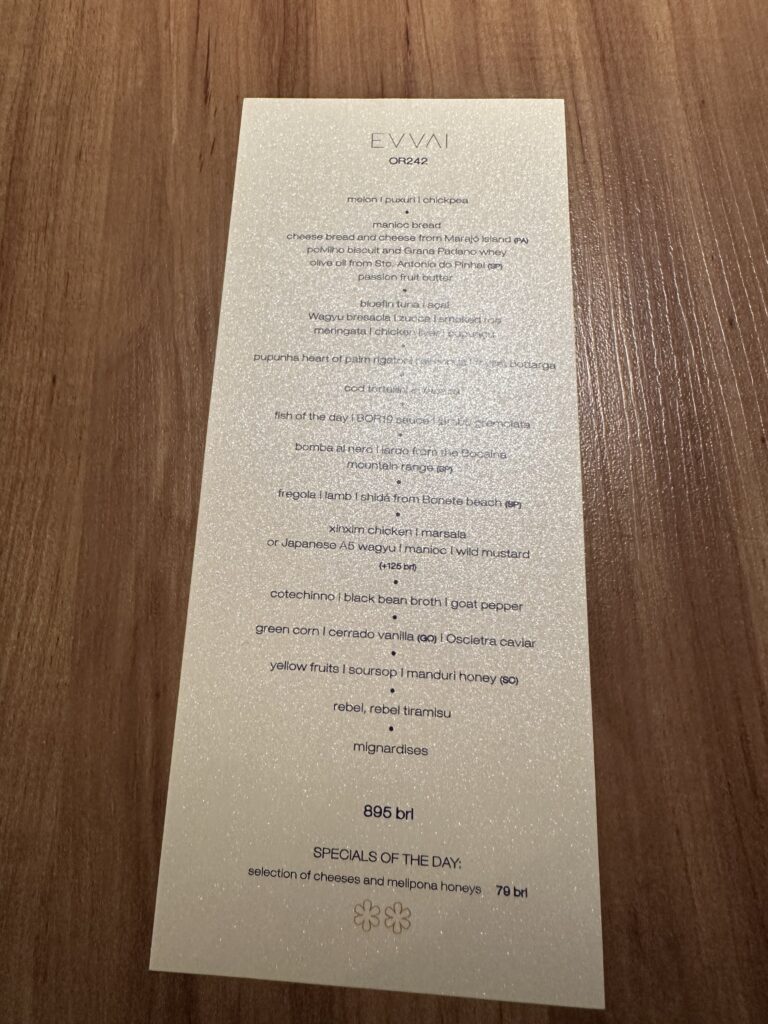
    Evvai OR24.2 tasting menu featuring Brazilian ingredients, seafood, pasta and Wagyu
    The OR24.2 menu from another visit, showing how much the experience changes.

    Every Dish Has a Personality

    I’ve had tasting menus where every course was technically perfect, yet by the end of the evening I struggled to remember what I had actually eaten.

    That has never happened at Evvai.

    The King Crab with fresh coconut, delicately topped with caviar, perfectly balanced sweetness, richness, and salinity while proving that elegance doesn’t have to be complicated.

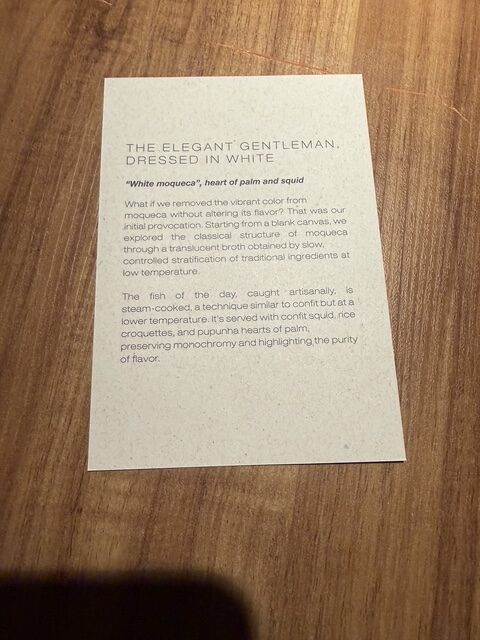
    The White Moqueca challenged everything I thought I knew about one of Brazil’s most iconic dishes. By removing its vibrant colors, Chef Luiz created something visually unexpected while preserving every bit of the soul and flavor that makes moqueca so beloved.

    The Duck Tortellini with eel and tucupi remains one of the most memorable pasta courses I’ve ever eaten.

    One of my favorite surprises was a playful green corn ice cream cone topped with Oscietra caviar. At first glance, it makes you smile. Then you taste it. Sweet corn and luxurious caviar shouldn’t work together as well as they do, yet somehow the combination feels completely natural. It’s whimsical, technically brilliant, and unmistakably Evvai.

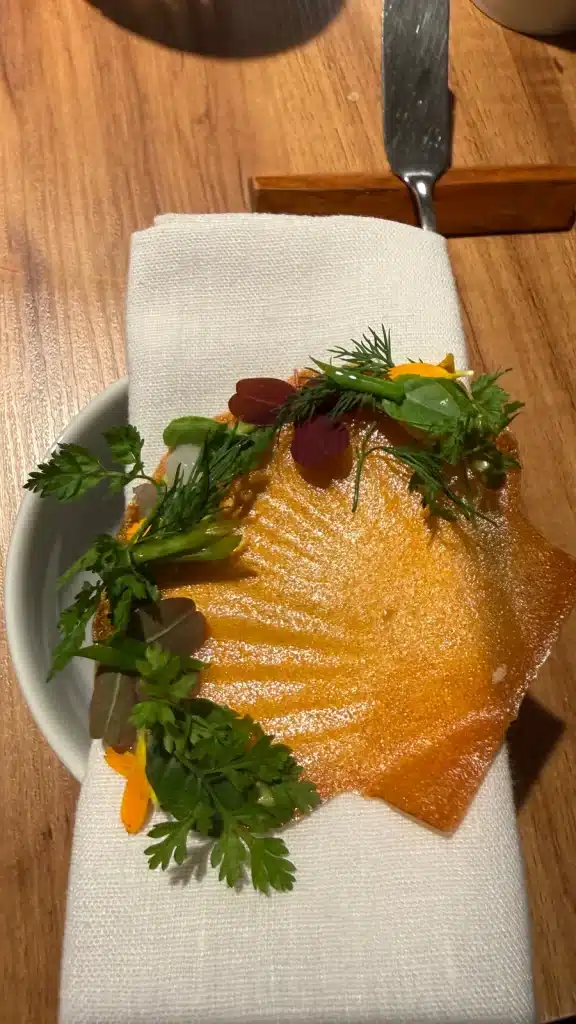
    Golden scallop crisp with greens at Evvai in São Paulo.
    A scallop crisp served with greens during my tasting menu at Evvai.
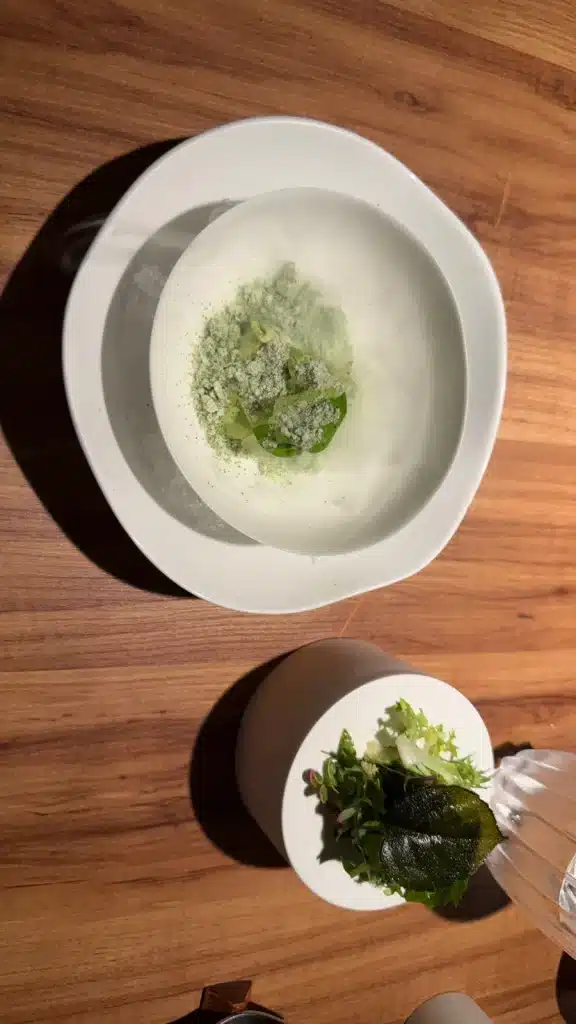
     Green course in a white bowl with a separate small plate of greens at Evvai in São Paulo
    A green tasting-menu course from my November 2025 visit.

    The scallop crisp pictured here is another example of how much there is to look at during the meal. The crisp itself is scallop-based, rather than simply a garnish beside a scallop.

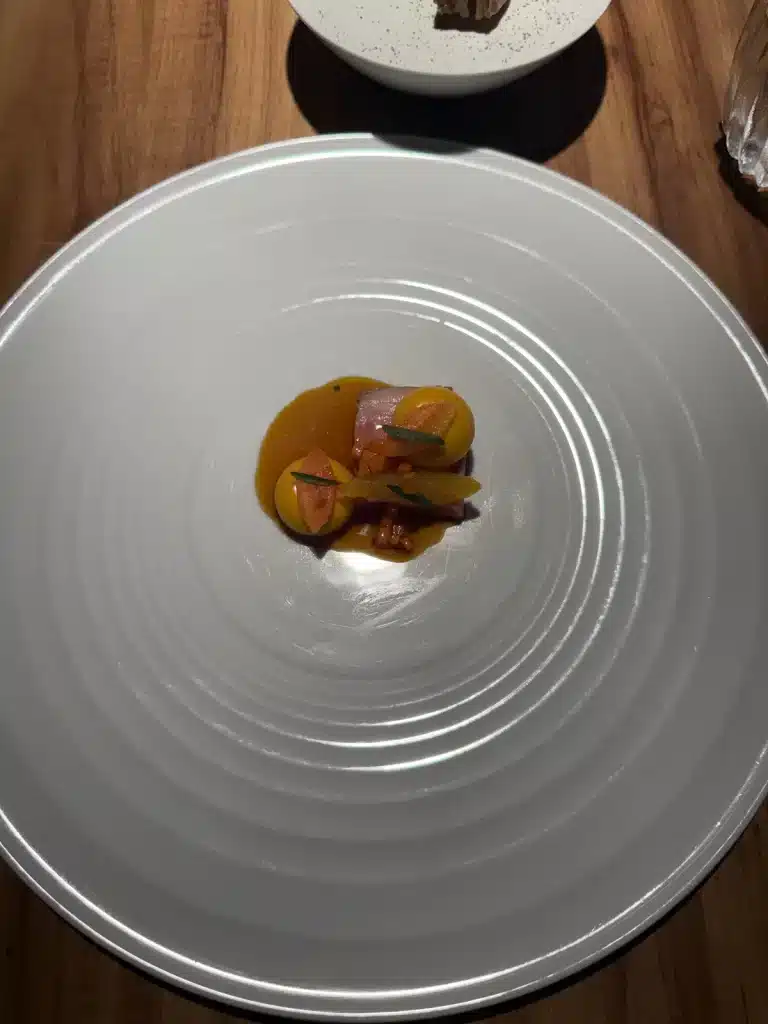
    Small plated savory course with orange sauce in a wide white bowl at Evvai in São Paulo
    A savory course with orange sauce, photographed during my November 2025 meal.
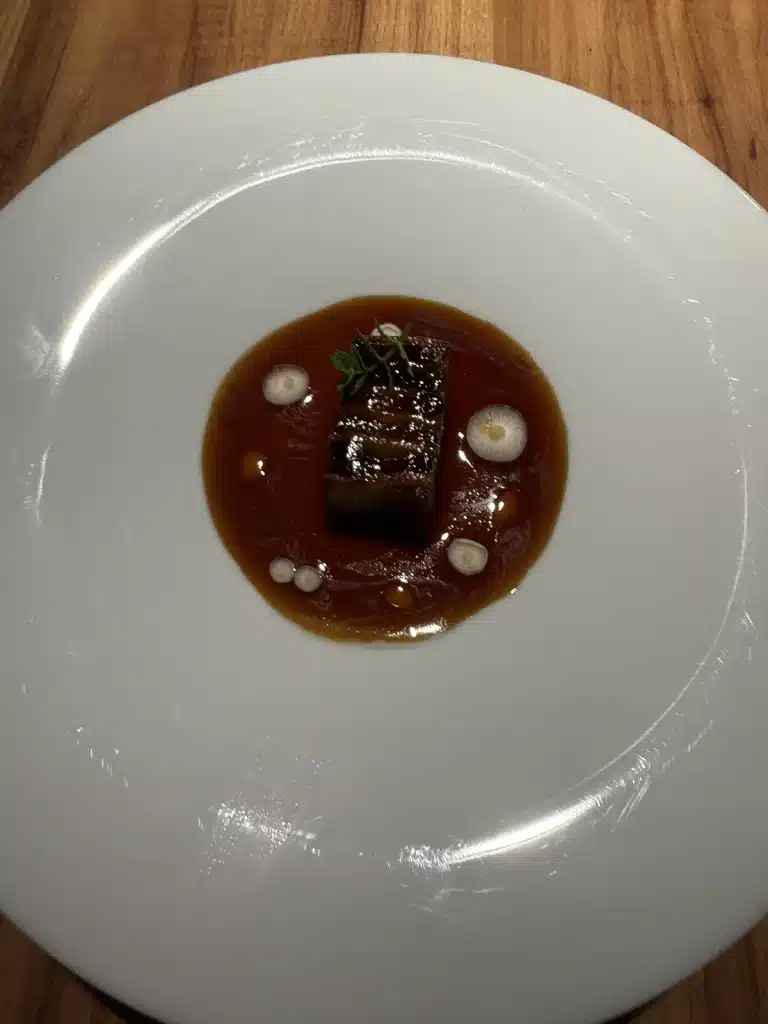
    Rectangular plated course in dark sauce with small pale garnishes at Evvai in São Paulo
    A plated course with dark sauce from my November 2025 meal.

    Desserts That Remember to Have Fun

    Popcorn and ice cream doesn’t sound like something you’d expect from one of the world’s best restaurants. Until it arrives.

    Finished with popping candy, every bite combines creamy sweetness, buttery popcorn, and the crackling sensation of Pop Rocks. It’s nostalgic, interactive, and impossible not to smile while eating it.

    That perfectly sums up my experience. Now recognized with three Michelin stars. World-class technique. Yet it never forgets that dining should be fun.

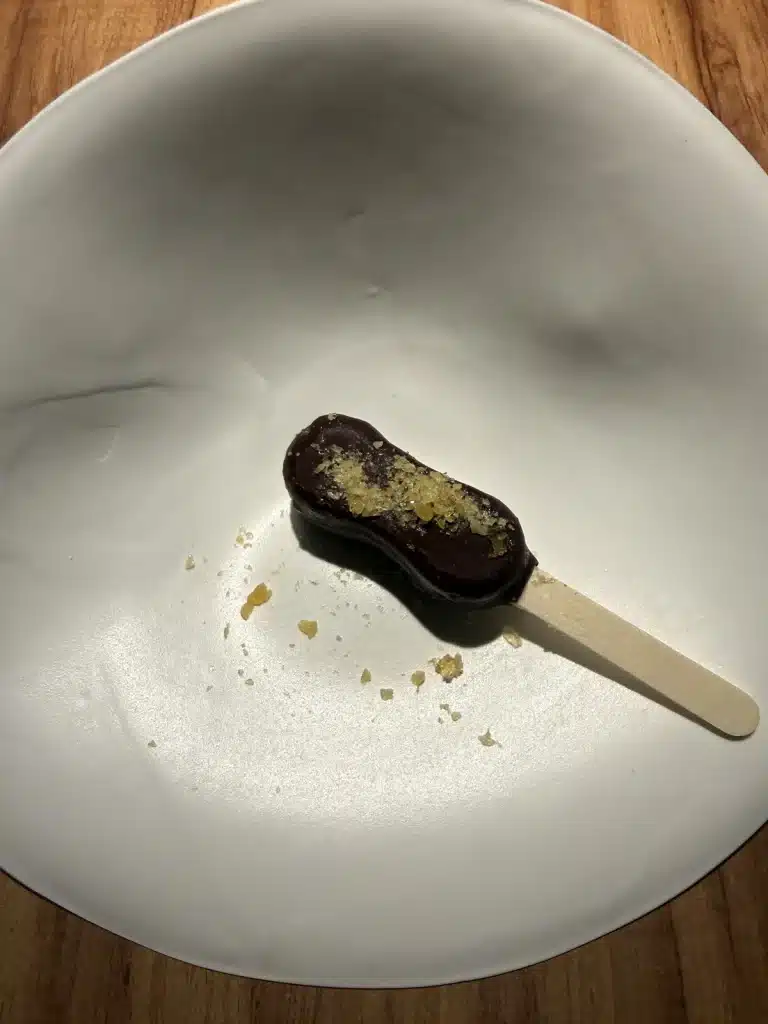
    Pop Rocks ice cream bar on a stick, served on a white plate at Evvai.
    The Pop Rocks ice cream bar during my tasting menu at Evvai.
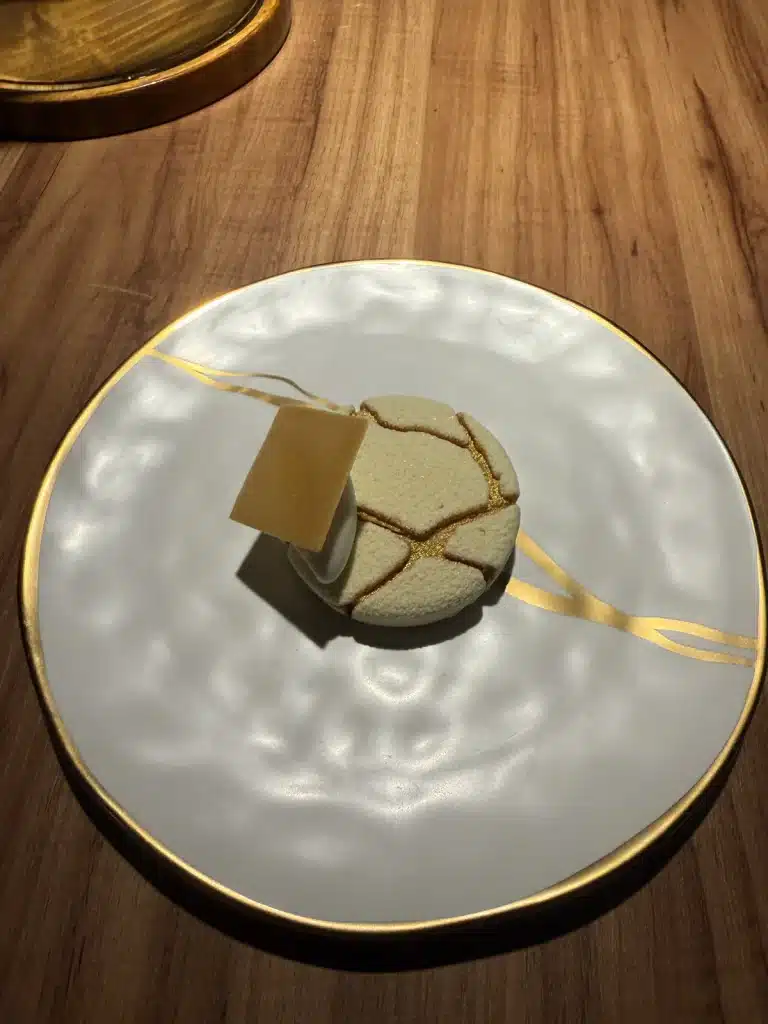
    Round decorated dessert with a thin square garnish at Evvai in São Paulo
    A decorated dessert from my November 2025 tasting menu.

    The frozen dessert pictured above is the Pop Rocks ice cream bar. That playful presentation belongs in this story just as much as the pasta, the caviar, and the technique. It is part of why I remember the experience so clearly.
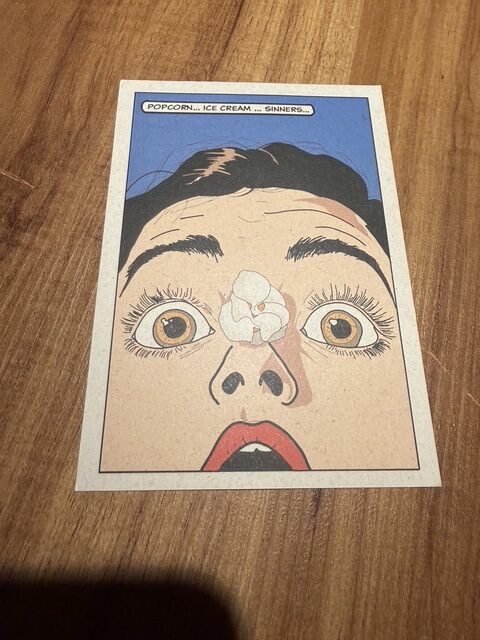
    Illustrated card introducing the popcorn ice cream dessert at Evvai São Paulo
    “Popcorn… Ice Cream… Sinners…”: even dessert has its own story.
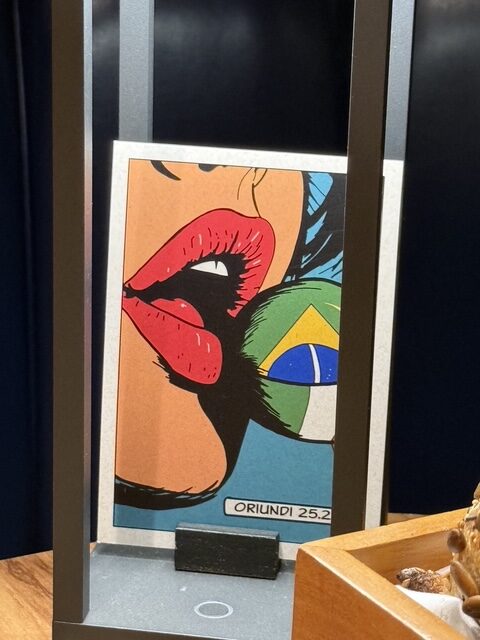
    Pop-art Oriundi 25.2 tasting-menu artwork displayed at Evvai São Paulo
    Oriundi 25.2 artwork: the visual storytelling begins before the first course.
    Every Course Tells a Story

    Every course begins before the plate ever reaches your table.

    The service team introduces each dish, explaining the ingredients, techniques, and inspiration behind Chef Luiz Filipe Souza’s vision. Their knowledge is remarkable, and they present every course with the same care and precision that went into creating it.

    Then the storytelling continues.

    Throughout the meal, you’re handed beautifully designed collectible cards inspired by vintage comic books and pop art. Each card corresponds to one of the courses you’ve just experienced.

    Some make you laugh before you’ve even taken the first bite.

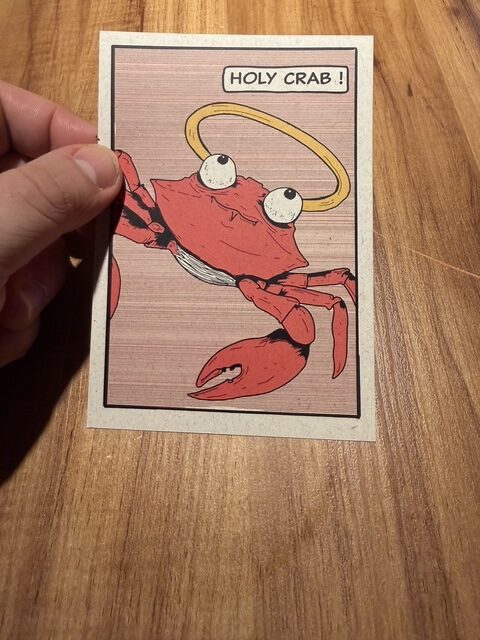
    A halo-wearing crab proclaims “Holy Crab!”

    A revolver loaded with pasta reads “Pasta La Vista, Baby…”

    A duck relaxing in tucupi jokes, “Like a Hot Tub After a Busy Day…”

    Others challenge your expectations with “No Tongue, Really?!”, “Popcorn… Ice Cream… Sinners…”, and “Give Me That Hand!”

    Then you flip the card over.

    Instead of simply listing ingredients, Chef Luiz explains the thought process behind the dish, the techniques used, and the inspiration behind its creation.

    It’s one of the most thoughtful touches I’ve experienced in any restaurant. I still have every single card from every visit to Evvai. They’re more than souvenirs. They’re a collection of memories.

    Every time I flip through them, I remember not only the dish itself, but the conversations, the presentation, and exactly how I felt experiencing it.

    Most restaurants leave you with photographs. Evvai also gives me something I can hold onto and revisit long after dinner.

    Illustrated “Holy Crab” tasting-menu card featuring a red crab at Evvai São Paulo
    “Holy Crab!”: one of the cards I kept from the meal.
    Pop-art “Pasta La Vista, Baby” tasting-menu card presented at Evvai São Paulo
    “Pasta La Vista, Baby…”: pasta with a sense of humor.
    Illustrated duck and tucupi tasting-menu card presented at Evvai São Paulo
    A duck relaxing in tucupi: “Like a Hot Tub After a Busy Day…”
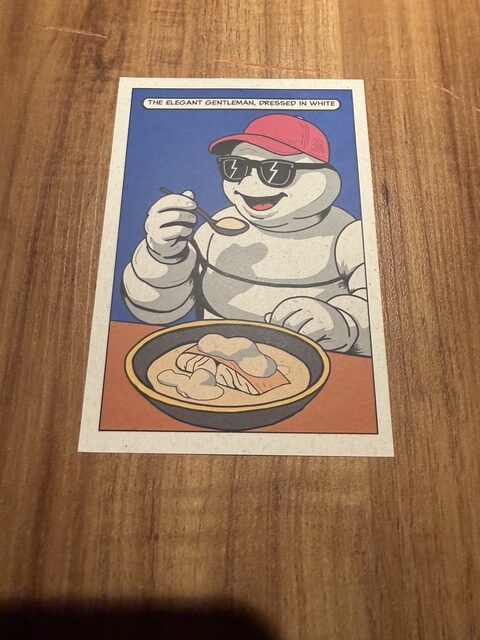
    Illustrated card for “The Elegant Gentleman, Dressed in White” moqueca course at Evvai São Paulo
    “The Elegant Gentleman, Dressed in White”: the illustrated introduction to white moqueca.
    Menu card for Evvai’s white moqueca with fish, squid and heart of palm
    Turn the card over and the explanation continues: white moqueca with fish, squid and heart of palm.
    Pop-art “No Tongue, Really?” tasting-menu card presented at Evvai São Paulo
    “No Tongue, Really?”: Evvai does not take its storytelling too seriously.
    Illustrated Savage Orange tasting-menu card presented at Evvai São Paulo
    The “Savage Orange” course card.
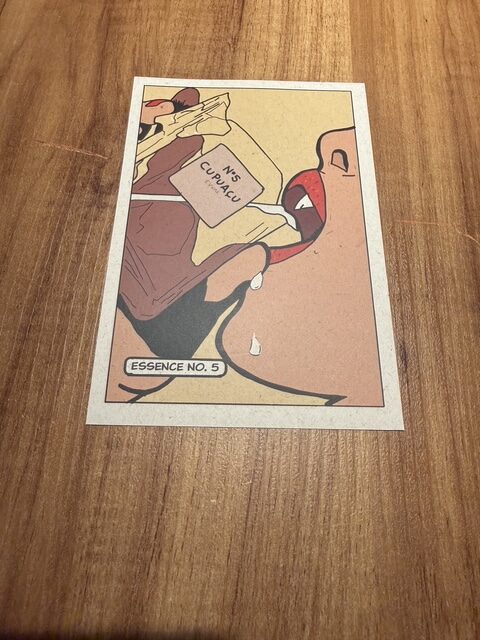
    Illustrated Essence No. 5 presentation card from the tasting menu at Evvai São Paulo
    The illustrated Essence No. 5 card.
    Pop-art “Give Me That Hand” tasting-menu card presented at Evvai São Paulo
    The “Give Me That Hand” illustrated card.

    Fine Dining Without the Pretension

    At some fine-dining restaurants, the formality can take over the evening. The room becomes silent. Guests whisper. Everyone seems afraid of making too much noise. While I appreciate that level of refinement, it can sometimes feel more like attending a ceremony than enjoying dinner.

    Evvai feels alive. Everything about the restaurant is polished, professional, and worthy of three Michelin stars. Yet it never feels intimidating. Guests laugh. Servers joke with the tables. Courses surprise you. The playful comic-book cards become conversation starters.

    An ice cream cone topped with caviar appears. A dessert crackles with Pop Rocks. The atmosphere is relaxed without ever sacrificing professionalism.

    That balance is incredibly difficult to achieve, and I honestly can’t think of another Michelin-starred restaurant that does it quite the same way.

    Chef Luiz Filipe Souza’s Leadership

    I believe that atmosphere starts with Chef Luiz Filipe Souza.

    His creativity is obvious in every dish, but what impressed me just as much was the culture he’s built inside the restaurant.

    One of my favorite moments at Evvai doesn’t happen at the table. It happens in the kitchen. Throughout service you’ll hear Chef Luiz, or whoever is leading the brigade that evening,calling commands. Instantly, the kitchen responds together with a loud, unified:

    “YES, CHEF!”

    It’s authentic. It’s disciplined. It’s organized. You can hear the respect the team has for one another and the pride they take in their craft. That passion extends beyond Chef Luiz himself.

    The pastry program is led by Bianca Mirabili, whose creativity perfectly complements the rest of the tasting menu. In 2025, she was recognized as Latin America’s Best Pastry Chef, an honor that feels completely deserved after experiencing her work.

    Together, they have built something incredibly special.

    The kitchen’s call-and-response has a military precision to it, but the experience at the table stays warm. The team explains what is arriving and why it matters. That combination of discipline and personality is a big part of what makes Evvai feel different to me.

    More Than Just a Restaurant

    Over time, Evvai has become much more than my favorite restaurant. It’s become one of those rare places that feels familiar every time I walk through the door.

    I make restaurant reservations all over the world whenever I think there’s even the slightest chance I can get away. Sometimes work wins, plans change, and I end up cancelling.

    But Evvai is different.

    When I started planning my return to São Paulo for Formula 1 in November 2026, there was one reservation I refused to leave to chance.

    Evvai.

    In fact, I confirmed my dinner reservation before I even purchased my Formula 1 ticket. That probably tells you everything you need to know. If Formula 1 were cancelled tomorrow…

    I’d still make the trip.

    That’s the highest compliment I can give any restaurant. The service is impeccable. The food is extraordinary. The storytelling is unlike anything I’ve experienced anywhere else. Most importantly, despite now standing among the very best restaurants in the world, it has never lost its personality.

    It remains warm. It remains welcoming. It remains creative. It remains fun.

    I’ve traveled thousands of miles chasing unforgettable meals and have been fortunate enough to experience some of the finest restaurants on the planet.

    Only one has ever made me say, without hesitation, that I’d book a flight just for dinner.

    That restaurant is Evvai.

    Planning Your Own Evvai Dinner

    The menus photographed here are from my previous visits, and that distinction matters. Part of the reason I return is that the cooking keeps changing. Go for the experience rather than expecting every dish in these photographs to appear in exactly the same form.

    Start with the restaurant’s official website for the current offering and reservation process. If you have dietary restrictions or a particular question about the meal, confirm it directly before booking.

    For more of my firsthand restaurant stories, explore Food & Drink. If you are building a trip around a meal, my travel page is a place to keep exploring. And if you have eaten at Evvai, I would love to hear which course stayed with you.

  • São Paulo Travel Story: My Life-Changing 2024 Trip

    São Paulo Travel Story: My Life-Changing 2024 Trip

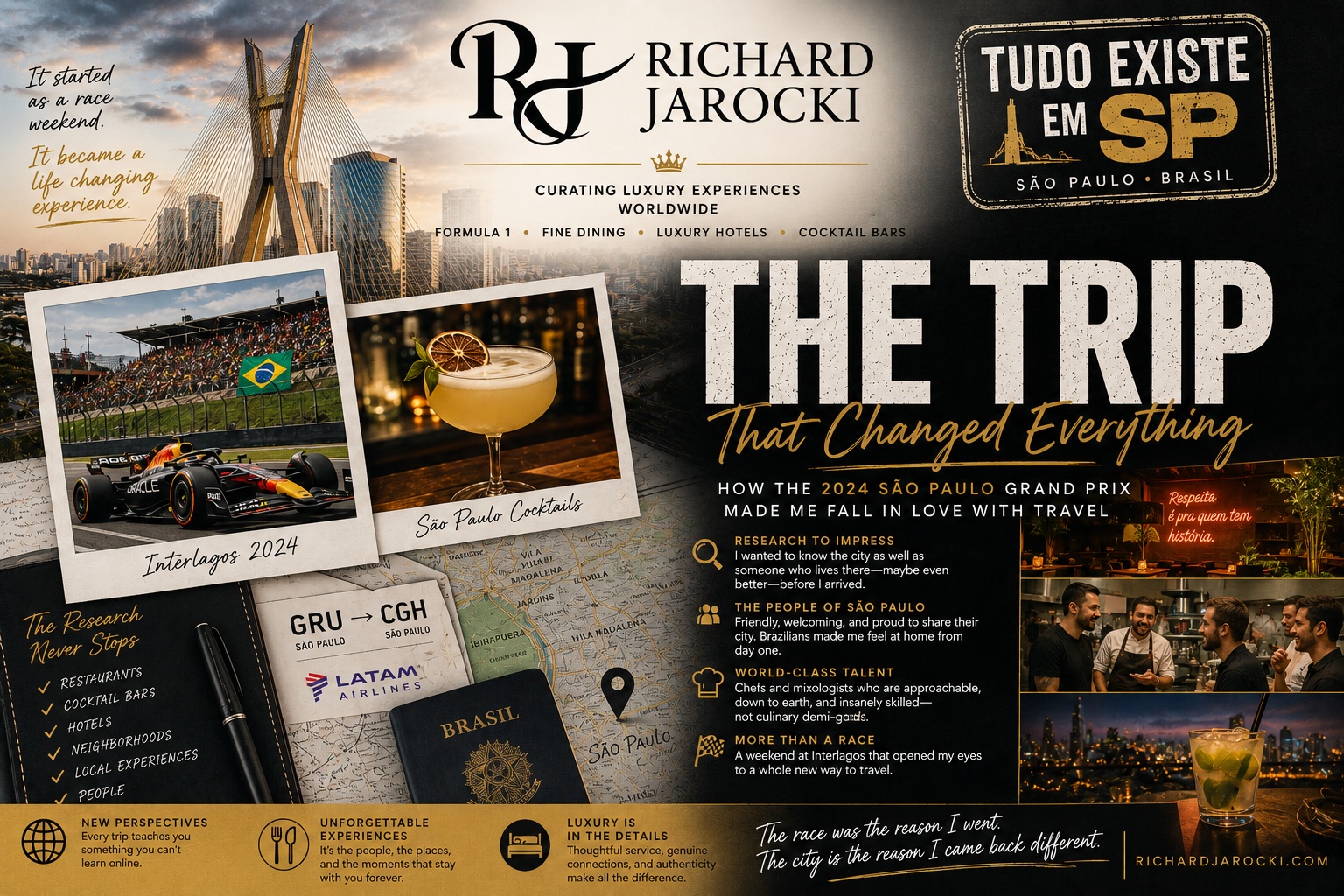
    How the 2024 São Paulo Grand Prix Made Me Fall in Love with Travel

    How the 2024 São Paulo Grand Prix Made Me Fall in Love with Travel | Richard Jarock

    My São Paulo travel story

    For more than twenty years, my life revolved around one thing: the automotive business.

    Long hours. Endless weekends. Sales goals. Deliveries. Finance paperwork. It was a career I genuinely loved, but it didn’t leave much room for travel.

    Vacations weren’t really adventures.

    They were opportunities to recharge before going back to work.

    Travel was never something I obsessed over.

    It was simply something you did.

    Then Formula 1 entered my life.

    Working with Ferrari introduced me to an entirely different world. At first, I fell in love with the engineering. Then the history. Then the competition. Before long, every race weekend became must-watch television.

    Eventually watching wasn’t enough.

    I wanted to experience Formula 1 in person.

    That decision would eventually take me somewhere I never expected.

    São Paulo.

    I Thought I Was Going for Formula 1

    When I booked my trip to the 2024 Brazilian Grand Prix, I thought I knew exactly why I was going.

    Interlagos.

    The home of Ayrton Senna.

    One of Formula 1’s most historic circuits.

    The incredible Brazilian fans.

    That was the reason I bought the plane ticket.

    At least that’s what I told myself.

    Looking back, Formula 1 was only the beginning.

    I Had Something to Prove

    There was another reason I planned that trip so obsessively.

    I wanted to impress someone who lived in São Paulo. This is what started my São Paulo Travel Story

    That might sound strange.

    Most people visit a city and rely on the locals to show them around.

    I wanted to do the opposite.

    I wanted to arrive knowing the city well enough that I could contribute to the experience—not just follow someone else’s itinerary.

    Maybe I could even introduce them to a restaurant or cocktail bar they hadn’t discovered themselves.

    That became the challenge.

    Could someone living nearly 5,000 miles away learn another person’s city well enough to surprise them?

    So I started researching.

    Then I researched even more.

    Restaurant menus.

    Chef interviews.

    Google Maps.

    Neighborhoods.

    Cocktail bars.

    Luxury hotels.

    Food blogs.

    YouTube walking tours.

    Reddit threads.

    I translated menus written entirely in Portuguese just to understand what chefs were creating.

    I learned which neighborhoods had the best restaurants.

    Which cocktail bars were worth visiting.

    Which hotels truly justified their prices.

    I wasn’t building a vacation anymore.

    I was studying a city.

    Of course, I quickly learned something important.

    No matter how much research you do, you can never truly know a place until you’re standing in it.

    But the research gave me confidence.

    Instead of arriving completely unfamiliar with São Paulo, I landed feeling like I already knew its neighborhoods, its restaurants, and its rhythm.

    That completely changed the trip.

    More Than a Race

    Interlagos was everything I’d imagined.

    The noise.

    The atmosphere.

    The energy.

    The passion of Brazilian Formula 1 fans is unlike anything I’d experienced before.

    You could feel Ayrton Senna’s legacy everywhere.

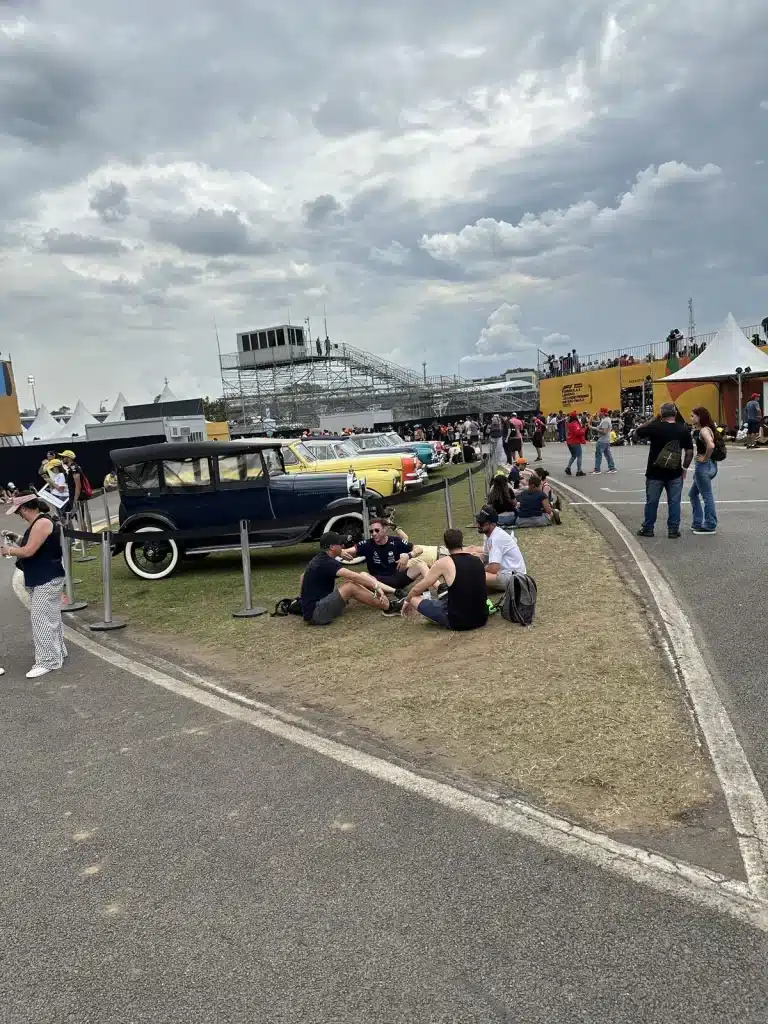
    São Paulo Travel Story:  Visitors relaxing beside a vintage vehicle display in the Interlagos fan zone.
    The atmosphere beyond the grandstands at Interlagos, November 2, 2024.

    For one weekend, the entire city seemed connected by Formula 1.

    It was unforgettable.

    But what surprised me most wasn’t what happened inside the circuit.

    It was everything outside of it.

    The City That Changed My Perspective

    Like many Americans, I didn’t know much about São Paulo before arriving.

    I expected traffic and crime.

    Skyscrapers.

    A huge city.

    But my experience during my São Paulo Travel Story.

    What I found was one of the most exciting culinary destinations I’d ever experienced.

    Restaurants operating at an astonishing level.

    Cocktail bars that could compete with any city in the world.

    Neighborhoods that each felt completely different.

    Every day became another excuse to explore.

    One reservation turned into another recommendation.

    One cocktail bar led to another neighborhood.

    One conversation led to another unforgettable meal.

    The itinerary I’d spent months creating suddenly became secondary.

    The city was creating its own itinerary for me.

    I’ve since put together a guide to the São Paulo restaurants I’ve experienced.

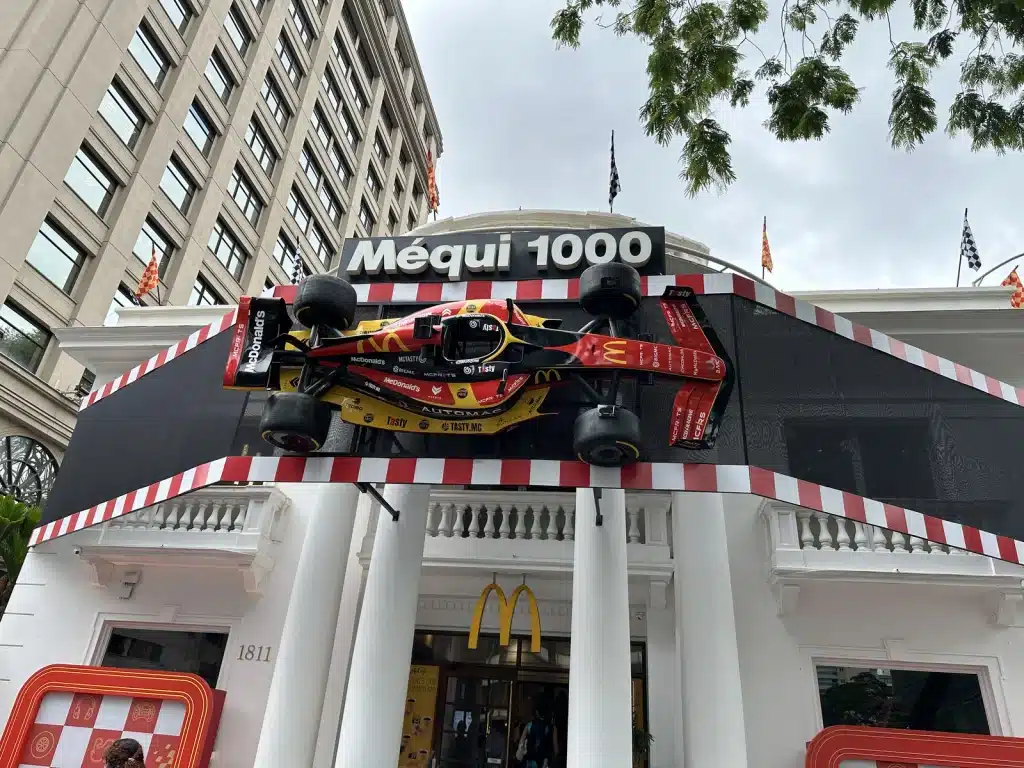
    São Paulo Travel Story:
    Formula 1 followed me into the city: Méqui 1000, November 4, 2024.

    The People Changed Everything

    The restaurants were incredible.

    The cocktails were unforgettable.

    But the people are what made me fall in love with Brazil.

    Brazilians welcomed me in a way I hadn’t experienced anywhere else.

    Everyone seemed genuinely proud of their city and excited to share it.

    Hotel staff.

    Drivers.

    Servers.

    Bartenders.

    Chefs.

    Complete strangers.

    There was an openness that immediately made me feel comfortable.

    The culinary world surprised me even more.

    In cities like New York, it’s easy for celebrated chefs and mixologists to feel almost untouchable.

    People line up for months to eat their food.

    Social media turns them into celebrities.

    Sometimes there’s an invisible wall between the guest and the person creating the experience.

    São Paulo felt different.

    The chefs I met wanted to talk.

    The bartenders were genuinely curious.

    The mixologists explained why they built a cocktail a certain way.

    Nobody acted like they were above the people sitting at their tables.

    They were world-class professionals who still felt approachable.

    That made every meal feel personal.

    And honestly?

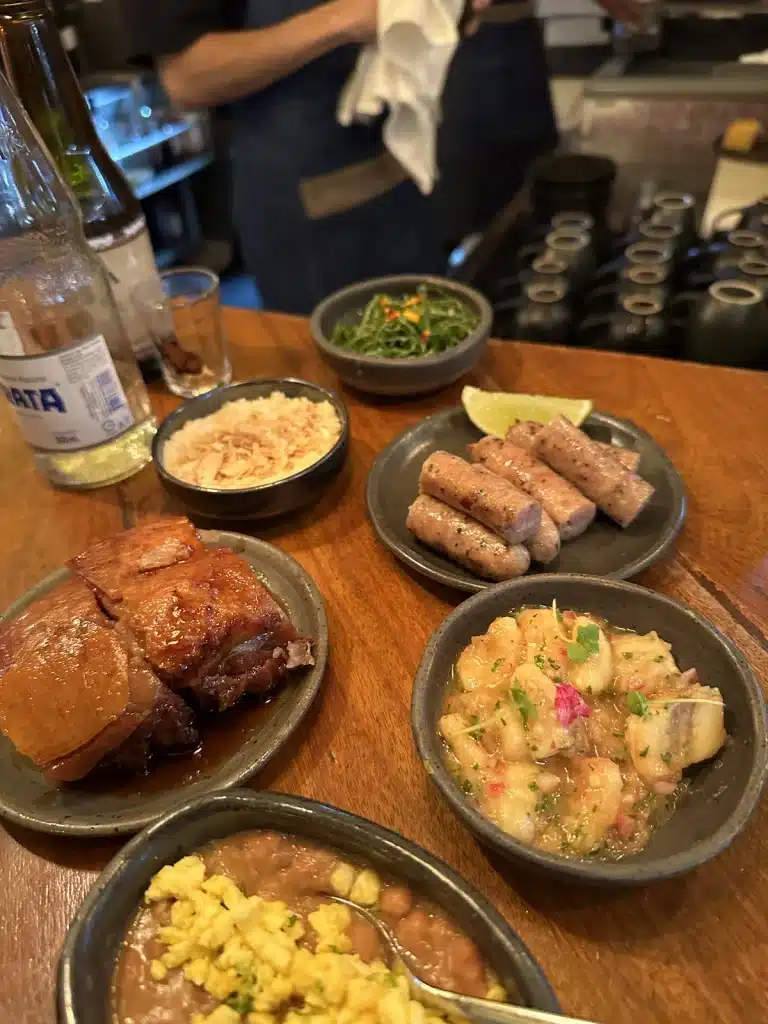
    São Paulo Travel Story: Pork and several side dishes arranged on the wooden counter at A Casa do Porco.
    A Casa do Porco, November 3, 2024: one of the meals beyond the race weekend.

    Some of the talent I experienced in São Paulo was every bit as impressive as anything I’ve found in New York.

    In some cases, even better.

    Not because they were trying harder.

    Because there was no ego attached to it.

    Just pride.

    Passion.

    Hospitality.

    That combination completely changed the way I look at restaurants today.

    Evvai is one of the clearest examples of why those details matter to me.

    Luxury Isn’t What I Thought It Was

    Brazil also changed my definition of luxury.

    Luxury isn’t simply paying the highest price.

    Luxury is attention to detail.

    It’s thoughtful hospitality.

    It’s a bartender remembering what you ordered yesterday.

    It’s a chef explaining why a dish matters.

    It’s a hotel that makes every interaction feel effortless.

    The most expensive experience isn’t always the best one.

    The most memorable usually comes down to the people.

    That lesson has stayed with me ever since.

    That lesson also shapes how I approach Formula 1 luxury travel today.

    The Research Never Stopped My São Paulo Travel Story

    When I came home, something had changed.

    I wasn’t looking at travel the same way anymore.

    Now every destination became a puzzle.

    Where should I stay?

    Which restaurants actually deserve the hype?

    Which cocktail bars are worth crossing a city for?

    Which neighborhoods should I spend an afternoon wandering?

    The research itself became part of the excitement.

    The trip no longer started at the airport.

    It started months earlier.

    Why This Website Exists

    Friends started asking for recommendations.

    Where should we stay?

    Which hotel is actually worth the money?

    Where should we eat?

    What shouldn’t we waste time on?

    I realized I’d already spent hundreds—eventually thousands—of hours researching destinations before every trip.

    Why not share it?

    That’s how this website was born.

    Not because I wanted to become a travel blogger.

    Because I wanted to help people experience cities the way I had learned to.

    Not through checklists.

    Not through influencers.

    Through curiosity.

    Through incredible meals.

    Through conversations.

    Through neighborhoods.

    Through the people who make every destination unique.

    My São Paulo travel guide brings together more of what I’ve discovered since that first trip.

    Looking Back

    When I booked a ticket to the 2024 São Paulo Grand Prix, I thought I was buying admission to a Formula 1 race.

    Instead, I discovered a city that completely changed how I travel.

    I arrived hoping to impress someone who already knew São Paulo.

    I left realizing I had only scratched the surface.

    I learned that great restaurants are about more than food.

    Great cocktail bars are about more than drinks.

    Luxury is about people.

    Hospitality is about connection.

    And travel isn’t about how many places you visit.

    It’s about how deeply you experience them.

    Formula 1 got me on the plane.

    São Paulo made me fall in love with travel.

    Everything I’ve built since—from the restaurants I visit to the hotels I book, the cocktail bars I seek out, and even this website—can be traced back to that one trip.

    The race lasted one weekend.

    The impact is still shaping every journey I take today.

    This is my São Paulo Travel Story

    Follow My Instagram

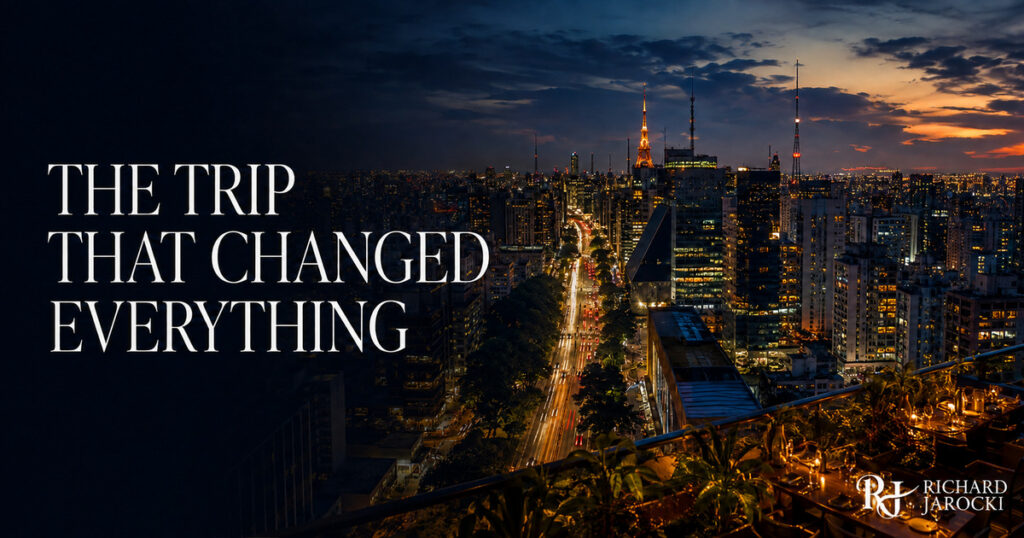
    São Paulo Travel Story, The skyline at night for Richard Jarocki’s The Trip That Changed Everything
    The trip to São Paulo that changed how I experienced food, culture and travel—and ultimately changed the direction of my life.

  • F1 2025 Season Kicks Off: What to Expect from the Australian & Chinese Grands Prix

    by Richard Jarocki

    The Next Two Stops in the 2025 Formula 1 Season: Australia & China

    The 2025 Formula 1 season is set for a thrilling start, with two high-stakes races that will shape the early championship battle. The action begins in Melbourne at the Australian Grand Prix before shifting to Shanghai for the return of the Chinese Grand Prix. Here’s what to expect from these pivotal races.

    Australian Grand Prix (March 16, 2025 – Albert Park Circuit)

    For the first time since 2019, the Australian Grand Prix kicks off the season, setting the stage for intense competition. The Albert Park Circuit in Melbourne blends street-circuit characteristics with fast, flowing corners, demanding precision from drivers.

    Key Storylines:

    • Lewis Hamilton’s Ferrari Debut – The seven-time world champion begins a new chapter with Ferrari. Can he challenge Max Verstappen and stake his claim early?
    • Early Season Pecking Order – With all teams unveiling their 2025 cars in a race setting for the first time, who will emerge as the frontrunner?
    • Oscar Piastri’s Home Race – McLaren’s rising star will be eager to impress in front of an Australian crowd. Can he deliver a standout performance?

    Chinese Grand Prix (March 23, 2025 – Shanghai International Circuit)

    After several years off the calendar, the Chinese Grand Prix makes a long-awaited return. The Shanghai International Circuit, with its mix of long straights and tight technical sections, will test car performance and strategy alike.

    What to Watch:

    • Ferrari vs. Red Bull vs. Mercedes – Will Red Bull maintain its dominance, or will Ferrari and Mercedes close the gap?
    • Shanghai’s Unique Challenges – The track’s sweeping Turn 1-2 complex and long back straight leading into a heavy braking zone provide prime overtaking opportunities.
    • Tire Wear & Strategy – Known for its abrasive surface, Shanghai often pushes teams to make crucial tire management decisions.

    Why These Races Matter

    These first two Grands Prix will set the tone for the season, providing the first real indications of car performance, team strategies, and title contenders. With Hamilton’s move to Ferrari and the return of Shanghai to the calendar, expect surprises, rivalries, and intense competition from the start.

    Who do you think will take the first two victories of 2025? Share your predictions!

  • Experience Modern Mexican Cuisine at Metzi

    Experience Modern Mexican Cuisine at Metzi

    by Richard Jarocki

    A Dynamic Duo Behind the Kitchen

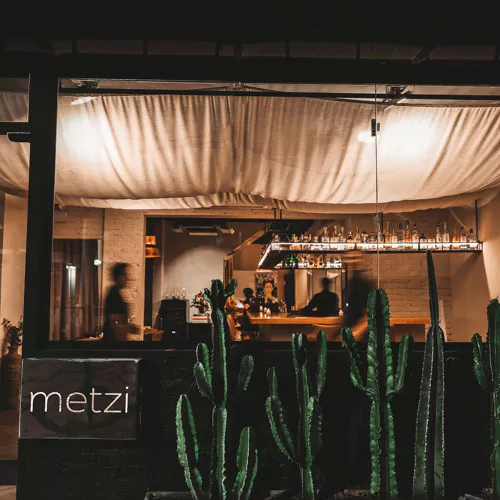
    Metzi is the creation of Eduardo Nava Ortiz and Luana Sabino, two visionary chefs who bring their unique expertise and passion to the restaurant’s ever-evolving menu. Eduardo Nava Ortiz, a Mexican-born chef, brings an authentic and modern perspective to traditional Mexican flavors, while Luana Sabino, a talented Brazilian chef, infuses the menu with fresh local ingredients and creative techniques. Together, they craft dishes that beautifully merge Mexican tradition with Brazil’s rich culinary landscape.

    A Cozy and Inviting Atmosphere

    Located in São Paulo’s Pinheiros district, Metzi offers a warm and intimate setting, with minimalist decor that allows the food to take center stage. The ambiance is casual yet refined, making it an ideal destination for those seeking a sophisticated dining experience without the formality of a fine-dining establishment. With limited seating, Metzi fosters an exclusive feel, ensuring personalized service and a memorable gastronomic journey.

    The Menu: Tradition Meets Innovation

    Metzi’s menu is a thoughtful and ever-evolving showcase of modern Mexican cuisine, with a particular emphasis on local and seasonal ingredients. While dishes change frequently, here are some signature highlights that capture the essence of Metzi’s culinary philosophy:

    • Tostada de Atún – A beautifully crafted dish featuring fresh tuna, avocado, and vibrant citrus notes, highlighting the balance of freshness and umami.
    • Mole Poblano with Duck – A refined take on the classic mole poblano, with complex layers of smoky, sweet, and spicy flavors complementing tender duck.
    • Tacos de Pescado – Light, crispy battered fish tacos served with housemade tortillas and an exquisite selection of salsas.
    • Tamales de Elote – A nod to Mexican heritage, these delicate corn tamales are a must-try, showcasing the restaurant’s dedication to traditional techniques.
    • Huitlacoche Risotto – A unique fusion of Mexican and European influences, featuring earthy huitlacoche (corn truffle) in a rich, creamy risotto.
    • Churros with Spiced Chocolate Sauce – A playful yet refined dessert that pays homage to a beloved classic.

    An Impressive Beverage Selection

    Metzi’s drink menu is just as carefully curated as its food offerings, featuring an outstanding selection of:

    • Mexican Spirits – A diverse range of mezcal and tequila options, perfect for sipping or enjoying in crafted cocktails.
    • Natural & Organic Wines – Thoughtfully selected wines that enhance the dining experience, complementing the restaurant’s bold yet delicate flavors.
    • Signature Cocktails – Inventive creations that incorporate fresh fruits, Mexican spices, and artisanal spirits, offering a refreshing pairing for every dish.

    Accolades & Recognition

    Metzi has quickly risen to prominence within São Paulo’s fine-dining landscape, earning a Michelin Guide recommendation and securing a spot on Latin America’s 50 Best Restaurants list. This recognition solidifies Metzi’s reputation as one of the top destinations for contemporary Mexican cuisine in the region.

    Why Metzi Should Be on Your Culinary Radar

    What sets Metzi apart is its ability to take authentic Mexican flavors and present them in an elevated, artful manner while still maintaining the soul of the cuisine. With Eduardo Nava Ortiz and Luana Sabino’s expertise, a meticulously designed menu, and an intimate atmosphere, Metzi offers a truly unique gastronomic experience in São Paulo.

    Final Thoughts

    Whether you’re a fan of Mexican cuisine, an adventurous foodie, or someone looking for a sophisticated yet approachable dining experience, Metzi is a restaurant you won’t want to miss. Its commitment to tradition, innovation, and top-tier ingredients makes it a standout in São Paulo’s competitive dining scene. Be sure to book a reservation in advance, as this culinary gem is in high demand!

    Have you been to Metzi? Share your thoughts and favorite dishes in the comments below!

  • A Casa do Porco Review: 5 Reasons This Remarkable Meal Stood Out

    A Casa do Porco Review: 5 Reasons This Remarkable Meal Stood Out

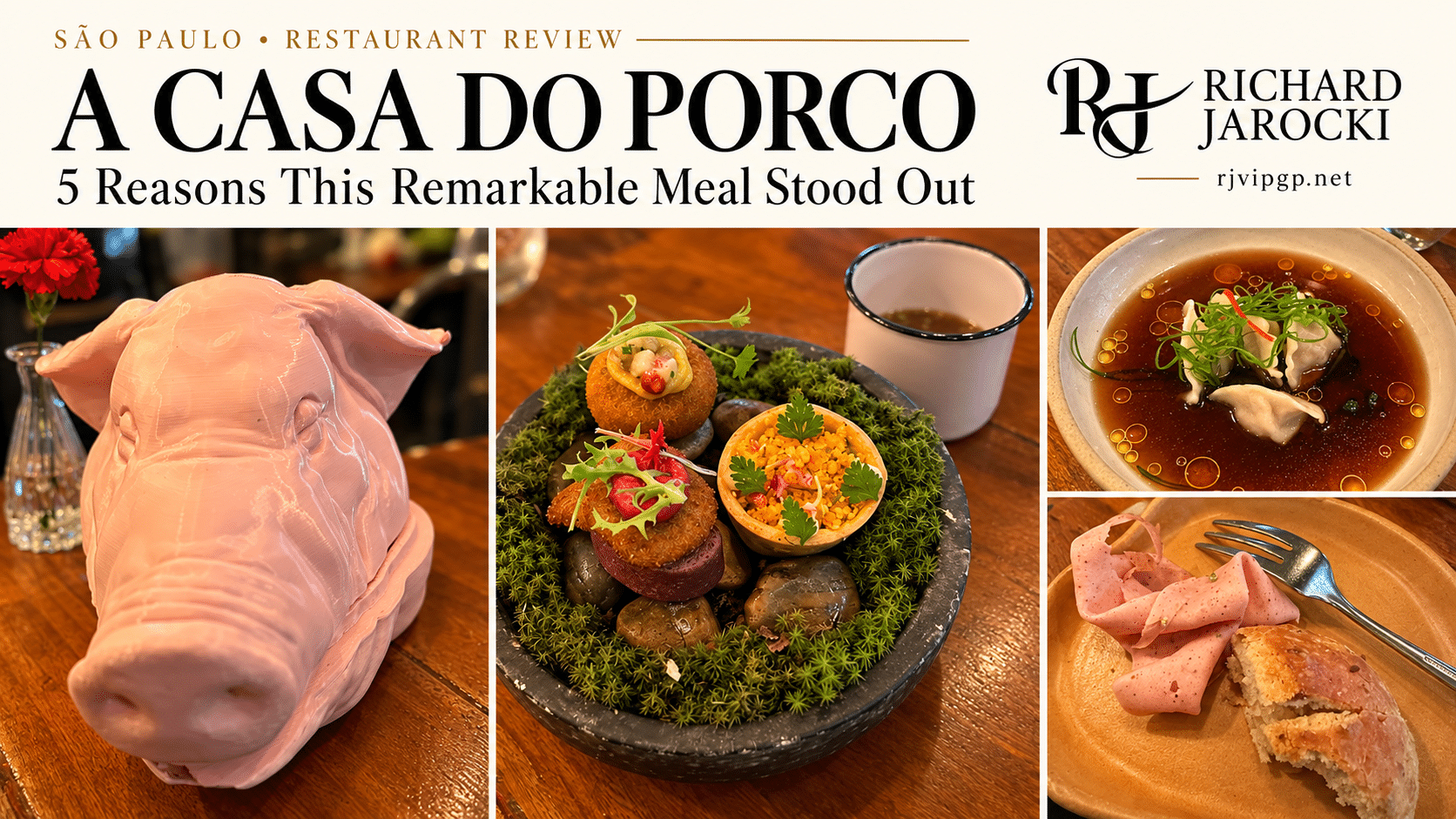
    A Casa do Porco Review: A Casa do Porco review collage showing tasting-menu dishes, a pink pig’s-head serving piece, and Richard Jarocki’s logo.

    By Richard Jarocki | Visited November 2024 | Pricing researched September 24, 2026 | Updated September 25, 2026

    A Casa do Porco review: Five things stood out from my November 2024 visit—the food, the whole-animal approach to cooking, the drinks, the relaxed atmosphere, and the commitment to keeping ambitious food accessible. I sat at the bar for the tasting menu, started with complimentary cachaça shots, and left wanting to return.

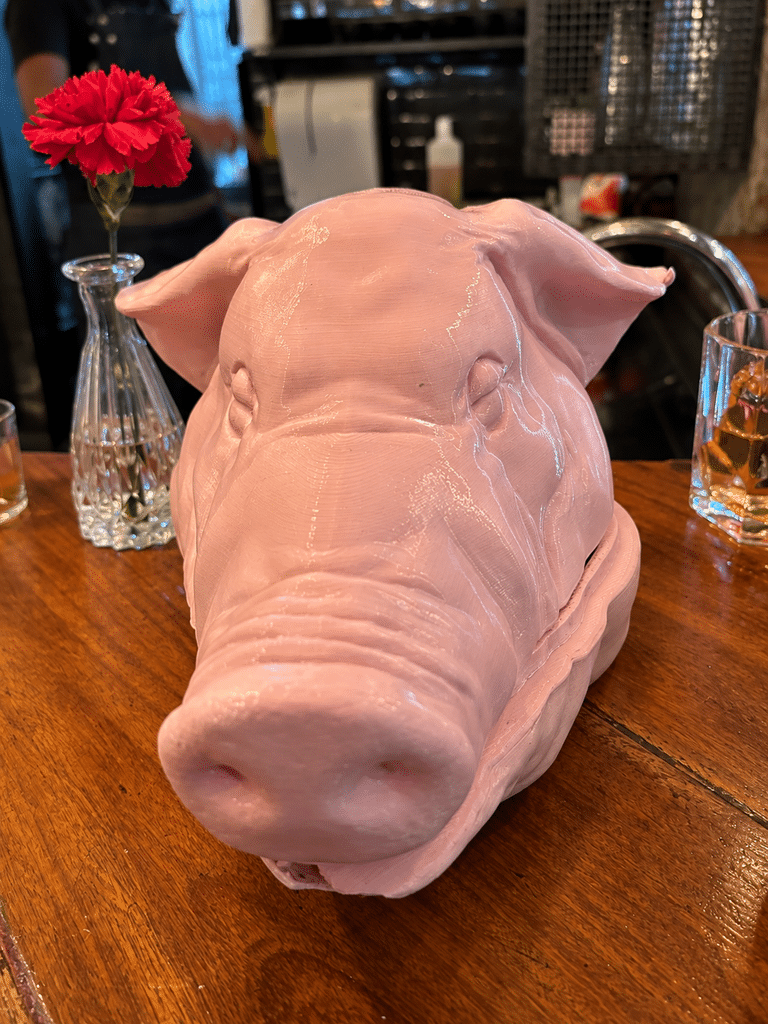
    An extra order of crispy roasted pork belly with guava, served inside a ceramic pig’s head, also gave the evening its Instagram moment.

    There is a lot to appreciate here. The cooking is creative, the whole-animal approach gives the restaurant a clear identity, and the experience remains approachable. As I wrote in my São Paulo restaurant guide, the food is ridiculously good.

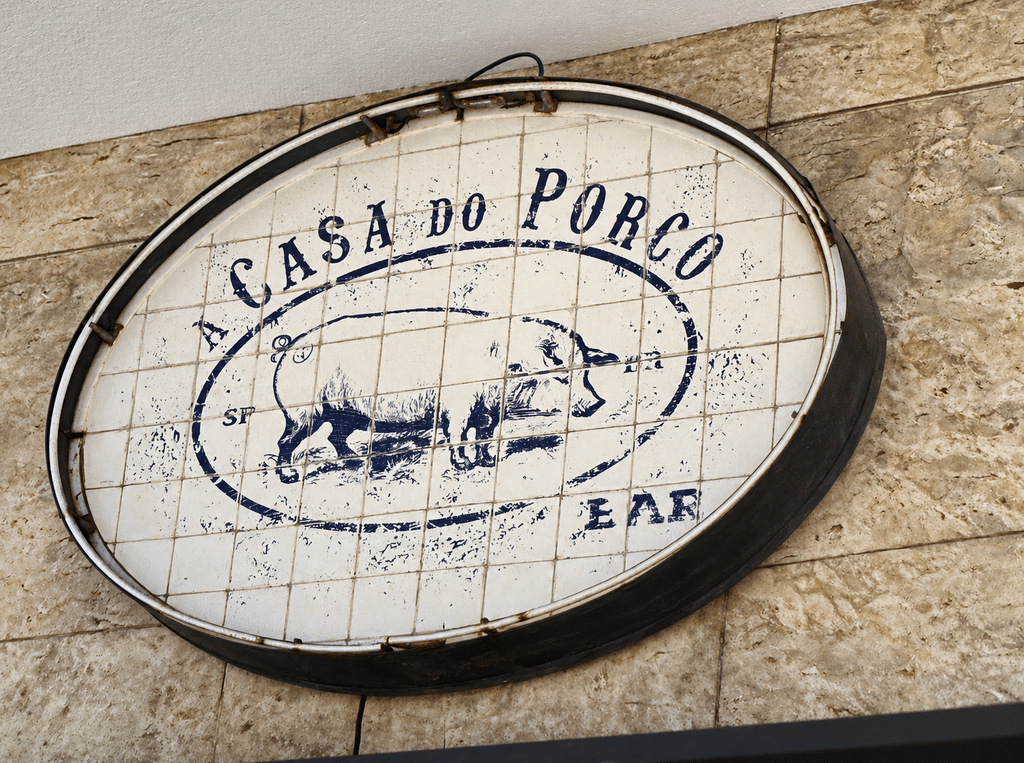
    Oval A Casa do Porco Bar sign with a pig illustration outside the São Paulo restaurant.
    A Casa do Porco, São Paulo’s House of the Pig.

    A Casa do Porco at a Glance

    Location: Rua Araújo, 124, República, São Paulo

    Cuisine: Brazilian cooking with a focus on pork and whole-animal use

    Visit: November 2024

    What I had: The tasting menu

    Published 2024 menu price: R$290 per person; optional wine pairing R$210 extra

    Latest published price found: R$348 per person; optional pairing R$269 extra, reported August 2026

    Where we sat: At the bar

    Drinks: Great; complimentary cachaça shots to start

    Atmosphere: Relaxed

    Additional order: Crispy roasted pork belly with guava jam, served in a porcelain pig’s-head presentation

    Would I return? Yes—I want to go back

    Michelin recognition: Bib Gourmand and Green Star


    My take: Creative cooking that offers a look into Brazilian food culture in an approachable setting

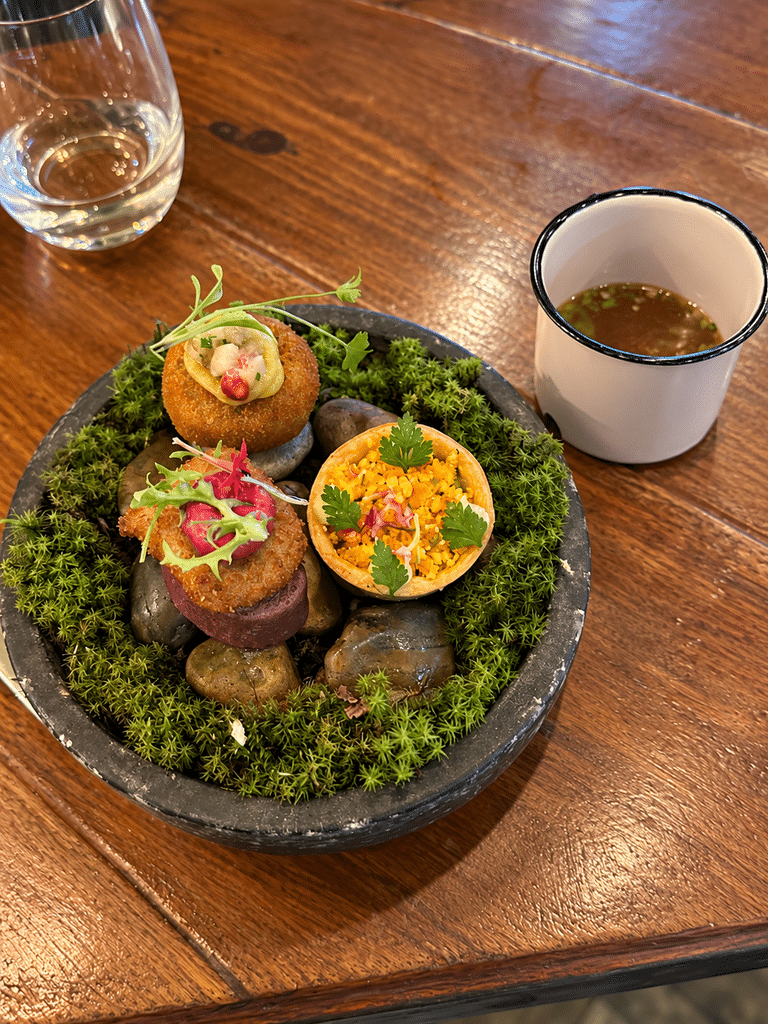
     A Casa do Porco review: three colorful tasting-menu bites presented on moss and stones beside a small cup.
    Small bites from my November 2024 tasting menu at A Casa do Porco.

    1. The Food That Makes Me Want to Return

    I chose the tasting menu on my November 2024 visit. Menus change, so this review describes that experience rather than a promise of the exact dishes served today.

    For a restaurant built around whole-animal cooking, that format gives the kitchen room to show its range. It also gives you a broader view of the approach than choosing a single pork dish.

    What stays with me is the creativity, flavor, and connection to Brazilian food culture. The cooking makes you pay attention to what you are eating and appreciate how much can be done with an ingredient you might otherwise think you already know.

    That is one of the reasons I travel for food. I want experiences that give me a better understanding of a place through what is served.

    A Casa do Porco belongs in that conversation.

    2. Whole-Animal Cooking with a Brazilian Identity

    Chef Jefferson Rueda’s approach gives A Casa do Porco a clear purpose. The restaurant explores how much can be done with the whole animal, drawing on Brazilian cooking and ingredients.

    The connection to the ingredients runs deeper than what appears on the plate. The Michelin Guide describes Rueda’s involvement in raising the pigs and growing much of the produce used in the restaurant.

    That context helps explain the menu. Different cuts and preparations become opportunities to show how much variety one ingredient can offer.

    What I appreciate is that the pleasure of eating remains central to it. There is a concept worth understanding, and there is very good food to enjoy.

    3. Great Drinks, Starting with Cachaça

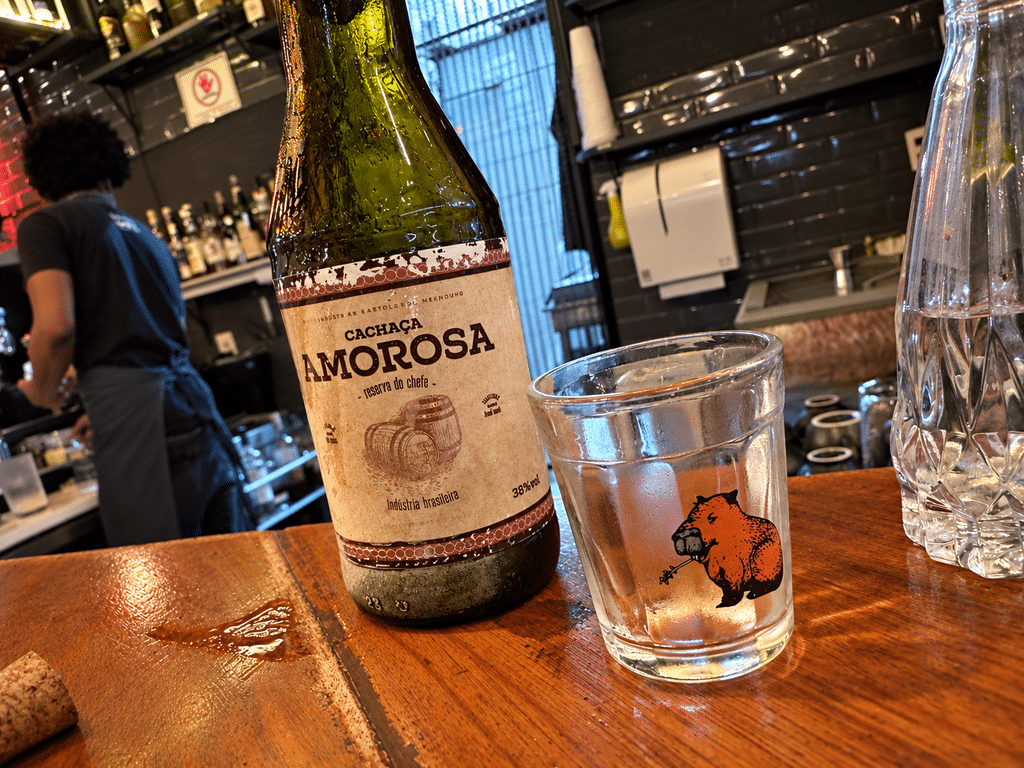
    A Casa do Porco review: A bottle of Cachaça Amorosa Reserva do Chefe beside a small pig-illustrated glass at A Casa do Porco.
    Complimentary cachaça shots started our evening at the bar.

    We started with complimentary cachaça shots, and the drinks were great throughout the experience. They deserve attention alongside the food because they were part of what made the evening enjoyable. The complimentary shots were part of my visit, something I would assume comes with every booking.

    4. A Relaxed Atmosphere at the Bar

    We sat at the bar, and the atmosphere was relaxed. I appreciate that in a restaurant with this level of recognition. An ambitious menu can still be served in a setting where you feel comfortable, and that was part of the appeal here.

    For me, the combination worked: creative cooking, a comfortable seat at the bar, and an evening that felt easy.

    5. A Commitment to Keeping Good Food Accessible

    But accessibility is central to what co-founders Jefferson Rueda and Janaína Torres set out to build. In a 2019 interview with The World’s 50 Best Restaurants, Jefferson explained:

    “Our mission is to give people access to good food, even if it means making less money.”

    That philosophy gives me another reason to respect the restaurant. I enjoy the attention to detail that comes with fine-dining service, but I also appreciate being able to sit at the bar, have a great drink, and eat ambitious food in a relaxed setting. Keeping that experience within reach of more people is a choice worth recognizing in its own right.

    The Pig’s Head Had an Instagram Assignment

    Alongside the tasting menu, an extra order of crispy roasted pork belly with guava jam arrived in a porcelain pig’s head. The head was the serving piece, with the food inside.

    That order had a very specific purpose: getting the pictures for Instagram.

    I appreciate a good food photo myself, so I am hardly in a position to judge. At a restaurant called A Casa do Porco—the House of the Pig—it was certainly an appropriate subject.

    How Much Does A Casa do Porco Cost?

    For context around my November 2024 visit, Exame’s July 2024 reporting listed the tasting menu at R$290 per person, with an optional Brazilian wine pairing for R$210 extra. The menu and pairing together came to R$500 per person.

    Those are the published menu prices from that period, rather than a reconstruction of my final bill with drinks and the additional order.

    For anyone planning a visit now, the latest published pricing I found was R$348 for the tasting menu, plus R$269 for the optional pairing—R$617 together. Those figures were reported in Folha de S.Paulo’s August 2026 restaurant guide.

    The totals above are the menu-plus-pairing sums; they do not include any additional orders or service charges. Check the restaurant’s current menu before booking.

    That price context matters when discussing accessibility. A tasting menu is still a meaningful expense. What I appreciate here is the ambition of the cooking and the commitment to keeping the experience approachable.

    Michelin Recognition—and My Own Opinion

    A factual distinction matters here: A Casa do Porco holds a Michelin Bib Gourmand and a Michelin Green Star. Those recognize value and sustainability respectively; they are different from the conventional Michelin stars awarded for cooking.

    The restaurant retained its sustainability recognition in Michelin’s 2026 selection.

    In my opinion, if A Casa do Porco paired this cooking with a more formal fine-dining style of service, I could see it earning a Michelin star. The food is already worthy of that recognition to me. That is my impression as a diner; Michelin itself says that service style does not determine whether a restaurant receives a star.

    Is A Casa do Porco Worth Visiting?

    Yes. A Casa do Porco belongs in my São Paulo restaurant recommendations, and I want to go back.

    The whole-animal approach gives the meal substance, and the cooking makes the experience enjoyable. I also respect the restaurant’s commitment to keeping ambitious food approachable and connected to the people who live in the city.

    My visit brought together a tasting menu, great drinks, and relaxed bar seating. Those are the details that matter to me when deciding what to recommend.

    If you enjoy pork and want to explore Brazilian food through a kitchen with a clear point of view, this is a restaurant I would put on your list.

    The food, drinks, and relaxed atmosphere give me plenty of reason to return. The Instagram photos were a bonus.

    My verdict in this A Casa do Porco review is simple: great food, great drinks, and a relaxed experience I want to repeat.

    Completely Unnecessary. Absolutely Worth It.


    Useful links