Tag: Formula 1

  • Richard Jarocki The Career I Built. The Passion That Was Always There

    Richard Jarocki The Career I Built. The Passion That Was Always There

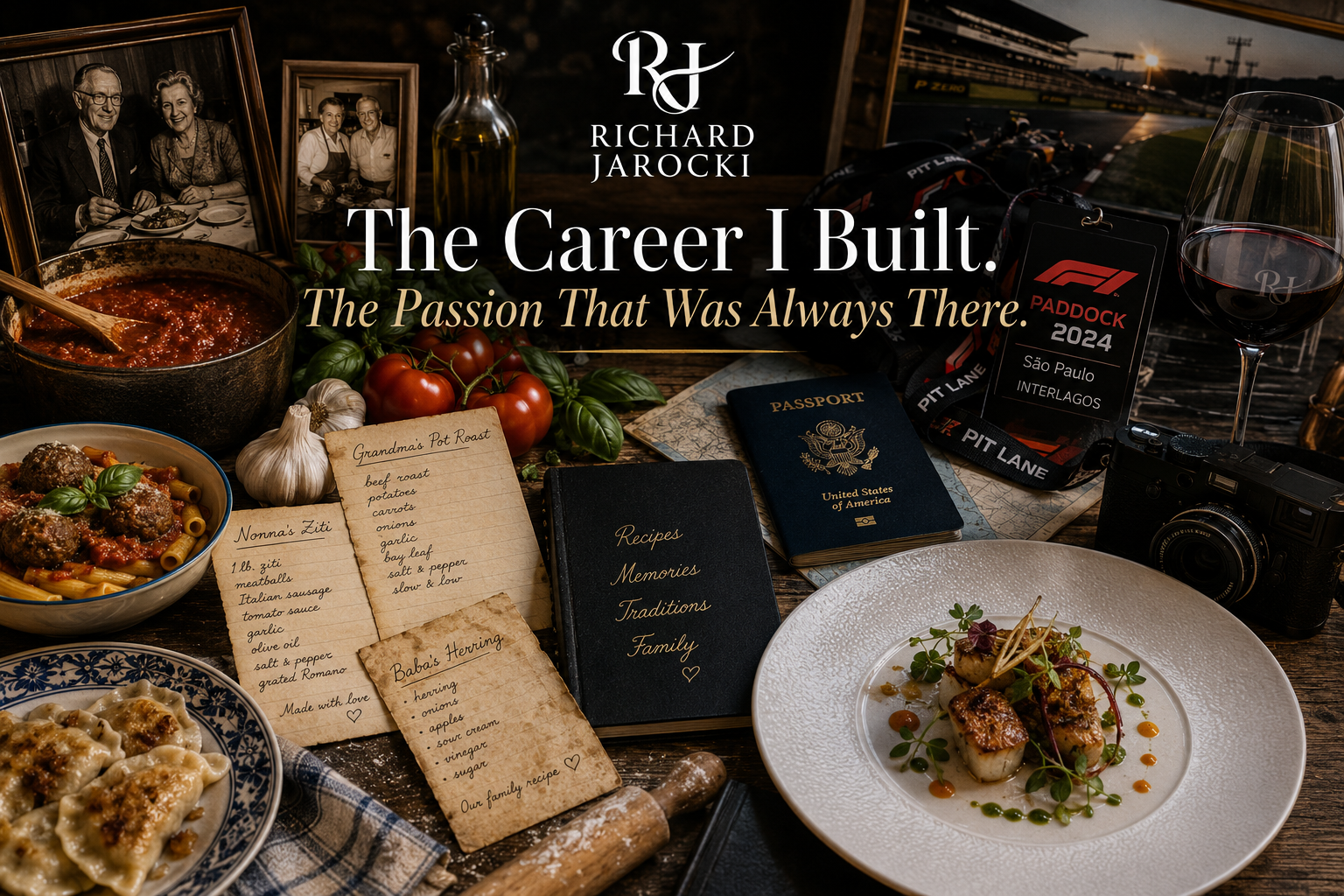
    Featured image for Richard Jarocki's personal story about family recipes, travel, Formula 1, and fine dining.

    Where It All Began

    This is what shaped Richard Jarocki into who he is Today

    Long before I ever stepped into a car dealership…

    Long before Formula 1…

    Long before Michelin stars, cocktail bars, and international travel…

    There were my grandparents’ kitchens.

    My maternal grandparents lived just a few blocks from where I grew up, and I spent countless hours at their house.

    My grandfather was a retired attorney, but in my eyes, he was also an incredible home cook.

    Whenever he was in the kitchen, I wanted to be there too.

    I wasn’t the chef.

    I was his helper.

    He taught me the basics that every cook should know.

    How to fry an egg properly.

    How to make scrambled eggs.

    How to cook bacon… even if I burned more than a few slices while I was learning.

    At the time, they seemed like simple lessons.

    Looking back, they were the foundation of everything that came later.

    He taught me that cooking wasn’t something to rush.

    It was something to enjoy.

    Going out to dinner was part of their routine too. They weren’t chasing the newest restaurant in town or the latest trend. They had their favorite places—restaurants where everyone knew them, where they knew the staff, and where every visit felt familiar.

    It wasn’t about finding something new.

    It was about enjoying good food with the people you loved.

    My grandmother was Italian, and her cooking is still the standard I compare comfort food against today.

    Her ziti.

    Her meatballs.

    Her sausage.

    Her pot roast.

    Those weren’t just family dinners.

    They became family traditions.

    As I got older, I realized those recipes wouldn’t last forever unless someone learned them.

    So instead of just showing up to eat, I started showing up to cook.

    I wanted to learn exactly how she made the meatballs.

    How she seasoned the sauce.

    How she knew the pot roast was finished without ever looking at a recipe.

    Today, those recipes are among my most treasured possessions.

    Not because they’re complicated.

    Because every time I make them, I’m back in her kitchen.

    My father’s side of the family shaped me in a different way.

    They were Polish, and family gatherings meant homemade pierogies, traditional Polish dishes, and incredible baked desserts.

    My Polish grandmother loved to bake.

    Today, our family still has many of her handwritten recipes.

    My Polish grandfather had a family herring recipe that had been passed down through generations. Before he passed away, he made sure my father received it.

    I have a copy too.

    When I was younger, I didn’t understand why both of my grandmothers spent so much time cooking and baking.

    Now I do.

    It was never just about the food.

    It was how they showed love.

    Looking back, I realize my appreciation for food didn’t begin in a Michelin-starred restaurant.

    It didn’t begin while traveling.

    It began around my grandparents’ tables.


    Then Life Took Me Somewhere Else

    Like most people, I needed to build a career.

    I never planned on selling cars.

    I walked into a dealership looking for a bookkeeping position. Instead, I was offered a sales position. I took a chance, and that decision changed the course of my life.

    The majority of my career was spent with Nissan, where I worked my way from salesperson to Finance Manager, then General Sales Manager, and eventually General Manager.

    Along the way, I also had the opportunity to work with Ford, BMW, and Ferrari.

    I’ve always loved cars.

    I still do.

    But after twenty-five years in the automotive industry, something changed.

    Cars gradually became more of a commodity than a hobby.

    Instead of admiring them simply as incredible machines, I found myself thinking about inventory, financing, deliveries, staffing, month-end objectives, and everything that comes with running a dealership.

    Cars became my profession.

    Food never stopped being my passion.


    Building Something That Gave Me Time

    Throughout my automotive career, I was also building another business.

    Year after year, it continued to grow.

    Eventually, it reached a point where it gave me something I hadn’t had in a very long time.

    Time.

    For the first time in years, I was able to step back from many of the day-to-day responsibilities that came with managing a dealership.

    I wasn’t leaving the automotive industry.

    I was creating the freedom to pursue another part of who I had always been.


    The Trip That Changed Everything

    A few years ago, I traveled to São Paulo for my first Brazilian Grand Prix.

    Like every Formula 1 fan, I couldn’t wait to experience the race.

    The speed.

    The atmosphere.

    The history.

    But when I came home and looked through my photos, something surprised me.

    Some of my favorite memories weren’t from Interlagos.

    They were from the restaurants.

    The cocktail bars.

    The conversations around the table.

    The neighborhoods I explored because I had a reservation there.

    The race brought me to São Paulo.

    The food helped me understand it.

    That’s when I realized something I’d been doing for years without ever thinking about it.

    I wasn’t planning vacations around attractions.

    I was planning them around restaurants.

    Before I booked a hotel, I researched where I wanted to eat.

    Before I picked a neighborhood, I looked at the restaurants, cocktail bars, cafés, and markets nearby.

    Reservations came first.

    Everything else fit around them.

    Without realizing it, food had quietly become the center of almost every trip I’d ever planned.


    Why I Usually Choose the Tasting Menu

    People often ask why I order tasting menus so often.

    The answer has very little to do with luxury.

    It’s because I want the chef to challenge me.

    When I visit a restaurant for the first time, I don’t want to order only the dishes that sound familiar or comfortable.

    I want to experience the restaurant the way the chef envisioned it.

    A tasting menu removes that decision.

    It forces me to trust the chef.

    It introduces me to ingredients I probably never would have ordered on my own.

    Some of the best dishes I’ve ever eaten are things I would have skipped if I had been ordering à la carte.

    That doesn’t mean I only enjoy tasting menus.

    If money—and my stomach—weren’t factors, I’d happily order almost the entire menu at many restaurants.

    I genuinely want to know what a kitchen is capable of.

    But ordering every dish becomes expensive, and after a certain point you’re simply too full to appreciate what you’re eating.

    A well-designed tasting menu solves that problem.

    The chef has already decided the progression, the pacing, and the portions.

    Every course tells part of the story.

    That’s why, whenever I visit a restaurant for the first time, I usually let the chef decide.

    Because some of the best meals I’ve ever had weren’t the dishes I wanted to order.

    They were the dishes I never would have ordered at all.


    More Than Great Food

    People sometimes assume I chase Michelin stars or expensive restaurants.

    That’s never been the point.

    Some of the best meals I’ve ever had weren’t the most expensive.

    What fascinates me is the story.

    The chef.

    The history.

    The ingredients.

    The culture.

    A restaurant can teach you as much about a city as any museum or famous landmark.

    Food isn’t just something I eat while I travel.

    It’s how I experience a destination.


    Why I’m Sharing My Journey

    When I first started posting photos online, I wasn’t trying to become a food blogger.

    I simply wanted to remember the places I’d been.

    Then people started asking questions.

    Where should I eat?

    Which restaurant is actually worth the reservation?

    What cocktail bar shouldn’t I miss?

    Over time, I realized I wasn’t just sharing restaurants.

    I was helping people experience destinations through food.

    That’s what RichardJarocki.com is becoming.

    A place where I can share honest stories about restaurants, cocktail bars, luxury hotels, Formula 1 destinations, and the people who make them special.

    Not just telling you where to eat.

    Helping you understand why it’s worth going.


    Looking Ahead

    I’m still in the automotive industry.

    I still love cars.

    I always will.

    But today they’re no longer the only thing that defines me.

    For twenty-five years, I built a career that gave me stability, opportunity, and experiences I’ll always be grateful for.

    Now I’m investing in the passion that has quietly been part of my life since I was standing beside my grandfather learning how to fry an egg.

    Because I finally realized something.

    Food has never just been about eating.

    It’s about family.

    It’s about culture.

    It’s about travel.

    It’s about memories.

    It’s about the people sitting around the table.

    If my stories inspire someone to learn a family recipe before it’s too late, book the restaurant they’ve been debating, or discover a city through its food instead of a checklist of attractions, then every mile I’ve traveled and every article I’ve written has been worth it.

    Because the greatest meals aren’t always the most expensive.

    Sometimes they’re the ones that remind you where your story began.

    Then I created my brand Richard Jarocki
    Follow my IG

  • Formula 1 Beyond the Circuit

    Formula 1 Beyond the Circuit

    Follow my Instagram

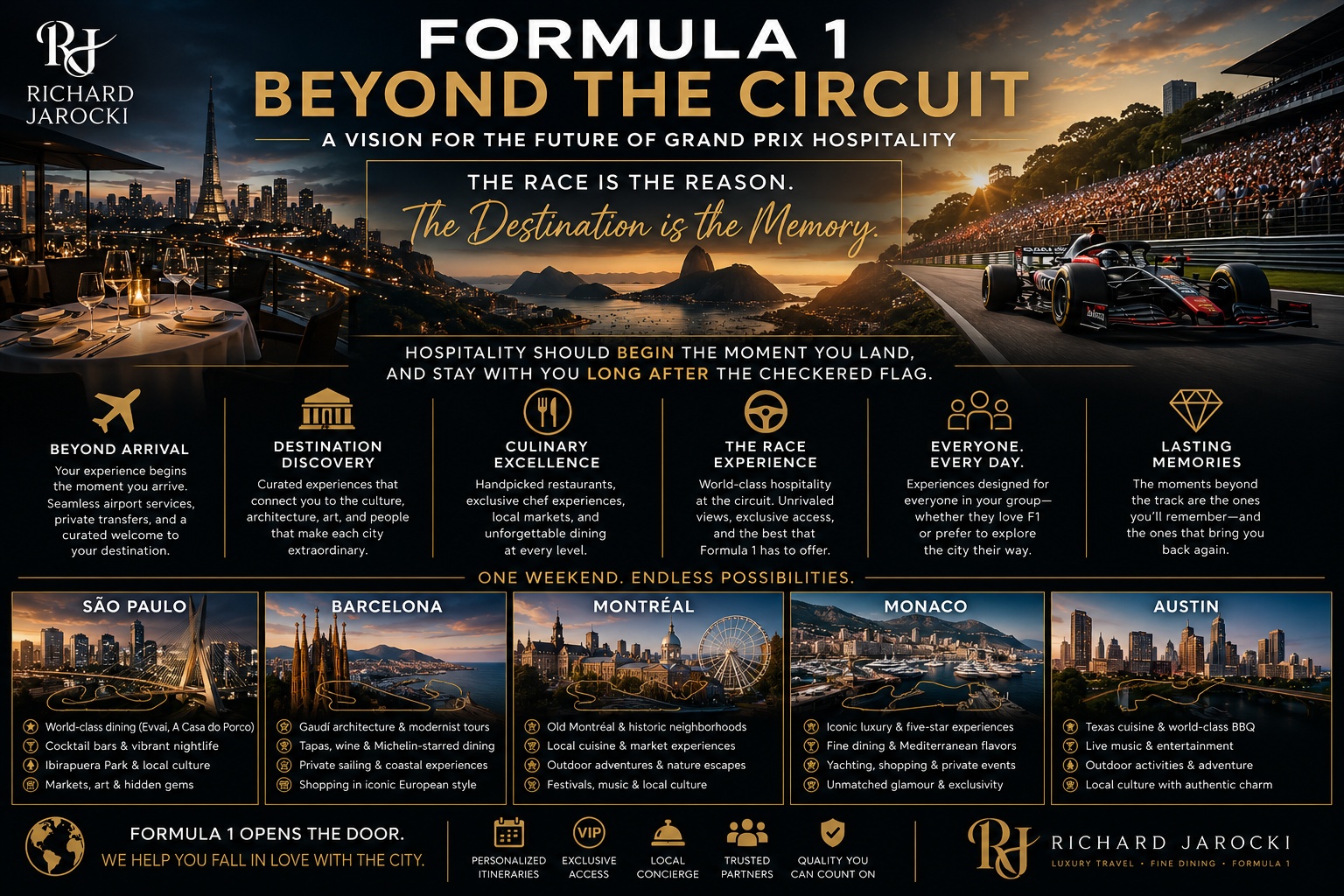
    Infographic illustrating a vision for the future of Formula 1 hospitality, featuring Grand Prix destinations, luxury travel, fine dining, and experiences beyond the race circuit by Richard Jarocki.

    A Vision for the Future of Grand Prix Hospitality

    The Opportunity

    Over the past several years, I’ve traveled to Formula 1 destinations around the world—not simply to attend races, but to experience the cities that host them.

    Long before I purchase a race ticket, I’m researching restaurants, cocktail bars, hotels, neighborhoods, architecture, museums, and local culture. Sometimes I know where I’ll have dinner months before I know where I’ll be sitting on race day.

    Along the way, I realized something.

    Formula 1 has become one of the world’s greatest reasons to travel.

    But we’re still treating the destination as a backdrop rather than part of the experience.

    Every Grand Prix introduces hundreds of thousands of people to cities they may never have otherwise visited. The racing is extraordinary, yet the opportunity to connect guests with the destination often begins and ends at the circuit gates.

    I believe there’s an opportunity to expand what Formula 1 hospitality means—not by replacing what’s already exceptional, but by extending it beyond the track.


    Formula 1 Isn’t Selling Three Days

    This is where I think the article becomes more interesting.

    People often describe Formula 1 as a weekend event.

    I don’t think that’s true anymore.

    When someone travels from New York to São Paulo, London to Singapore, or Sydney to Montréal, they’re not buying a three-day sporting event.

    They’re planning an international vacation.

    The race may be the reason they booked the flight, but it’s rarely the only reason they’re traveling.

    For many guests, the Grand Prix is one chapter in a much larger story.

    Hospitality should reflect that.


    Hospitality Should Begin Before the First Practice Session

    Today’s hospitality programs are exceptional once guests arrive at the circuit.

    But what happens before Friday morning?

    Imagine arriving in Barcelona.

    Instead of simply receiving your race credentials, you receive a curated itinerary tailored to your interests.

    Perhaps you’re passionate about architecture. Your first afternoon explores Gaudí’s masterpieces before dinner at one of Barcelona’s most celebrated restaurants.

    Maybe food is your passion. Your itinerary introduces you to neighborhood tapas bars, a market tour, and one of the city’s Michelin-starred tasting menus.

    Or perhaps you’re visiting with your family. While you’re at the circuit, your spouse and children spend the day on experiences designed specifically for them, all curated under the same standard of excellence associated with Formula 1.

    Now hospitality isn’t confined to the paddock.

    It’s woven into the entire journey.


    One Trip. Different Experiences.

    This, in my opinion, is where Formula 1 has its biggest opportunity.

    Not everyone who travels to a Grand Prix is a Formula 1 fan.

    Some are spouses.

    Some are children.

    Some are parents.

    Some are corporate guests.

    Some are clients invited by sponsors.

    Some simply want to experience a new city.

    Yet too often they’re treated as an afterthought.

    Imagine asking one simple question during booking:

    “Who is traveling with you?”

    That single question changes everything.

    One guest spends the afternoon inside the Paddock Club.

    Their partner spends the afternoon exploring São Paulo’s art museums with a private guide before enjoying cocktails at one of Latin America’s best bars.

    Their children participate in an FIA-inspired STEM program where they learn how aerodynamics, engineering, and sustainability shape modern motorsport through hands-on activities.

    Everyone reconvenes for dinner.

    Everyone has stories to tell.

    Nobody spent the day waiting for someone else.


    Every Grand Prix Should Feel Like Its Host City

    One of Formula 1’s greatest strengths is its global calendar.

    No two cities are alike.

    So why should hospitality feel the same?

    The experience in Japan should celebrate Japanese craftsmanship, precision, and cuisine.

    Montréal should showcase Québec’s culinary scene, history, and neighborhoods.

    São Paulo should introduce guests to one of the world’s most exciting food cities.

    Melbourne should embrace its coffee culture, laneways, and coastal lifestyle.

    Monaco should feel unmistakably Monaco.

    The destination itself should shape the experience.

    Because guests don’t simply remember where they watched the race.

    They remember where they had the best meal of their lives.

    They remember the bartender who introduced them to a local spirit.

    They remember wandering neighborhoods they would never have discovered on their own.

    Those memories become inseparable from the Grand Prix itself.


    A New Standard: FIA-Endorsed Destination Experiences

    This doesn’t require Formula 1 to become a tour operator.

    Instead, it could become a trusted curator.

    Working alongside tourism boards, Michelin Guide restaurants, museums, luxury hotels, local guides, and cultural institutions, every Grand Prix could offer an official collection of experiences carrying the same quality standards associated with the championship.

    Guests would know these aren’t generic excursions.

    They’re experiences chosen because they represent the very best of that city.

    That distinction matters.


    Technology Makes This Possible

    Imagine the official Formula 1 app evolving beyond schedules and timing.

    After purchasing your ticket, guests complete a short profile.

    • Are you traveling alone?
    • With family?
    • With children?
    • Are you interested in food?
    • Architecture?
    • Shopping?
    • Wine?
    • Photography?
    • Wellness?
    • Adventure?

    Artificial intelligence could build a personalized itinerary around the race weekend, integrating official experiences, restaurant reservations, transportation, and local recommendations into one seamless journey.

    Every guest leaves with an experience unique to them.


    Why This Makes Business Sense

    This isn’t simply about improving hospitality.

    It’s about increasing value for everyone involved.

    When visitors extend their stay from three nights to six, everyone benefits.

    Hotels see higher occupancy.

    Restaurants welcome more guests.

    Museums and attractions gain additional visitors.

    Local businesses generate more revenue.

    Sponsors gain more opportunities to engage with guests beyond the circuit.

    Host cities strengthen the economic case for investing in Formula 1.

    Formula 1 itself becomes associated with world-class travel, not just world-class racing.

    Hospitality becomes an economic engine rather than simply an event offering.


    A Framework for Destination Hospitality

    If I were designing hospitality for a Grand Prix, I’d build it around five principles.

    1. Arrival

    The guest experience begins at the airport—not at the circuit.

    2. Discovery

    Introduce visitors to the city’s neighborhoods, culture, history, and people.

    3. Culinary

    Use restaurants, markets, cafés, and bars to tell the story of the destination.

    4. Circuit

    Deliver the exceptional race-day experience Formula 1 already excels at.

    5. Legacy

    Leave guests wanting to return to the city, even when there isn’t a race.

    When these five elements work together, a Grand Prix becomes more than a sporting event.

    It becomes one of the world’s great travel experiences.


    Beyond Hospitality

    Ultimately, this isn’t just about hospitality.

    It’s about strengthening the relationship between Formula 1 and the cities that welcome it.

    The championship already inspires millions of people to travel.

    The next evolution is ensuring they fall in love not only with the race, but with the destination itself.

    Because the most memorable Grand Prix weekends don’t end when the checkered flag falls.

    They continue every time someone remembers the café where they had breakfast, the neighborhood they wandered through, the restaurant they’ll spend years recommending to friends, or the city they can’t wait to return to.

    Formula 1 has already become a global lifestyle brand.

    I believe its next chapter is becoming the world’s greatest gateway to travel.

  • São Paulo Travel Story: The Trip That Changed Everything

    São Paulo Travel Story: The Trip That Changed Everything

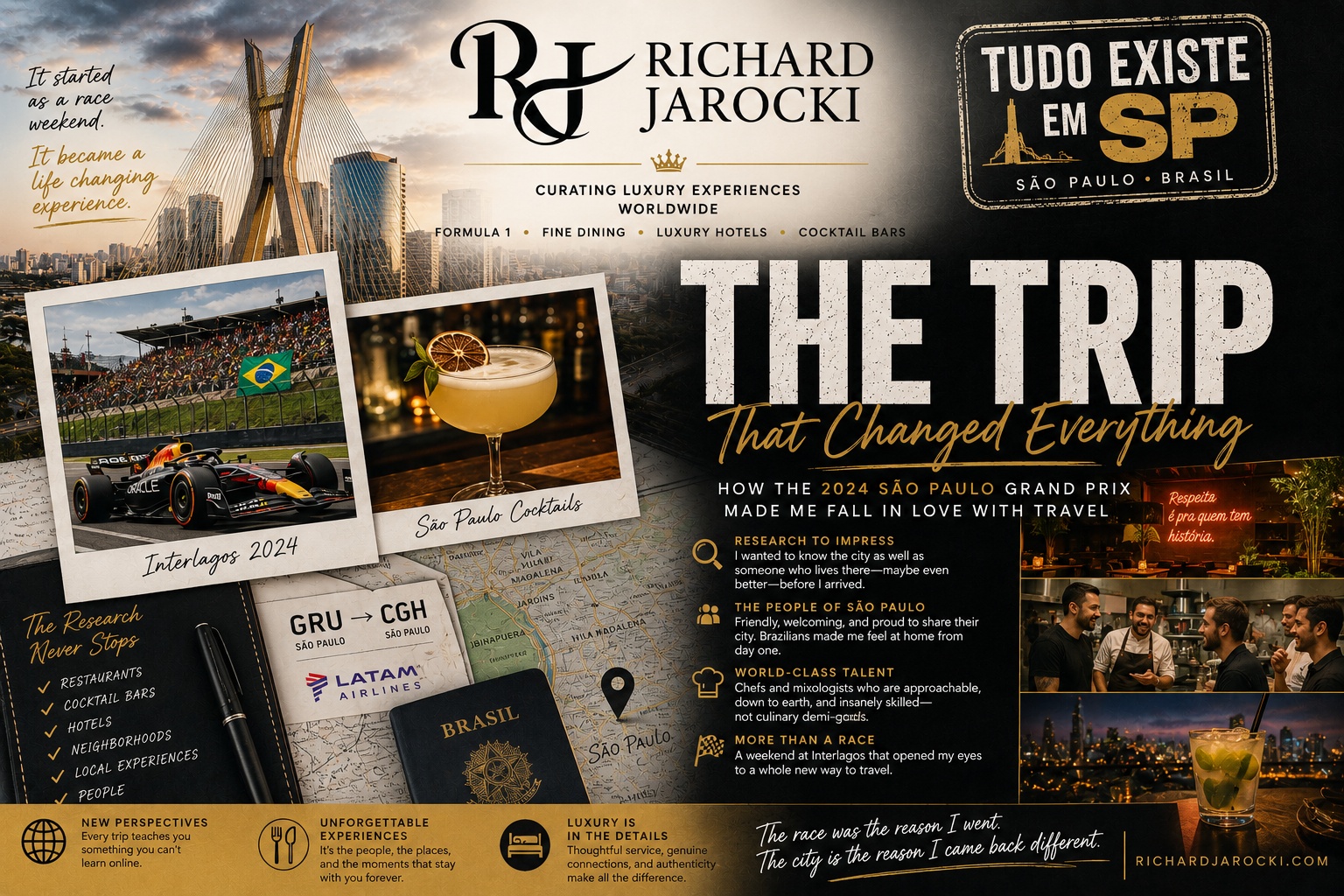
    How the 2024 São Paulo Grand Prix Made Me Fall in Love with Travel

    How the 2024 São Paulo Grand Prix Made Me Fall in Love with Travel | Richard Jarock

    My São Paulo travel story

    For more than twenty years, my life revolved around one thing: the automotive business.

    Long hours. Endless weekends. Sales goals. Deliveries. Finance paperwork. It was a career I genuinely loved, but it didn’t leave much room for travel.

    Vacations weren’t really adventures.

    They were opportunities to recharge before going back to work.

    Travel was never something I obsessed over.

    It was simply something you did.

    Then Formula 1 entered my life.

    Working with Ferrari introduced me to an entirely different world. At first, I fell in love with the engineering. Then the history. Then the competition. Before long, every race weekend became must-watch television.

    Eventually watching wasn’t enough.

    I wanted to experience Formula 1 in person.

    That decision would eventually take me somewhere I never expected.

    São Paulo.

    I Thought I Was Going for Formula 1

    When I booked my trip to the 2024 Brazilian Grand Prix, I thought I knew exactly why I was going.

    Interlagos.

    The home of Ayrton Senna.

    One of Formula 1’s most historic circuits.

    The incredible Brazilian fans.

    That was the reason I bought the plane ticket.

    At least that’s what I told myself.

    Looking back, Formula 1 was only the beginning.

    I Had Something to Prove

    There was another reason I planned that trip so obsessively.

    I wanted to impress someone who lived in São Paulo. This is what started my São Paulo Travel Story

    That might sound strange.

    Most people visit a city and rely on the locals to show them around.

    I wanted to do the opposite.

    I wanted to arrive knowing the city well enough that I could contribute to the experience—not just follow someone else’s itinerary.

    Maybe I could even introduce them to a restaurant or cocktail bar they hadn’t discovered themselves.

    That became the challenge.

    Could someone living nearly 5,000 miles away learn another person’s city well enough to surprise them?

    So I started researching.

    Then I researched even more.

    Restaurant menus.

    Chef interviews.

    Google Maps.

    Neighborhoods.

    Cocktail bars.

    Luxury hotels.

    Food blogs.

    YouTube walking tours.

    Reddit threads.

    I translated menus written entirely in Portuguese just to understand what chefs were creating.

    I learned which neighborhoods had the best restaurants.

    Which cocktail bars were worth visiting.

    Which hotels truly justified their prices.

    I wasn’t building a vacation anymore.

    I was studying a city.

    Of course, I quickly learned something important.

    No matter how much research you do, you can never truly know a place until you’re standing in it.

    But the research gave me confidence.

    Instead of arriving completely unfamiliar with São Paulo, I landed feeling like I already knew its neighborhoods, its restaurants, and its rhythm.

    That completely changed the trip.

    More Than a Race

    Interlagos was everything I’d imagined.

    The noise.

    The atmosphere.

    The energy.

    The passion of Brazilian Formula 1 fans is unlike anything I’d experienced before.

    You could feel Ayrton Senna’s legacy everywhere.

    For one weekend, the entire city seemed connected by Formula 1.

    It was unforgettable.

    But what surprised me most wasn’t what happened inside the circuit.

    It was everything outside of it.

    The City That Changed My Perspective

    Like many Americans, I didn’t know much about São Paulo before arriving.

    I expected traffic and crime.

    Skyscrapers.

    A huge city.

    But my experience during my São Paulo Travel Story.

    I found was one of the most exciting culinary destinations I’d ever experienced.

    Restaurants operating at an astonishing level.

    Cocktail bars that could compete with any city in the world.

    Neighborhoods that each felt completely different.

    Every day became another excuse to explore.

    One reservation turned into another recommendation.

    One cocktail bar led to another neighborhood.

    One conversation led to another unforgettable meal.

    The itinerary I’d spent months creating suddenly became secondary.

    The city was creating its own itinerary for me.

    The People Changed Everything

    The restaurants were incredible.

    The cocktails were unforgettable.

    But the people are what made me fall in love with Brazil.

    Brazilians welcomed me in a way I hadn’t experienced anywhere else.

    Everyone seemed genuinely proud of their city and excited to share it.

    Hotel staff.

    Drivers.

    Servers.

    Bartenders.

    Chefs.

    Complete strangers.

    There was an openness that immediately made me feel comfortable.

    The culinary world surprised me even more.

    In cities like New York, it’s easy for celebrated chefs and mixologists to feel almost untouchable.

    People line up for months to eat their food.

    Social media turns them into celebrities.

    Sometimes there’s an invisible wall between the guest and the person creating the experience.

    São Paulo felt different.

    The chefs I met wanted to talk.

    The bartenders were genuinely curious.

    The mixologists explained why they built a cocktail a certain way.

    Nobody acted like they were above the people sitting at their tables.

    They were world-class professionals who still felt approachable.

    That made every meal feel personal.

    And honestly?

    Some of the talent I experienced in São Paulo was every bit as impressive as anything I’ve found in New York.

    In some cases, even better.

    Not because they were trying harder.

    Because there was no ego attached to it.

    Just pride.

    Passion.

    Hospitality.

    That combination completely changed the way I look at restaurants today.

    Luxury Isn’t What I Thought It Was

    Brazil also changed my definition of luxury.

    Luxury isn’t simply paying the highest price.

    Luxury is attention to detail.

    It’s thoughtful hospitality.

    It’s a bartender remembering what you ordered yesterday.

    It’s a chef explaining why a dish matters.

    It’s a hotel that makes every interaction feel effortless.

    The most expensive experience isn’t always the best one.

    The most memorable usually comes down to the people.

    That lesson has stayed with me ever since.

    The Research Never Stopped My São Paulo Travel Story

    When I came home, something had changed.

    I wasn’t looking at travel the same way anymore.

    Now every destination became a puzzle.

    Where should I stay?

    Which restaurants actually deserve the hype?

    Which cocktail bars are worth crossing a city for?

    Which neighborhoods should I spend an afternoon wandering?

    The research itself became part of the excitement.

    The trip no longer started at the airport.

    It started months earlier.

    Why This Website Exists

    Friends started asking for recommendations.

    Where should we stay?

    Which hotel is actually worth the money?

    Where should we eat?

    What shouldn’t we waste time on?

    I realized I’d already spent hundreds—eventually thousands—of hours researching destinations before every trip.

    Why not share it?

    That’s how this website was born.

    Not because I wanted to become a travel blogger.

    Because I wanted to help people experience cities the way I had learned to.

    Not through checklists.

    Not through influencers.

    Through curiosity.

    Through incredible meals.

    Through conversations.

    Through neighborhoods.

    Through the people who make every destination unique.

    Looking Back

    When I booked a ticket to the 2024 São Paulo Grand Prix, I thought I was buying admission to a Formula 1 race.

    Instead, I discovered a city that completely changed how I travel.

    I arrived hoping to impress someone who already knew São Paulo.

    I left realizing I had only scratched the surface.

    I learned that great restaurants are about more than food.

    Great cocktail bars are about more than drinks.

    Luxury is about people.

    Hospitality is about connection.

    And travel isn’t about how many places you visit.

    It’s about how deeply you experience them.

    Formula 1 got me on the plane.

    São Paulo made me fall in love with travel.

    Everything I’ve built since—from the restaurants I visit to the hotels I book, the cocktail bars I seek out, and even this website—can be traced back to that one trip.

    The race lasted one weekend.

    The impact is still shaping every journey I take today.

    This is my São Paulo Travel Story

    Follow My Instagram

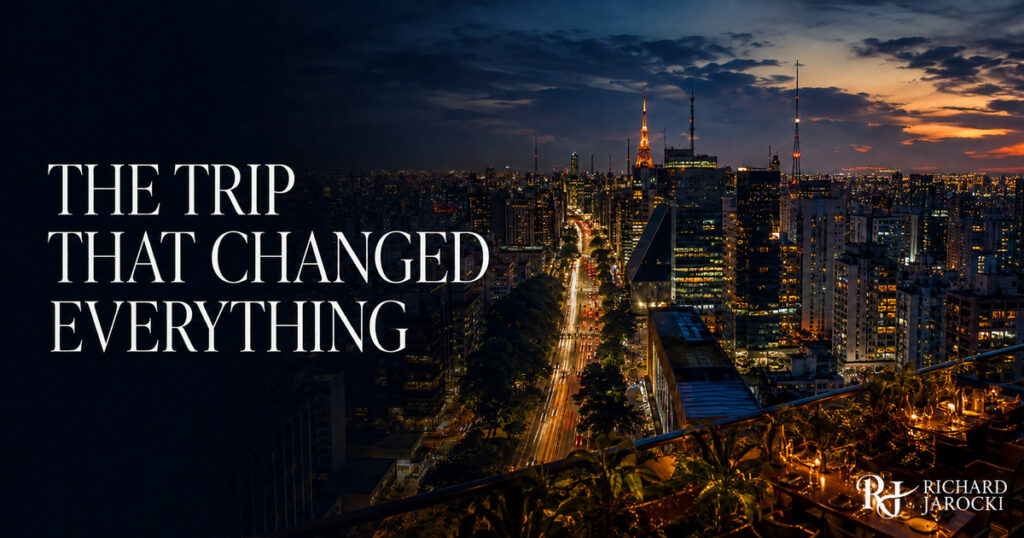
    São Paulo Travel Story, The skyline at night for Richard Jarocki’s The Trip That Changed Everything
    The trip to São Paulo that changed how I experienced food, culture and travel—and ultimately changed the direction of my life.

  • Travel Research Process, The Research Never Stops: How I Plan Every Trip

    Travel Research Process, The Research Never Stops: How I Plan Every Trip

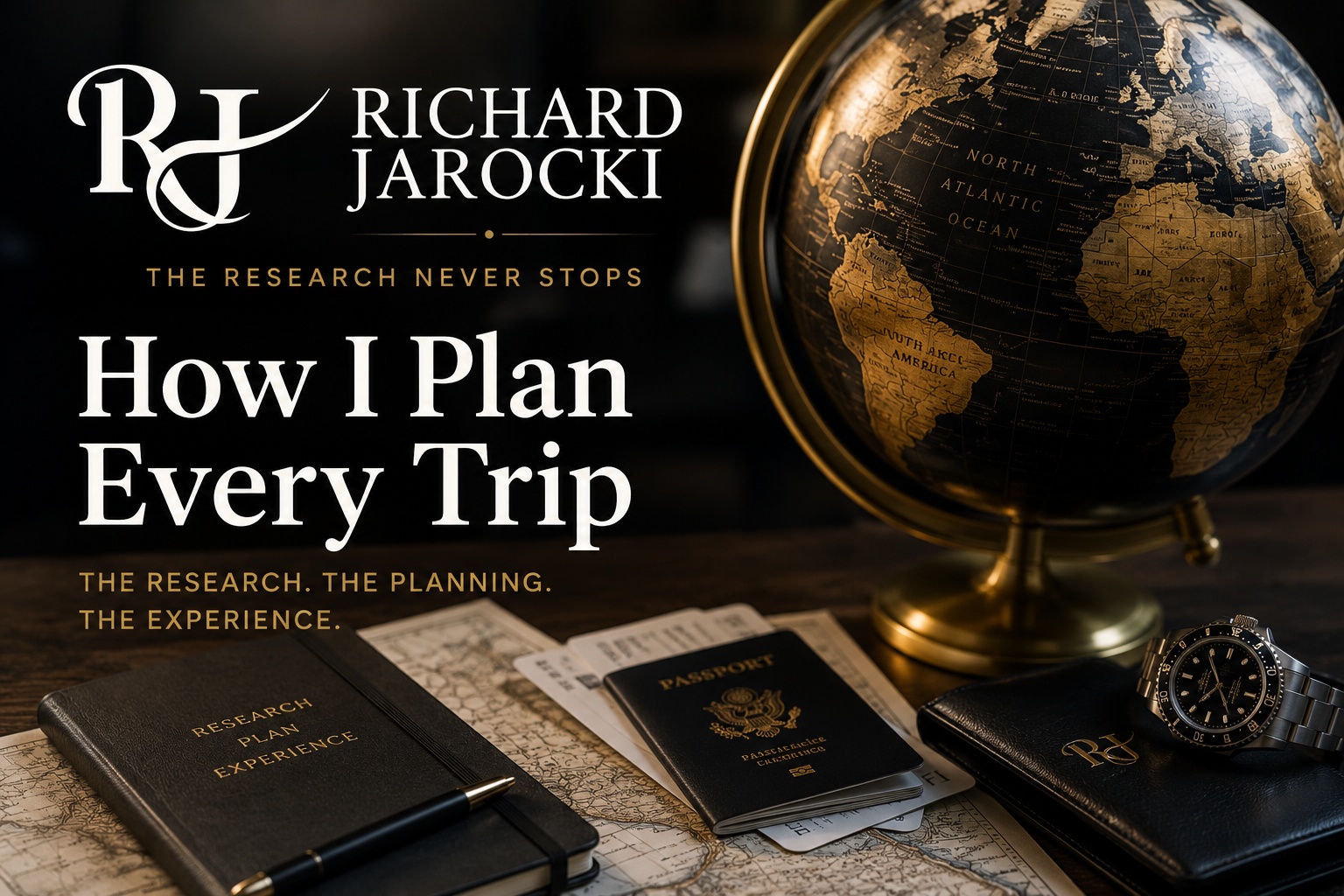
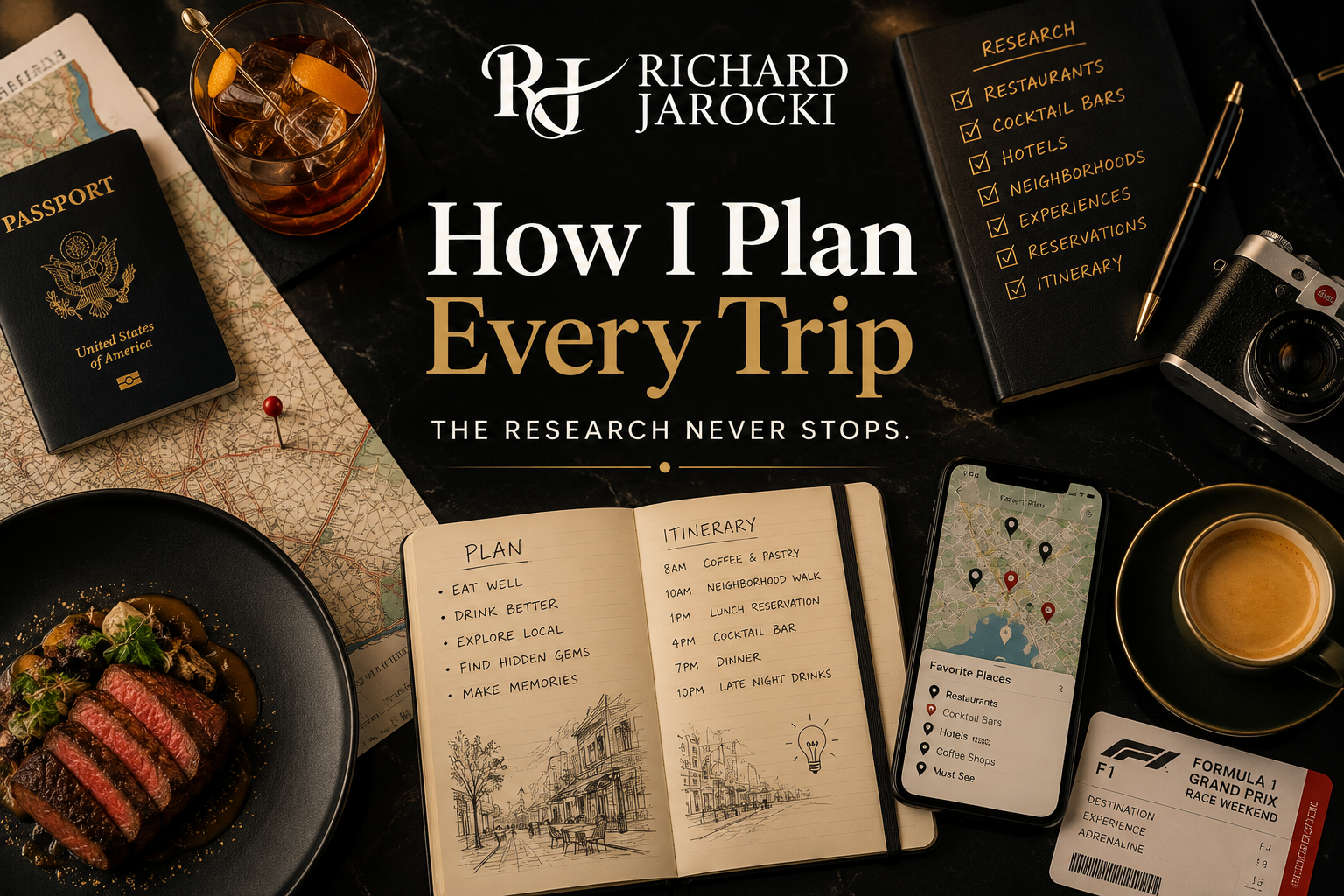
    Travel Research Process: Luxury travel planning flat lay featuring a passport, travel notebook, cocktail, Formula 1 ticket, camera, map, smartphone, and Richard Jarocki branding, representing the research behind every trip.

    Travel Research Process

    Most people start planning a vacation by looking for flights.

    I usually start with a restaurant.

    Sometimes it’s a Michelin-starred dining room that’s been on my list for years. Sometimes it’s a cocktail bar tucked away on a quiet side street that only holds a dozen people. Other times it’s a Formula 1 race that gives me the excuse to explore a city I might not have visited otherwise.

    Wherever it begins, the process is almost always the same.

    I become obsessed.

    What starts as a simple weekend getaway slowly transforms into dozens of browser tabs, spreadsheets, reservation alerts, Google Maps pins, YouTube videos, travel forums, restaurant menus, hotel reviews, and enough research to write a small travel guide before I’ve even boarded the plane.

    Most people would probably call it overkill.

    They’re probably right.

    But that’s also why I rarely leave a destination wishing I had done more.

    Travel Is More Than a Destination

    For me, traveling has never been about checking countries off a list.

    I don’t travel simply to say I’ve been somewhere.

    I travel to understand why people love a place.

    That means learning about its neighborhoods, understanding its food culture, discovering its cocktail scene, finding the hotels that actually live up to their reputation, and talking to the people who spend their lives creating memorable experiences.

    The destination is important.

    But the experience is everything.

    Travel Research Process Step One: Find a Reason to Go

    Every trip needs a centerpiece.

    Sometimes it’s Formula 1.

    Sometimes it’s a restaurant reservation that seemed impossible to get.

    Sometimes it’s a city I’ve wanted to explore for years.

    That one experience becomes the anchor around which everything else is built.

    When I planned my trip to Barcelona, the original goal was the Spanish Grand Prix.

    Then came reservations at Disfrutar, Mont Bar, and Kresala.

    Suddenly the race weekend wasn’t the only reason I was excited.

    The restaurants became just as important as the racing.

    When I travel to São Paulo, it starts with Formula 1—but quickly expands into researching Michelin-starred restaurants, hidden cocktail bars, local neighborhoods, and experiences that most visitors never discover.

    One great reservation can change the entire direction of a trip.

    Travel Research Process Step Two: Ignore the “Top 10 Things to Do”

    The internet loves lists.

    Top 10 attractions.

    Top 20 restaurants.

    Five hidden gems.

    Those lists are useful—but only as a starting point.

    Most of the truly memorable experiences I’ve had weren’t at the top of those articles.

    Instead, I dig deeper.

    I read chef interviews.

    I study restaurant menus months before arriving.

    I look at cocktail programs instead of just drink photos.

    I search Reddit to see what locals actually recommend.

    I browse Google Maps until I find places with hundreds of reviews but almost no social media attention.

    I’ll spend hours comparing neighborhoods because staying in the right location can completely change how a city feels.

    Research isn’t about finding the most famous place.

    It’s about finding the place that’s right for you.

    Travel Research Process Step Three: Build the Trip Around Food

    Some people eat wherever they happen to be.

    I’m the opposite.

    Meals often determine my daily schedule.

    If dinner is on the opposite side of the city, I’ll spend the afternoon exploring that neighborhood.

    If lunch finishes near a famous cocktail bar, I’ll stop in for one drink before continuing the day.

    If there’s an incredible bakery nearby, breakfast is already planned.

    The best itineraries flow naturally.

    You’re not bouncing back and forth across the city.

    You’re letting restaurants, museums, parks, and bars complement one another.

    Planning this way creates better days—and a lot less time sitting in traffic.

    Travel Research Process Step Four: Walk Whenever Possible

    One of my favorite discoveries has nothing to do with reservations.

    It’s walking.

    Some of the best memories I’ve made happened between destinations.

    Finding a neighborhood café.

    Watching locals gather in a small square.

    Discovering a cocktail bar that wasn’t on my list.

    Seeing architecture I’d never have noticed from the back seat of a taxi.

    Walking slows everything down.

    It forces you to notice details.

    Those unexpected moments often become the stories you remember years later.

    Travel Research Process Step Five: Talk to People

    This is probably the most underrated part of travel.

    Talk to bartenders.

    Talk to servers.

    Talk to hotel concierges.

    Talk to chefs if they’re available.

    Ask what they eat on their day off.

    Ask where they send visiting friends.

    Ask what everyone else misses.

    Those conversations have led me to restaurants that never appeared in any guidebook.

    They’ve introduced me to local specialties I wouldn’t have ordered otherwise.

    They’ve changed entire afternoons because someone pointed me toward a neighborhood I hadn’t planned to visit.

    The people who live there usually know the city better than any influencer ever will.

    Travel Research Process Step Six: Leave Room for the Unexpected

    Research is important.

    Flexibility is just as important.

    Not every reservation works out.

    Weather changes.

    Flights get delayed.

    A local recommendation might completely reshape your plans.

    That’s okay.

    Some of my favorite travel memories happened because something unexpected forced me to change direction.

    The goal isn’t to execute the perfect itinerary.

    The goal is to create opportunities for unforgettable experiences.

    Luxury Doesn’t Always Mean Expensive

    People often assume luxury travel means spending as much money as possible.

    I don’t see it that way.

    Luxury is value.

    A perfectly made cocktail served by someone passionate about their craft can feel more luxurious than a five-star hotel with mediocre service.

    A neighborhood restaurant where the chef personally introduces each course can leave a stronger impression than the world’s most expensive tasting menu.

    Price matters.

    Quality matters more.

    That’s why I don’t recommend places because they’re expensive.

    I recommend them because they’re exceptional.

    Why I Share These Experiences

    People often ask me where they should eat in a city.

    Which hotel I’d book.

    Which cocktail bar is actually worth visiting.

    Or whether a famous restaurant deserves all the attention it gets.

    Those questions made me realize I’d already done thousands of hours of research over the years.

    Instead of keeping those discoveries to myself, I decided to document them here.

    Everything you’ll read comes from firsthand experience.

    If I recommend a restaurant, I’ve eaten there.

    If I recommend a hotel, I’ve stayed there.

    If I tell you to order a particular cocktail, it’s because I’ve probably spent far too much time talking to the bartender about how they made it.

    The Research Never Stops

    Every trip teaches me something new.

    A better restaurant.

    A hidden cocktail bar.

    A neighborhood I’d never considered.

    A hotel that exceeded expectations—or one that didn’t.

    The list keeps growing.

    So does the curiosity.

    That’s what this website is about.

    Not collecting passport stamps.

    Collecting experiences worth remembering.

    If these stories help you discover one unforgettable meal, one incredible cocktail, one remarkable hotel, or one destination you might otherwise have overlooked, then every hour of research was worth it.

    Usually.

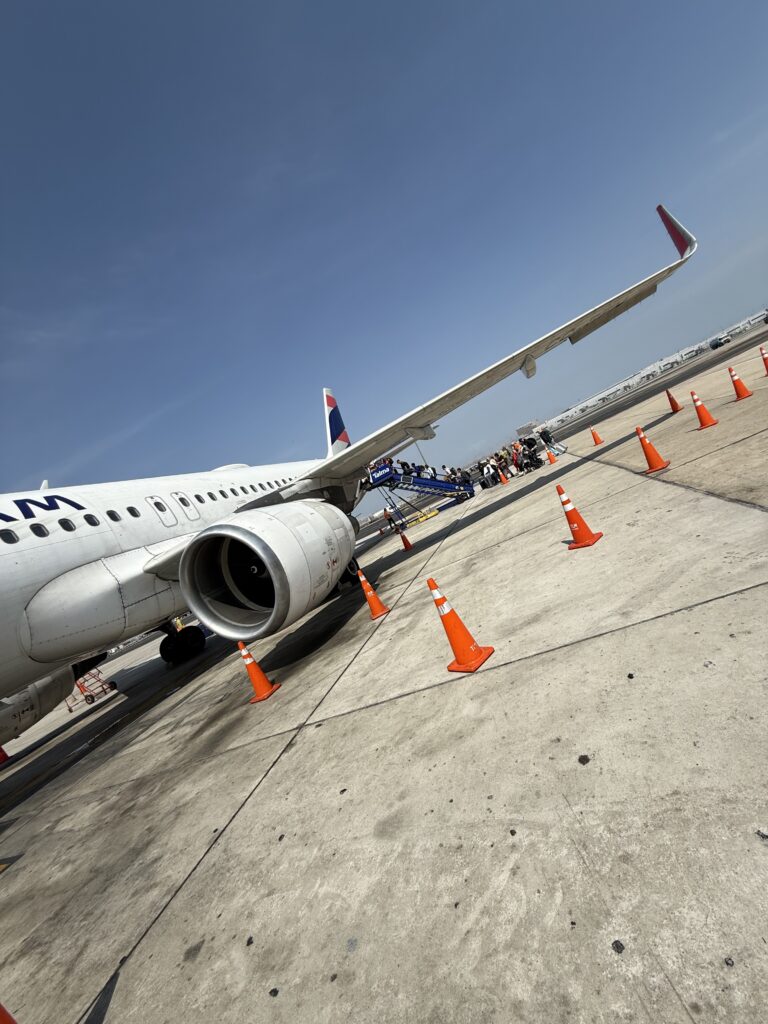
    Travel Research Process LATAM Airlines aircraft on the airport tarmac during passenger boarding, marking the beginning of a carefully planned travel experience.
    The research is finished. The itinerary is set. Now it’s time to see if the destination lives up to the planning.

    Follow my Instagram

  • How I Plan Every Trip

    How I Plan Every Trip

    Richard Jarocki planning a luxury trip with travel maps, passport, notebook, cocktail, Formula 1 ticket, camera, and research notes for a travel planning blog.

    The Research Never Stops.

    July 20, 2026

    Most people start planning a vacation by searching for flights.

    I usually start with a restaurant.

    Or maybe it’s a cocktail bar I’ve been reading about for months. Sometimes it’s a Formula 1 race. Other times it’s a luxury hotel that everyone swears is worth the money—or isn’t.

    Whatever it is, that’s where the obsession begins.

    What starts as a simple weekend away quickly turns into dozens of browser tabs, Google Maps pins, restaurant menus, YouTube videos, Reddit threads, and enough research to write a travel guide before I’ve even packed my suitcase.

    Normal?

    Probably not.

    Worth it?

    Usually.

    Travel Isn’t About Checking Boxes

    I’ve never been interested in collecting passport stamps just to say I’ve been somewhere.

    I’d rather spend three days getting to know one neighborhood than race across an entire city trying to hit every attraction.

    The best memories rarely come from standing in line for the most famous landmark.

    They come from the bartender who tells you about a hidden cocktail bar.

    The chef who recommends another restaurant across town.

    The concierge who sends you somewhere tourists never think to visit.

    Or the walk between two reservations where you accidentally discover your favorite street in the city.

    Those are the moments I remember.

    Every Trip Starts With One Thing

    Every trip has a reason.

    Barcelona started with Formula 1.

    New York started with restaurants I’d been trying to book for years.

    São Paulo began with Interlagos but quickly became about its incredible dining scene, cocktail bars, and neighborhoods.

    Once I have that one reason to go, everything else starts falling into place.

    I build my days around experiences that make sense together.

    A bakery in the morning.

    A museum or neighborhood to explore.

    An afternoon cocktail.

    Dinner somewhere I’ve spent months trying to reserve.

    Late-night drinks recommended by the bartender from dinner.

    The itinerary almost creates itself.

    I Research Everything

    I’ll read menus months before I arrive.

    I’ll compare hotels until I understand which ones actually deliver value instead of just charging luxury prices.

    I’ll spend hours reading reviews—not looking at star ratings, but looking for patterns.

    What do locals love?

    What disappoints experienced travelers?

    Is a restaurant famous because it’s genuinely exceptional, or because it’s all over Instagram?

    The internet gives everyone the same recommendations.

    I spend my time trying to find the ones it doesn’t.

    Luxury Isn’t About Spending the Most

    People often mistake luxury for expensive.

    I don’t.

    Luxury is attention to detail.

    It’s flawless service.

    It’s a perfectly balanced cocktail.

    It’s a hotel that makes your stay effortless.

    Sometimes that’s a Michelin-starred tasting menu.

    Sometimes it’s a neighborhood wine bar with twelve seats.

    Price doesn’t impress me.

    Quality does.

    Why I Started This Website

    Friends constantly ask me where they should eat.

    Which hotel I’d book.

    Whether a restaurant actually deserves the hype.

    Or what they shouldn’t waste their money on.

    Eventually I realized I’d already spent thousands of hours doing this research for myself.

    Why not share it?

    Everything you’ll read here comes from firsthand experience.

    No sponsored rankings.

    No recycled lists.

    No recommendations based on someone else’s opinion.

    If I tell you a restaurant is worth visiting, I’ve eaten there.

    If I recommend a hotel, I’ve slept there.

    If I rave about a cocktail bar, there’s a good chance I spent half the night talking to the bartender.

    The Research Never Stops

    Every trip teaches me something.

    A better restaurant.

    A better hotel.

    A hidden cocktail bar.

    A neighborhood I never expected to love.

    The list keeps growing.

    So does the curiosity.

    This website is where I document that journey.

    If it helps you find one unforgettable meal, one incredible hotel, one perfect cocktail, or one destination that changes the way you travel, then every hour of research was time well spent.

    Usually.

  • Top Benefits of an F1 Luxury Vacation Package

    For motorsport enthusiasts, few events match the adrenaline-pumping excitement of a Formula 1 Grand Prix. Among the most electrifying races on the F1 calendar is the São Paulo Grand Prix, held at the iconic Interlagos Circuit in Brazil.

    While the race itself promises heart-racing action, planning the perfect F1 trip can be overwhelming. That’s where Richard Jarocki F1 luxury vacation packages comes in.

    Why People Love Attending F1 Races.

    Unparalleled Atmosphere.

    There’s nothing quite like the atmosphere at a live Formula 1 event. The deafening roar of the engines, the anticipation before lights out, and the collective gasps as cars battle for position create an electrifying environment that television simply can’t capture. The São Paulo Grand Prix, in particular, is renowned for its passionate Brazilian fans, whose energy elevates the excitement to another level.

    World-Class Racing Action.

    Interlagos is a favorite among drivers and fans alike, offering one of the most thrilling circuits on the F1 calendar. With its combination of tight corners, fast straights, and unpredictable weather conditions, the São Paulo Grand Prix often delivers dramatic overtakes and edge-of-your-seat moments. Historic races, title-deciding battles, and legendary performances have cemented its reputation as a must-see event.

    Glamour and Luxury.

    F1 is synonymous with luxury, attracting a global crowd of celebrities, business leaders, and motorsport aficionados. Attending a Grand Prix isn’t just about the race—it’s about indulging in fine dining, exclusive parties, and VIP experiences that define the glamorous F1 lifestyle.

    Cultural Immersion.

    Beyond the track, São Paulo offers vibrant culture, exquisite cuisine, and dynamic nightlife. Exploring the city’s rich history, indulging in Brazilian gastronomy, and experiencing the local flair adds depth to your Grand Prix getaway.

    Ferrari Formula 1 car navigating a wet curve at Interlagos race track in Brazil.

    Perks of Richard Jarocki Luxury Vacation Packages.

    While the excitement of attending an F1 race is unmatched, organizing the logistics—flights, accommodations, transfers, tickets, and exclusive experiences—can be complex. That’s where Richard Jarocki F1 luxury vacation packages excels, offering a bespoke, stress-free approach to planning your ultimate F1 adventure.

    Tailored Luxury Experiences.

    Richard Jarocki doesn’t offer cookie-cutter travel packages. Instead, he curates fully customized itineraries based on your preferences, ensuring every detail reflects your personal style and desires. From securing premium Paddock Club access to arranging private track tours, every moment is crafted for luxury and exclusivity.

    VIP Access and Exclusive Perks.

    With deep connections in the F1 world, Richard Jarocki can secure VIP experiences that go beyond standard offerings. Imagine watching the race from the most coveted vantage points, enjoying pit lane walks, and mingling with F1 insiders at exclusive events. These are the kinds of privileges that transform a Grand Prix trip into an unforgettable, once-in-a-lifetime experience.

    Seamless Logistics.

    Navigating São Paulo’s bustling cityscape, language barriers, and race-day crowds can be challenging. Richard Jarocki’s team handles all the logistics—from luxury accommodations and private airport transfers to restaurant reservations and city tours—so you can focus solely on enjoying the race and your surroundings.

    Stress-Free Planning.

    Coordinating an international trip, especially around a major event like the São Paulo Grand Prix, can be overwhelming. With Richard Jarocki at the helm, you’ll have peace of mind knowing every detail is expertly managed. Their team anticipates potential challenges, ensuring your travel is smooth, efficient, and hassle-free.

    Personalized Attention.

    What sets Richard Jarocki apart is the personalized attention given to each client. You’re not just another booking; you’re a valued guest with unique tastes and expectations. The team is available to assist you before, during, and after your trip, providing concierge-level support to enhance your experience.

    Reserve Your Luxury Vacation Package!

    Experience unparalleled luxury and excitement by partnering with Richard Jarocki. We will plan every aspect of your F1 adventure so all you need to focus on is having the time of your life. Learn more about our luxury vacation packages online, or contact us to reserve your spot now.

  • History of the Autodromo Jose Carlos Pace Race Track

    Rising up brazil flags. Crowd of people holding brazilian flags, back view.

    The Autodromo Jose Carlos Pace is a legendary motorsport site with a rich history that captivates racing enthusiasts and casual fans. Known for its challenging layout and vibrant atmosphere, this iconic race track in São Paulo, Brazil, has served as a backdrop for some of the most thrilling moments in Formula One history. As anticipation builds for the upcoming 2025 Grand Prix, it’s essential to explore the origins and evolution of this remarkable venue, showcasing its significance in the racing community.

    This blog post will explore the fascinating history of Autodromo Jose Carlos Pace and detail key milestones that have shaped its legacy.

    The Origins of the Autodromo Jose Carlos Pace

    Since its inception, the Autodromo Jose Carlos Pace, better known as Interlagos, has become a symbol of motorsport excitement. Located in São Paulo, Brazil, the race track first opened in 1940. It originally operated as a public road circuit but underwent significant improvements in the 1950s, solidifying its reputation as a premier racing venue. Named after Brazilian driver José Carlos Pace, who tragically lost his life in a plane crash in 1977, the track honors his legacy and passion for the sport. Its unique configuration, nestled in a natural valley, provides an exhilarating challenge for drivers and an unforgettable experience for fans.

    From its early days, the Autodromo Jose Carlos Pace evolved into a beloved host for various motorsport events. In 1973, the circuit officially joined the Formula One calendar, gaining international acclaim for its passionate crowds and vibrant atmosphere. Over the years, the track has witnessed thrilling races and produced iconic moments, becoming a staple in motorsport. As the site prepares to welcome the 2025 Grand Prix, the enduring spirit of Interlagos continues to capture the hearts of racing enthusiasts, promising a rich legacy that enhances its status as one of the greatest tracks in history.

    Key Milestones in the History of the Race Track

    The Autodromo Jose Carlos Pace, located in São Paulo, Brazil, has witnessed numerous key milestones since its opening in 1970. Originally constructed to host Formula One races, the circuit was named after the Brazilian driver José Carlos Pace, who tragically lost his life in a plane crash in 1977. The track’s inaugural race occurred during the 1972 Brazilian Grand Prix, marking the beginning of its reputation as a challenging and exciting venue for motorsport enthusiasts. Over the years, this legendary site has undergone several modifications to enhance safety and improve the overall racing experience, with notable changes made to its layout and infrastructure.

    In 1990, the track hosted a memorable race that showcased the fierce competition among several world-class drivers. As Formula One gained popularity in the 1990s, the Autodromo became a staple on the racing calendar, with its vibrant atmosphere attracting fans from around the globe. The venue faced its share of challenges, including environmental concerns and financial difficulties, which prompted renovations in the early 2000s. These upgrades modernized the facilities and solidified the circuit’s status as one of the premier racing venues in the world. Today, the track continues to captivate audiences, and preparations for the highly anticipated 2025 Grand Prix highlight its enduring legacy and significance in motorsport.

    The Road to the 2025 Grand Prix

    As the 2025 Grand Prix approaches, excitement builds around the Autodromo Jose Carlos Pace, known for its challenging layout and vibrant atmosphere. The track, featuring a blend of fast straights and technical corners, demands skill and precision from drivers, making it a thrilling experience for both participants and fans. The venue’s rich history adds to the anticipation, as it has hosted legendary races and iconic drivers, all of which contribute to its status as a must-visit destination in motorsport.

    Preparations for the 2025 Grand Prix are underway, with facility enhancements and increased spectator experience focus. Organizers aim to elevate the overall atmosphere by integrating modern amenities while preserving the track’s historic charm. Attendees can expect engaging fan zones, food and entertainment options, and closer racing access that deepens their connection to the sport. As we gear up for this epic event, the Autodromo Jose Carlos Pace continues to be a beloved landmark in the heart of São Paulo, setting the stage for another unforgettable chapter in its storied narrative.

    Join Us for Unforgettable Moments at the 2025 Grand Prix

    Discover unforgettable moments in the world of motorsport at the 2025 São Paulo Grand Prix. Picture yourself in exclusive VIP suites overlooking the track, sipping premium champagne as the roaring engines and high-speed action unfold before you. Our curated packages offer the best views of the race and private access to hospitality lounges, gourmet dining, and meet-and-greet opportunities with racing legends.

    Rising up brazil flags. Crowd of people holding brazilian flags, back view.
  • Unveiling the 2025 Formula 1 Car Liveries: A Spectacular Fusion of Innovation and Tradition

    The 2025 Formula 1 Season: A Thrilling New Chapter

    The countdown to the 2025 Formula 1 season has ignited excitement across the motorsport community. Teams are showcasing futuristic car designs and liveries that blend a proud legacy with cutting-edge technology. If you’ve been eagerly following every sneak peek, here’s your all-in-one guide to the biggest announcements—complete with links to official galleries and insider analysis.

    1. From Silver Arrows to the W16: Mercedes’ 2025 Challenger
    Mercedes Unveil New 2025 Car as W16 Breaks Cover

    Mercedes has pulled back the curtain on the W16, signaling another step forward in aerodynamics and powertrain technology. Building on the team’s championship-winning pedigree, the W16 features:

    • Sleek sidepods sculpted to minimize drag
    • Refined hybrid power unit that promises greater efficiency without sacrificing performance
    • Iconic livery that merges the heritage silver base with teal highlights, giving a nod to its Petronas partnership

    With Mercedes’ consistent record of championship success, the W16 is poised to spark an intense battle at the front of the grid throughout 2025.

    2. Aston Martin’s AMR25: Elegance Meets Aggression
    Gallery: Check Out All the Angles of Aston Martin’s New AMR25 Car

    Continuing its mission to become a top contender, Aston Martin has rolled out the AMR25, marked by:

    • Signature British Racing Green with neon-lime accents that emphasize aerodynamic contours
    • Fluid aerodynamic features aimed at maximizing downforce while trimming unnecessary drag
    • Luxury design elements that reflect Aston Martin’s refined brand image

    Fans looking to get up-close and personal with every curve and detail will appreciate the extensive photo gallery linked above.

    3. Ferrari’s 2025 Debut – With a Twist
    Ferrari F1 2025 Car Debut: Lewis Hamilton & Charles Leclerc – What We Learned

    Ferrari has always commanded a special place in F1 lore, and the 2025 season is no exception. This in-depth piece from The Race sheds light on key points:

    • Car Launch Takeaways: How the newest Ferrari incorporates next-gen aerodynamic elements and a bold evolution of the Rosso Corsa livery
    • Driver Line-up Analysis: Speculation around Lewis Hamilton and Charles Leclerc underscores Ferrari’s ambition to reclaim championship glory
    • Technical Innovations: Insights into engine developments, rumored performance gains, and how the team plans to bridge any gaps to its top rivals

    With a storied history behind them, the Scuderia’s 2025 outlook is bound to stir plenty of debate—and excitement—among Tifosi worldwide.

    4. Complete 2025 Livery Overview
    In Photos: Every 2025 F1 Car Livery After Their Spectacular Launch

    If you’re a fan who needs to see every car in one place, this comprehensive roundup delivers high-resolution images of every 2025 livery. The gallery provides:

    • Close-up angles that highlight new design elements and sponsors
    • Under-the-lights shots showing how reflective and matte paint finishes look during night races
    • Team-by-team comparisons so you can decide which livery truly stands out this season

    From McLaren’s unmistakable papaya-and-blue combo to Red Bull’s signature navy with fluorescent accents, this showcase has something for every style preference.

    Key Features Defining the 2025 Liveries

    1. Aerodynamic Emphasis
      Teams now use livery stripes and color gradients not just as decorative elements, but also to underscore critical airflow paths.
    2. High-Tech Paint and Materials
      Lightweight paints, reflective decals, and matte finishes help reduce weight and improve the car’s aerodynamic profile.
    3. Brand Heritage, Modern Execution
      Most teams blend legacy color schemes with futuristic design elements, striking a balance that resonates with both new fans and long-time supporters.
    4. Driver Line-up Synergy
      The presence of established world champions and rising stars generates excitement and influences how each brand positions its livery to reflect driver personalities.

    Why These Reveals Matter for F1 Fans and SEO

    • Timely Coverage: Blog posts on the latest F1 car reveals rank well when people are actively searching for news and photos of upcoming seasons.
    • Authoritative Links: Referencing official sources (Formula1.com) and respected outlets (The Race) signals credibility to both readers and search engines.
    • Engaging Visuals: High-quality images keep visitors on your page longer—a factor that can boost your site’s search engine ranking.

    Looking Ahead to 2025

    With these spectacular liveries now public, the stage is set for a competitive and visually stunning 2025 Formula 1 season. As technical regulations evolve, teams will push aerodynamic and powertrain innovations to gain that elusive performance edge. Whether you’re rooting for Mercedes’ polished Silver Arrows, Aston Martin’s refined green machine, or a resurgent Ferrari team, one thing is certain: the battles ahead promise to be as fierce as ever.

    Stay tuned for more updates, interviews, and insights as we head toward the first Grand Prix of 2025—where these remarkable cars will finally unleash their potential on the track!

  • Lewis Hamilton’s “Red-Letter” Start: How the Seven-Time Champion Is Adapting to Ferrari in 2025

    Lewis Hamilton’s highly publicized move to Ferrari for the 2025 Formula 1 season has taken center stage once again, as the British driver begins preseason testing with the iconic Scuderia. Early reports from The GuardianFormula1.com, and The New Indian Express shed light on how the seven-time world champion is settling into his new surroundings—and how those red overalls feel after years in Silver.

    1. A “Red-Letter Day” for Hamilton

    Rejuvenated and Raring to Go

    According to The Guardian, Hamilton’s first official outing in the Ferrari was nothing short of a “red-letter day.” Despite his storied success at Mercedes, Hamilton appears invigorated by the new environment, relishing the chance to chase an eighth world title with Formula 1’s most famous team.

    Fan Reaction

    • Tifosi Delight: Ferrari’s passionate fanbase—known as the Tifosi—has eagerly awaited the arrival of a proven champion to help restore the team’s winning legacy. Hamilton’s presence has already ramped up energy levels around Maranello.
    • Driver’s Own Words: Hamilton told reporters he feels “refreshed” and “energized,” hinting that the new challenge aligns perfectly with his competitive spirit.

    2. Meticulous Preparation on Display

    Behind the Scenes at Maranello

    In a feature by Formula1.com, insiders detail Hamilton’s approach to this transitional phase—studying Ferrari’s simulator data, collaborating closely with engineers, and fine-tuning his driving style to suit the team’s 2025 car design.

    Key Takeaways

    • Technical Adaptations: Reports suggest Hamilton is eager to apply lessons learned from his Mercedes days to optimize Ferrari’s chassis and power unit.
    • Team Synergy: Hamilton’s ability to foster quick rapport with the Ferrari mechanics and staff has impressed both the paddock and the fans. Observers note a palpable excitement radiating from the garage.

    3. Preseason Testing Begins

    A Fresh Start on Track

    As The New Indian Express reports, Hamilton officially kicked off 2025 preseason testing in Ferrari’s red machine. Early lap times looked promising, though insiders caution that raw testing data can be misleading.

    What to Watch

    1. Car Reliability: Ferrari has invested heavily in engine reliability improvements after a few hiccups in past seasons.
    2. Hamilton-Leclerc Dynamic: With teammate Charles Leclerc also on hand for testing, fans are eyeing the on-track chemistry between these two title contenders.
    3. Long-Run Pace: While single-lap times often grab headlines, extended stints give a clearer indication of a car’s race-day performance.

    4. Hamilton’s Goals and Ferrari’s Title Aspirations

    Championship Hopes

    Hamilton’s arrival symbolizes a renewed push for a Drivers’ Championship that has eluded Ferrari for over a decade. With the Brit eager to claim an eighth title—surpassing Michael Schumacher’s record—the stakes could hardly be higher.

    Potential Shifts in the Grid

    • Mercedes’ Response: After losing their star driver, the Silver Arrows face a rebuilding challenge in the wake of Hamilton’s departure.
    • Red Bull and Others: With Hamilton stirring competition at Ferrari, teams like Red Bull, Aston Martin, and McLaren will aim to rise to the occasion, adding another layer of excitement to 2025.

    5. Tips for Following Preseason Action

    1. Monitor Multiple Sources: Compare updates from outlets like The Guardian, Formula1.com, and The New Indian Express for a well-rounded perspective.
    2. Look Beyond Headlines: Lap times in testing don’t always translate into race-day success. Car setups, tire compounds, and weather conditions can influence performance.
    3. Focus on Hamilton’s Feedback: The driver’s early impressions on car balance and handling often predict in-season development strategies.

    Final Thoughts

    Lewis Hamilton’s move to Ferrari for 2025 has already injected fresh intrigue into Formula 1’s preseason. With encouraging early feedback, methodical prep work, and new dynamics in the Ferrari camp, the seven-time champion seems poised to make an impact. Whether this collaboration can deliver Ferrari’s long-awaited championship remains to be seen, but the early signs point to an electrifying season ahead.

    Stay tuned for more in-depth analyses and day-to-day coverage from:

    No matter how the final standings shake out, Hamilton’s first laps in Ferrari red signal a fascinating new chapter for both driver and team—one that could reshape the competitive landscape of F1 for years to come

  • F1 2025 Pre-Season Testing Day One: Key Insights and Takeaways

    The 2025 Formula 1 pre-season testing has kicked off with a flurry of activity, and day one is already offering a glimpse into what the new season might hold. Motorsport experts and fans alike are buzzing with excitement as teams fine-tune their machines ahead of the championship battles. In this post, we compile and analyze insights from leading sources to give you a comprehensive recap of day one.

    Key Takeaways from Day One Testing

    Nine Things We Learned – Insights from The Race

    The Race detailed nine pivotal takeaways from the opening session. Their analysis highlights:

    • Performance Trends: Early indicators of car performance, with certain teams showcasing improved aerodynamic efficiency.
    • Setup Innovations: How teams are experimenting with new setups that could play a crucial role once the season starts.
    • Reliability Issues: Initial testing also revealed areas where teams need to focus on reliability as they push the limits of the 2025 regulations.

    Bahrain’s Day One – What Formula1.com Has to Say

    According to Formula1.com, Bahrain’s testing session provided valuable data on:

    • Thermal Management: How teams are tackling the challenges of managing tire temperatures in Bahrain’s climate.
    • Driver Feedback: Early comments from drivers that could hint at mid-season development paths.
    • Competitive Parity: The session underscored that while some teams appear ahead in certain areas, the field remains closely contested.

    Five Essential Observations from DMarge

    DMarge distilled the testing action into five key observations:

    • Aerodynamic Shifts: Notable changes in aerodynamic packages, suggesting teams are adapting to new technical regulations.
    • Power Unit Performance: A closer look at the performance of hybrid power units, with some teams finding a better balance between power and efficiency.
    • Data-Driven Adjustments: How engineers are leveraging simulation data to make rapid in-field adjustments.

    Detailed Analysis by Total Motorsport

    For those wanting a deeper dive, Total Motorsport provided a comprehensive review of the session’s technical and strategic insights:

    • Chassis and Handling: Observations on chassis stiffness and handling characteristics that may set the stage for future developments.
    • Team Strategies: An analysis of how different teams are approaching testing with a focus on long-run performance versus qualifying pace.

    Live Updates from BBC Sport

    Finally, BBC Sport’s live coverage kept fans updated in real time, capturing the dynamic environment of day one:

    • On-Track Developments: Continuous updates on lap times, weather conditions, and any unexpected technical issues.
    • Fan Engagement: Real-time commentary that brought the excitement of the track directly to fans worldwide.

    What Does This Mean for the 2025 Season?

    Building Momentum:
    The early data from testing suggests that teams are on the right track in adapting to the new 2025 regulations. With innovative setups and engine improvements already in play, the groundwork is being laid for an intensely competitive season.

    Areas of Focus:
    While performance gains are evident, reliability remains a crucial area. Teams that balance raw speed with durable engineering will likely emerge as the season progresses.

    Competitive Edge:
    The close performance margins seen during testing indicate that the title fight could be as unpredictable as ever. With every team making strategic tweaks, fans can expect fierce battles on race day.

    Final Thoughts

    Day one of F1 2025 pre-season testing has set the stage for what promises to be an exhilarating season. From aerodynamic innovations and power unit adjustments to real-time live updates, the insights gathered across multiple expert sources provide a solid foundation for predicting how the season might unfold. Whether you’re a dedicated fan or a casual observer, these early signals point to a season full of strategic battles and breakthrough performances.

    For ongoing updates and detailed analysis, be sure to follow the live coverage on BBC Sport and revisit expert insights from The RaceFormula1.comDMarge, and Total Motorsport.

    Stay tuned for more insights as the 2025 F1 season approaches!